
5971 Lake Murray Boulevard, La Mesa, CA 91942
For more information about senior living options: (866) 208-4318
Overall Review of Lake Murray Terrace Guest Home
Pros
 Very loving homes that get to know the people who live there.
- Very personal, individual care.
- Great food.
- Lisa and the staff took exceptional care of the family member.
Cons
 The place is described as a nightmare.
- There were a lot of problems with owner Lisa and the caregiver Amy.
- Things turned south after the reviewer left, while they were 16 hours away in Asia.
- The reviewer paid over $4,000 for the service, expecting the best from Lisa’s employee.
- Lisa had Amy’s dad join a phone call to try to make the reviewer feel bad.
- The reviewer’s wife died three weeks later.
- The reviewer called them not good people.
Review
Lake Murray Terrace Guest Home in La Mesa is best suited for families seeking a small, intimate living environment where residents are known personally, and care is delivered with a high touch. This community excels for seniors who prize warmth, individualized attention, and a homelike routine, where meals feel thoughtful, staff develop real relationships, and the focus is on comfort and daily companionship rather than formal, hospital-like routines. It rewards residents who thrive on steady, familiar faces around the clock and who are comfortable with a tightly knit team that operates on a more personal, caregiver-driven model.
That same intimacy, however, means families should consider alternatives if robust medical oversight and a large, structured staff are non-negotiables. For seniors with complex medical needs, frequent skilled nursing demands, or require specialized memory care programs, a larger, more regimented facility may be a safer choice. The owner-operated, small-house model can introduce variability in governance and day-to-day management, which some families find reassuringly personal and others find unsettling. If reliability of scheduling, caregiver consistency, and formalized accountability are top priorities, a more traditional assisted living or a licensed memory-care community could be a better fit.
On the upside, the strongest endorsements spotlight very loving homes where staff truly get to know residents. Families repeatedly note personal, individual care and a sense that residents are treated as members of a family rather than as anonymous occupants. The emphasis on great food and daily attention to preferences often translates into a high quality of daily life, and when Lisa and the staff are aligned, families feel their loved ones are well cared for and genuinely valued. Those positives, caring relationships, attentiveness, and a home-like atmosphere, can make a meaningful difference in comfort, mood, and overall well-being.
Yet the strongest caution comes from a single, sharply negative account that highlights serious concerns with management and care delivery. The reviewer describes conflict with the owner and a caregiver, substantial out-of-pocket costs, and a sense of mismanagement that culminated in a distressing experience during a period of absence. While this view contrasts with the more favorable testimonials, it cannot be dismissed. It signals the real possibility that, in practice, governance, communication, and financial transparency are the variables most likely to tip overall satisfaction in a small, owner-run setting. Prospective residents should take this seriously and actively probe for clarity on who leads care decisions, how caregivers are selected and supervised, and exactly what the bill covers.
In balancing the pros and cons, the key truth is that the warmth and personalization can offset many daily inconveniences if governance is transparent and trust is built early. Families who savor a home atmosphere and are comfortable with a smaller, hands-on team will likely experience meaningful benefits in quality of life and daily happiness for their loved one. Conversely, families with tight budgets, high medical needs, or a low tolerance for owner-driven variability should enter discussions with a critical eye and strong questions about oversight, caregiver consistency, and exit terms. A campus-like setting with formal routines may feel more predictable, but it will lack the same intimate, family-style experience that makes Lake Murray Terrace compelling for the right resident.
For those who decide to move forward, a disciplined due-diligence approach is essential. Schedule extended visits to meet the owner and primary caregivers, request to speak with current families, and ask for concrete examples of daily care plans, medication management, and emergency procedures. Demand written outlines of inclusions in the monthly rate, what happens if caregiver availability shifts, and how disputes are resolved. Confirm licensing status and any applicable state inspections, and verify references with independent notes about care quality, responsiveness, and trust. If the discussion leaves questions unanswered or impressions of governance unresolved, it may be wiser to explore alternatives that offer similar warmth with greater formalized oversight.
 6 resident community capacity
 Assisted Living
 Board and Care Home
 Respite Care
 Cable or satellite TV
 Dining room
 Fully furnished
 Garden
 Housekeeping services
 Move-in coordination
 Outdoor space
 Telephone
 Wi-Fi/high-speed internet available
 San Diego International-Lindbergh (10 miles away)
 24-hour supervision
 Activities of daily living assistance
 Assistance with bathing
 Assistance with dressing
 Assistance with transfers
 Diabetes diet
 Meal preparation and service
 Medication management
 Special dietary restrictions
 Transportation arrangement (medical)
 Transportation to doctors appointments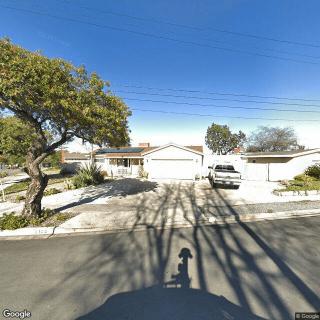






 Beyond the Bingo Hall: 50+ Enriching Activities for Seniors in Assisted Living
 Understanding the Distinctions: Assisted Living and Memory Care Explained
 Guiding Elderly Parents Who Refuse Assisted Living: 6 Practical Steps