
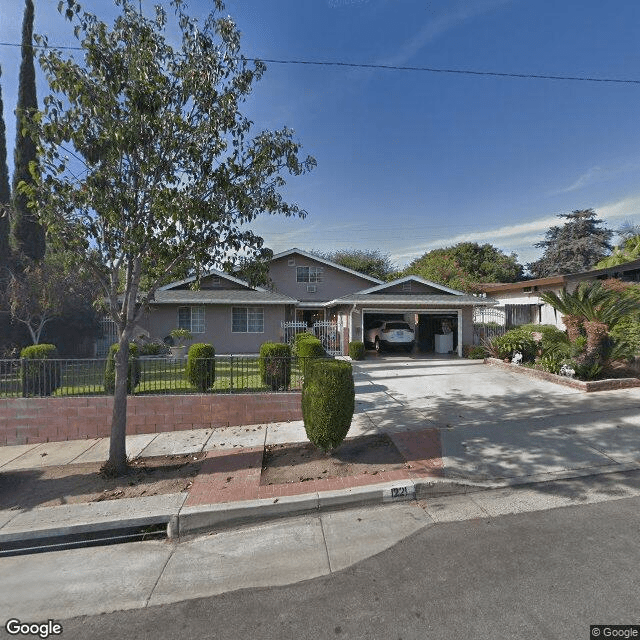
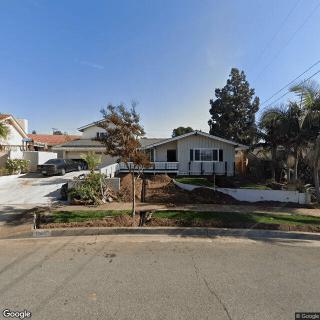
1221 Sierra Vista Dr., La Habra, CA 90631
To contact a resident: (562) 690-8456
For more information about senior living options: (866) 208-4318
Haven for Mom and Dad I Costs & Pricing
At Haven for Mom and Dad I, the monthly cost for a private room is set at $3,500, which offers a competitive option compared to current market rates in Orange County and across California. In Orange County, the average monthly cost for a similar private room is approximately $4,104, while the statewide average stands at about $3,939. This pricing not only reflects Haven for Mom and Dad I's commitment to providing quality care but also positions it as an attractive choice for families seeking affordable yet compassionate living solutions for their loved ones in a region where senior living costs can be considerably higher.
| Floor plans | Haven for Mom and Dad I | Orange County | California |
|---|---|---|---|
| Private | $3,500 | $4,104 | $3,939 |
Assisted Living communities with a similar price nearby
-
from +$495 / mo

Cadence Brea
$3,995 to $5,500 / month4.2 miles away -
About the same

Kind Heart Home Care VI
$3,500 to $5,000 / month21.8 miles away -
About the same
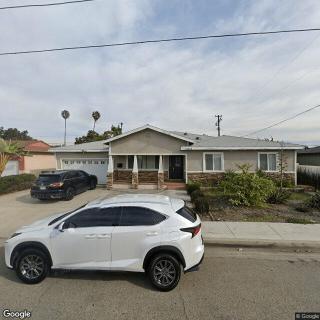
Loving Home Care
$3,500 to $4,500 / month12.4 miles away -
from -$200 / mo

Bella Manor II
$3,300 to $4,290 / month11.1 miles away -
from +$500 / mo
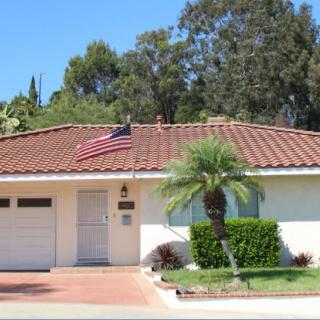
Palomino Residential Care
$4,000 to $6,000 / month12.5 miles away
Overall Review of Haven for Mom and Dad I
Pros
 The customer service is amazing.
- The staff are very caring and patient.
- Everyone is super friendly and provides a lot of support.
- There is a set price with no tiers, which is nice.
- They have a motion detector to know when residents are out of bed at night.
- The owner's son anticipates questions and explains things very well.
- Her mother-in-law's bed sore has healed, which is rare for how bad it was, and she is doing well there.
Review
Haven for Mom and Dad I in La Habra, CA is best suited for families seeking a straightforward, transparent assisted-living option where the care staff are consistently patient and genuinely caring. It works well for seniors who value reliable daily attentiveness, visible safety measures, and a management team that engages proactively. The setting lends itself to those who want steady progress in comfort and function, with a focus on practical outcomes rather than flashy programming. It is a practical fit for residents who primarily need assistance with routine activities, solid supervision, and wound-care support, without requiring ongoing skilled nursing or memory-care specialization.
Families should consider alternatives if the resident needs memory care, 24/7 skilled nursing, or a more robust activity or therapeutic schedule, or if specialized medical oversight is essential. The lack of explicit memory-care programming means this community may not meet needs of someone with advanced dementia. If the budget requires strict, tiered pricing or a campus with a broader continuum, other options might suit better. Also, if a family prioritizes highly expansive social events, religious programming, or on-site rehabilitation therapies beyond standard assisted living, that level of breadth may be found elsewhere.
Key pros are substantial: the staff is caring and patient; residents and families consistently report friendly, supportive interactions; pricing is transparent with no confusing tiers; safety is enhanced by motion detectors that alert staff if someone leaves bed at night; and leadership, notably the owner’s son, anticipates questions and explains care plans clearly. A concrete positive outcome cited is the healing of a bed sore that arrived severe, suggesting real progress in wound care and overall supervision. Taken together, these strengths create a dependable, family-like atmosphere that reduces uncertainty about daily care and safety. These advantages offset the lack of widely published data by providing tangible, day-to-day reliability that families can verify in a visit.
However, the evidence base is limited. Eight reviews is a small sample, and one review carries a low rating without details in public messages, signaling that some experiences may diverge from the positive narrative. The absence of detailed information on memory care, rehab therapy options, or staffing ratios leaves questions about consistency of care across shifts and days. While the stories of healing wounds and proactive communication are persuasive, a cautious decision should hinge on seeing the community in action and requesting specifics about nurse availability, care plan customization, and response times. The single negative review also invites closer scrutiny during tours.
Prospective families should structure due diligence around clear, practical questions: what is included in the base price and what triggers added charges; what is the nurse-on-site schedule; how are wounds and chronic conditions managed; what memory-care options exist (if any) and how residents transition between levels of care; what are the staff-to-resident ratios by shift; how are pain, mobility, and falls addressed; what is the activity calendar and how are resident preferences accommodated; what are meal quality and dining options; how does family communication occur, and how quickly are changes conveyed; and finally, can residents and families meet current residents and staff to observe the daily flow and safety routines, including the motion detector system in practice.
In the end, Haven for Mom and Dad I offers a compelling package for families seeking compassionate care, safety-conscious design, and predictable pricing in La Habra. It is a particularly strong choice for seniors whose needs stay within the assisted-living territory, no need for complex skilled nursing or memory care, and for families who want a transparent financial picture and a team that truly listens. For those whose loved one requires higher medical oversight, specialized memory programming, or a broader continuum of care, it pays to compare alternatives that explicitly cover these elements. A decisive next step is a guided tour with questions tailored to care needs, including a review of care plans, wound-care protocols, and day-to-day safety practices.
 6 resident community capacity
 Assisted Living
 Board and Care Home
 Respite Care
 Cable or satellite TV
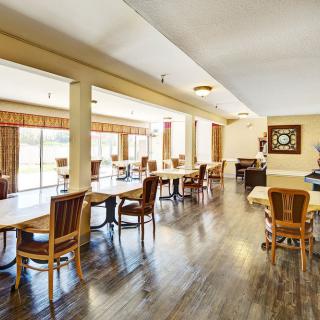
 Dining room
 Fully furnished
 Garden
 Housekeeping services
 Move-in coordination
 Outdoor space
 Private
 Telephone
 Wi-Fi/high-speed internet available
 Long Beach (Daugherty) (14 miles away)
 24-hour supervision
 Activities of daily living assistance
 Assistance with bathing
 Assistance with dressing
 Assistance with transfers
 Diabetes diet
 Meal preparation and service
 Medication management
 Special dietary restrictions
 Transportation arrangement (medical)
 Transportation to doctors appointments



 Assisted Living Expenses and Long-Term Care Insurance: A Comprehensive Exploration
 Securing Financial Support for Assisted Living: A Comprehensive Overview
 Social Security Benefits and Assisted Living: Navigating Options Across the U.S.