

406 E Main Street, Grass Valley, CA 95945
To contact a resident: (530) 272-0300
For more information about senior living options: (866) 208-4318
Overall Review of Interim HomeStyle Services
Cons
 Six hours passed as her husband died, and she was left to handle it alone.
- No one came.
- It was not well managed.
- She should have called an ambulance.
- Her heart will never be the same.
Review
Interim HomeStyle Services in Grass Valley, CA is best understood as an option that is not suited for seniors who require reliable, around-the-clock care or meaningful end-of-life support. The sole firsthand account paints a stark picture: hours passed before any staff member responded during a spouse’s final moments, with the family left to manage without timely assistance. That kind of experience signals a facility where urgent needs and emotional support from trained personnel cannot be trusted. In practical terms, this community is most appropriate for residents whose daily needs are extremely light and for whom family or private caregivers are prepared to compensate for staff gaps.
This review makes it clear who should consider alternatives. Families prioritizing dependable medical oversight, rapid response to emergencies, and coordinated hospice or palliative care should look elsewhere. Assisted living environments that promise continuous supervision, clear escalation paths, and compassionate bedside presence are not represented here based on the account provided. For seniors with chronic conditions, cognitive or physical decline requiring consistent monitoring, or families seeking peace of mind through professional, available staff, this option does not meet those standards.
The balance of the fewed advantages a typical assisted living might offer does not meaningfully offset the central, documented failing, the absence of timely, competent care when it mattered most. There is no credible evidence in the narrative of meaningful staffing supports, proactive engagement, or reliable communication. Without concrete positives to counterbalance the management shortcomings described, the perceived benefits, if any exist, remain theoretical. In other words, the main risk outstrips any ambiguous convenience or routine service that might be offered elsewhere.
For families still weighing this community, a disciplined due-diligence process is essential. Inspect staffing patterns and scheduling, and demand clarity on how the facility handles emergencies and end-of-life situations. Inquire about nurse-to-resident ratios, on-site coverage after hours, and the presence of a designated point person for families. Request written policies on response times, supervision of caregivers, and escalation procedures. Seek confirmation of real-time communication mechanisms with families, and ask for recent incident logs or customer satisfaction metrics. The goal is to verify that staff training, supervision, and accountability align with the level of care required.
A practical decision framework emerges from these questions. If the answer to the critical question, “Will trained staff be present and responsive at all hours when urgent needs arise?”, is uncertain or evasive, the red flag should be decisive. For those unwilling to gamble with a loved one’s safety and emotional well-being, the recommendation is clear: pursue other options with verifiable staffing reliability, transparent operations, and demonstrable commitment to compassionate care. If, however, evidence of robust, consistent staffing and a proven track record can be produced, then a measured, limited engagement could be considered, but only after thorough verification and a clear plan for escalation and oversight.
Ultimately, the decision hinges on reliability and accountability. Interim HomeStyle Services presents a profile that raises serious concerns about management and response during a critical moment. Families with substantial care needs, or those seeking reassurance that a hospice-appropriate standard is routinely met, should move toward facilities with transparent staffing commitments, strong regulatory compliance, and demonstrable end-of-life support. This Grass Valley community, as described, underscores the necessity of prioritizing safety, responsiveness, and professional containment of distress, before any enrollment takes place.
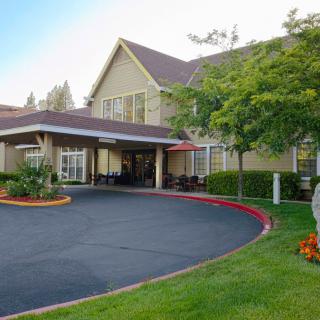
 Friendly staff and an active, welcoming community with good dining.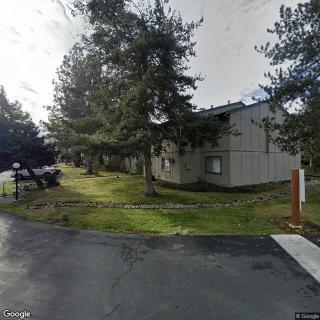





 A Detailed Exploration of Living Wills and Advance Directives
 Comprehensive Guide to Medicare Coverage for Hospice Care
 Caring for Those Who Care: Recognizing, Understanding, and Overcoming Caregiver Burnout