For more information about senior living options: (866) 208-4318
4.8 from 40 reviews
5 stars
36
4 stars
1
3 stars
1
2 stars
2
1 stars
0
Cascades of Grass Valley Costs & Pricing
Cascades of Grass Valley presents a competitive pricing structure for its residential options, particularly when analyzed in the context of both Nevada County and the broader California market. For semi-private accommodations, residents can expect to pay $4,350 per month, which is slightly above the county average of $4,131 but significantly exceeds California's average of $3,333. Studio apartments are priced at $4,595, reflecting a premium over the county rate of $3,995 and aligning closely with the state average of $4,145. The two-bedroom units are available for $4,950, again positioning them favorably against both local ($4,543) and statewide averages ($5,270). Lastly, one-bedroom options at Cascades are priced at $5,495 - higher than Nevada County's average of $4,311 but notably similar to California's overall figure of $4,340. This pricing strategy suggests that while costs may be higher in some categories compared to neighboring areas or statewide averages, they also reflect the unique offerings and quality of life associated with living at Cascades of Grass Valley.
Floor plans
Cascades of Grass Valley
Nevada County
California
Semi-Private
$4,350
$4,131
$3,333
Studio
$4,595
$3,995
$4,145
2 Bedrooms
$4,950
$4,543
$5,270
1 Bedroom
$5,495
$4,311
$4,340
Memory care communities with a similar price nearby
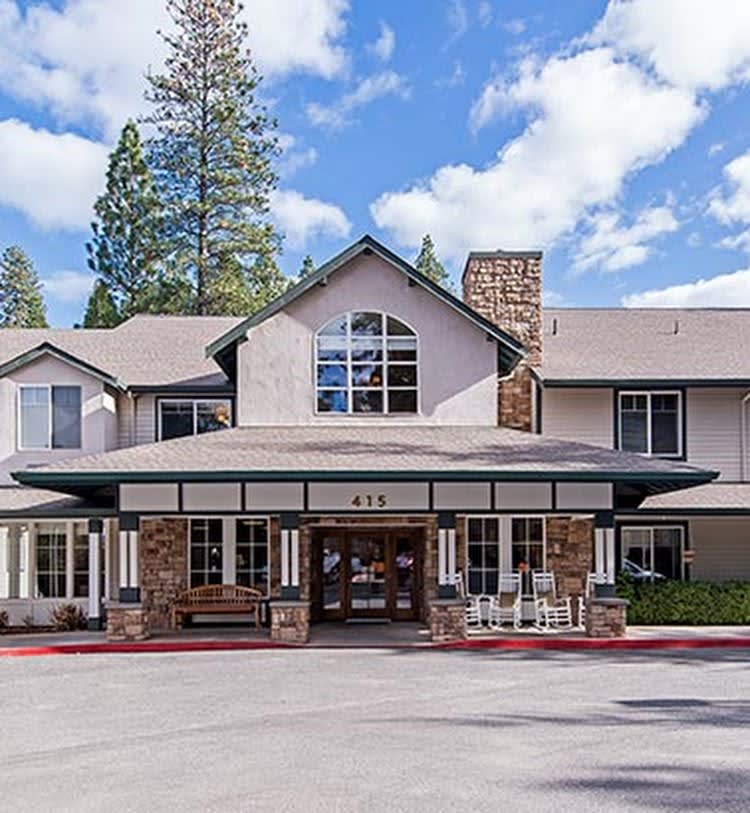
Residents and visitors repeatedly describe the facility as clean and well maintained.
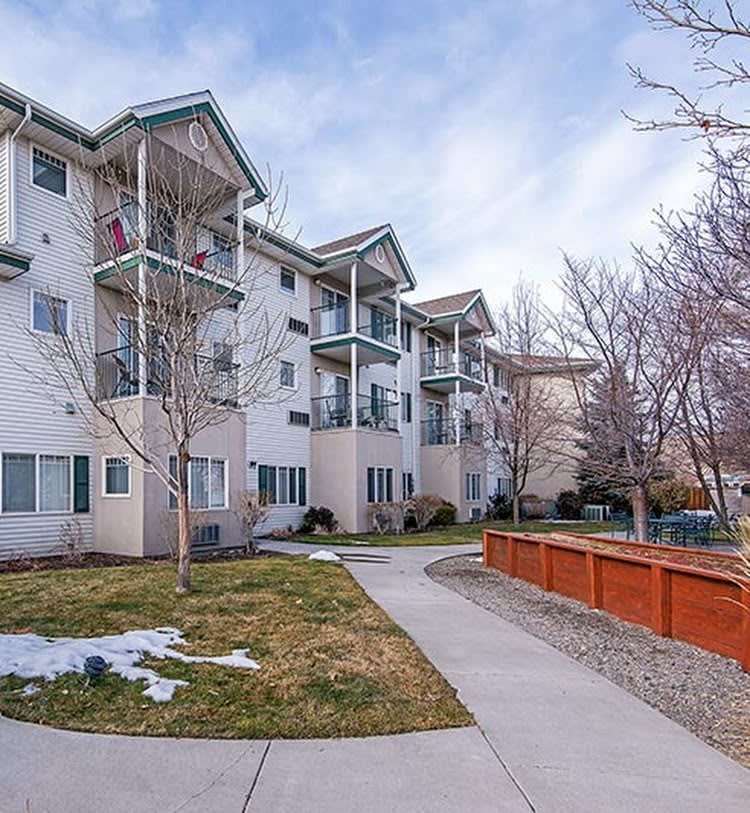
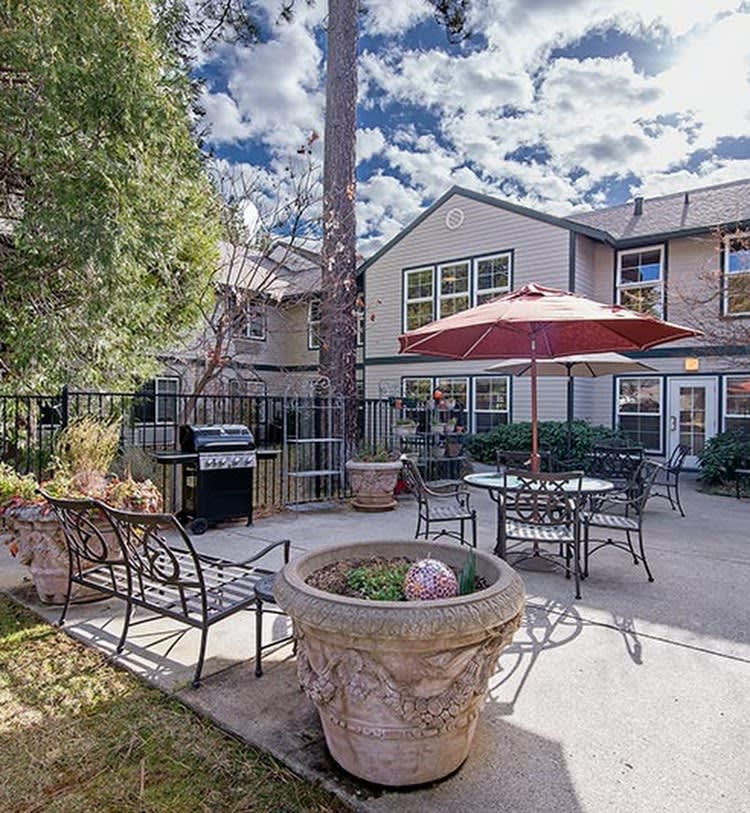
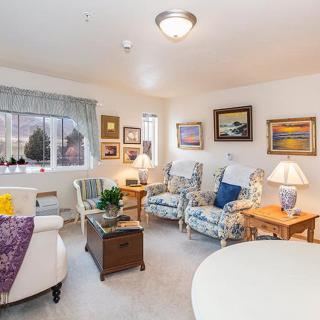
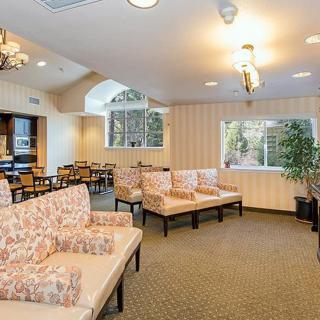
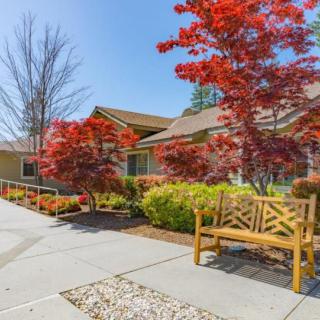
Many reviewers point to the overall upkeep of Cascades, saying the building feels clean, pleasant, and well cared for. Several also mention welcoming common areas and landscaped grounds that make the community feel comfortable to visit and live in. Even in the more critical review, the complaint centers on day-to-day care and responsiveness rather than cleanliness. Overall, cleanliness shows up as a consistent positive across independent living, memory care, and assisted living experiences.
differentiator6 reviews mention this
Dining is a frequent highlight
Meals are consistently described as restaurant-quality and enjoyable.
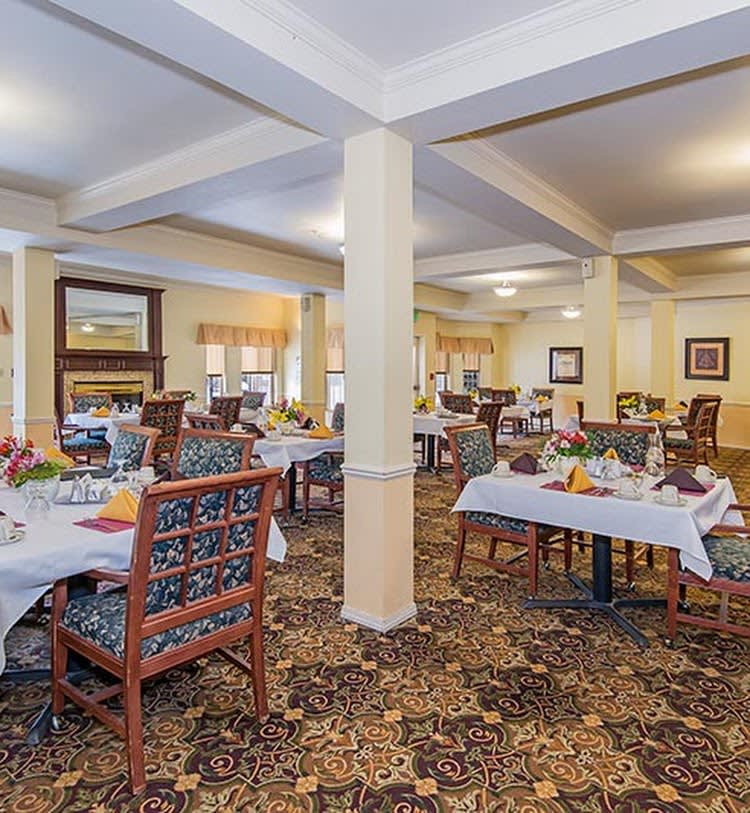
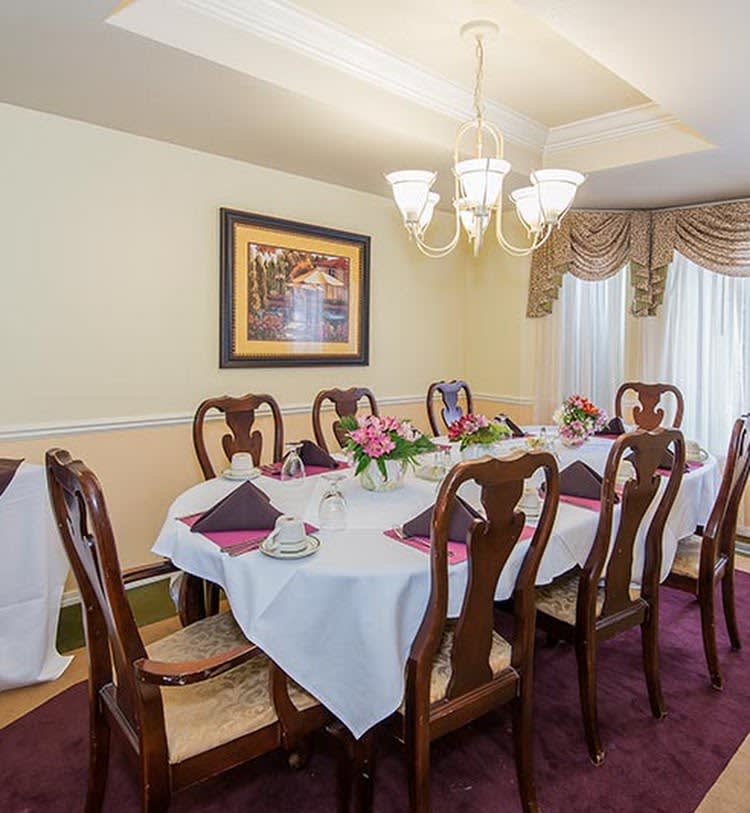
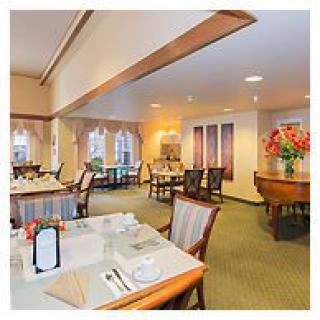
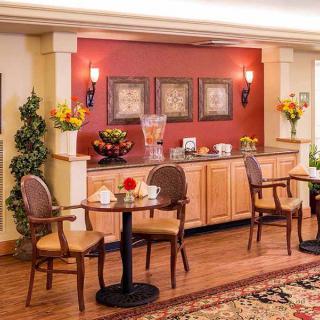
Reviewers commonly describe the dining room as pleasant and meals as high quality. Multiple residents and families say the food tastes good, and one notes balanced meals and a full-time chef. Others highlight how meals are shared or supported by staff, which helps keep residents engaged. This lines up with the community’s restaurant-style dining and meals provided.
common18 reviews mention this
Care team builds trust and support
Families often say the staff’s patience and responsiveness make care feel dependable.
A strong theme across reviews is how caregivers help families feel reassured, especially as needs change. Several reviewers describe staff being patient and treating residents with respect and dignity, including during dementia and Parkinson’s progression. A few also mention coordination around care needs and willingness to work flexibly as situations evolve. Not every review is fully positive—one family reports long waits for assistance—but even then the critique focuses on staffing timeliness and follow-through rather than the overall intent to care.
differentiator4 reviews mention this
Memory care feels integrated
Memory care residents describe meaningful connection through shared events.
Families in memory care specifically mention compassionate support and clear communication about care needs. One reviewer highlights a differentiating approach: memory care residents are invited to events and gatherings in the assisted living area, which helped the loved one’s experience. Another describes using assisted living as a bridge with added reminders and support before moving fully into memory care. Overall, reviews portray memory care as part of the broader community rather than entirely separate.
common5 reviews mention this
Activities and social life matter
Residents and families say there are regular activities and opportunities to socialize.
Multiple reviewers describe an active daily routine, including group activities, day trips, and outings that help residents stay engaged. Several also mention frequent community moments—such as residents gathering in shared spaces—suggesting an environment designed for connection. For families, the activities are often tied to mood and independence, with staff encouraging participation while keeping residents safe. This matches the community’s emphasis on scheduled activities and off-site experiences.
caveat2 reviews mention this
Higher price with mixed service
At least some families feel the pricing doesn’t match day-to-day care quality.
Two reviewers express cost-related dissatisfaction, saying service didn’t meet expectations for the price they paid. One describes delays in caregiver response and trouble with housekeeping follow-through, framing it as a training and supervision issue. Another critique repeats the theme that attention to care felt inconsistent during day-to-day support. The community’s pricing sits above county and state benchmarks across unit types, so these reviews stand out more strongly for cost-sensitive buyers.
How we summarize
Counts show how many written reviews mention each theme; a review can touch several themes, and only frequently mentioned themes are displayed.
Features
Housing
65 resident community capacity
Studio apartments
Types of Care
Assisted Living
Independent Living
Memory Care
Pets
Cats allowed
Dogs allowed
Amenities
Activities on-site
Air-conditioning
Beautician on-site
Beauty salon
Cable or satellite TV
Computer center
Devotional services off-site
Devotional services on-site
Dining room
Financing advice
Fitness room
Fully furnished
Gaming room
Garden
Garden view
Ground floor units
Guasts at mealtime
Handicap accessible
Housekeeping services
Indoor common areas
Kitchenette
Laundry
Move-in coordination
Outdoor common areas
Outdoor space
Party space
Private bathrooms
Respite or short term stays offered
Restaurant-style dining
Small library
Telephone
VA Benefits Consultation
Wellness center
Wheelchair accessible showers
Wi-Fi/high-speed internet available
Transportation
Community operated transportation
Transportation & parking
Transportation arrangement
Transportation arrangement (non-medical)
Transportation to doctors appointments
Care Services
12-16 hour nursing
24-hour call system
24-hour supervision
Activities of daily living assistance
Assistance with bathing
Assistance with dressing
Assistance with transfers
Coordination with health care providers
Diabetes diet
Diabetic care
High acuity care
Hospice care
Incontinence care
Meal preparation and service
Medication management
Mental wellness program
Mild cognitive impairment
Physical therapy
Special dietary restrictions
Specialized memory care programming
Transportation arrangement (medical)
Transportation to doctors appointments
Walking wheelchair assistance
Dining
Anytime dining
Diabetes diet
Gluten-free
Guest meals
International cuisine
Kosher
Low / no sodium
Low fat
Meals provided
Restaurant style dining
Room service
Special dietary restrictions
Special dining programs
Vegetarian
Activities
Activities off-site
Art classes
Bible study group
Catholic services
Community-sponsored activities
Concierge services
Cooking classes
Day trips and outings
Devotional activities offsite
Devotional activities on-site
Fitness programs
Karaoke
Mormon/LDS services
Other religious services
Planned day trips
Protestant services
Religious services
Resident-run activities
Scheduled daily activities
Visiting chaplain or priest
Wine tasting
Languages Spoken
English
Videos
Nearby Places of Interest
This part of Grass Valley, California offers a convenient and accessible location for those considering senior living. With a variety of medical facilities such as Grass Valley Surgery Center, Sierra View Medical Eye, and Mountain View Rehabilitation Medical Associates in close proximity, residents have easy access to healthcare services. There are also several pharmacies nearby including Spring Hill Pharmacy and Dokimos Pharmacy. For leisure activities, seniors can enjoy cafes like What's Up Coffee and Carolines Coffee Roasters, as well as restaurants such as Leftys Fry House and Bubba's Bagels. Additionally, there are places of worship like Pacific Island Ministries and Sierra Presbyterian Church for spiritual fulfillment. The area also features attractions like Sutton Cinemas for entertainment and parks like Dow Alexander Park for outdoor recreation. Overall, this neighborhood provides a balanced mix of amenities essential for senior living.
Physicians
Grass Valley Surgery Center (0.1 miles)
Sierra View Medical Eye (0.1 miles)
Mountain View Rehabilitation Medical Associates (0.1 miles)
Drs. Chan, Moon and Associates (0.1 miles)
Sierra Medical Nutrition Therapy (0.2 miles)
Retina Center of Grass Valley (0.2 miles)
Sierra Nevada Gastroenterology (0.2 miles)
Hospitals
Sierra Nevada Memorial Hospital Foundation (0.3 miles)
Sierra Nevada Memorial Hospital (0.8 miles)
Golden Empire Convalescent Hospital (0.9 miles)
Whispering Pines Lab Draw Station (1.8 miles)
Cafes
What's Up Coffee (0.6 miles)
Dutch Bros Coffee (1.1 miles)
Carolines Coffee Roasters (1.4 miles)
Starbucks (2.5 miles)
Java John's (2.7 miles)
Restaurants
Leftys Fry House (0.7 miles)
Big A Rootbeer Drive In (0.7 miles)
Jack In The Box (1 miles)
Burger King (1 miles)
Taco Bell (1 miles)
McDonald's (1 miles)
Bubba's Bagels (1.1 miles)
Pharmacies
Spring Hill Pharmacy (0.8 miles)
Dokimos Pharmacy (0.9 miles)
Dokimos' East Main Pharmacy (0.9 miles)
Save Mart Supermarkets (1 miles)
Rite Aid (1.2 miles)
Walgreens (1.2 miles)
Longs Drugs (1.3 miles)
Transportation
Enterprise Rent-A-Car (0.8 miles)
Alamo (1 miles)
Enterprise Rent-A-Car (1 miles)
Places of Worship
Pacific Island Ministries (0.9 miles)
Covenant Reformed Church (1.3 miles)
Congregation B'nai Harim Nevada County Jewish Community Center (1.5 miles)
Cascades of Grass Valley presents a competitive pricing structure for its residential options, particularly when analyzed in the context of both Nevada County and the broader California market. For semi-private accommodations, residents can expect to pay $4,350 per month, which is slightly above the county average of $4,131 but significantly exceeds California's average of $3,333. Studio apartments are priced at $4,595, reflecting a premium over the county rate of $3,995 and aligning closely with the state average of $4,145. The two-bedroom units are available for $4,950, again positioning them favorably against both local ($4,543) and statewide averages ($5,270). Lastly, one-bedroom options at Cascades are priced at $5,495 - higher than Nevada County's average of $4,311 but notably similar to California's overall figure of $4,340. This pricing strategy suggests that while costs may be higher in some categories compared to neighboring areas or statewide averages, they also reflect the unique offerings and quality of life associated with living at Cascades of Grass Valley.
The comprehensive features offered by Cascades of Grass Valley play a crucial role in enhancing the quality of life for residents with dementia or Alzheimer's disease. The 24-hour supervision ensures constant safety and support, while assistance with activities of daily living, such as bathing, dressing, and transfers, promotes independence and dignity. Coordination with healthcare providers ensures that medical needs are met promptly and effectively. Incontinence care is handled sensitively to preserve comfort and privacy. Meal preparation tailored to individual dietary requirements fosters both nutrition and enjoyment during dining experiences. Medication management helps maintain adherence to prescribed treatments, which is vital for overall health. The mental wellness program addresses cognitive needs through engaging activities specifically designed for individuals with mild cognitive impairment, while physical therapy supports mobility and physical health. Specialized memory care programming provides structured environments that create familiarity and reduce anxiety, all while transportation arrangements facilitate access to essential medical appointments, making it easier for families to ensure their loved ones receive consistent care.
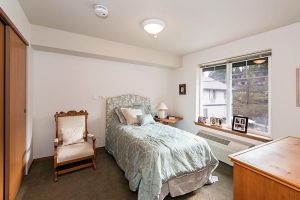
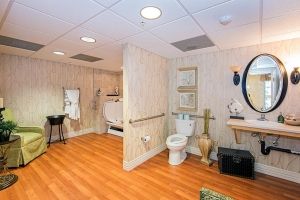
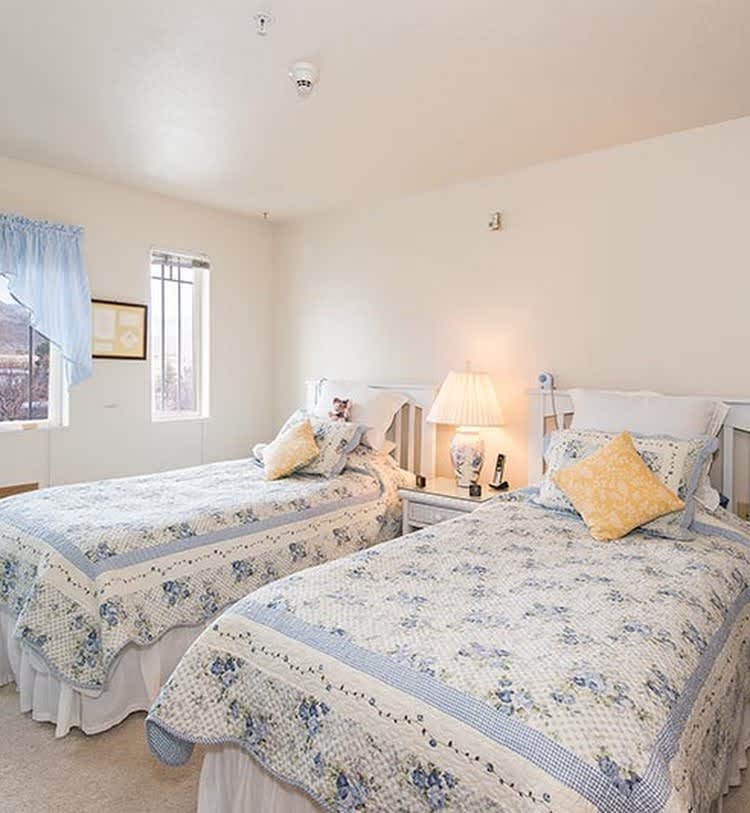
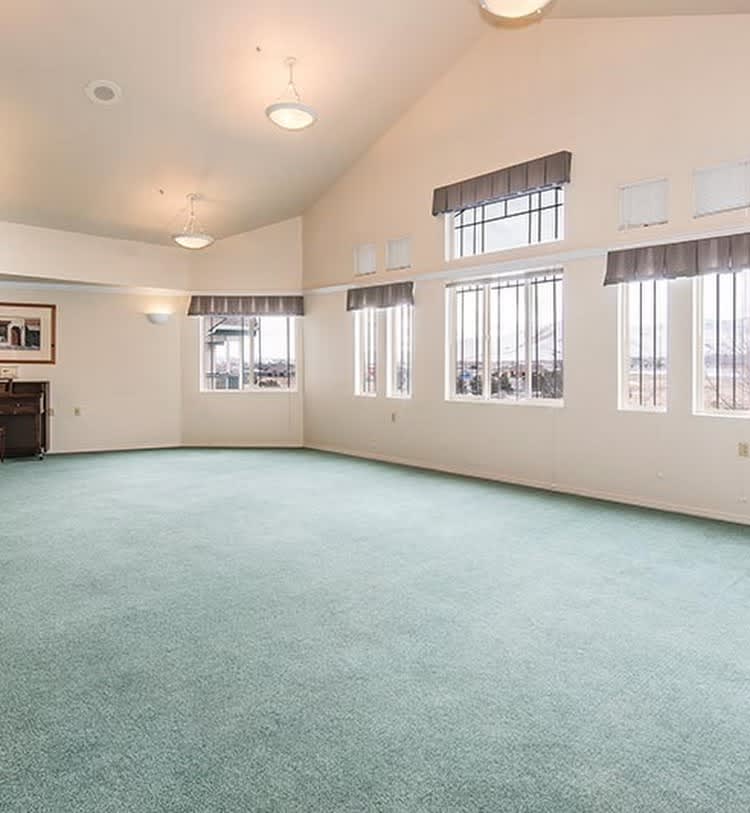
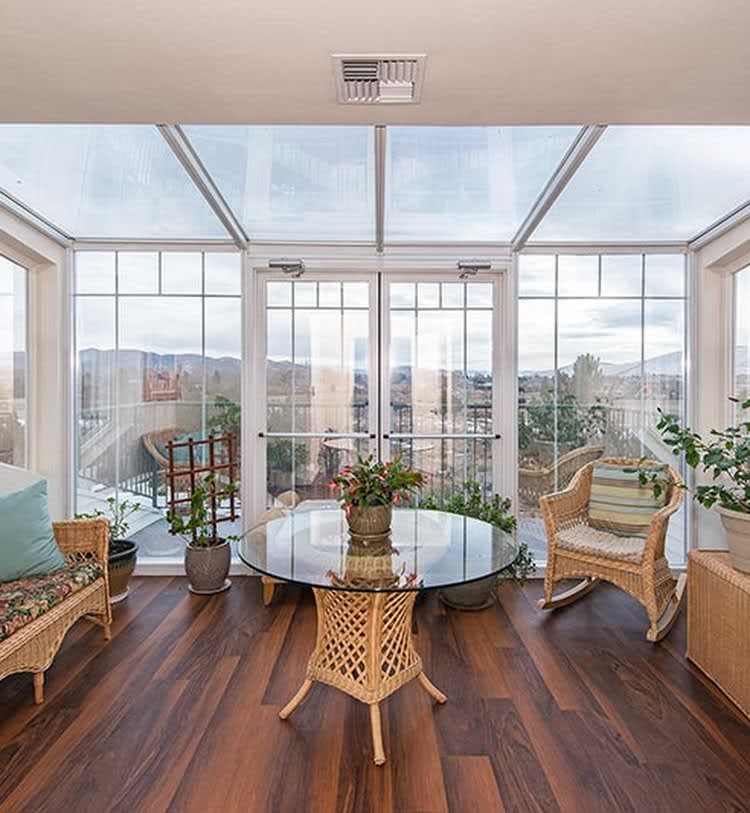
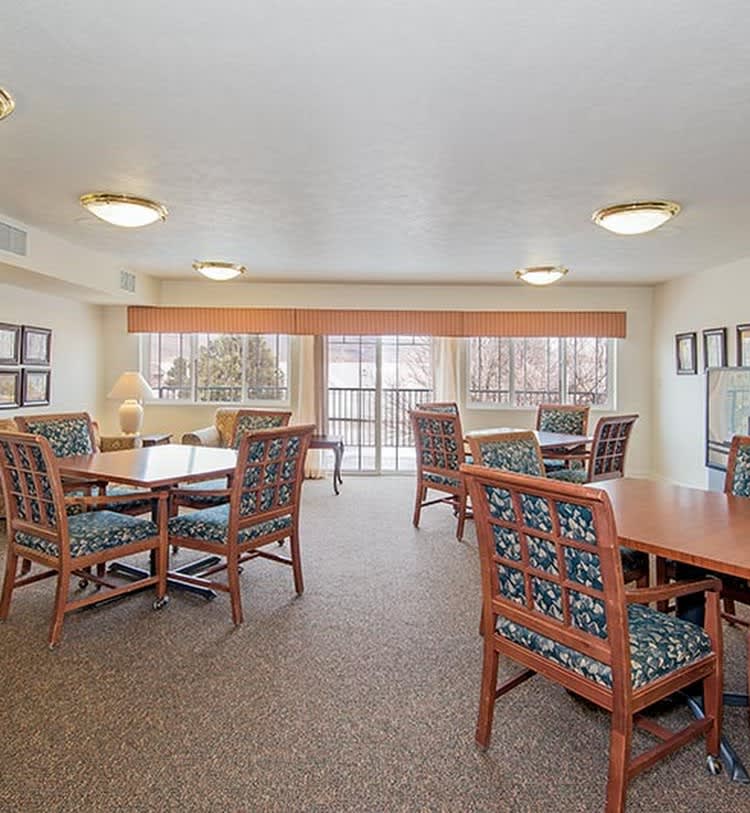
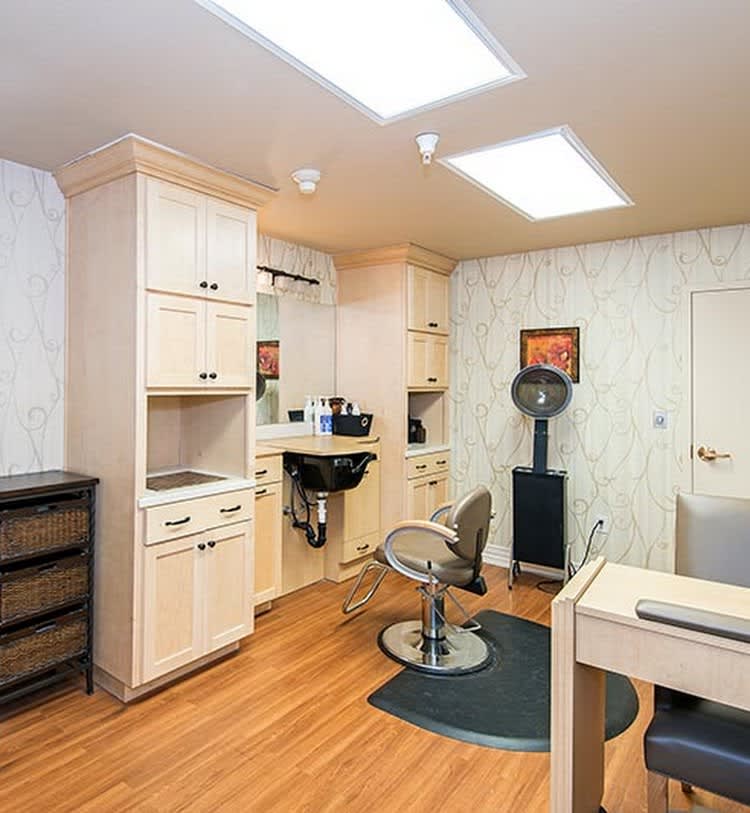
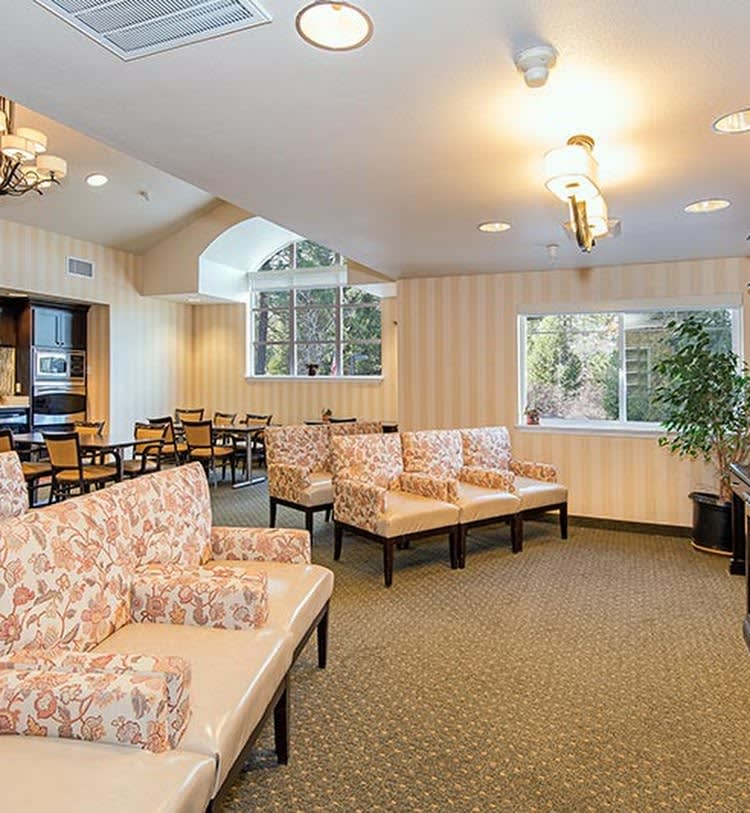
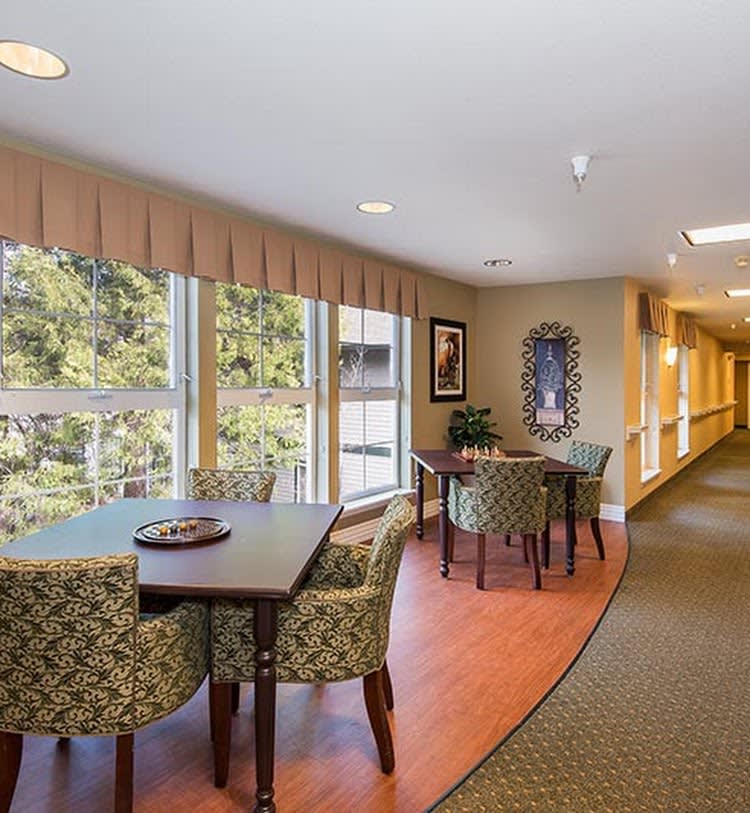
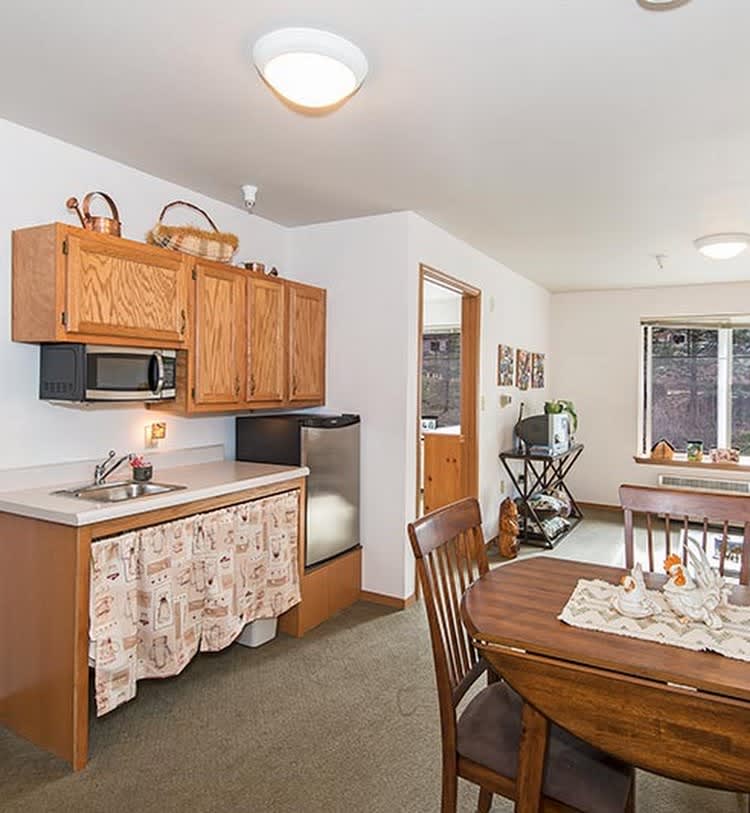
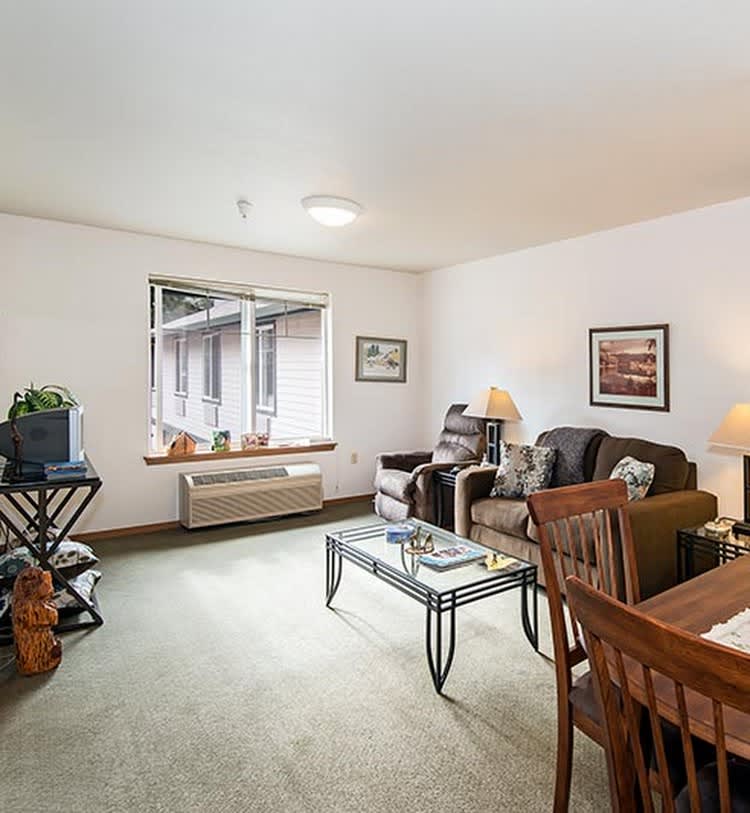
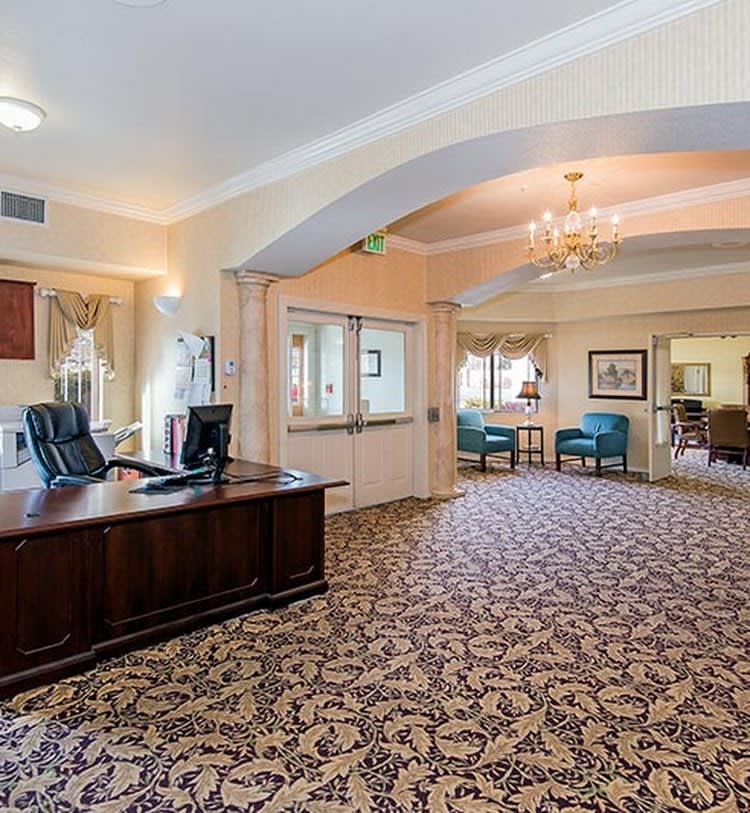
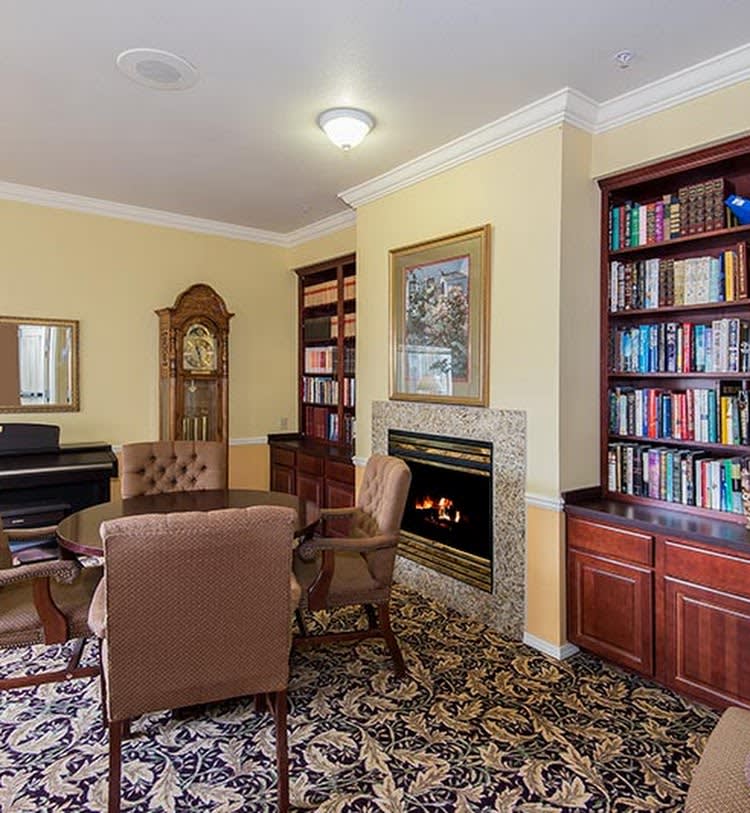
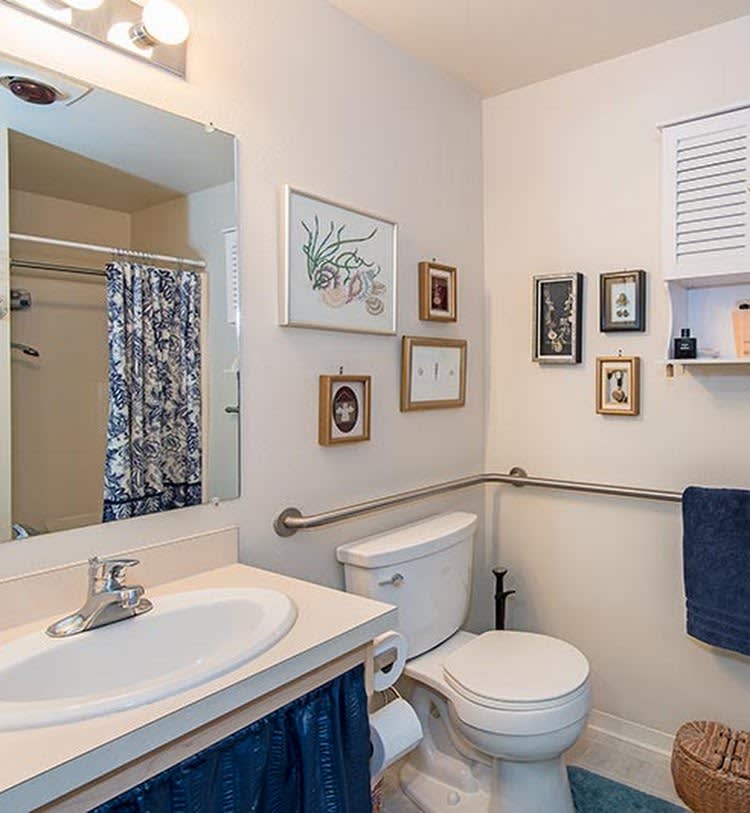
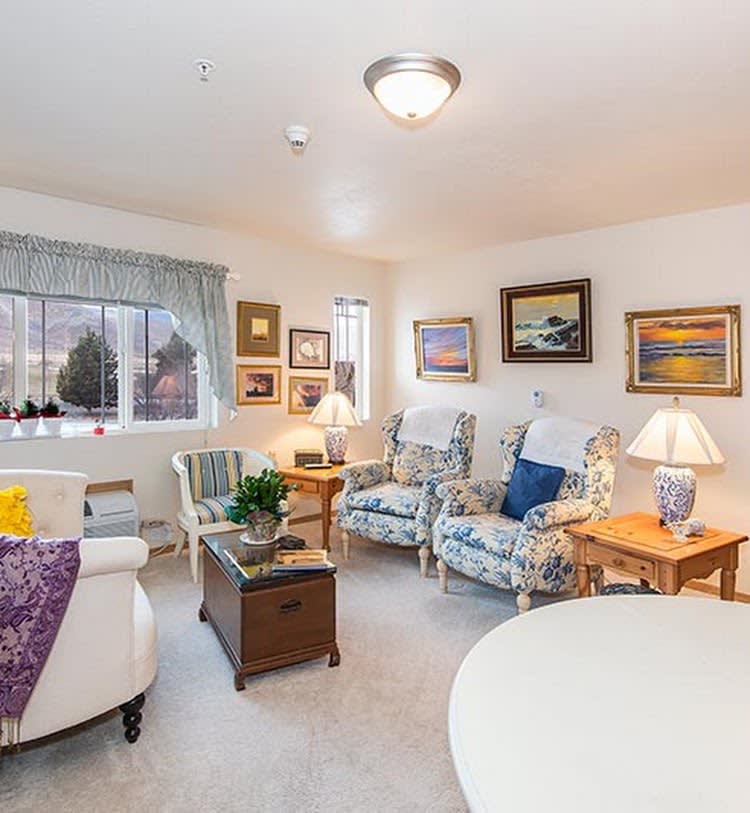
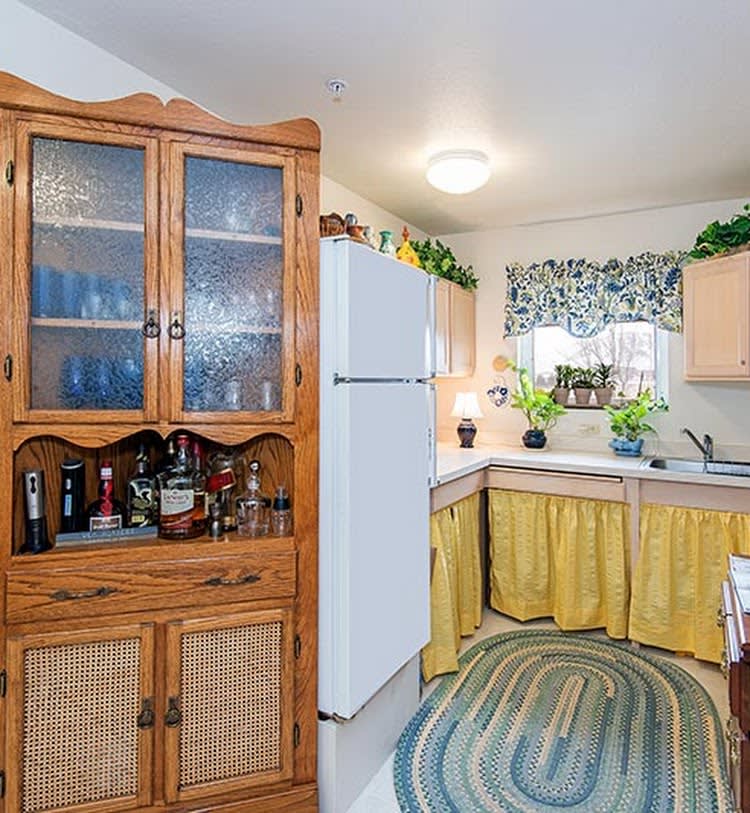
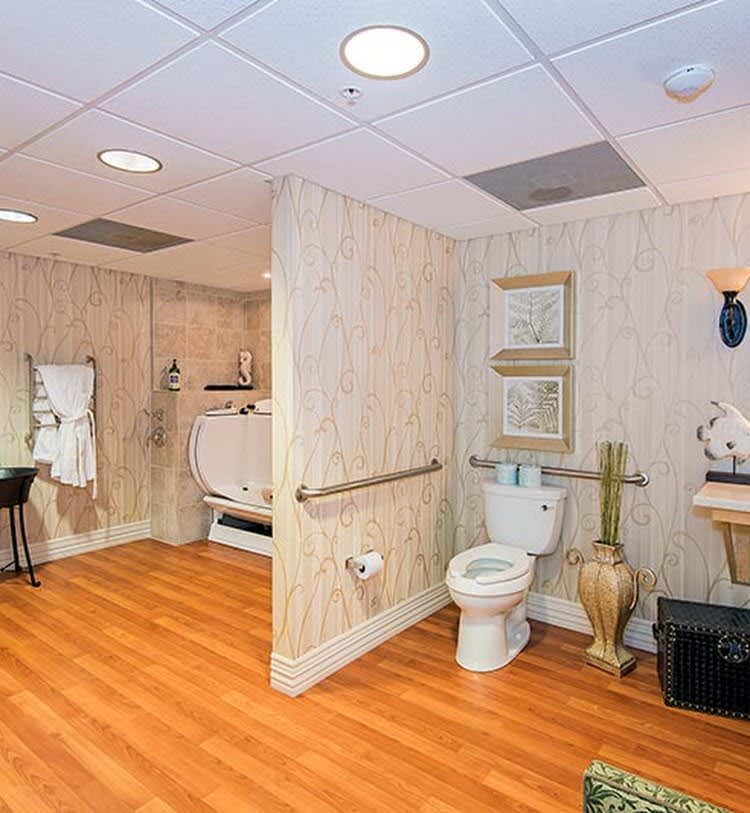
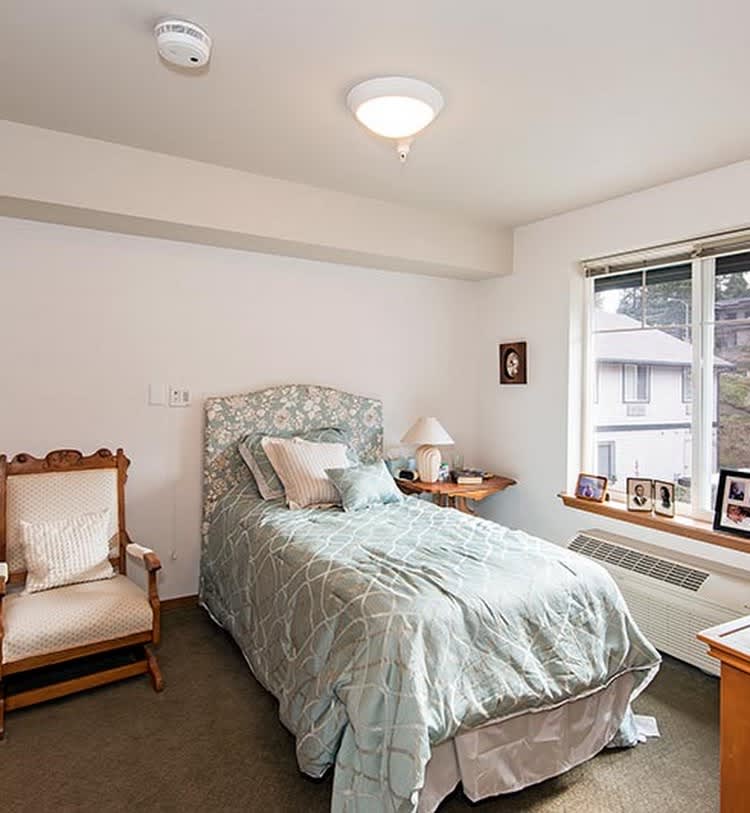
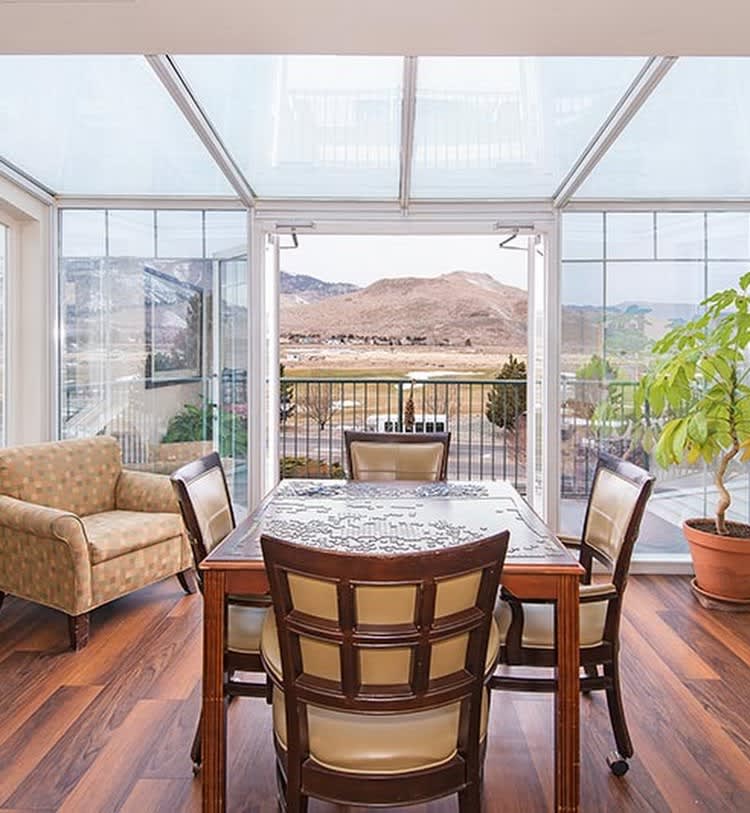
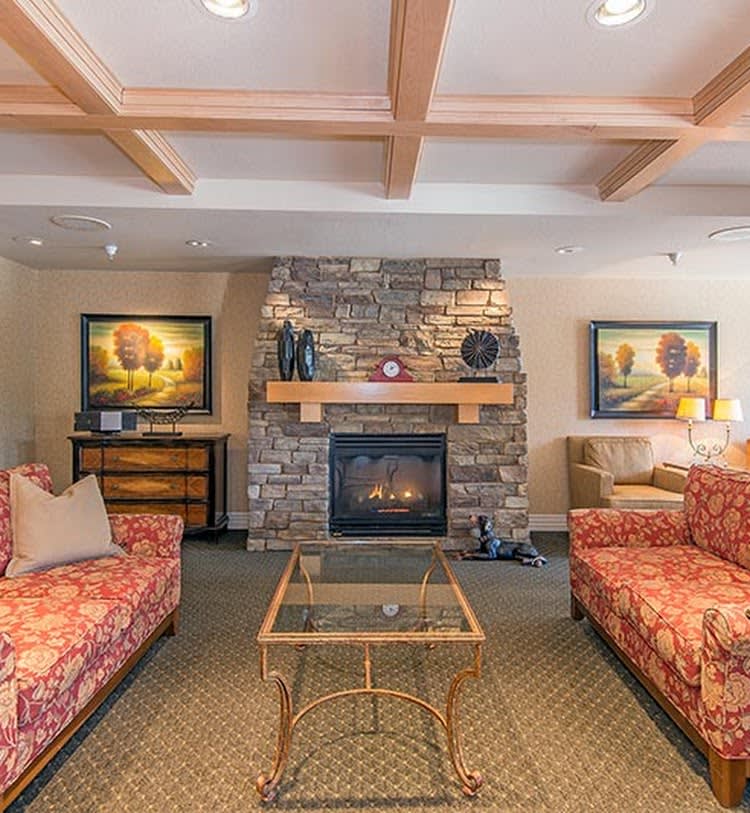
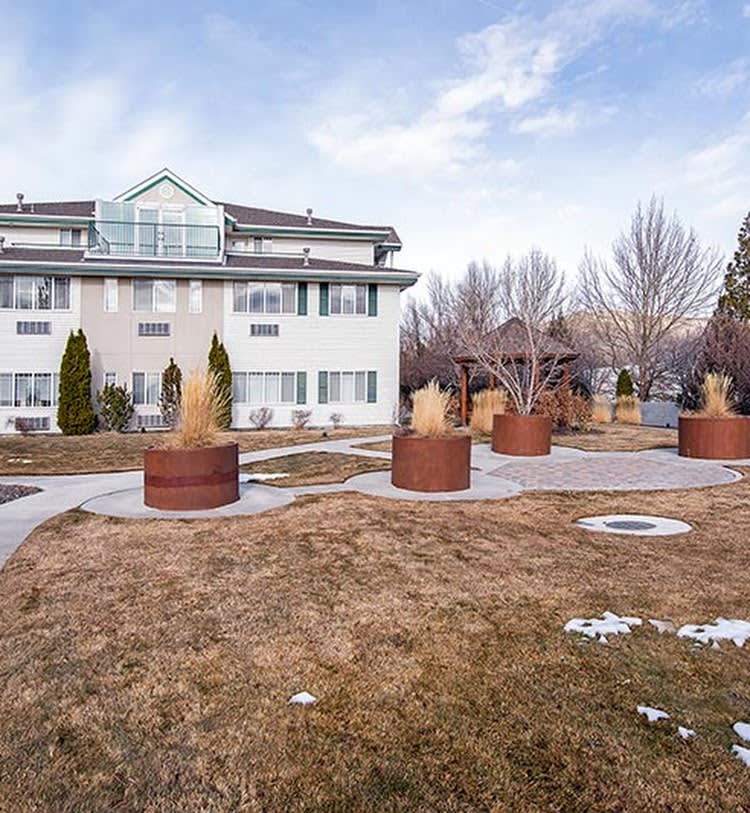
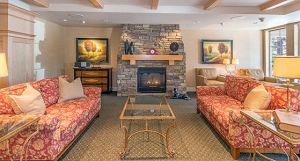
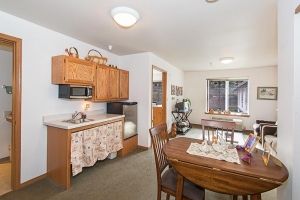
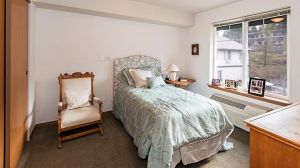
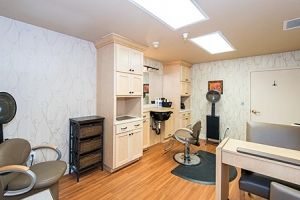
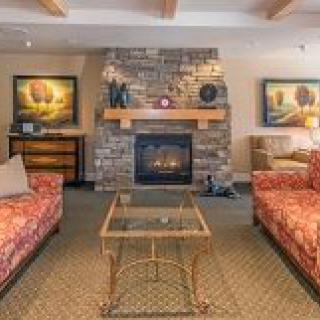
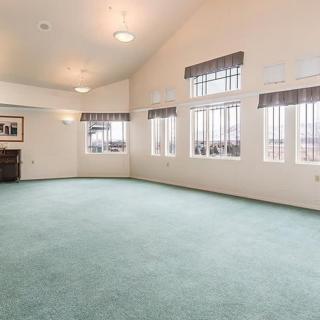
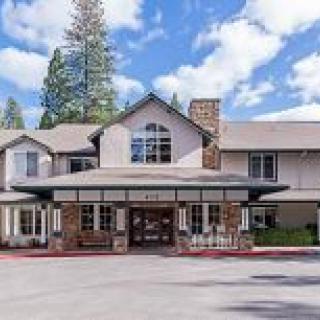
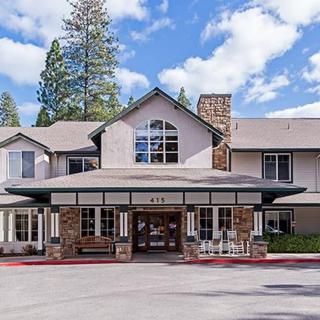
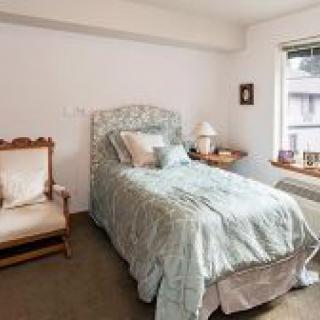
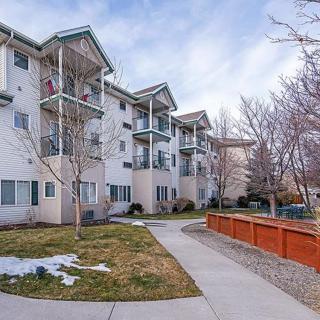
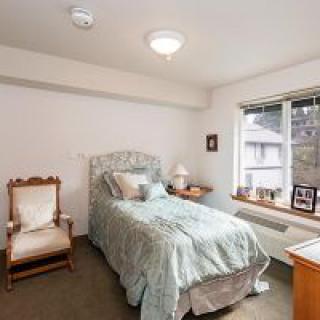
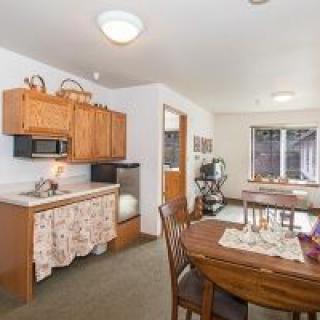
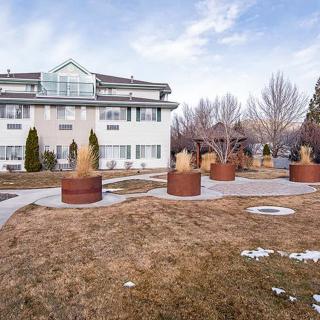
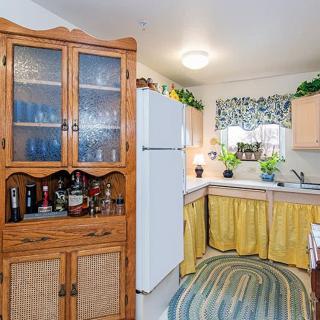
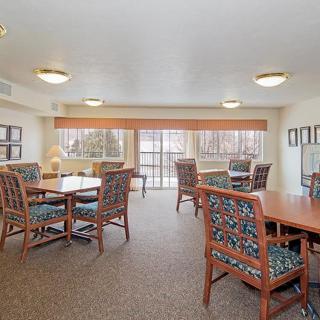
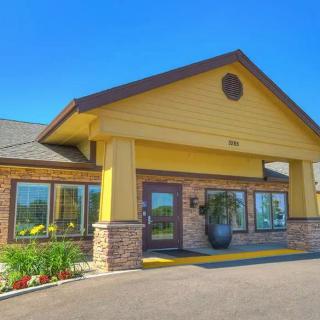
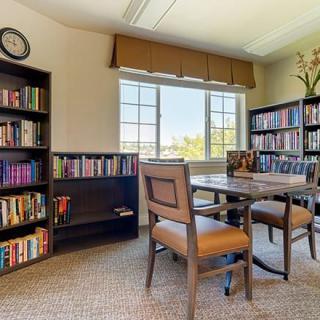
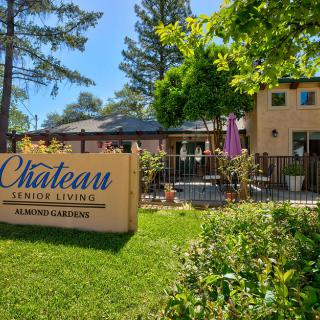
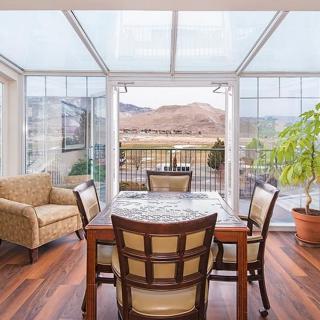
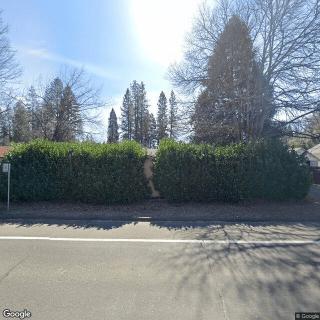
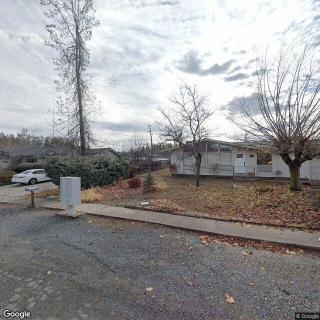
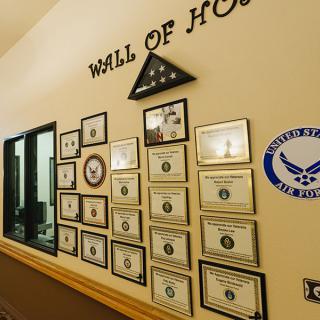
Cascades of Grass Valley on seniors.fyi includes 33 photos including images showing interior, decor, bedroom, windows, bathroom, dining, living room, trees, and more.
Nearby Communities
Eskaton Village Grass Valley
Grass Valley, CA
4.8 from 135 reviews
$4,154 to $6,184 / month
Warm, welcoming atmosphere with attentive staff and engaging activities.
Eastridge Apartments
Grass Valley, CA
3.7 from 3 reviews
Excellent access to healthcare and nearby amenities.
Alternate Care Home Care
Grass Valley, CA
Peaceful setting with extensive nearby amenities and healthcare access.
Wolf Creek Care Center
Grass Valley, CA
4.5 from 40 reviews
Helpful, pleasant staff with a clean facility and well-equipped amenities (exercise room, dining room, crafts area) and ample walking space.
Casey Family Home
Grass Valley, CA
Excellent access to healthcare and dining options nearby.
Golden Empire Convalscent Hosp
Grass Valley, CA
3.9 from 25 reviews
Some positive aspects; among the better local options.
Golden Empire Nursing & Rehab Center
Grass Valley, CA
3.9 from 30 reviews
Extensive on-site amenities and comprehensive care.
Atria Grass Valley
Grass Valley, CA
4.8 from 160 reviews
$3,795 to $6,295 / month
Friendly, attentive staff in a clean, upscale setting with diverse activities and strong communication with families.
The article compares assisted living and skilled nursing facilities, detailing their differing levels of assistance, medical support, cost structures, and day-to-day experiences. It emphasizes that assisted living is for those needing help with daily activities while maintaining independence, whereas skilled nursing facilities provide intensive medical care with 24-hour staff supervision.
Vibrant Senior Living emphasizes active senior living communities that promote independence and engagement through diverse amenities and activities, fostering wellness and social interaction among older adults. These communities range from independent to assisted living, with a focus on personal growth, family involvement, financial planning, and leveraging technology to enhance residents' experiences.
Assisted living provides moderate support for seniors seeking independence, while memory care offers specialized support for individuals with dementia or cognitive impairments through structured routines and trained staff. Key differences include care approaches, environment security measures, staff training levels, activity types, and cost considerations.
Get PricingAsk A QuestionSchedule A TourContact Senior Advisor
By clicking submit, you agree to our Partner's Terms of Use. You
also consent to receive calls and texts, which may be autodialed, from our Partner. Your consent is not a condition to
using our Partner's service. Please visit our Partner's Privacy Policy for information about their privacy practices.

 65 resident community capacity
 Studio apartments
 Assisted Living
 Independent Living
 Memory Care
 Cats allowed
 Dogs allowed
 Activities on-site
 Air-conditioning
 Beautician on-site
 Cable or satellite TV
 Computer center
 Devotional services off-site
 Dining room
 Financing advice
 Fitness room
 Fully furnished
 Gaming room
 Garden
 Ground floor units
 Handicap accessible
 Housekeeping services
 Indoor common areas
 Kitchenette
 Laundry
 Move-in coordination
 Outdoor common areas
 Party space
 Private bathrooms
 Respite or short term stays offered
 Restaurant-style dining
 Small library
 Telephone
 Wellness center
 Wheelchair accessible showers
 Wi-Fi/high-speed internet available
 Community operated transportation
 12-16 hour nursing
 24-hour call system
 Assistance with bathing
 Assistance with dressing
 Assistance with transfers
 Diabetes diet
 Diabetic care
 High acuity care
 Hospice care
 Incontinence care
 Medication management
 Mental wellness program
 Physical therapy
 Special dietary restrictions
 Transportation arrangement (medical)
 Art classes
 Bible study group
 Concierge services
 Cooking classes
 Day trips and outings
 Karaoke
 Wine tasting
 English
 Warm, welcoming atmosphere with attentive staff and engaging activities.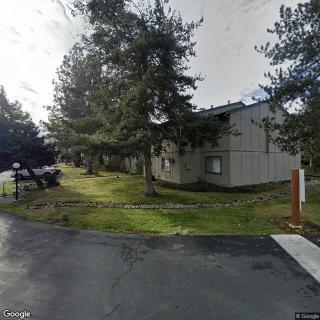



 Exploring the Contrasts Between Assisted Living and Skilled Nursing
 Vibrant Senior Living: A Comprehensive Guide for Active Older Adults
 Assisted Living and Memory Care: Understanding Their Core Differences