


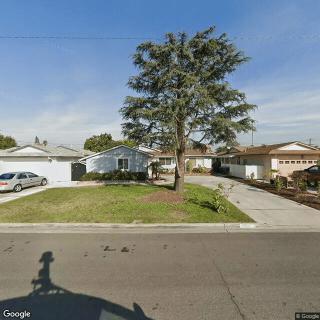
1355 South Concord Lane, Glendora, CA 91740
To contact a resident: (909) 477-1611
For more information about senior living options: (866) 208-4318
J & S Concord HomeCare Costs & Pricing
J & S Concord HomeCare offers competitive pricing for its services compared to the broader market in Los Angeles County and throughout California. The cost for a semi-private room at J & S Concord HomeCare is $2,000 per month, significantly lower than the county average of $3,349 and the state average of $3,333. Likewise, their private rooms are priced at $2,500, which also presents a more affordable option when contrasted with Los Angeles County's average of $4,197 and California's average of $3,939. This positions J & S Concord HomeCare as an attractive choice for individuals seeking quality care at a reasonable price in a challenging economic landscape.
| Floor plans | J & S Concord HomeCare | Los Angeles County | California |
|---|---|---|---|
| Semi-Private | $2,000 | $3,349 | $3,333 |
| Private | $2,500 | $4,197 | $3,939 |
Senior living communities with a similar price nearby
-
About the same
Angel's Care Guest Home
$2,000 to $3,000 / month22.5 miles away -
About the same

Tess Loving Home
$2,000 to $2,500 / month19.5 miles away -
from +$300 / mo

Bronwyn Residential Care
$2,300 to $3,500 / month21.4 miles away -
About the same

House Of Grace
$2,000 to $4,200 / month6.9 miles away -
About the same

Select Senior Care, LLC
$1,950 to $6,200 / month18.0 miles away
Overall Review of J & S Concord HomeCare
Pros
 The hospice patient was very well cared for up to the last breath.
- The staff are knowledgeable and proficient in everything they do.
- The teamwork among staff is superb.
- The care for loved ones is highly recommendable.
- The staff are always friendly and keep the facility clean.
- The facility is nice, clean, and pleasant.
- The property is cheery, airy, and welcoming.
- They are flexible and willing to meet residents' needs.
- The burgers are good.
Cons
 The facility leaves bed-bound patients waiting for hours without a call button.
- They withhold medications and fail to provide snacks with meds, leaving residents untreated for weeks.
- They force residents to take meds against their will and restrict outside time, meals, and smoking.
- They prioritize money over patient safety, and cleanliness is neglected, with odors of urine and feces.
- The building is dirty and many staff are lazy or unprofessional; a male staff member baths female residents, and management minimizes the concerns.
- There are claims of lies and cover-ups, with some alleging the facility is under investigation.
- A patient was left soiled and then placed in a driver’s car without warning or protection, indicating neglect.
- There are health and safety issues like cross-contamination, scabies outbreaks, unbandaged wounds, and residents without shoes.
Review
J & S Concord HomeCare in Glendora is best suited for families operating on a strict budget who need a very basic level of care and are prepared to supervise daily operations closely. The price pressure is a clear draw, and there are glimpses of workable care rhythms when staff are present and attentive. Yet this option hinges on tolerance for uneven care quality, gaps in responsiveness, and potential hygiene and safety concerns. It is not a premium care choice, but for households that cannot stretch to higher-end facilities, it can function as an interim or fallback if accompanied by vigilant oversight and a willingness to move if conditions worsen.
Those weighing alternatives should pay particular attention to safety, staffing stability, and strong clinical oversight. If reliable medication administration, prompt call-button response, and consistent infection control are non-negotiable, other communities with documented, cleaner records and more transparent leadership should be prioritized. For loved ones with dementia or behavioral health needs, or for families seeking a setting with clearly defined privacy, separate amenities, and dedicated memory-care resources, exploration of dedicated memory-care or higher-tier assisted living options is essential. In short, a facility with persistent management gaps or reputational red flags warrants a close look at alternatives.
The most tangible pros include moments of friendly, supportive interaction from individual caregivers, and a few notes that the environment can be calm and home-like when staff are engaged. There are references to decent common areas, a relatively spacious feel, and some staff members who convey genuine care. These positives, however, are unevenly distributed and do not reliably counterbalance the persistent risks flagged by multiple family members and visitors. The overall impression remains one of inconsistent execution, with several reviews highlighting failures in basic care delivery and daily operations.
By far the strongest reasons to move on are the repeated, credible concerns about safety and cleanliness. Reports describe a facility permeated by odors, inconsistent cleanliness, and issues with personal dignity and privacy in bathing practices, including male staff assisting female residents, an arrangement that raises legitimate privacy questions. Medication management is described as unreliable at times, with instances of missed doses or forceful coercion cited. Night-time responsiveness and call-bell issues compound risk for bed-bound or medically fragile residents, and there are alarming anecdotes about residents being left in soiled states or unprepared for transfers. Cross-contamination risks, supply irregularities, and accusations of deception or misrepresentation further undermine confidence in daily protections.
Decision-making should center on whether the current family tolerance for risk is sustainable and whether disciplined due diligence can improve the trajectory here. If choosing to intervene, insist on a comprehensive, written care plan, verify the licensing and inspection history, request direct conversations with current families about caregiver consistency, and insist on seeing recent incident logs and staffing schedules. Before committing, arrange multiple in-person visits at different times, test the response to a call button, and confirm that dietary, medication, and personal-care routines can be observed without barriers. Consider other local options with clearer safety records, better infection control, and transparent leadership to avoid placing a loved one in a high-risk environment.
In the end, J & S Concord HomeCare presents as a low-cost option with some redeeming attributes but marked by serious, frequently echoed concerns that cannot be ignored. For most families, especially those with higher care needs or tighter safety requirements, the prudent move is to pursue alternatives with proven staffing stability, stronger hygiene practices, and a track record of safeguarding residents’ dignity and medical needs. If exploration proceeds here, it should be with a definite plan to monitor, reassess, and transition promptly should the care quality fail to meet essential standards.
 Board and Care Home
 Activities off-site
 Beautician on-site
 Devotional services off-site
 Indoor common areas
 Outdoor common areas
 Private
 Private bathrooms
 Respite or short term stays offered
 Wheelchair accessible showers
 Ontario International (15 miles away)
 Ambulatory care
 Diabetic care
 High acuity care
 Incontinence care
 Medication management
 Meals provided






 Navigating Medicare Coverage for In-Home Care Services
 In-Home Care Costs in 2025: A Detailed State-by-State Exploration
 Understanding Home Health Care: A Comprehensive Guide