
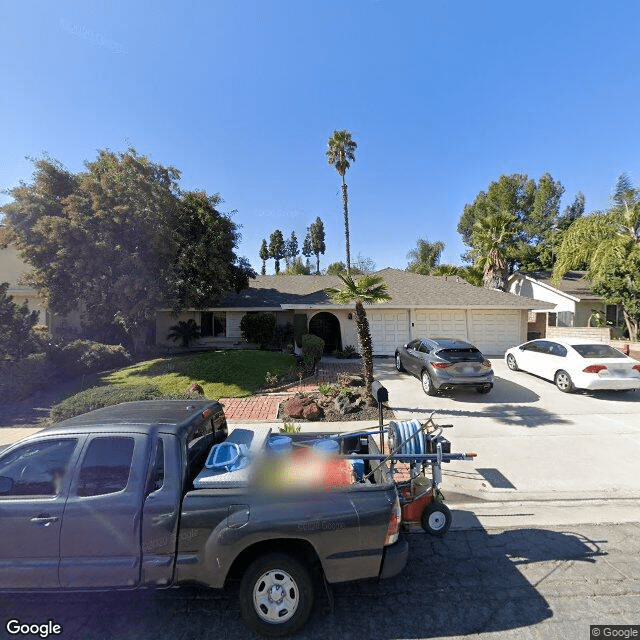
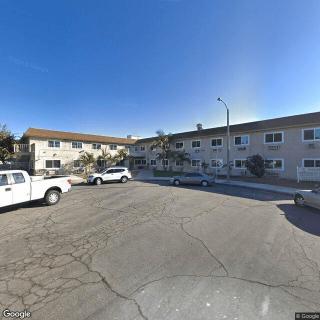
2209 Camino Del Sol, Fullerton, CA 92831
To contact a resident: (714) 253-6453
For more information about senior living options: (866) 208-4318
ARC Facilities at Camino II Costs & Pricing
At ARC Facilities at Camino II, the monthly costs for accommodations are notably competitive compared to both Orange County and the broader state of California. For a semi-private room, residents are charged $2,500, which significantly undercuts the average rates in Orange County ($3,431) and across California ($3,333). Similarly, for private rooms, Camino II offers a rate of $3,500 - again lower than Orange County's average of $4,104 and slightly above the state average of $3,939. These pricing structures reflect a commitment to providing affordable yet quality care options while ensuring that residents receive the support they need in a comfortable environment.
| Floor plans | ARC Facilities at Camino II | Orange County | California |
|---|---|---|---|
| Semi-Private | $2,500 | $3,431 | $3,333 |
| Private | $3,500 | $4,104 | $3,939 |
Senior living communities with a similar price nearby
-
from +$125 / mo

Berryman Health Inc
$2,625 to $3,050 / month7.3 miles away -
from +$300 / mo
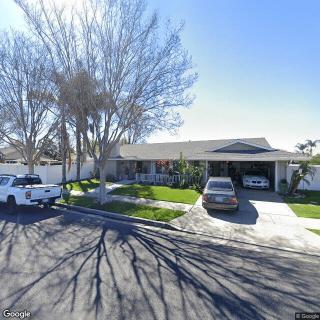
Candlewood Care Home III
$2,800 to $3,400 / month13.4 miles away -
from -$100 / mo
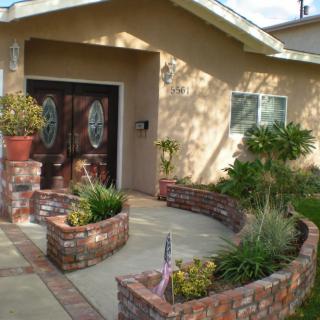
Living Well Care Home
$2,400 to $3,200 / month12.1 miles away -
from +$300 / mo
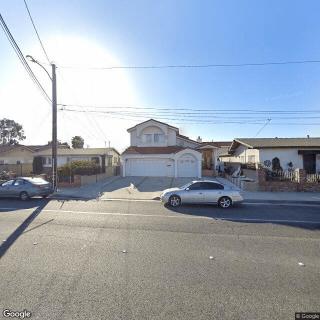
Leah Loving Elderly Care
$2,800 to $3,000 / month12.7 miles away -
from +$200 / mo
Loving Care Senior Home
$2,700 to $3,500 / month13.9 miles away
Overall Review of ARC Facilities at Camino II
Pros
 The facility provides diligent care for residents.
- It feels like a home and is secluded.
- It is really safe.
- The staff is very helpful with getting her off medications and helping her become more active.
- Mike Adams, who runs the place, is great and is there all day and on weekends.
- He is a strong person.
- She is doing very well there.
Cons
 She isn’t as mobile as she used to be because of the meds she was put on by the last place.
- The reviewer was worried that other places couldn’t handle her.
Review
ARC Facilities at Camino II in Fullerton is best suited for families seeking a compact, home-like setting where a loved one receives constant, hands-on oversight. The community shines for residents who benefit from intimate attention, predictable routines, and careful medication management within a safe, secluded environment. The leadership is highly present, Mike Adams runs the operation, with coverage through the day and on weekends, creating a continuity of care that reduces the anxiety families feel when care needs grow more complex. In this setting, care feels deliberate and personal rather than transactional, which matters when mobility, mood, and medication changes converge.
That said, this will not be the right fit for every senior or recovering individual. For anyone whose needs require extensive on-site rehab, 24/7 clinical nursing, or a highly active social calendar, larger communities with broader medical staff and more expansive therapeutic programming will be preferable. If the priority leans toward a more institutional footprint, a wider array of clinical supports, or aggressive, facility-wide activity offerings, alternatives will likely outperform Camino II.
The strongest positives are clear and substantial. The care staff demonstrates diligence and personal attention, with safety and calm living conditions embedded in daily life. The home-like, secluded vibe supports stability and reduces the stress that can accompany transitions to care settings. Leadership presence, highlighted by Adams’s on-site, near-constant availability, translates into timely decisions, coherent care planning, and a sense that someone is overseeing the entire trajectory. The team’s willingness to review medications and strategically work toward reducing psychotropic meds, while encouraging mobility within safe limits, points to a thoughtful, goal-oriented approach rather than a passive routine.
But the program’s tailored strengths come with natural limits. The emphasis on medication management and incremental activity progression signals a path that’s individualized but potentially constrained by the facility’s smaller scale. For residents needing intensive medical oversight, rapid medication adjustments, or highly structured rehabilitative services, Camino II may feel undersized. The intimate staff-to-resident dynamic is a strength, yet it can translate into fewer on-site options for crisis management, complex therapies, or emergency medical escalation compared with larger campuses.
Still, the advantages can easily outweigh these constraints for the right resident and family. The tight supervision and consistent leadership create a reliable safety net that is difficult to replicate in bigger settings, while the home atmosphere promotes cooperation with daily routines, meals, and personal dignity. The program’s focus on tapering psych meds, when clinically appropriate, paired with active efforts to restore activity contributes to meaningful, patient-centered progress that families often prize over a bustling activity calendar. Camino II trades breadth for depth: deeper, more attentive care and faster, more cohesive decision-making in a calm environment.
For families deciding whether Camino II is the right match, the bottom line is practical and clear. Choose this community when a loved one benefits from a small, protective setting with a consistently hands-on operator and a care team that is closely knit to the resident’s plan. Consider alternatives if the priority is a larger campus with expansive rehab services, more extensive medical staffing, or a wider range of social opportunities. In evaluating fit, arrange a focused visit to observe daily routines, meet Mike Adams, review the medication management protocol, and inquire about after-hours staffing and escalation procedures. Camino II delivers steady safety, dependable leadership, and personalized care, attributes that matter most when the aim is steady improvement within a trusted, home-like environment.
 Board and Care Home
 Private
 Long Beach (Daugherty) (13 miles away)
 Diabetic care




 Understanding the Sandwich Generation: Stress and Responsibilities for Multigenerational Caregivers
 8 Essential Assistive Devices for Older Adults
 Navigating the Financial Road to Nursing Home Care: In-Depth Guidance and Resources