
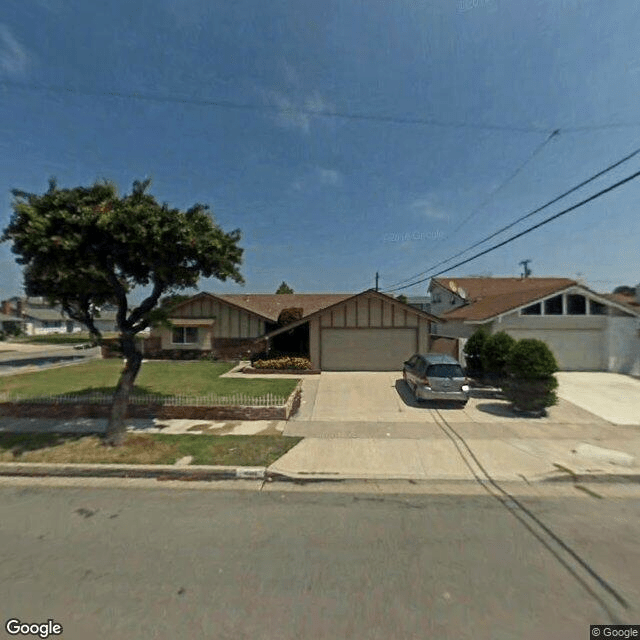
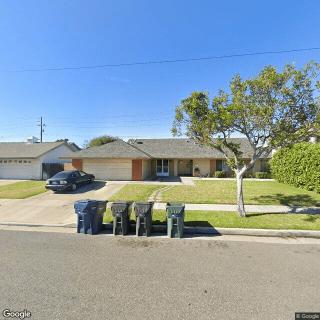
10413 Owl Circle, Fountain Valley, CA 92708
For more information about senior living options: (866) 208-4318
Valley Guest Home Costs & Pricing
Valley Guest Home offers competitive pricing for its residential services, particularly when compared to the broader market in Orange County and the state of California. For a private room, residents can expect to pay $4,500 per month, which is slightly higher than the average cost of $4,104 in Orange County but exceeds the state average of $3,939. When considering one-bedroom accommodations, Valley Guest Home's rate of $5,500 stands out as significantly higher than both local and statewide options; Orange County's average is $4,380 and California's is $4,340. This pricing structure may reflect the premium amenities or specialized care that Valley Guest Home provides, positioning it as a choice for those seeking quality and individualized attention in their living arrangements.
| Floor plans | Valley Guest Home | Orange County | California |
|---|---|---|---|
| Private | $4,500 | $4,104 | $3,939 |
| 1 Bedroom | $5,500 | $4,380 | $4,340 |
Memory care communities with a similar price nearby
-
from -$505 / mo
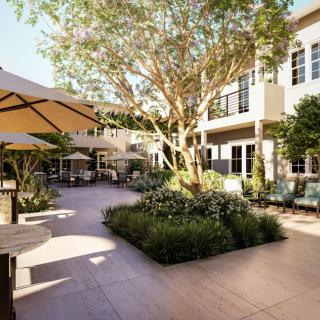
Cadence Brea
$3,995 to $5,500 / month16.1 miles away -
About the same
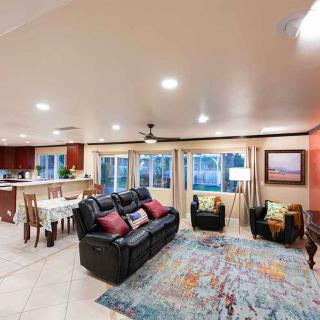
Casa Bella
$4,500 / month12.2 miles away -
from -$500 / mo
Active Senior Home Care
$4,000 to $5,000 / month17.0 miles away -
from -$500 / mo
Royal
$4,000 to $4,800 / month10.2 miles away -
from -$500 / mo
Queen's Home 2
$4,000 to $5,000 / month16.9 miles away
Overall Review of Valley Guest Home
Pros
 The Valley Guest Home is positive, caring, and reasonably priced.
- Even when staff are short-handed, residents are well taken care of.
- They were extremely pleased with Valley Guest Home where their grandma stayed for her last months.
- The owners and staff are communicative and involve the family in everything.
- The home even invited the family to a private Thanksgiving meal with their grandma.
- The food was home-cooked and tailored to her needs.
Cons
 They note that the staff can be short-handed at times.
Review
Valley Guest Home in Fountain Valley is best suited for families seeking a small, home-like setting for a senior who requires steady, compassionate daily care and a high degree of family involvement. It excels when the aim is warmth over formality: personal attention that feels more like a private residence than a sprawling campus, with meals prepared with real attention to taste and dietary needs. The community supports residents who are transitioning from larger facilities because they can no longer be adequately supported there, or who need end-of-life care where comfort, dignity, and familiar routines matter most. It’s not a big-box option; it’s a tight-knit, caregiver-led environment that prioritizes individualized attention over breadth of services.
Those who need intensive medical management, robust nurse staffing, or constant, around-the-clock supervision may want to consider alternatives. Similarly, families seeking a wide array of structured activities, specialized memory-care programming, or deeper medical oversight may find the footprint and resources here limiting. The setting works best when a resident benefits from a calm, home atmosphere and a smaller team that can tailor care to fluctuating needs; for residents requiring frequent, high-level clinical intervention, a larger licensed community could be a safer fit.
On the positives, the care is framed by genuine attentiveness. Families report staff who stay engaged, communicate clearly, and involve relatives in plans and decisions. The personal touch extends to daily life, home-cooked meals that are adapted to individual dietary needs, and a willingness to include family in meaningful moments, such as private meals to honor a loved one. That level of involvement tends to translate into a sense of security and continuity for residents in their final months, a critical factor when comfort and peace of mind trump bells and whistles. The intimate setting reinforces trust, and the focus on individualized routines helps residents maintain dignity and familiarity.
Arranging care in a smaller home setting also means operations can feel less transactional and more collaborative. Residents often receive more hands-on attention, and staff can observe subtle changes quickly. The flip side is that staffing can be uneven at times, and the intimate environment can limit the breadth of activities or the pace of service when demand rises. The consensus acknowledges occasional short-handedness, which can slow response times or scheduling, though the core caregiving remains steady and sincere. For families, that trade-off is acceptable when the priority is a dignified, intimate living arrangement that honors routine and relationships.
Pricing emerges as a meaningful strength. When compared with larger options, Valley Guest Home appears reasonably priced for the level of care, convenience, and the home atmosphere offered. The value is underscored by tangible benefits: customized meals, open communication, and a caregiver team inclined to involve families rather than gatekeep information. While cheaper is not guaranteed in every case, this context suggests a favorable balance between cost and the emotional return of a home environment where the resident is known personally by staff. The financial picture aligns well with the promise of a calm, supportive environment that emphasizes quality of life over quantity of services.
Bottom line: Valley Guest Home is a strong fit for seniors who no longer thrive in a big facility but still need reliable, affectionate daily support and a family-centered approach. It is particularly well-suited for end-of-life care where a peaceful, homelike setting and ongoing family involvement are paramount. Those seeking comprehensive medical management, advanced memory-care programming, or a setting with a broad activity calendar should weigh alternatives. The proven strengths, authentic care, transparent communication, and meals that feel like home, offset the notable cons by delivering a genuinely humane care experience. Prospective families should visit, meet the caregivers, review a typical day, and confirm staffing patterns and meal customization to ensure alignment with expectations.
 6 resident community capacity
 Assisted Living
 Board and Care Home
 Memory Care
 Activities on-site
 Bath tubs
 Cable or satellite TV
 Dining room
 Fully furnished
 Garden
 Housekeeping services
 Indoor common areas
 Move-in coordination
 Outdoor common areas
 Private
 Private bathrooms
 Respite or short term stays offered
 Telephone
 Wi-Fi/high-speed internet available
 John Wayne Orange Co (5 miles away)
 24-hour supervision
 Ambulatory care
 Assistance with bathing
 Assistance with dressing
 Assistance with transfers
 Diabetes diet
 High acuity care
 Meal preparation and service
 Medication management
 Special dietary restrictions
 Transportation arrangement (medical)
 Transportation to doctors appointments
 BBQs or picnics
 Birthday parties
 Brain fitness
 Catholic services


 Vibrant Senior Living: A Comprehensive Guide for Active Older Adults
 Assisted Living and Memory Care: Understanding Their Core Differences
 Choosing the Right Senior Care: A Detailed Exploration of Assisted Living and Nursing Homes