
2769 Bradbury Way, Fairfield, CA 94534
For more information about senior living options: (866) 208-4318
Overall Review of Haven's House Of Assisted Living
Pros
 The staff at Paradise Valley Residential Care Home are wonderful and caring.
- Danny and Vivien, under Ed Gadia's direction, provided excellent care for their mom, including during advanced Alzheimer's.
- The care extended her time beyond what doctors had thought possible.
- The staff were communicative and the ones who contacted the family when the mother was sick or going to the ER.
- The facility is peaceful and beautiful, and the staff are highly qualified.
- The staff treated residents like family.
Cons
 One reviewer cautioned that the home should not be chosen for loved ones who need a lot of assistance.
- They stated the staff are older than would be expected to care for a whole home of patients.
- They reported that a loved one was sent to the ER and then told she couldn't come back.
- They claimed that families who raise concerns are labeled as "difficult."
- They criticized the facility for not accommodating multiple food allergies like gluten, dairy, and soy.
- They described Mr. Gadia as unprofessional and acting like he owns the care home.
Review
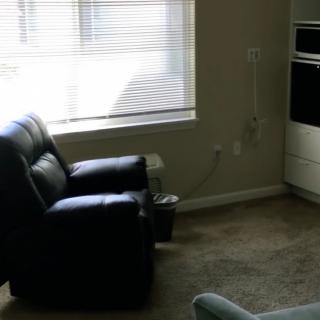
Haven’s House of Assisted Living in Fairfield is best suited for families seeking a small, home-like setting where caregivers provide hands-on, compassionate support for seniors with dementia or after significant health events. The collected experiences depict a residence style that emphasizes intimate daily care, personal attention, and a peaceful atmosphere. When a loved one thrives under warm, consistent interaction, enjoys a homier routine, and benefits from staff who form meaningful relationships, Haven’s House can feel like a natural extension of family life. The environment, rooms with easy access to outdoor spaces and a calm, domestic pace, supports dignity, familiarity, and gradual independence, which matters greatly for memory care and recovery after strokes.
Those weighing Haven’s House against alternatives should consider that not every senior will fit this model. For residents with high medical complexity, constant clinical oversight, or strict dietary needs, a larger, hospital-like facility with more on-site medical resources may be a better match. Several reviews underscore that when families require rapid ER coordination, frequent medical interventions, or highly specialized dietary accommodations (gluten, dairy, soy, etc.), a smaller home setting can struggle to keep pace. In addition, some staff dynamics can influence outcomes, older caregiving teams, language barriers, or management styles perceived as rigid or unresponsive, potentially complicating care for families that prioritize seamless communication and flexibility.
The strongest positives center on genuine caregiver dedication, clear family contact, and a home atmosphere that reduces stress for residents and visitors alike. The reviews repeatedly highlight staff who treat residents with kindness, engage them in daily activities, and communicate with families about health changes or needs. When a loved one requires dementia-focused engagement or attentive post-stroke care, these attributes can meaningfully extend comfort and quality of life. The sense of being welcomed, the willingness to tailor routines, and the feeling that staff truly “treat residents like family” are meaningful offsets to the residence’s limitations, especially for families who value warmth and steady reassurance over clinical formality.
A candid look at the drawbacks is necessary for prudent decision-making. Potential concerns include language barriers among some caregivers, which can hinder precise explanations or timely escalation of issues; the perceived seniority of staff limiting stamina for overnight or intensive caregiving in demanding moments; and anecdotes about an administration style that can feel punitive to families who question care decisions. There is also the risk that rigid policies or a reputation for downsizing or dismissing concerns may erode trust when a situation calls for advocacy on behalf of a loved one. Dietary restrictions and allergy accommodations are another area where expectations must be clearly aligned with actual practice.
To evaluate Haven’s House effectively, families should insist on concrete details during tours and discussions. Inquire about night-time coverage, response times, and processes for medication management; ask how health changes are communicated and how families are included in care planning. Confirm dietary protocols, allergy management, and the availability of nutritionist input or meal customization. Probe staff language capabilities and translation options, staff turnover rates, and whether there is on-site medical oversight or easy access to emergency services. Seek clarity on admission and readmission policies after hospital stays and how transitions are handled, since these moments reveal much about organizational responsiveness and resident safety.
Ultimately, Haven’s House presents a practical choice for families prioritizing a warm, intimate care setting with attentive, resident-centered staff. If the priority is a steady daily life, strong caregiver-resident bonds, and transparent family communication, the residence can deliver meaningful value for dementia and post-acute needs. Conversely, if medical complexity, highly specialized dietary requirements, or an insistence on unfaltering English-only communication and flexible administrative responsiveness are nonnegotiables, exploring alternatives with more robust clinical resources and higher language-consistency may be prudent. The decision should hinge on aligning the home’s strengths, care continuity, warmth, and routine, with the specific health and communication needs of the loved one.
 4 resident community capacity
 Assisted Living
 Cable or satellite TV
 Dining room
 Fully furnished
 Garden
 Housekeeping services
 Move-in coordination
 Outdoor space
 Telephone
 Wi-Fi/high-speed internet available
 24-hour supervision
 Activities of daily living assistance
 Assistance with bathing
 Assistance with dressing
 Assistance with transfers
 Diabetes diet
 Meal preparation and service
 Medication management
 Special dietary restrictions
 Transportation arrangement (medical)
 Transportation to doctors appointments





 Exploring the Path to Senior Living: A Comprehensive Look at Independent Living and Assisted Living
 Is Assisted Living Deductible on Your Taxes? Understanding the Complexities of Assisted Living Expenses and Deductions
 Assisted Living Support for Veterans: A Complete and Detailed Overview