

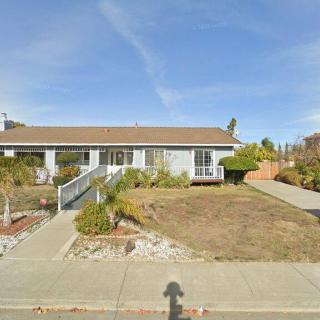
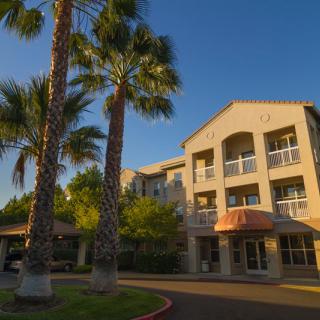
4526 Tolenas Avenue, Fairfield, CA 94533
For more information about senior living options: (866) 208-4318
Fairfield Meadows Costs & Pricing
At Fairfield Meadows, the monthly costs for both semi-private and private rooms present a more economical option compared to the average rates in Solano County and across California. A semi-private room at Fairfield Meadows is priced at $1,500, significantly lower than the county's average of $2,762 and the state's average of $3,333. Similarly, the private room rate at Fairfield Meadows stands at $1,800, which also contrasts favorably with Solano County's average of $3,482 and California's overall average of $3,939. This competitive pricing makes Fairfield Meadows an attractive choice for individuals seeking quality accommodations without compromising financial stability.
| Floor plans | Fairfield Meadows | Solano County | California |
|---|---|---|---|
| Semi-Private | $1,500 | $2,762 | $3,333 |
| Private | $1,800 | $3,482 | $3,939 |
Assisted Living communities with a similar price nearby
-
from +$100 / mo
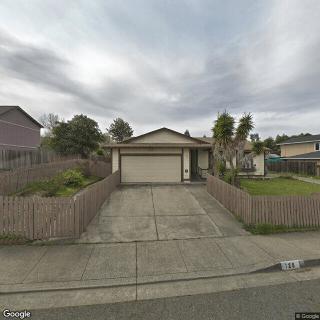
The Isles Assisted Living Facility
$1,600 to $2,000 / month15.3 miles away -
About the same
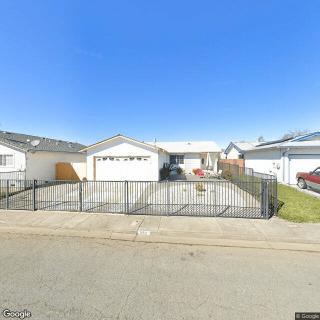
Ward Residential Care Home
$1,500 to $2,500 / month16.4 miles away -
About the same
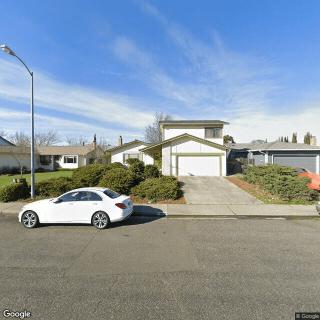
Hart's Residential
$1,500 to $2,000 / month0.2 miles away -
About the same
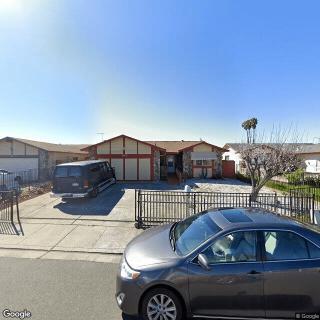
Avelina Francisca Care Home II
$1,500 to $1,800 / month16.7 miles away -
from +$200 / mo
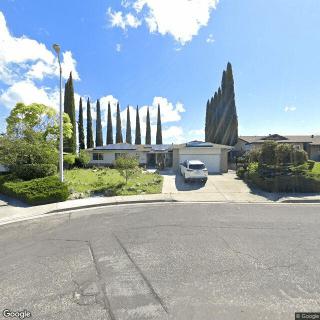
Cobblestone Care Home
$1,700 to $3,200 / month22.3 miles away
Overall Review of Fairfield Meadows
Pros
 The spirit at Paradise Valley Estates is described as happy, friendly, and welcoming.
- It is considered the best move for people in their mid-70s, providing peace of mind and access to higher levels of care when needed.
- Residents enjoy making new friends and participating in a wide range of activities, including lectures and language classes.
- The community is a secure gated setting with 75 acres of grounds for beautiful walks.
- Dining is plentiful, varied, and delicious, with vegan and vegetarian options and multiple venues.
- The campus is beautiful and expansive, offering hillside views and a nearby golf course.
- There are more activities than any one person can participate in, with opportunities to develop interests and help others.
- The staff are friendly, helpful, and well-trained, and residents meet interesting, friendly people daily.
- The location is convenient and scenic, situated near major destinations and amenities.
Cons
 Residents are disappointed that the main dining room has been closed for daily dining.
- PVE management does not seem to fully understand the importance of the main dining room.
- PVE management appears to be using Covid as an excuse to avoid returning to normal use of the main dining room.
- The Oak dining room is not an easy walk from several buildings, and driving is not an option for many residents who no longer drive.
- A major reason their parents moved out of PVE was the closure of the main dining room.
Review
Paradise Valley Estates is best suited for active, socially engaged seniors and couples who want a generous, scenic campus with a built-in support network that can grow with health needs. The community thrives on movement, learning, and connection: a 75-acre setting with single-level cottages and duplex homes, abundant greenspace, and views of hills and a neighboring golf course. Residents routinely cite an exceptionally welcoming atmosphere, a robust menu of activities from pickleball to lectures, and a culture that prizes health, wellness, and mutual helpfulness. For families, the appeal is peace of mind: a place where meaningful friendships form quickly, and where a transition to assisted living or nursing care can occur on-site without uprooting life entirely. The location, between major Bay Area destinations and a short drive to wine country, adds practical convenience for visits and excursions.
That said, this community will not fit every senior’s preferences, and some should consider alternatives. A central friction point is dining accessibility. The main dining room, once a daily social anchor and convenient pathway for exercise and community interaction, has been closed, and the Oak dining room sits at a distance from many buildings. For residents who no longer drive, or who value a straightforward, centralized dining routine, this arrangement can erode the rhythm of daily life and social continuity. While management argues this shift aligns with evolving needs and staffing realities, residents who prize easy, predictable access to meals may find the current setup a meaningful drawback.
The strongest compensation for that dining challenge lies in the depth and breadth of on-campus offerings. The community’s pros consistently offset the dining frustration: generous living spaces with varied layouts, a campus-wide culture of friendliness, and an active calendar that practically guarantees there is always something to do. Residents report thriving in a broad ecosystem, music activities, chorale opportunities, bocce, fitness classes, balance and meditation, and frequent talks by in-house and external experts. The dining variety remains a strength when meals are accessible, with plentiful, flavorful options, vegan and vegetarian choices, and multiple venues for culinary experiences. In short, the social fabric and wellness orientation provide substantial ballast against the main con.
Care continuity is a notable, often underappreciated benefit. Several long-term residents recount how the campus smoothly facilitates transitions when health needs escalate. One account describes a stay in an acute nursing facility followed by assisted living that still preserved familiar surroundings and a strong staff network, underscoring the campus’s ability to deliver high-quality care without forcing a move to a distant facility. The resident-to-staff dynamic is consistently described as genuine and helpful, with staff members who are warm, reachable, and well trained. Even amid occasional operational friction, these care strengths create a powerful counterweight to the challenges of dining access and mobility within the main dining route.
Nevertheless, governance and execution will matter to prospective residents. Some families note signs of strain in areas like dining strategy and building accessibility, and a portion of residents have expressed concern about the management’s responsiveness and communication. These threads do not negate the many positives, but they do color the decision, especially for households that place a premium on seamless daily routines and predictable meal options. The best path forward is to probe how dining logistics and campus walkability are managed in practice, and to seek clarity on any planned improvements, timelines, and alternative arrangements that would restore preferred levels of convenience and social activity.
For families weighing options, the bottom line is clear: Paradise Valley Estates delivers a compelling, vibrant, and caring environment for independent living with a ready-made community and a strong wellness ethos. It excels for those who want active engagement, meaningful relationships, and on-site care that can evolve with health needs, all on a lush, generously sized campus. If daily dining accessibility and easy pedestrian access to meals are nonnegotiable, or if concern about leadership responsiveness weighs heavily, alternatives with more centralized dining structures or tighter walkability may be worth exploring. A thoughtful visit should include a thorough tour focused on dining routes, staffing schedules, and the latest plans to address the Oak dining room accessibility, ensuring the decision aligns with the resident’s day-to-day life and family expectations.
 6 resident community capacity
 Assisted Living
 Board and Care Home
 Cable or satellite TV
 Dining room
 Fully furnished
 Garden
 Housekeeping services
 Move-in coordination
 Outdoor space
 Private
 Telephone
 Wi-Fi/high-speed internet available
 24-hour supervision
 Activities of daily living assistance
 Assistance with bathing
 Assistance with dressing
 Assistance with transfers
 Diabetes diet
 Meal preparation and service
 Medication management
 Special dietary restrictions
 Transportation arrangement (medical)
 Transportation to doctors appointments

 Comprehensive Residential Support and Assisted Living Solutions for Individuals with Disabilities
 Comprehensive Supportive Living Arrangements for Adults with Disabilities
 Funding and Affording Assisted Living: A Thorough Overview