
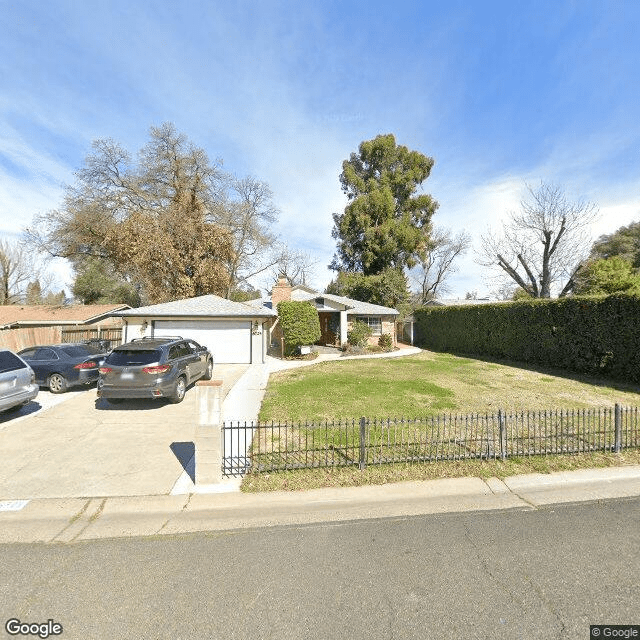
6725 Lincoln Oaks Drive, Fair Oaks, CA 95628
For more information about senior living options: (866) 208-4318
Mission Home Care II Costs & Pricing
Mission Home Care II offers competitive pricing for its care services, particularly when compared to both Sacramento County and the broader California market. For a semi-private room at Mission Home Care II, residents pay $2,500 per month, significantly less than the county average of $3,106 and the state average of $3,333. The private room option is also attractively priced at $3,000, which is lower than both the county's average of $3,686 and California's average of $3,939. Additionally, those seeking a one-bedroom accommodation will find Mission Home Care II's rate of $3,400 to be more affordable than the Sacramento County average ($3,758) and the state's average ($4,340). Overall, Mission Home Care II presents cost-effective alternatives for families looking for quality care without compromising on comfort or support.
| Floor plans | Mission Home Care II | Sacramento County | California |
|---|---|---|---|
| Semi-Private | $2,500 | $3,106 | $3,333 |
| Private | $3,000 | $3,686 | $3,939 |
| 1 Bedroom | $3,400 | $3,758 | $4,340 |
Memory care communities with a similar price nearby
-
About the same
Eastern Manor
$2,500 to $3,000 / month4.8 miles away -
About the same
A.R.C. Manor of Folsom
$2,500 to $3,500 / month6.4 miles away -
from +$300 / mo

American River Care Home
$2,800 to $3,000 / month5.0 miles away -
About the same
Loomis Home Care
$2,500 to $4,000 / month13.2 miles away -
from +$300 / mo
Golden Girls
$2,800 to $3,000 / month17.0 miles away
Overall Review of Mission Home Care II
Pros
 Grandma feels at home.
- The food is very good, and the staff are friendly and professional.
- The home is warm and welcoming.
- Families are kept informed about changes in residents’ health.
- The staff make residents feel special and part of a family.
- Rooms and the home are clean, neat, and well maintained.
Cons
 The reviewer noted a lack of planned activities for mental care residents, which they considered crucial to quality of life.
- The reviewer felt the home would not be a good fit for their mother-in-law because male residents were present.
Review
Mission Home Care II in Fair Oaks is best suited for families seeking a warm, home-like setting where a parent can feel truly part of a family and where staff know residents well and communicate promptly about health changes. This community shines for residents who can manage light to moderate assistance, appreciate reliably good meals, and value a culture of personal attention and comfort. It is especially well-mitted for families that want transparent, frequent updates and a care team that treats health transitions, like hospitalizations or rehab, delicately and with hands-on coordination.
Those considering alternatives should note several caveats. Residents needing robust cognitive support or specialized memory-care programming will likely tire of the limited structured activities and mental-stimulation options. The setting leans toward a personal, intimate feel rather than a large, program-driven community. Private-room expectations also matter: some rooms are private, others share baths, which may be a non-starter for families prioritizing maximum privacy. Finally, as a smaller operation, it may not suit households seeking a big, gender-balanced population or extensive on-site social programming.
The strongest pros, an home atmosphere, compassionate leadership, and dependable family communication, strongly offset the noted drawbacks. The owner-operators convey competence and care, delivering attentive, professional service every day. Families consistently report that staff keep them informed about health changes, which reduces anxiety during medical events and transitions. Clean, well-kept rooms and a cheerful, bright environment contribute to a sense of safety and belonging, while good meals round out daily quality of life. The ability to coordinate with hospice and other providers, and to feel that the residence treats residents like family, can make up for a lean activity calendar by delivering consistent, respectful day-to-day care.
A recurring strength in the resident stories is the tangible sense of welcome and inclusion. Visitors are encouraged to engage with potential housemates, and the staff’s genuine warmth shows in how residents are dressed, cleaned, and prepared for visits. When health needs escalate, the team’s readiness to work with outside clinicians and caregivers helps maintain continuity of care and emotional comfort for both residents and their families. This level of involvement, paired with a visible concern for daily well-being, translates into peace of mind that can be hard to find in larger, impersonal facilities.
Still, the cons merit careful consideration. The limited planned programming for mentally vulnerable residents means cognitive enrichment can lag behind expectations. Privacy sensitivities come into play with shared bathrooms, which can be a non-trivial factor for some families. The two-facility layout and the small, cozy footprint may lack the breadth of activities and social opportunities found in bigger assisted living campuses. For families prioritizing robust memory-support, expansive social calendars, or strictly private accommodations, this community may feel insufficient.
In the end, practical choice hinges on fit between needs and what Mission Home Care II routinely delivers. For a parent who values homelike warmth, personalized attention, and straightforward health updates, the positives clearly outweigh the limitations. For residents who require extensive cognitive programming, larger-scale social activity, or guaranteed private bathroom arrangements, it would be prudent to compare with alternatives designed around memory care or higher-capacity assisted living. Prospective families should plan visits with a concrete checklist: observe staff interactions, ask about daily activity options for cognitive residents, confirm private room availability, and discuss how transitions to hospital or rehab are managed.
 6 resident community capacity
 Assisted Living
 Board and Care Home
 Memory Care
 Respite Care
 Activities on-site
 Cable or satellite TV
 Devotional services on-site
 Dining room
 Fully furnished
 Garden
 Housekeeping services
 Indoor common areas
 Move-in coordination
 Outdoor common areas
 Private
 Telephone
 Wi-Fi/high-speed internet available
 Sacramento International (15 miles away)
 24-hour supervision
 Assistance with bathing
 Assistance with dressing
 Assistance with transfers
 Diabetes diet
 High acuity care
 Incontinence care
 Meal preparation and service
 Medication management
 Special dietary restrictions
 Transportation arrangement (medical)
 Transportation to doctors appointments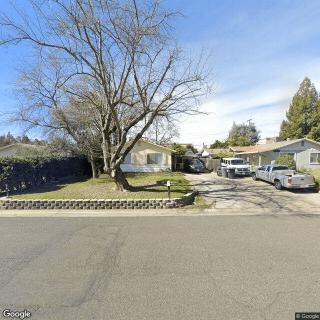
 When to Transition from Assisted Living to Memory Care: Key Indicators, Steps, and Finding the Right Community
 Understanding the Distinctions: Assisted Living and Memory Care Explained
 How to Communicate with a Loved One Living with Dementia: 10 Supportive Strategies