
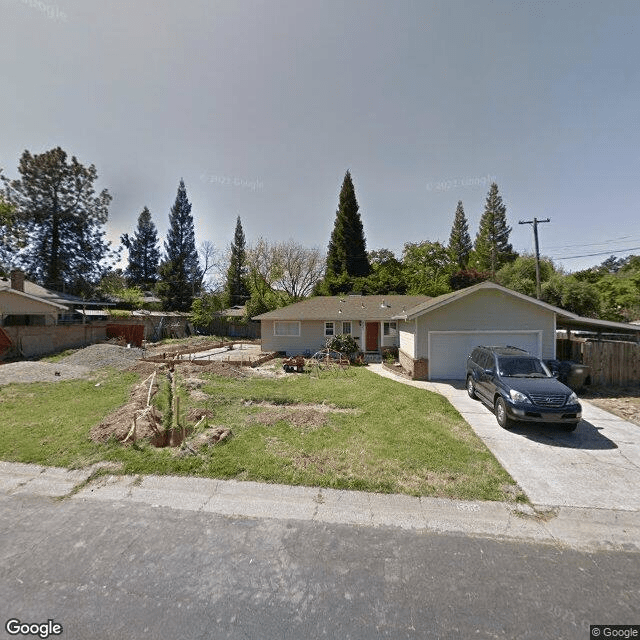
5205 Castle Street, Fair Oaks, CA 95628
For more information about senior living options: (866) 208-4318
Castle Oasis Home Care Costs & Pricing
At Castle Oasis Home Care, the monthly cost for a private room is set at $4,500. This figure is notably higher than the average rates in Sacramento County, which stand at $3,686, and also surpasses the broader statewide average of $3,939. These costs reflect not only the quality of care and personalized services provided by Castle Oasis but also its commitment to creating an enriching environment for residents. While slightly above local and state averages, this investment supports tailored care plans and enhanced amenities that contribute to a superior living experience for individuals seeking assistance.
| Floor plans | Castle Oasis Home Care | Sacramento County | California |
|---|---|---|---|
| Private | $4,500 | $3,686 | $3,939 |
Assisted Living communities with a similar price nearby
-
About the same
Montclair Villa
$4,500 / month9.7 miles away -
from +$500 / mo
Bethesda Senior Care
$5,000 / month3.9 miles away -
from +$500 / mo
Friendly Care Home II
$5,000 / month4.4 miles away -
About the same
Sunriver Senior Care
$4,500 / month2.8 miles away -
from -$350 / mo
Ferrari
$4,150 to $5,500 / month13.7 miles away
Overall Review of Castle Oasis Home Care
Pros
 They provided excellent hospice care to the dad.
- They were caring and professional.
- The Castle Oasis care home is amazing.
- They take such good care of the dad.
- They keep his bed and room clean.
- They take their time to help him eat and communicate in a very caring manner.
- They update the family on how his day or night went.
Review
Castle Oasis Home Care in Fair Oaks is best suited for families seeking a small, home‑like setting that delivers deeply personal, hospice‑oriented support for a loved one who cannot manage daily tasks independently. The community shines when the goal is comfort, dignity, and ongoing reassurance that a caregiver‑team is attending to both medical and daily living needs with compassion. It is especially well‑suited for situations where a family wants close, consistent oversight, regular updates, and the sense that a loved one is cared for in a familiar, homelike environment rather than a sterile facility.
Those who should consider alternatives are families needing more formal medical oversight or a broader range of services. If the priority is round‑the‑clock nursing supervision by a larger staff, or access to a wide menu of therapies and activities typical of bigger assisted living campuses, a traditional skilled nursing facility or larger assisted living with on‑site nursing may be more appropriate. Also, if the care plan requires extensive rehabilitation, complex medical management beyond hospice‑level support, or structured memory‑care programming, it is prudent to compare options with stronger clinical infrastructure and publicly listed service menus.
The strongest advantages rest in the quality and tone of care. One reviewer, a retired nurse practitioner and hospice professional, lauded the care for a father who was on hospice, noting not only the technical proficiency but the genuine kindness and professionalism of the team. The feedback highlights clean spaces, consistent attention to basic needs, and individualized efforts to encourage eating and comfort. The caregivers’ willingness to communicate with family, providing updates about day and night, and to reassure relatives is repeatedly cited as a major, stress‑reducing benefit. Taken together, these factors create a sense of safety and reliability that is particularly valuable when emotional energy is spent managing end‑of‑life care at home.
Where the information is thinner, there are potential gaps to weigh. The limited number of public reviews means there is less clarity about staffing levels, the exact scope of medical oversight on a day‑to‑day basis beyond hospice care, and how the home handles urgent medical situations or escalation. Details such as cost transparency, availability of 24/7 on‑site nursing, or the range of ancillary services (therapy, social activities, transportation) are not spelled out in these notes. For families seeking a comprehensive care package with a broad array of services beyond hospice, Castle Oasis may require careful due diligence to confirm that all needs can be met within the expected plan and price.
The key pros, compassionate, professional caregivers; dignity‑focused, hospice‑level support; meticulous cleanliness; and steady family communication, substantially offset the potential drawbacks for the right use case. When a loved one requires constant monitoring and gentle, respectful care, the intimate setting reduces the fragmentation that can occur in larger facilities. The ability to receive honest updates without chasing answers, paired with caregivers who take time to address feeding and comfort, translates into meaningful peace of mind for families during a stressful transition. In short, for households prioritizing warmth, accountability, and continuity of care in a home environment, the positives are compelling enough to outweigh the lack of broad, facility‑wide amenities.
For a decisive next step, approach Castle Oasis with a targeted checklist: meet the caregiving team and observe interactions with residents; ask who is on site daily and who handles medical questions; request a clear explanation of what hospice‑level services cover and how crises are managed; confirm the typical response times for calls or visits; review the billings to understand what is included in the rate, and whether there are any additional charges. If the goals align with ongoing, attentive, family‑centered care delivered by a professional, compassionate team in a clean, home‑like setting, Castle Oasis stands out as a prudent choice. If not, pursue alternatives with more expansive clinical capacity or a broader spectrum of services to match a broader care plan.
 6 resident community capacity
 Assisted Living
 Board and Care Home
 Activities on-site
 Cable or satellite TV
 Dining room
 Fully furnished
 Garden
 Housekeeping services
 Move-in coordination
 Outdoor space
 Private
 Telephone
 Wi-Fi/high-speed internet available
 Sacramento International (16 miles away)
 24-hour supervision
 Ambulatory care
 Assistance with bathing
 Assistance with dressing
 Assistance with transfers
 Diabetes diet
 High acuity care
 Meal preparation and service
 Medication management
 Special dietary restrictions
 Transportation arrangement (medical)
 Transportation to doctors appointments
 Is Assisted Living Deductible on Your Taxes? Understanding the Complexities of Assisted Living Expenses and Deductions
 Assisted Living Support for Veterans: A Complete and Detailed Overview
 Exploring the Contrasts Between Assisted Living and Skilled Nursing