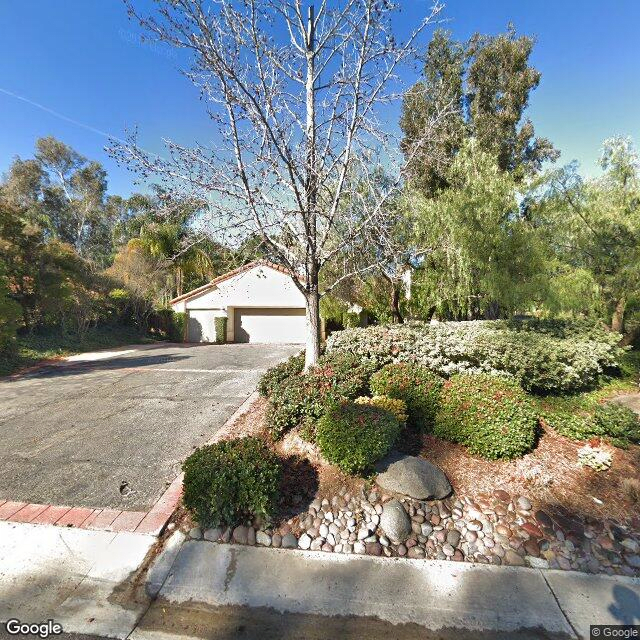
3301 Lomas Serenas Drive, Escondido, CA 92029
For more information about senior living options: (866) 208-4318
Safe Harbor Elder Care Costs & Pricing
At Safe Harbor Elder Care, the monthly costs reflect a commitment to high-quality care in a supportive environment. For semi-private accommodations, residents can expect to pay $4,000, which is notably higher than both the San Diego County average of $3,518 and the statewide average of $3,333. In the case of private rooms, the cost rises to $4,500; this is on par with the county's figure but significantly above California's statewide standard of $3,939. These figures indicate that while Safe Harbor might present a premium pricing structure compared to regional and state norms, this investment typically corresponds with enhanced services and personalized care tailored for seniors' needs.
| Floor plans | Safe Harbor Elder Care | San Diego County | California |
|---|---|---|---|
| Semi-Private | $4,000 | $3,518 | $3,333 |
| Private | $4,500 | $3,939 | $3,939 |
Assisted Living communities with a similar price nearby
-
from +$550 / mo
Champine Manor
$4,550 / month5.5 miles away -
from -$500 / mo
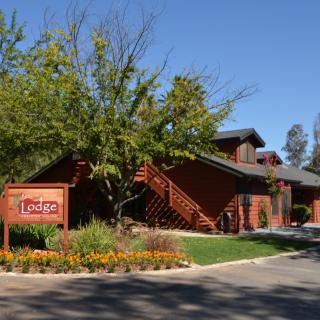
Ramona Senior Lodge Assisted Living
$3,500 to $5,500 / month9.8 miles away -
from +$500 / mo
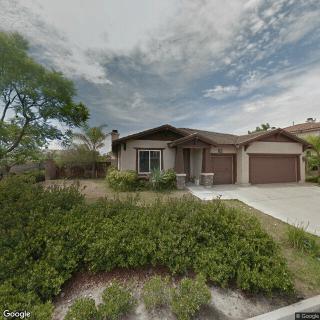
Hidden Meadows Residential Home Care
$4,500 to $4,800 / month10.1 miles away -
from -$750 / mo
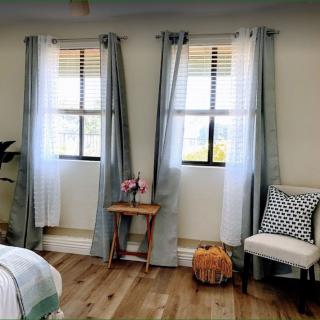
Mountain View Manor
$3,250 / month15.6 miles away -
from +$500 / mo

La Costa Elder Care
$4,500 to $5,000 / month10.3 miles away
Overall Review of Safe Harbor Elder Care
Pros
 The staff work hard to prepare good meals, keep the house spotless, and keep the bedrooms clean and tidy.
- They take care of the laundry, provide medications, and tend to the special needs of the residents.
- They ensure that all residents are kept clean, groomed, and comfortable, and make them feel content and valued.
- Safe Harbor Elder Care made the last two years of her life the best that it could be.
- They gave her dignity, respect, love, care, laughter, and warmth.
- The doctor and his staff were helpful and stayed on top of medications and health needs, communicating changes in care.
- Nikky and her staff arrange for podiatry, medication delivery, and other care needs.
- Nikky provided support in selecting hospice care and worked with them to provide the best level of care for her mother at the end of life.
- Eldercare is immaculate, attractive, and highly responsive.
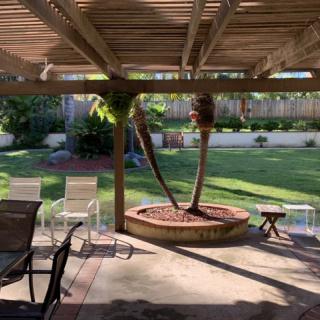
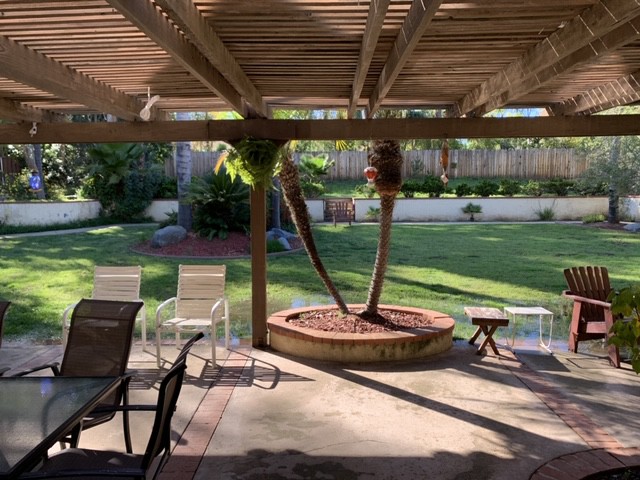
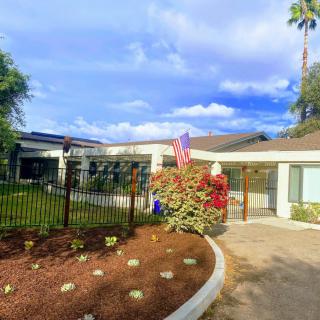
- The courtyard is beautiful and meals are served family style.
- Caregivers encourage a true sense of community.
- Safe Harbor Escondido has provided excellent care for my mother who has dementia.
Cons
 The facility and its staff are described as a scam, with restricted visits and promises that deliver nothing.
- Most of the patients are incoherent, and residents are served a half sandwich and a cup of soup for a meal.
- When a loved one passes away, belongings are not returned and are moved to the garage after staff go through them.
- A resident was dressed in ragged clothing that was far too big.
- There was no availability and pricing could not be offered.
- A staff member was observed cuddling with her boyfriend and watching porn on the couch.
Review
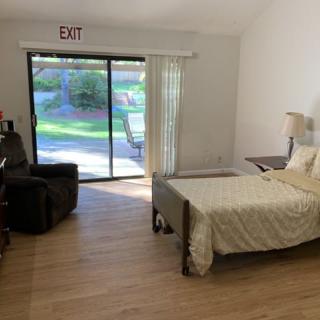
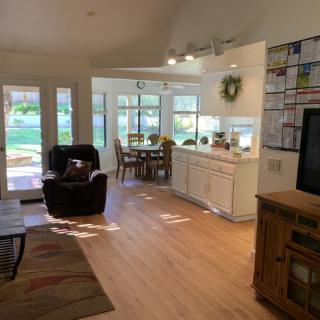
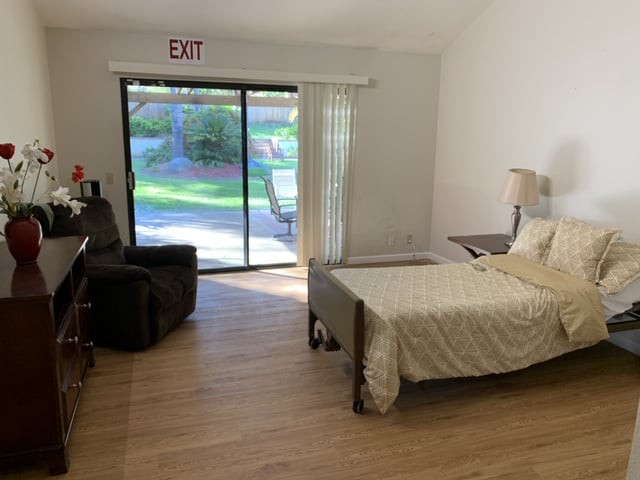
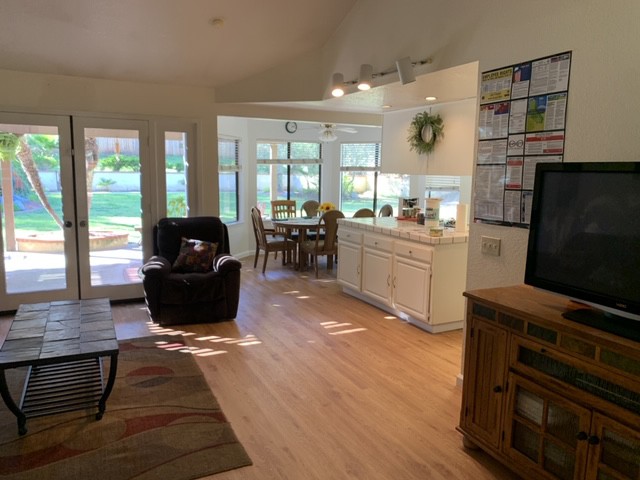
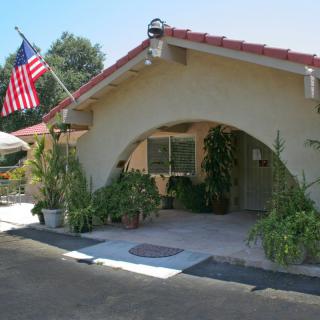
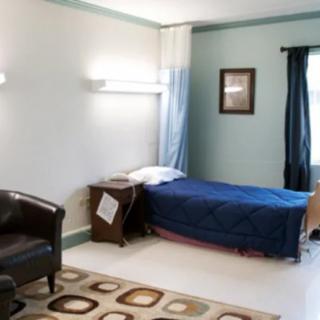
Safe Harbor Elder Care in Escondido is best suited for families seeking a warm, home-like residential setting where an aging loved one can receive highly personalized, hands-on care. It works especially well for residents who benefit from intimate caregiver relationships, strong daily routines, and on-site medical coordination , including medication management and co-location with hospice services when needed. The community shines for those who prize a bilingual staff, family-style meals, and a clean, comfortable environment that prioritizes dignity, warmth, and day-to-day comfort. For dementia care or memory challenges, the hands-on approach and close-knit feel can translate into steady routines and reassuring, familiar interaction.
Still, certain situations may lead families to look elsewhere. If a resident requires more structured activity programming, frequent outings, or a broader calendar of social enrichment, Safe Harbor’s smaller, home-based model may feel limiting. Families that demand transparent, easily comparable pricing and clear policy details about visits, private rooms, and add-on services may also prefer larger facilities with formalized disclosure. For those with high needs for clinical oversight beyond what a small home can reliably deliver, or for families who want a facility with more standardized, facility-wide programming, alternatives should be considered.
On the upside, the strongest positives play directly into practical, near-term quality of life: consistently compassionate, involved caregivers; a tidy, immaculate home; dependable daily care routines; and meticulous medication oversight. The staff’s hands-on approach extends to coordinating with outside professionals, arranging podiatry, pharmacy services, hospice partners, and regular communication with families about changes in care. Residents tend to be treated as part of a caring, extended family, with attention to cleanliness, grooming, and a sense of belonging. The homey atmosphere, bilingual team, and community atmosphere help residents feel content and valued, which often translates to improved mood and engagement for memory care residents.
The documented drawbacks warrant careful consideration. A few reviews flag restricted visitation that requires scheduling, suggesting that flexible access to loved ones may be limited at times. Meal quality concerns appear in some accounts, with more modest fare described as a potential gap for families seeking robust nutrition and variety. Activities and outings are not consistently highlighted, and some families report uncertainty around pricing and availability, including how private rooms are priced versus shared accommodations. A highly negative review circulated claims of mismanagement and inappropriate behavior by staff, underscoring the importance of thorough, firsthand due diligence when evaluating options. While such accounts are not universally echoed, they crystallize the need for transparent policies and careful on-site verification.
Those trade-offs tilt decisively toward a particular calculus. For families prioritizing intimate, relationship-driven care in a home setting, with caregivers who stay closely connected to a resident’s medical plan and daily life, Safe Harbor can offset many logistical gaps with personal attention and reliable day-to-day support. The ability to integrate hospice and medical coordination smoothly, plus the bilingual advantage and the sense of community, are meaningful advantages that often outweigh the absence of a broader activity calendar or the absence of expansive pricing disclosures. However, for families who require robust programming, absolute transparency in pricing, or an unambiguous guarantee of 24/7 clinical oversight, other options may better align with those expectations.
Practical next steps solidify the decision: schedule a face-to-face visit with direct questions about staffing ratios, CNA availability, and the floor plan; request references from current families and time with a resident who can speak candidly about daily life. Probe pricing carefully, including what is included in “all-inclusive” statements and what may incur additional costs for private rooms, extras, or specialized services. Check policies on visiting hours, activity schedules, and how emergencies are handled after hours. If dementia care or end-of-life planning is central, discuss with the team how they tailor care plans, communicate changes, and coordinate with external professionals. In the right match, Safe Harbor becomes a reassuring, practical home where compassion translates into daily peace of mind and sustained dignity for a cherished loved one.
 6 resident community capacity
 Assisted Living
 Board and Care Home
 Cats allowed
 Dogs allowed
 Activities off-site
 Beautician on-site
 Cable or satellite TV
 Devotional services on-site
 Dining room
 Fully furnished
 Garden
 Housekeeping services
 Indoor common areas
 Move-in coordination
 Outdoor common areas
 Outdoor patio
 Private
 Respite or short term stays offered
 MC Clellan-Palomar Airport (12 miles away)
 24-hour supervision
 Accept incoming residents on hospice
 Assistance with bathing
 Assistance with dressing
 Assistance with transfers
 Diabetes diet
 Diabetic care
 High acuity care
 Incontinence care
 Meal preparation and service
 Medication management
 Mild cognitive impairment
 Special dietary restrictions





 Senior Transition Services: Understanding Their Role, Cost, and Importance
 Exploring the Path to Senior Living: A Comprehensive Look at Independent Living and Assisted Living
 Is Assisted Living Deductible on Your Taxes? Understanding the Complexities of Assisted Living Expenses and Deductions