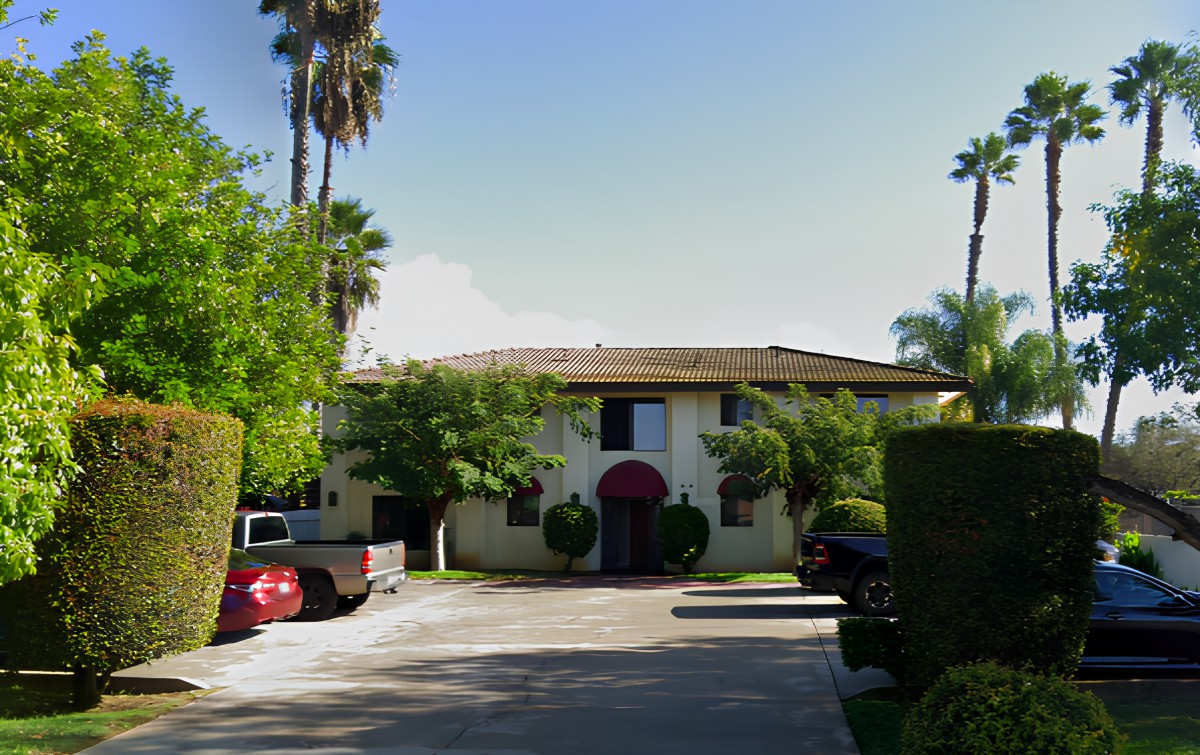
1744 So. Maple, Escondido, CA 92025
For more information about senior living options: (866) 208-4318
Overall Review of Maple Manor
Pros
 The staff at Elite Manor are very kind and attentive.
- They are there to assist at all times throughout the day.
- Families consider Elite Manor to be the best place for similar care.
- The caregivers are excellent and very supportive.
- The home is clean, comfortable, and feels like home.
- The Lee Family and their staff are incredibly caring and treat residents like family.
- The facility is highly recommended and well worth the investment.
- William is described as extremely kind and caring.
Cons
 William is tactless, lacks seriousness, and shows no respect.
- He hung up on the caller at the start of the call.
- The reviewer doubts the manager’s attentiveness and fears the potential treatment of other employees.
Review
This Escondido memory-care community is best suited for families facing advanced memory challenges, particularly Alzheimer’s or dementia, who value a warm, home-like atmosphere where the caregiving team treats residents like family and coordinates closely with families and hospice or medical providers. The strongest signal from the reviews is a care ethos built around personal, attentive service: caregivers who are described as kind, responsive, and deeply engaged in daily living, with meals, life events, and medical needs tailored to the individual. It is the kind of environment where families feel their loved one is known, remembered, and cherished, even as care responsibilities become more demanding.
Those who may want to consider alternatives are families seeking more budget-friendly options or a less intensely personal care dynamic. Price comes up as a notable factor in the impressions shared, with some families acknowledging the premium for the level of care and the sense of “home.” Availability is another practical constraint; the reviews emphasize high demand and limited rooms, which can delay admission or require planning well in advance. Additionally, one review points to a management interaction that landed less favorably, suggesting that administrative smoothness and early communications may vary and could influence the decision for families who prioritize crisp, predictable processes.
The central pros, exceptional, personalized care and a family-centered environment, neatly offset the principal cons when measured against what matters most to families with serious memory-care needs. The care teams are described as not only technically capable but emotionally invested, frequently going beyond routine duties to support families and residents during difficult transitions and life events. Cleanliness and a consistently fresh, home-like setting reinforce the sense of a stable, respectful environment. The ability to align care with preferred diets, daily routines, and hospice or physician orders strengthens trust that the resident’s comfort and dignity are the core objective, even as exacting medical needs arise.
A second pillar of strength is the reported relationship between the owners and the staff and the families. Testimonials from mental-health professionals and long-time family members paint a portrait of a leadership team that prioritizes continuity, compassionate care, and open communication. The setting is described as more “home” than “facility,” with caregiving staff who are not merely performing tasks but building enduring connections, an outcome that many families value deeply when a loved one’s days can blur together. This relational depth matters as much as clinical proficiency because it translates into calmer mornings, more consistent routines, and a shared sense of partnership between caregivers and families during challenging weeks.
In weighing alternatives, this community becomes especially compelling for those who anticipate long stays or who require specialized memory-care features. For families who are more price-sensitive, or for those who want a bit more administrative polish and faster admission decisions, other nearby options may offer lower cost or quicker placement, though they may not deliver the same level of personalized, family-integrated care. Prospective residents should visit with an open checklist: observe the care during a typical day, speak with current families, review the care plans, and discuss how emergencies and hospice needs are managed. Ask for recent references and a candid discussion about wait times and room availability.
Bottom line: for families navigating the difficult decision around memory care, this Escondido option stands out for its heartfelt caregiving, clean, homelike surroundings, and a cohesive team approach that treats residents as members of a larger family. The tradeoffs are clear: premium pricing and limited availability demand careful advance planning. When families can align expectations with the realities of waitlists and costs, the outcomes, compassionate care, steady routines, and meaningful connections, often justify the investment. If those values match what a family wants for their loved one, this community should be high on the short list; if not, it is prudent to explore alternatives that offer more immediate placement or lower financial commitments while still meeting essential care requirements.
 31 resident community capacity
 Assisted Living
 Respite Care
 Beauty salon
 Cable or satellite TV
 Dining room
 Fully furnished
 Garden
 Housekeeping services
 Kitchenette
 Move-in coordination
 Outdoor space
 Restaurant-style dining
 Small library
 Telephone
 Wi-Fi/high-speed internet available
 MC Clellan-Palomar Airport (12 miles away)
 24-hour call system
 Activities of daily living assistance
 Assistance with bathing
 Assistance with dressing
 Assistance with transfers
 Diabetes diet
 Medication management
 Mental wellness program
 Special dietary restrictions







 Medicare Coverage for Assisted Living: An In-Depth Exploration
 Choosing the Right Senior Care: A Detailed Exploration of Assisted Living and Nursing Homes
 Understanding the True Cost of Assisted Living in 2025: A Comprehensive Guide