

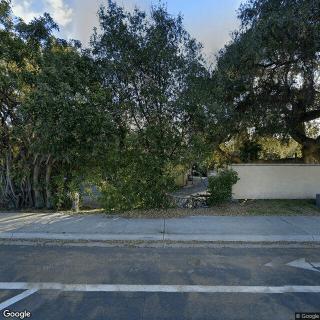
2612 Las Palmas Avenue, Escondido, CA 92025
For more information about senior living options: (866) 208-4318
Golden Years Home Care Costs & Pricing
Golden Years Home Care offers a range of room types with pricing that reflects its commitment to quality care. For a semi-private room, the cost is set at $3,500 per month, which is slightly below the average for San Diego County at $3,518 but above the state average of $3,333. In contrast, private rooms are priced at $5,000 per month, significantly higher than both the county and statewide averages of $3,939. This pricing strategy positions Golden Years Home Care as a premium option in the local market while still providing competitive rates for semi-private accommodations. Ultimately, clients can expect exceptional service and personalized attention that aligns with their investment in care.
| Floor plans | Golden Years Home Care | San Diego County | California |
|---|---|---|---|
| Semi-Private | $3,500 | $3,518 | $3,333 |
| Private | $5,000 | $3,939 | $3,939 |
Assisted Living communities with a similar price nearby
-
from -$650 / mo
Alpine View Lodge
$2,850 to $3,550 / month23.7 miles away -
from -$300 / mo

Wellspring Assisted Living
$3,200 to $4,000 / month20.7 miles away -
About the same

Ramona Senior Lodge Assisted Living
$3,500 to $5,500 / month10.2 miles away -
from -$250 / mo
Mountain View Manor
$3,250 / month14.8 miles away -
from -$500 / mo
North La Costa Assisted Living
$3,000 / month10.3 miles away
Overall Review of Golden Years Home Care
Pros
 They are very attentive with his dad.
- They do very well with him.
- They are really nice, sweet people.
- The family appreciates them.
Cons
 No negative statements identified in the review.
Review
Golden Years Home Care in Escondido is best suited for families seeking a small, intimately run care setting where staff know residents personally and respond with consistent attentiveness. The strongest takeaway from the available feedback is a caregiving team that genuinely cares for a loved one, taking time to attend to daily needs and to make interactions meaningful. For families dealing with a loved one who values warmth, patience, and a hands-on approach, this community provides a reassuring environment. The tone of the response suggests residents are treated with kindness and respect, and that care is delivered with a steady, dependable presence rather than a detached, transactional rhythm.
Those with more intensive medical requirements or a need for a formal, larger-scale operation may want to consider alternatives. If a resident demands frequent on-site clinical oversight, specialized memory care, or a robust activity program designed for a wide range of cognitive and physical abilities, other communities may be a better fit. Likewise, families weighing transportation needs, meal variety, or structured care plans might discover options that offer more extensive services or a broader care team. In short, this community may be ideal for comfort and personal connections, but it may not be the best fit for residents demanding high-level medical management or expansive programming.
From the limited but clear positive signals, the core advantages, the staff’s attentiveness and the kind, gentle demeanor, tend to offset potential concerns around loneliness or neglect. When caregivers consistently treat a loved one with warmth and responsiveness, it reduces anxiety for both the resident and the family, supports adherence to routines, and reinforces safety through proactive check-ins. The absence of specific drawbacks in the available feedback should still be treated cautiously; readers should verify that the care cadence, supervision, and responsiveness align with individual needs through firsthand visits and conversations with the team. The proof will be in day-to-day consistency, not a one-time moment of excellence.
Attentive care translates into practical benefits as well: ongoing daily help with activities of daily living, timely assistance during meals, and a compassionate approach to personal routines. The people who staff Golden Years seem to bring a sense of stability to residents, which eases transitions for families who must entrust daily supervision to others. For seniors who flourish under predictable, patient care and enjoy a pleasant, respectful atmosphere, this kind of environment can markedly improve quality of life and reduce family stress. In short, the pros shown here are not abstract; they map to real, repeated experiences that influence independence and well-being.
To move from sentiment to decision, conduct a structured visit focused on what matters most: care planning, staffing consistency, and safety. Ask how many caregivers typically attend to a resident, what the process is for updating a care plan, and whether there is on-site nursing or 24/7 on-call support. Inquire about meal options, activity programming, transportation arrangements, and how emergencies are handled after hours. Gather specifics about cost expectations and any potential add-ons. With the current emphasis on warmth and attentiveness, the next step is to verify that the daily reality matches the impressions described and that the community can scale or adapt to changing needs.
Overall, Golden Years Home Care stands out as a practical, compassionate option for families prioritizing genuine caregiver connections and dependable daily support. It represents a strong choice for those who value consistent, friendly interactions and a respectful environment. Readers with more extensive medical requirements or broader programming considerations should compare alternatives to ensure the selected setting offers the right balance of oversight, services, and cost. When due diligence aligns with the hopeful tone of the feedback, this Escondido community becomes a confident recommendation for caregivers seeking peace of mind and loved ones who feel truly cared for.
 6 resident community capacity
 Assisted Living
 Board and Care Home
 Respite Care
 Dogs allowed
 Activities off-site
 Air-conditioning
 Cable or satellite TV
 Devotional services off-site
 Dining room
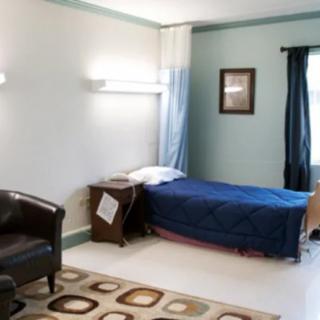
 Fully furnished
 Garden
 Handicap accessible
 Housekeeping services
 Indoor common areas
 Move-in coordination
 Outdoor common areas
 Private
 Private bathrooms
 Telephone
 Wi-Fi/high-speed internet available
 MC Clellan-Palomar Airport (12 miles away)
 24-hour supervision
 Ambulatory care
 Assistance with bathing
 Assistance with dressing
 Assistance with transfers
 Diabetes diet
 High acuity care
 Incontinence care
 Meal preparation and service
 Medication management
 Special dietary restrictions
 Transportation arrangement (medical)
 Transportation to doctors appointments
 BBQs or picnics
 Birthday parties
 Catholic services
 Karaoke
 Live musical performances
 Wii bowling




 Comprehensive Insights into Activities of Daily Living (ADLs) and Their Assessment
 Medicare Coverage for Assisted Living: An In-Depth Exploration
 Choosing the Right Senior Care: A Detailed Exploration of Assisted Living and Nursing Homes