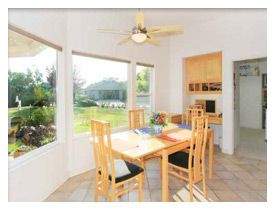
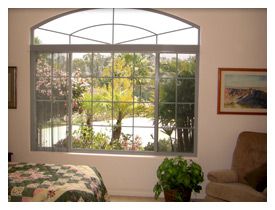
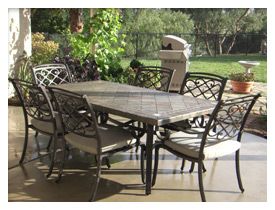
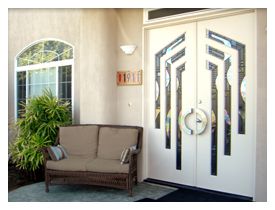
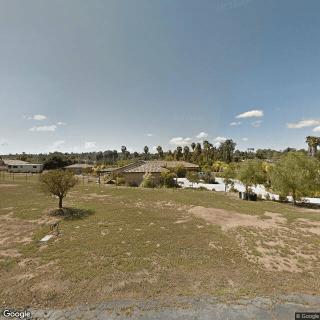
1911 Bear Valley Oaks, Escondido, CA 92025
For more information about senior living options: (866) 208-4318
3 Sisters Hacienda Costs & Pricing
At 3 Sisters Hacienda, the monthly costs for accommodations reflect a competitive pricing structure compared to both San Diego County and state averages. For a semi-private room, residents are charged $3,800, which is higher than the county average of $3,518 and significantly above the state average of $3,333. In contrast, private rooms at 3 Sisters Hacienda are priced at $4,800, aligning with San Diego County's rate of $3,939 but exceeding the California average of $3,939 by a notable margin. This pricing may suggest an elevated level of service or amenities offered at 3 Sisters Hacienda that distinguishes it from other options in the region.
| Floor plans | 3 Sisters Hacienda | San Diego County | California |
|---|---|---|---|
| Semi-Private | $3,800 | $3,518 | $3,333 |
| Private | $4,800 | $3,939 | $3,939 |
Assisted Living communities with a similar price nearby
-
from +$750 / mo
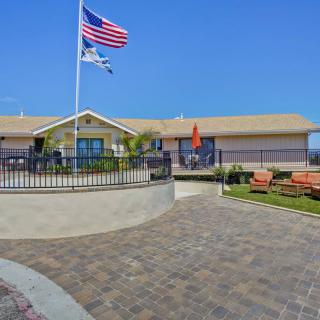
Champine Manor
$4,550 / month4.1 miles away -
from -$600 / mo
Wellspring Assisted Living
$3,200 to $4,000 / month21.8 miles away -
from -$300 / mo
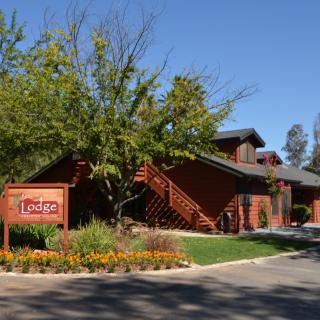
Ramona Senior Lodge Assisted Living
$3,500 to $5,500 / month10.3 miles away -
from +$700 / mo
Hidden Meadows Residential Home Care
$4,500 to $4,800 / month8.0 miles away -
from -$550 / mo
Mountain View Manor
$3,250 / month14.5 miles away
Overall Review of 3 Sisters Hacienda
Pros
 They describe the customer service as great and would definitely recommend it to friends and family.
- They regard 3-Sisters as the best place for their mom, with a caring and loving staff who go above and beyond.
- They note that residents are treated with respect and dignity while their needs are fully cared for.
- They praise the space as beautiful, clean, and bright, with wonderful caring owners and a strong nurse-to-resident ratio.
- They say the staff are very nice, and caregivers in particular are commendable, supporting higher-functioning dementia residents.
- They enjoyed their visit and were happy with the information and help provided for placing their mother.
Review
3 Sisters Hacienda in Escondido is best suited for families seeking a warm, home-like assisted living experience where personal attention, dignity, and real emotional connection with caregivers are the core of daily life. The community shines in small-group warmth: staff know residents well, care deeply, and go out of their way to keep mom or dad comfortable and genuinely happy. Families report feeling as if they’ve found an extension of home, with routines that feel natural and caregivers who make the experience reassuring rather than clinical. For those prioritizing trust, continuity, and a sense of belonging, this setting delivers in spades.
Those who should consider alternatives are residents with heavier medical needs or advanced memory-care requirements. The consensus from reviewers centers on a setting designed for higher-functioning dementia residents and a smaller footprint overall, which signals limits for intensive medical oversight, complex wound or medication management, or highly structured, hospital-level services. If 24/7 skilled nursing, robust rehab programs, or highly specialized memory-care programming are non-negotiables, a larger community with dedicated medical wings and broader clinical resources will likely be a better fit.
The strongest advantages line up with the people-first model: an exceptionally responsive customer-service ethos, owners who are described as wonderful and deeply committed, and a nurse-to-resident ratio that supports attentive, ongoing care. The space is described as clean and bright, reinforcing a sense of comfort and pride in the environment. Most importantly, residents are treated with respect and dignity, and families repeatedly hear that caregivers truly care for residents “till passing away.” Those elements translate into tangible outcomes: lower stress around day-to-day needs, smoother transitions during placement, and high confidence that care decisions are made with the resident’s comfort and preferences in mind. The culture here is a practical, measurable safeguard for peace of mind.
Another compelling dimension is the relational, family-inclusive approach. Reviews highlight the helpfulness of the information and guidance provided during placement, and the genuine, ongoing partnership between staff and families. That dynamic reduces second-guessing and accelerates trust, which matters when navigating aging care choices. A clean, home-like environment coupled with consistent, compassionate caregiving creates a durable sense of security for loved ones and their families, even as needs evolve. In short, the care model prioritizes emotional well-being and dailyQuality of life in a way that compensates for the absence of a larger, more epidemiologically diversified campus.
Where potential drawbacks exist, they are worth acknowledging for a balanced decision. The intimate scale, while a strength, may limit the breadth of programming and the range of on-site medical resources available. Families should be prepared to pursue external or specialist support if medical complexity grows beyond what a small team can coordinate. Yet the upside is that staff are more attentive, communication lines are short, and care plans can be customized with a level of agility that larger facilities often struggle to match. For families willing to trade breadth for depth of personal attention, the positives far outweigh these modest gaps.
For families weighing options, the practical conclusion is clear: 3 Sisters Hacienda is a strong choice for a loved one who thrives in a small, intimate setting where warmth and dignity are the default. Prospective residents should tour with a focused checklist, clarify medical oversight, individualized care planning, transition strategies, and the on-site capabilities, and probe how staff coordinates with external providers as needs change. Asking about staffing structure, accessibility of specialists, and the cadence of family updates will clarify whether the community’s strengths align with the specific trajectory of care required. When those fits align, the sense of family, trust, and consistent, compassionate care makes 3 Sisters Hacienda a compelling, well-grounded recommendation.
 6 resident community capacity
 Assisted Living
 Board and Care Home
 Activities off-site
 Cable or satellite TV
 Devotional services off-site
 Dining room
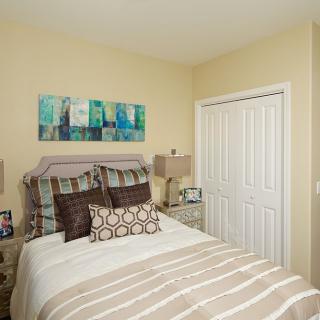
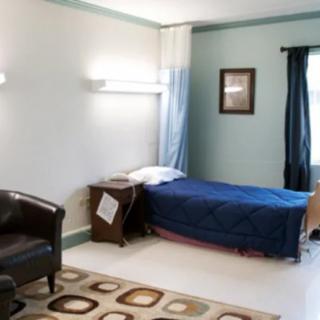
 Fully furnished
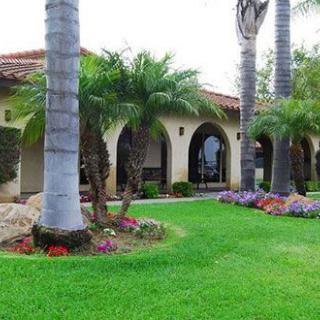
 Garden
 Housekeeping services
 Indoor common areas
 Move-in coordination
 Outdoor common areas
 Private
 Private bathrooms
 Respite or short term stays offered
 Telephone
 Wheelchair accessible showers
 Wi-Fi/high-speed internet available
 MC Clellan-Palomar Airport (13 miles away)
 24-hour supervision
 Ambulatory care
 Assistance with bathing
 Assistance with dressing
 Assistance with transfers
 Diabetes diet
 High acuity care
 Incontinence care
 Meal preparation and service
 Medication management
 Special dietary restrictions
 Transportation arrangement (medical)
 Transportation to doctors appointments
 Assisted Living and Memory Care: Understanding Their Core Differences
 Beyond the Bingo Hall: 50+ Enriching Activities for Seniors in Assisted Living
 Understanding the Distinctions: Assisted Living and Memory Care Explained