





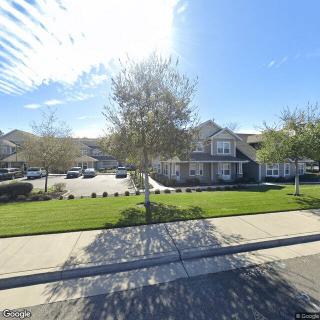
8708 Seckel Court, Elk Grove, CA 95624
For more information about senior living options: (866) 208-4318
The Tahoe Costs & Pricing
The Tahoe presents a unique offering in terms of accommodation, with a monthly cost of $5,300 for a private room. This rate is notably higher than both Sacramento County and the broader California average, which sit at $3,686 and $3,939 respectively for similar private room accommodations. The premium pricing at The Tahoe may be reflective of its distinctive location, services, or amenities that set it apart from other options in the region. Potential residents should weigh these costs against the benefits provided to determine if The Tahoe aligns with their needs and expectations in comparison to more affordable alternatives available within Sacramento County and across the state.
| Floor plans | The Tahoe | Sacramento County | California |
|---|---|---|---|
| Private | $5,300 | $3,686 | $3,939 |
Assisted Living communities with a similar price nearby
-
from -$300 / mo
Bethesda Senior Care
$5,000 / month19.7 miles away -
from -$300 / mo
Friendly Care Home II
$5,000 / month20.6 miles away -
from -$800 / mo
Sunriver Senior Care
$4,500 / month16.1 miles away -
from -$300 / mo
The Oaks at Garfield
$5,000 / month15.1 miles away -
from -$710 / mo

Immaculate Care Home
$4,590 / month2.7 miles away
Overall Review of The Tahoe
Pros
 The care home is described as real nice, with the administrator and caregivers being polite.
- The facility is clean, well-maintained, and conscientious.
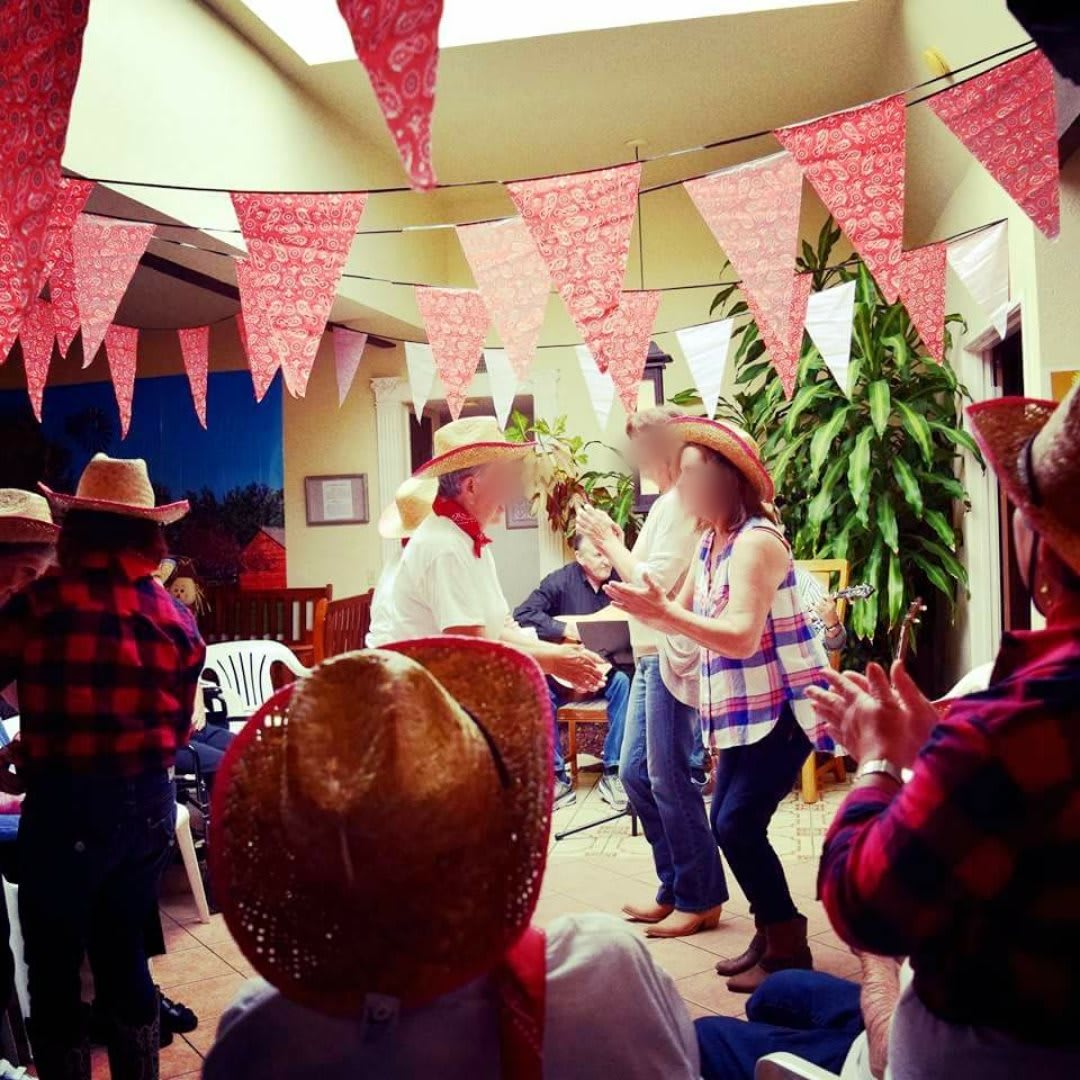
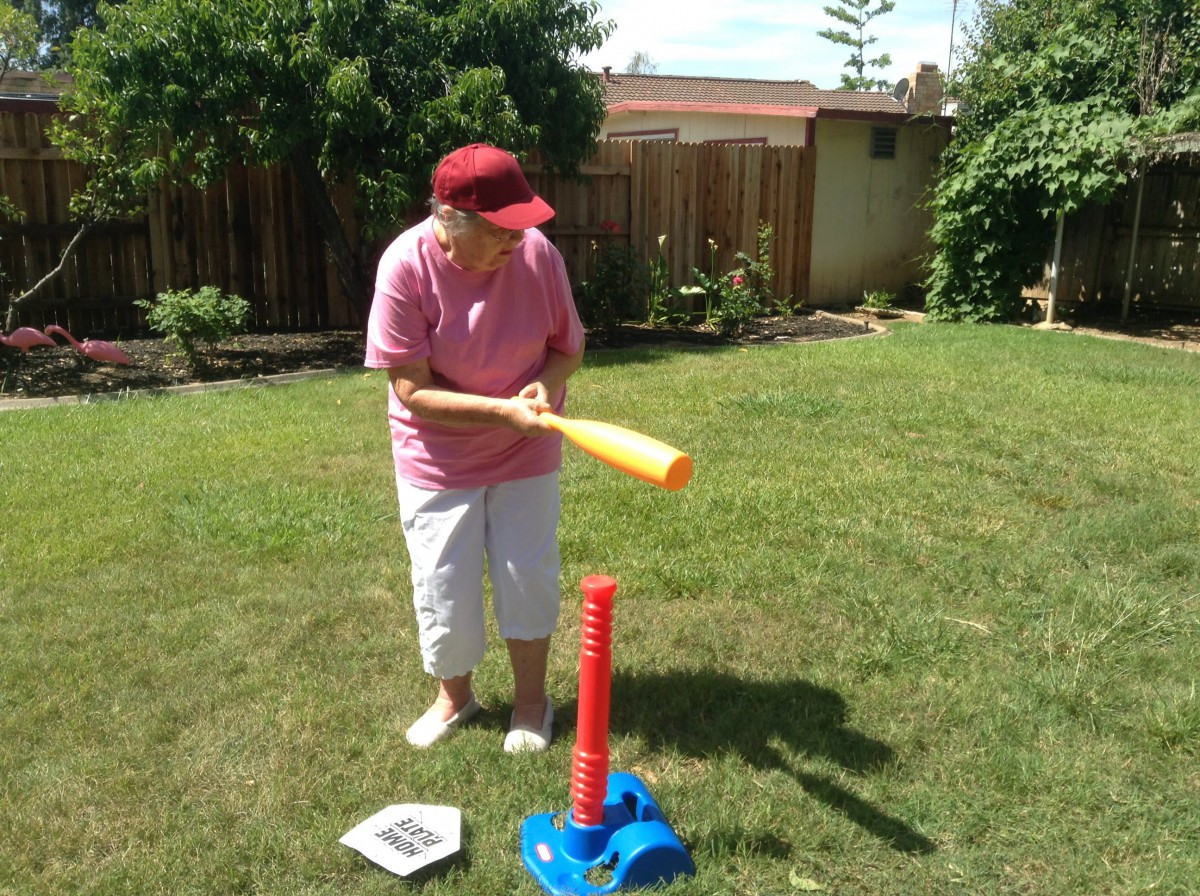
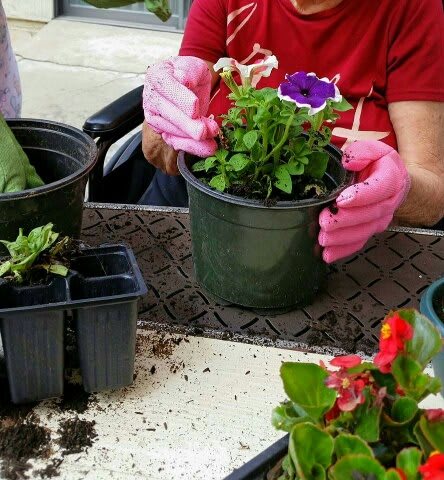
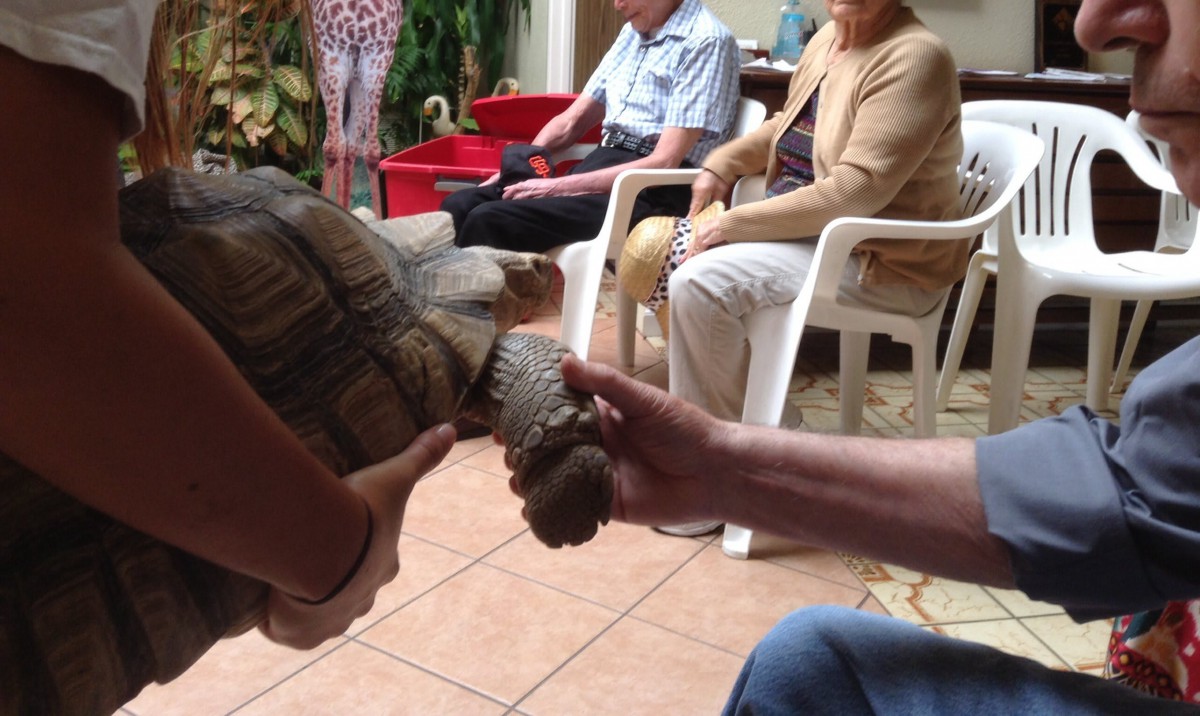
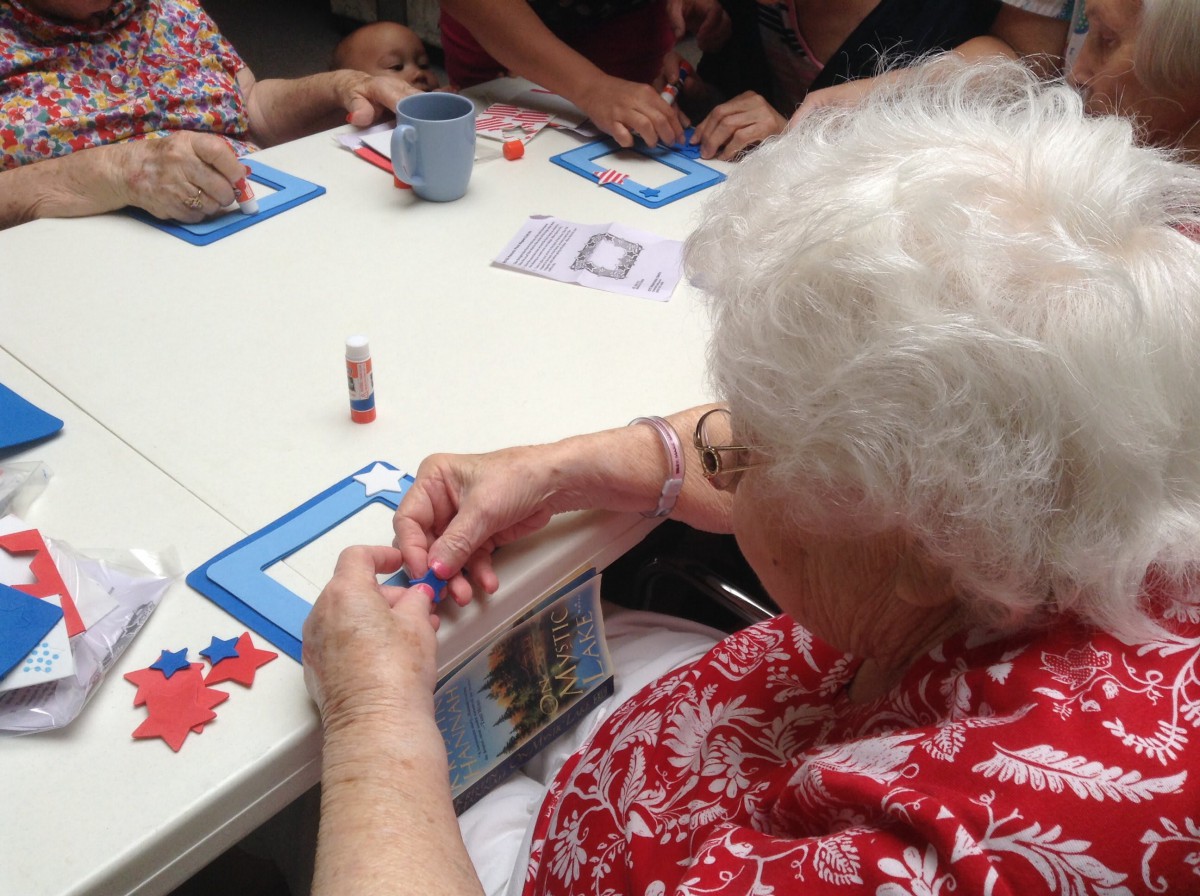
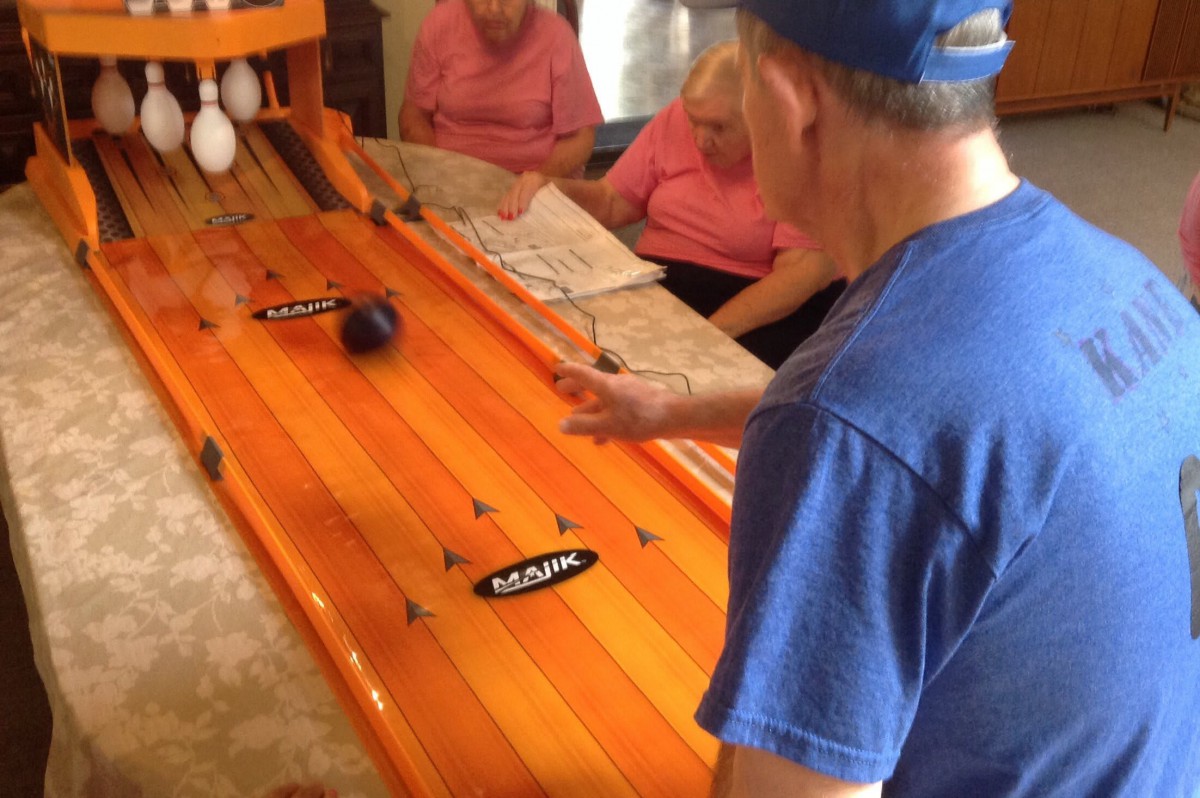
- Residents with dementia are included in meals and activities, with engaging programs that support hand-eye coordination.
- Families receive regular updates and photos, showing attentive communication from staff.
- The team is dedicated and goes above and beyond to make residents feel at home.
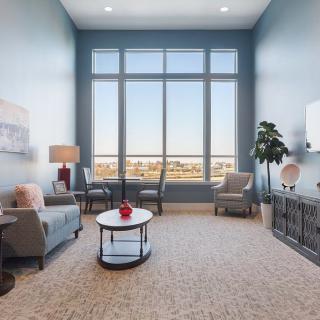
- The environment is warm, welcoming, and comfortable for loved ones.
- Management is dynamic, responsive, and genuinely caring about the residents.
- Meals are prepared with love, with thoughtful portion sizes and accommodations for dietary needs.
Cons
 One reviewer notes that the resident's hair hadn't been washed during a visit.
- The home could use a little updating.
Review
The Tahoe is best suited for families seeking a warm, intimate, caregiver-led environment for a loved one who benefits from daily engagement, steady routines, and dementia-friendly programming in a small community. It works well for residents who prosper from personal attention, clear lines of communication with staff, and a home-like atmosphere where activity and social connection are woven into every day. Families that value regular updates, visible staff involvement, and a sense of security will find this setting especially reassuring, with caregivers who treat residents like family and keep family members in the loop with pictures and notes.
Alternatives are worth considering for certain needs. If a loved one requires higher acuity care, frequent medical oversight, or a crisper, more hospital-like clinical environment, a larger facility with on-site nursing resources and a broader staff-to-resident ratio may be preferable. For those who want a robust, city-block-sized activity calendar, expansive dining options, or highly specialized therapies, a bigger campus can better meet expectations. Also, if move-in logistics burden the family, such as substantial furniture or equipment requirements, another option with lighter setup or fewer move-in stipulations might be less stressful.
The core strengths of The Tahoe, its dedicated staff, cleanliness, and a genuinely homey feel, consistently translate into strong resident well-being. Families repeatedly note the polite, responsive administration and the caregivers who go above and beyond to keep residents safe, engaged, and included. The environment is described as warm and welcoming, with fresh flowers, thoughtful touches in daily activities, and a rhythm that encourages participation rather than passive supervision. For residents with dementia, the emphasis on group participation during meals and activities helps maintain cognitive and motor skills, reinforcing a sense of purpose and belonging that often falters in larger communities.
These substantive advantages offset most drawbacks, but certain trade-offs remain. The Tahoe operates as a small community, which means a limited number of residents and a correspondingly smaller staff pool, excellent for personalized care, yet potentially constraining in terms of activity variety or rapid response during peak times. Two practical considerations recur: the move-in shopping list that asks families to provide substantial personal care items and linens, and occasional operational hiccups that are promptly addressed by a hands-on owner and a proactive team. Even minor lapses, such as a single hair-wash oversight, are framed by consistently high standards of attention, quick corrective action, and transparent communication with family members.
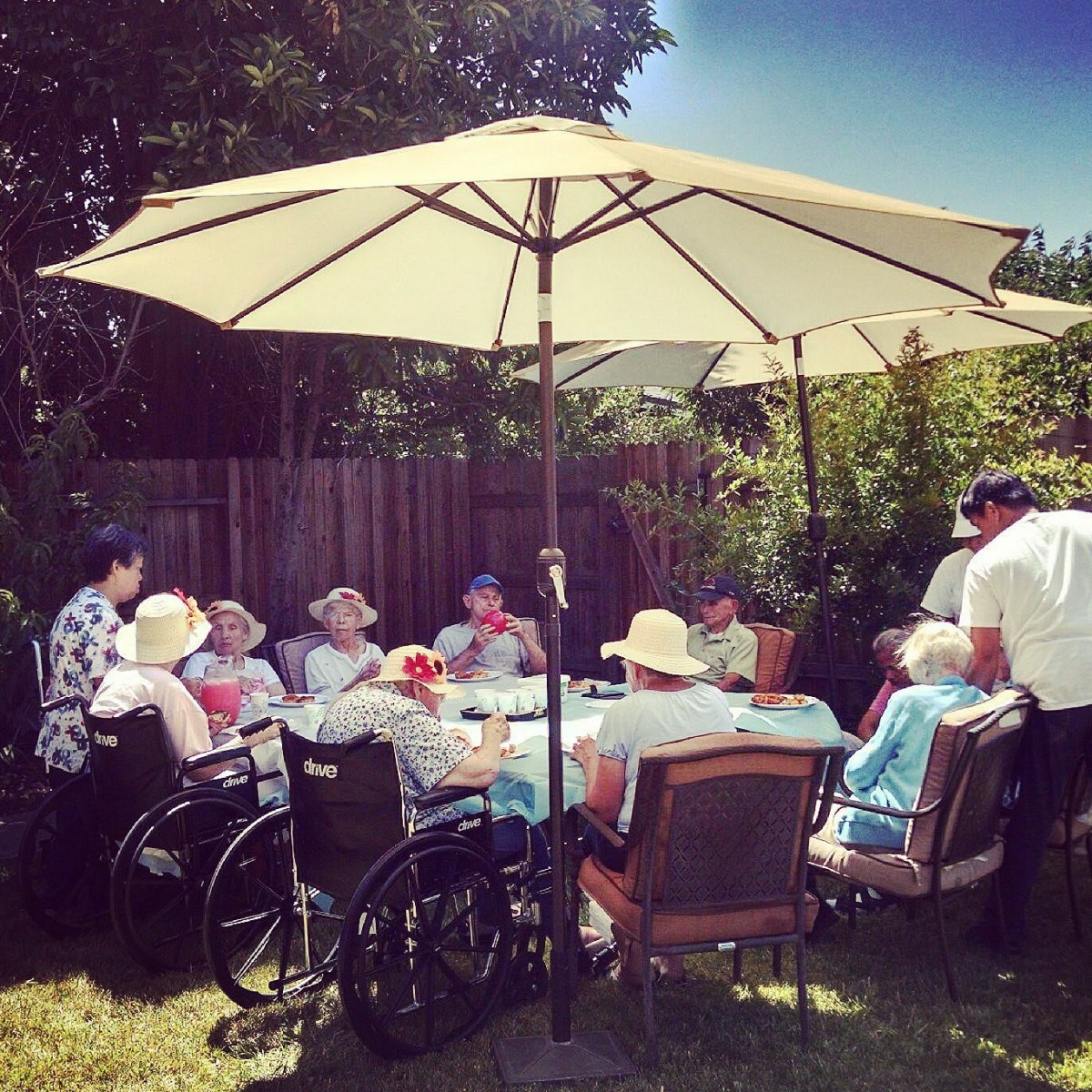
External validation reinforces the favorable impression. Hospice professionals have commended the level of care, which signals deep, attentive support for residents with complex needs. Families repeatedly highlight meaningful engagement, exercise routines, outdoor time, and hands-on activities that prevent passivity. The presence of a second nearby residence for higher levels of care offers a practical path for future needs without uprooting a loved one all at once. Community signals outside the walls, the block parties, warm staff interactions, and the sense that residents are truly valued, further distinguish The Tahoe as a place where care quality is tangible, not merely stated.
For families weighing the next steps, key questions sharpen the decision: How does the staff-to-resident ratio look at different shifts? What does the care plan review process involve, and how are changes communicated to family members? What is the precise cost structure, and what items must be provided at move-in? How active are daily routines on dementia days, and how adaptable is programming to individual preferences? Prospective residents should visit, speak with staff and current families, observe mealtime interactions, and verify that the environment remains clean, bright, and stimulating. The Tahoe rewards those who prize a small, intimately engaged setting with an unwavering commitment to their loved one’s dignity, autonomy, and daily joy.
In sum, The Tahoe stands out as a top-tier choice for families seeking a small, people-centric home where residents are known by name, activities are purposeful, and communication with families is robust. It is less suitable for those demanding large-scale amenities, extensive medical staffing, or very high-acuity oversight. When the fit aligns, for dementia-capable seniors who thrive on consistent routines, social interaction, and a home atmosphere, the rewards are substantial: a liveable, loving environment where care feels personal, responsive, and genuinely invested.
 6 resident community capacity
 Assisted Living
 Board and Care Home
 Activities on-site
 Beautician on-site
 Cable or satellite TV
 Dining room
 Fully furnished
 Garden
 Handicap accessible
 Housekeeping services
 Indoor common areas
 Move-in coordination
 Outdoor common areas
 Private
 Private bathrooms
 Telephone
 Wheelchair accessible showers
 Wi-Fi/high-speed internet available
 Sacramento International (23 miles away)
 24-hour supervision
 Ambulatory care
 Assistance with bathing
 Assistance with dressing
 Assistance with transfers
 Diabetes diet
 Diabetic care
 Incontinence care
 Meal preparation and service
 Medication management
 Special dietary restrictions
 Transportation arrangement (medical)
 Transportation to doctors appointments
 Art classes
 BBQs or picnics
 Birthday parties
 Day trips and outings
 Intergenerational programs
 Karaoke
 Live dance or theater performances
 Live musical performances
 Stretching classes
 How and When Medicaid May Cover Assisted Living Costs
 A Detailed Exploration of Assisted Living Medicaid Waivers Across the United States
 Comprehensive Residential Support and Assisted Living Solutions for Individuals with Disabilities