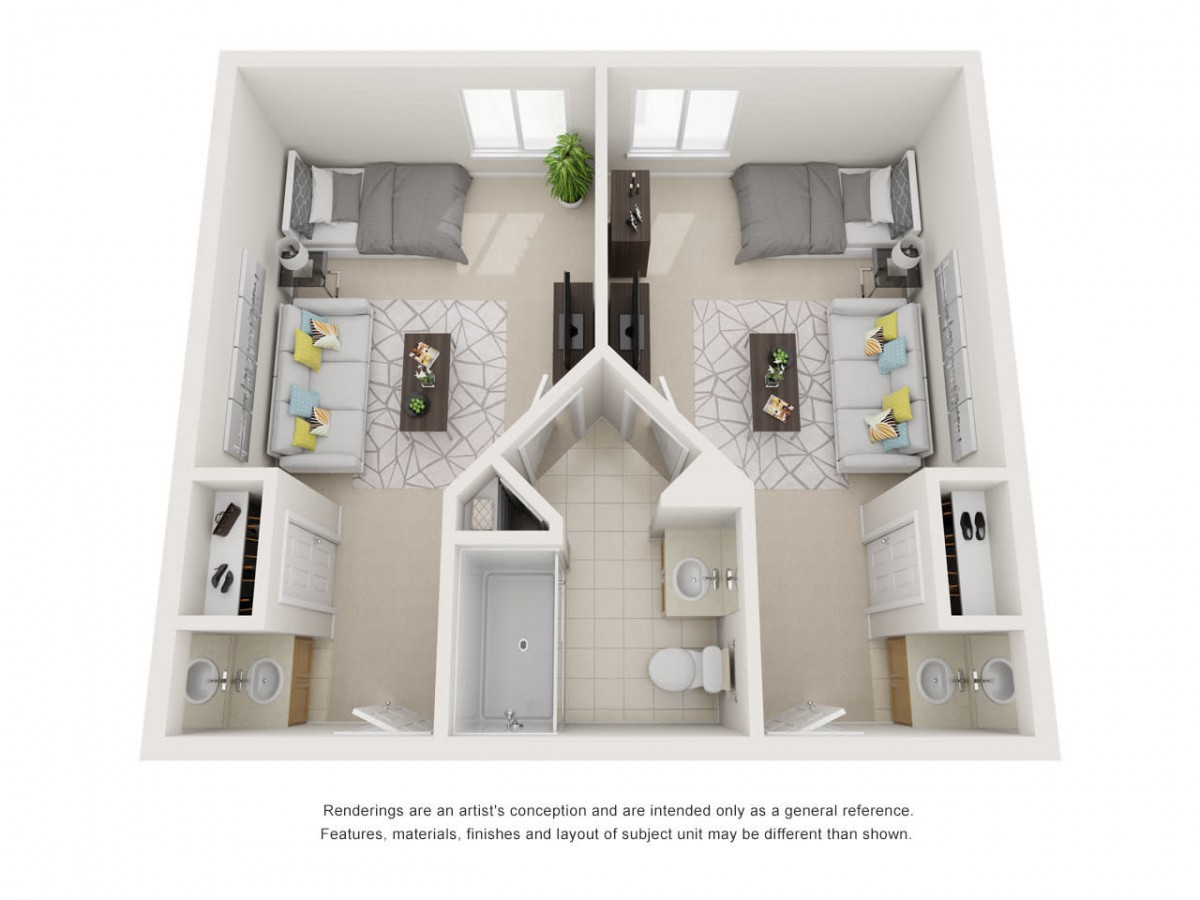
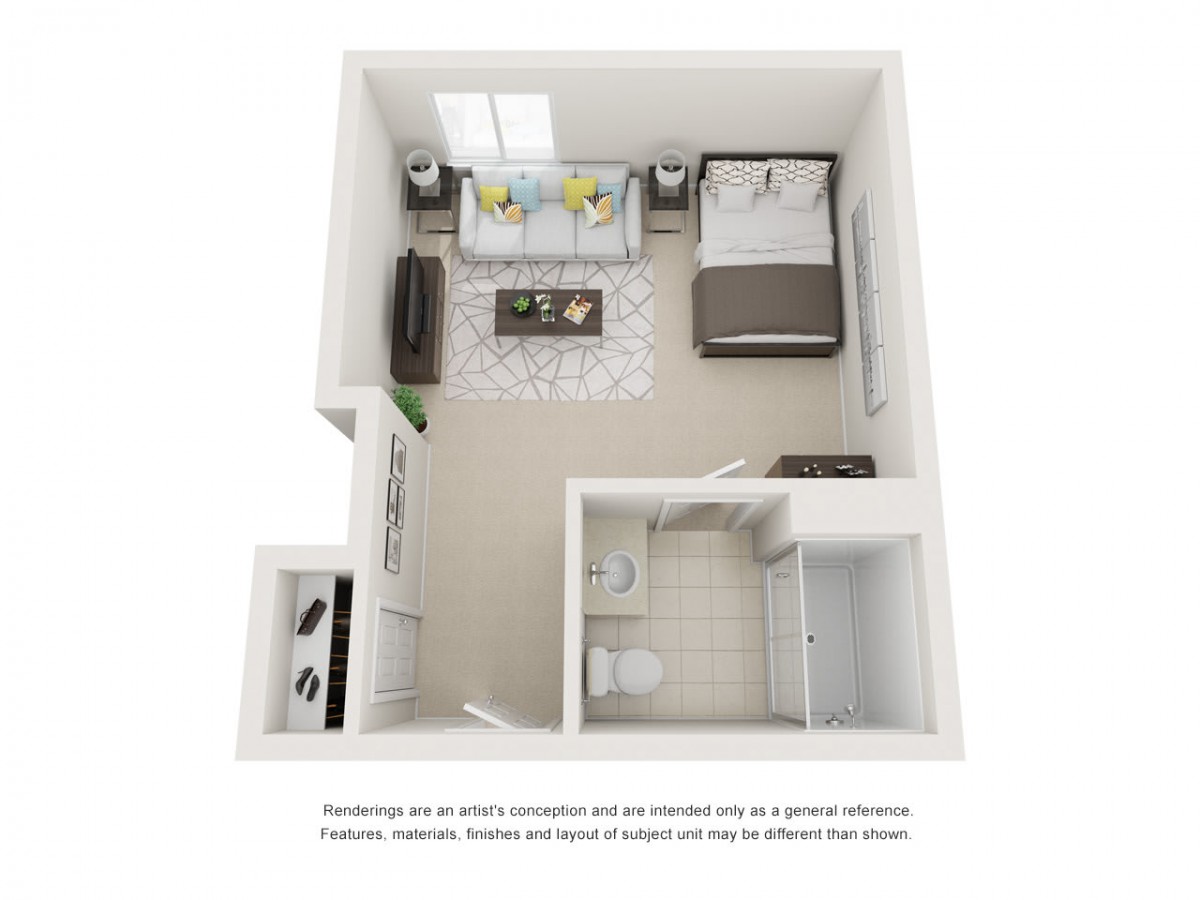
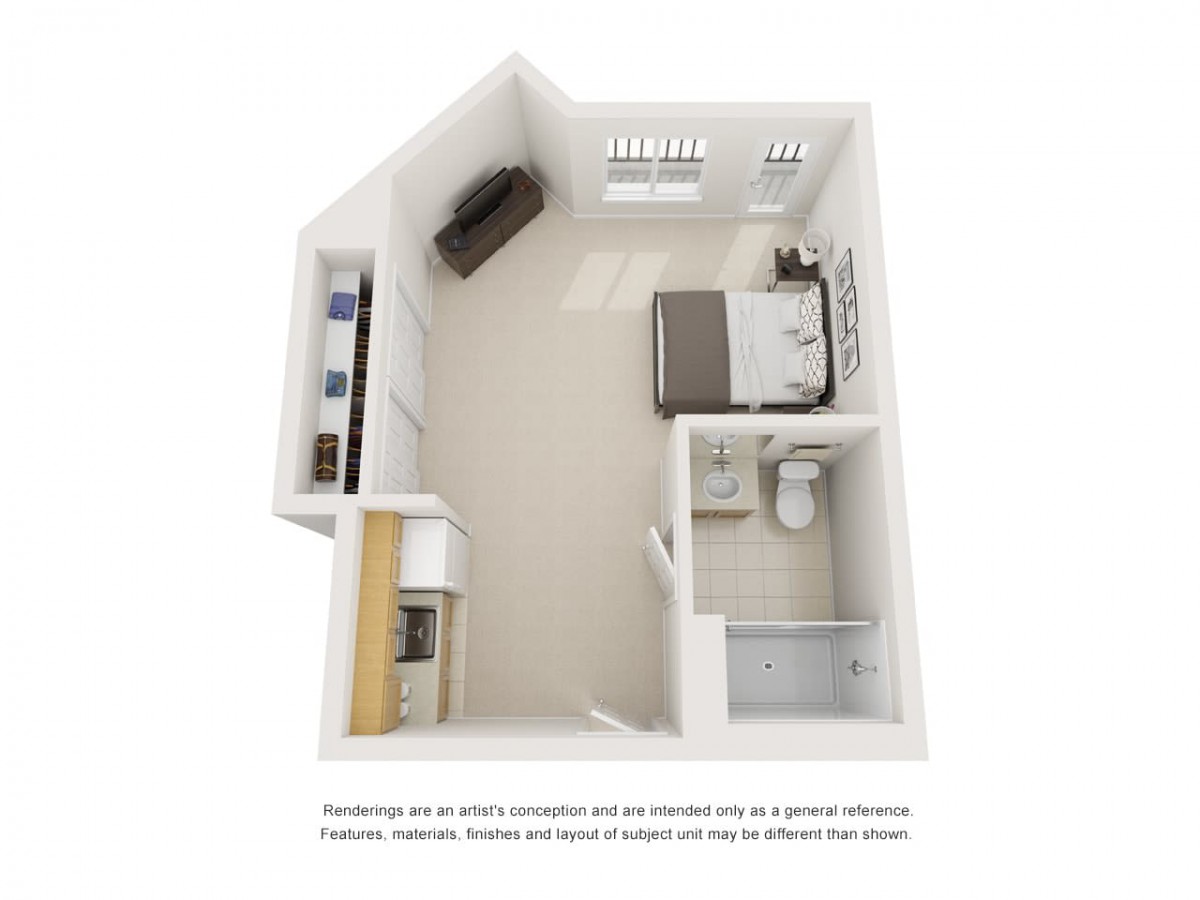
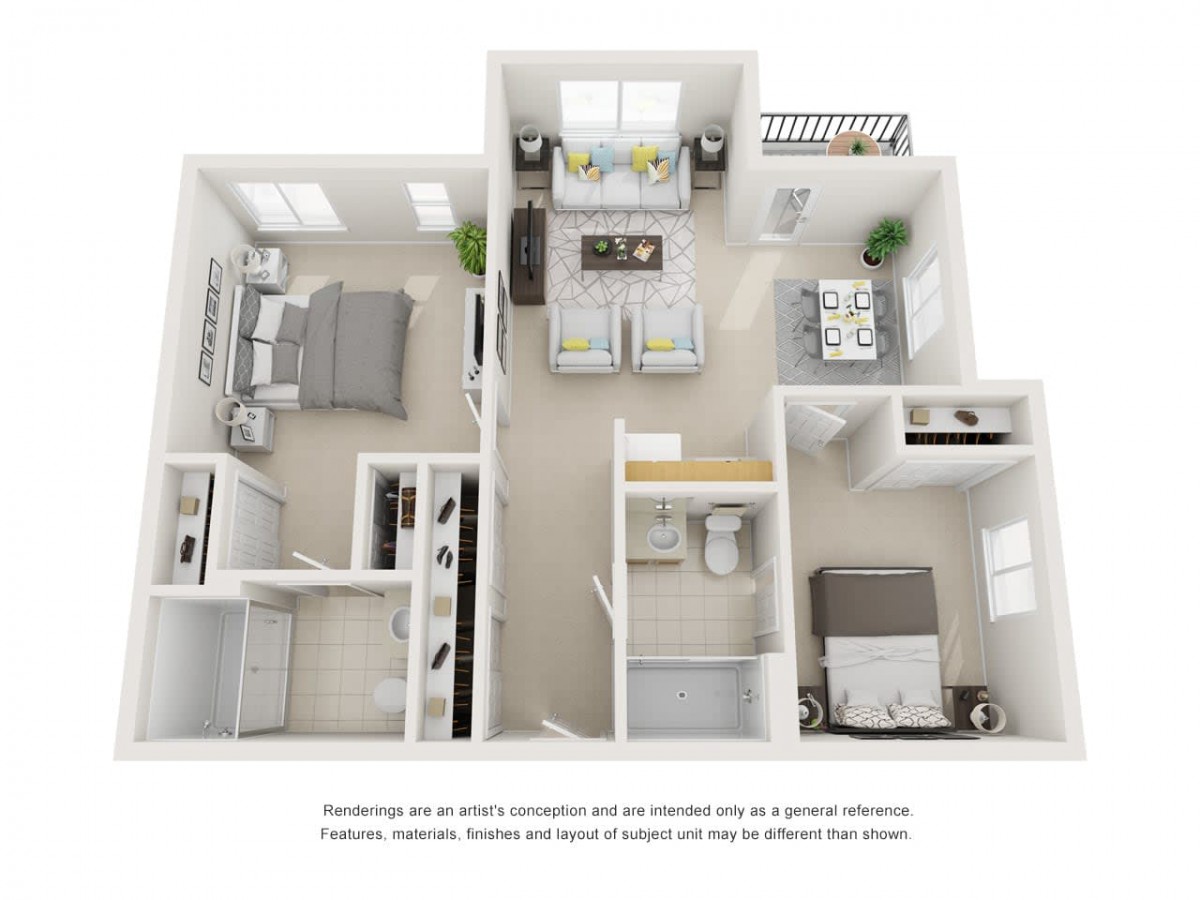
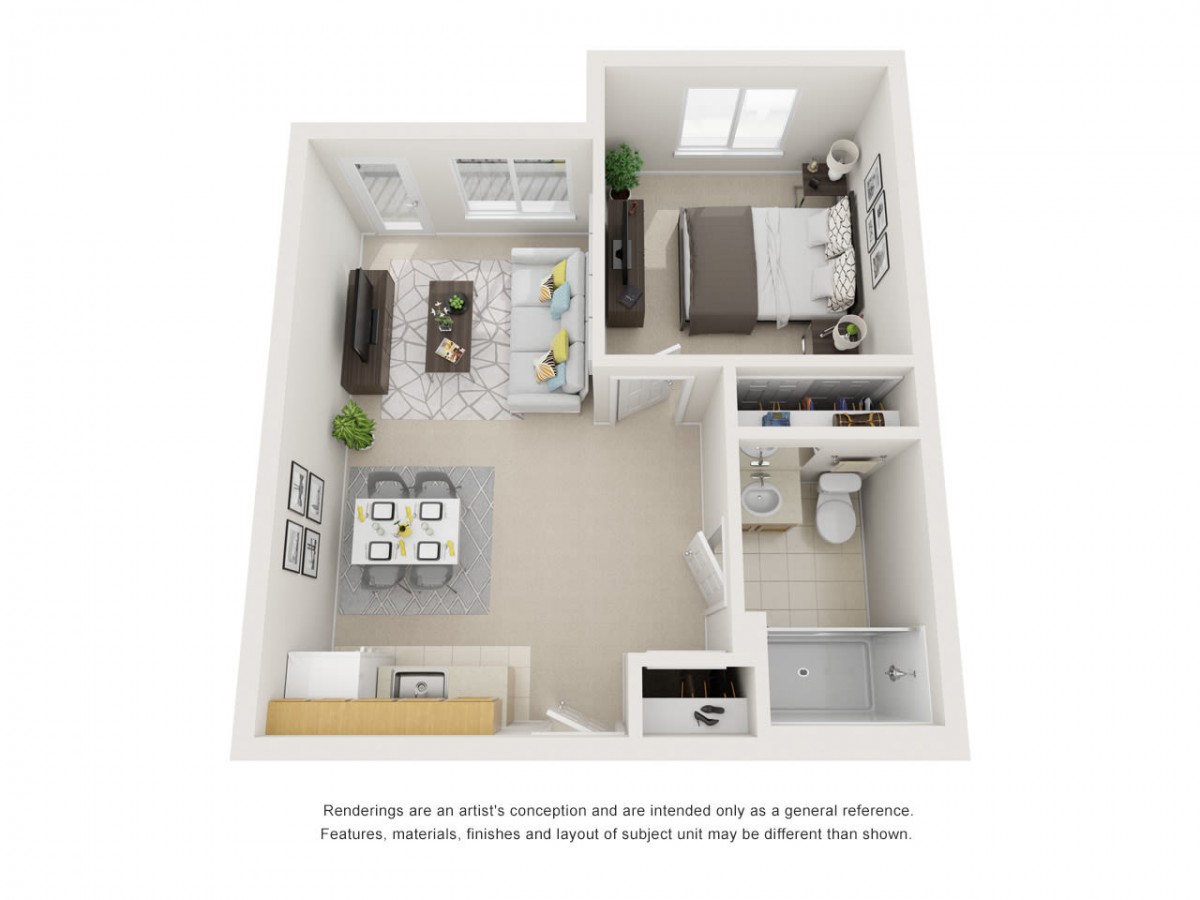
The Commons At Elk Grove offers a range of room types with costs that reflect its unique amenities and services compared to the broader pricing landscape of Sacramento County and California as a whole. For instance, the monthly rate for a studio apartment at The Commons stands at $4,470, which is notably higher than both the county average of $3,865 and the state average of $4,145. Similarly, one-bedroom units are priced at $4,945, surpassing the county's rate of $3,758 and aligning closely with the statewide average of $4,340. Semi-private accommodations are significantly higher at $6,250 compared to just $3,106 in Sacramento County and $3,333 statewide. Lastly, for those seeking more space, two-bedroom units come in at $6,450 - again above the county's cost of $4,303 and slightly below California's average of $5,270. Overall, while The Commons At Elk Grove tends to be on the pricier side within its regional context, these rates may be indicative of enhanced living standards and care options provided within this community.
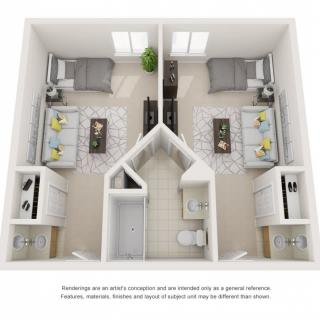
Floor plans
The Commons At Elk Grove
Sacramento County
California
Studio
$4,470
$3,865
$4,145
1 Bedroom
$4,945
$3,758
$4,340
Semi-Private
$6,250
$3,106
$3,333
2 Bedrooms
$6,450
$4,303
$5,270
Memory care communities with a similar price nearby
Residents and families consistently describe the staff as kind, knowledgeable, and quick to respond.
Across reviews, families repeatedly say the team is welcoming and treats residents with respect and dignity. Several mention clear communication and responsiveness when families have questions or need help. Reviews also describe medication attention and frequent check-ins that help families feel secure, including during transitions to memory care and hospice. Even during tours, people emphasize how supported they felt by leadership and care staff.
differentiator15 reviews mention this
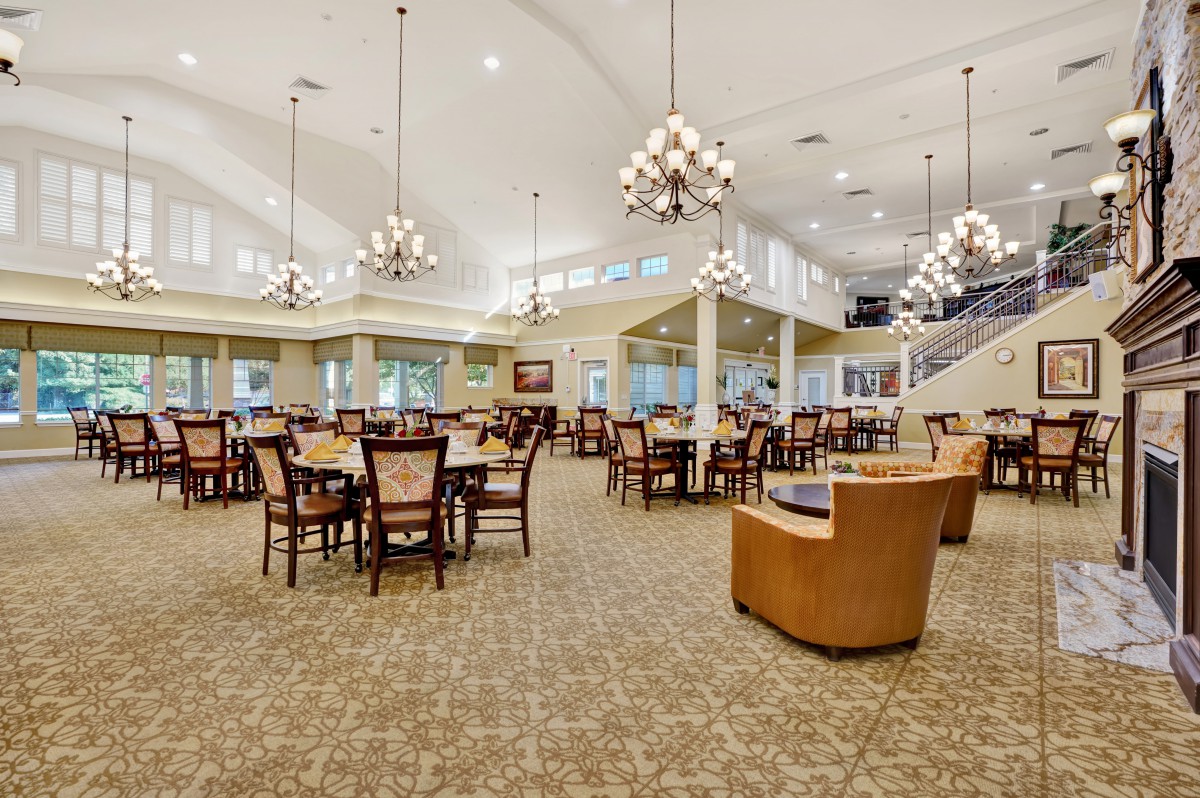
Restaurant-style dining is a highlight
Meals are a consistent strength, and the community offers restaurant-style dining residents mention in reviews.
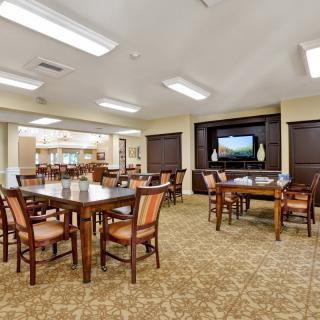
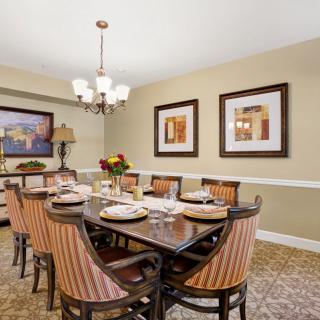
Many reviews praise the quality of the food, with mentions of tasty meals, daily specials, and dining that feels more like a restaurant than a cafeteria. Families also describe support around dietary needs, including adjustments for residents’ eating and requests. The community’s dining offering includes restaurant-style service, room service, and meals with multiple dietary options, which aligns with why reviews keep returning to food quality. A few residents note the food was only mediocre or not to their taste, but that’s less common than the positive comments.
common14 reviews mention this
Activities and engagement keep residents active
Residents describe frequent activities that help prevent isolation and keep days structured.
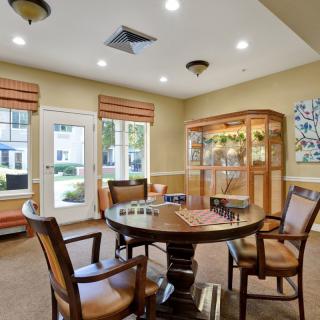
Reviews often mention residents staying engaged through music, games, exercise, and scheduled daily activities. Families also describe outings and social events, and some specifically call out programs that support early-stage dementia needs. The community offers a large menu of activities such as fitness programs, cooking classes, day trips and outings, and devotional services. While most reviews are positive, a few express that there aren’t enough activities for their loved one or that staffing affected engagement at times.
common13 reviews mention this
Clean, bright spaces and updates matter
The facility’s cleanliness and bright, open feel are recurring positives in reviews.
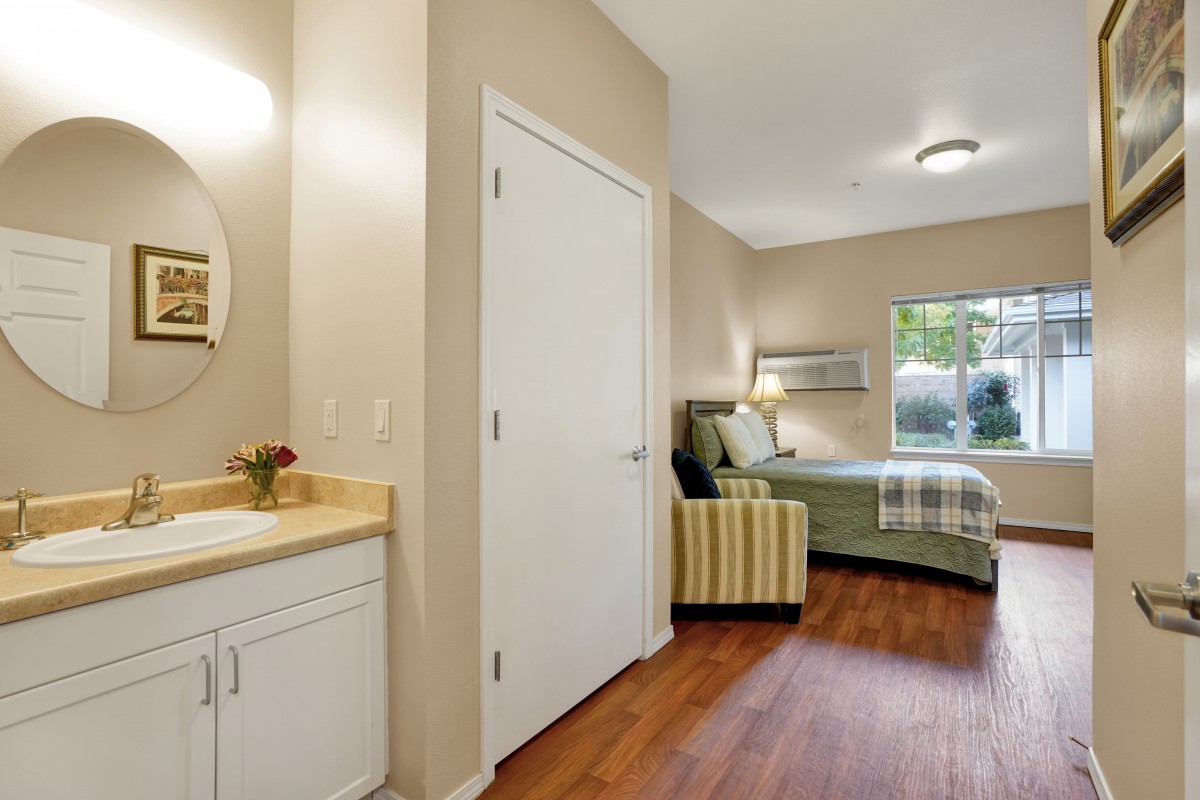
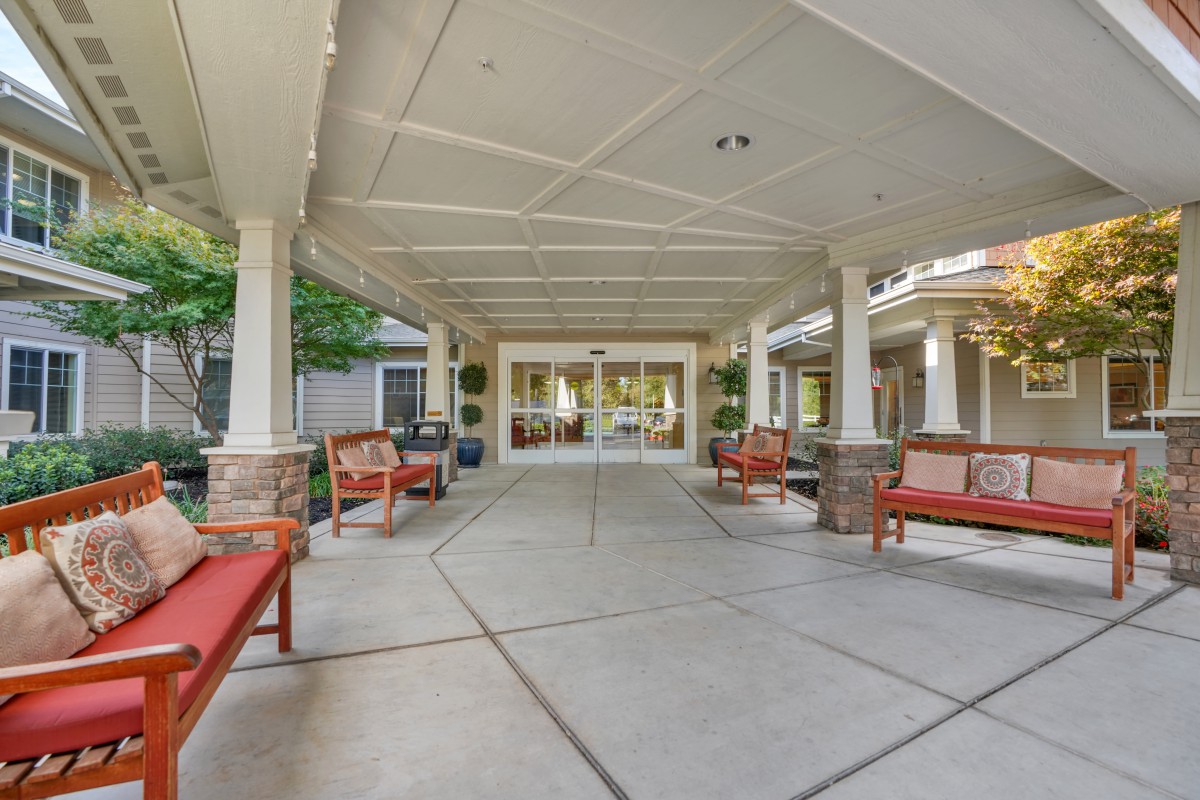
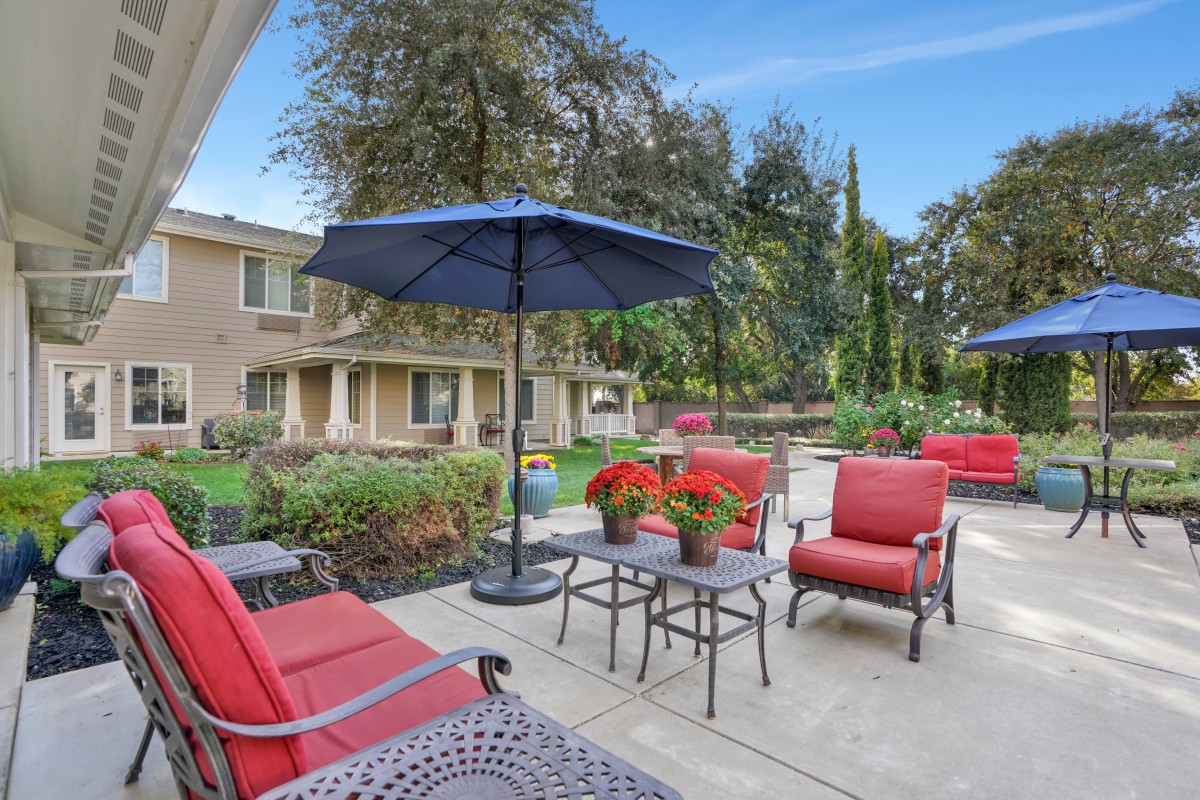
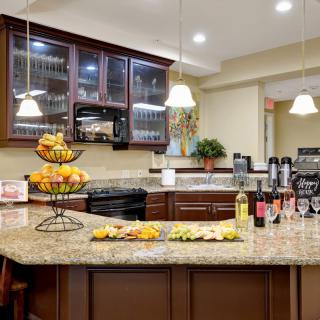
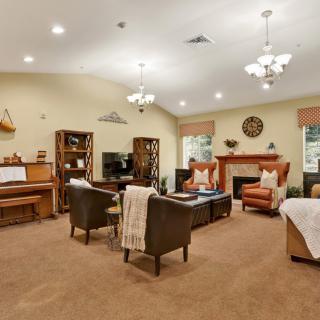
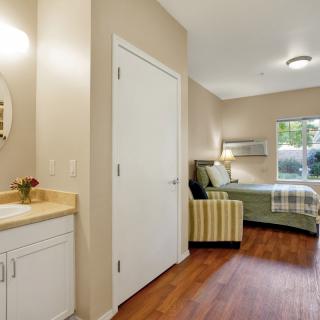
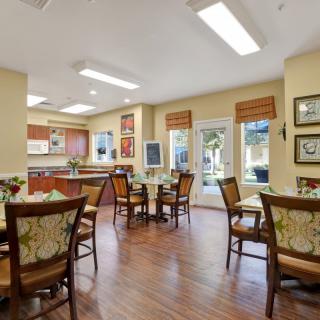
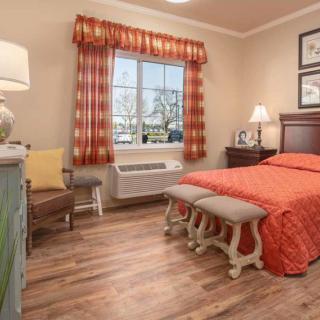
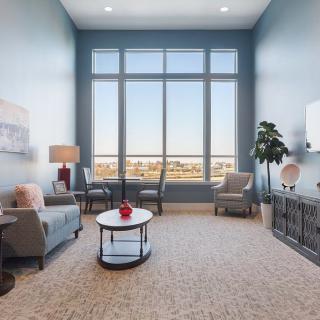
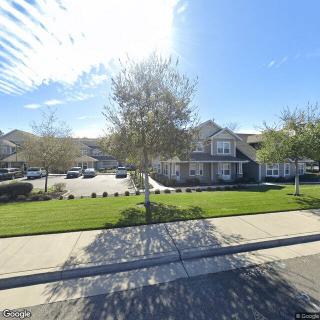
Multiple reviews describe the community as clean, bright, and well cared for, with common areas that feel open rather than dark or hospital-like. Several mention comfortable rooms and apartment-style layouts, including kitchens or kitchenette areas depending on unit type. One review notes a completed renovation that left the property feeling very clean and updated. A couple of reviews mention drawbacks like cluttered navigation or outdated decor, but the dominant theme is how maintained the environment feels.
caveat8 reviews mention this
Cost is higher than expected
Several reviews say pricing felt high and that the care cost expectations could be unclear.
A recurring concern is that the community costs more than other options families compared. Some reviews also raise questions about how “extra care” is priced and what is included versus billed separately. Even among otherwise positive experiences, a few reviewers call out concerns about value after their loved one’s needs increased. The pricing shown for multiple unit types also places the cost above county and state levels in several categories, reinforcing why cost comes up frequently.
common3 reviews mention this
Local access is often convenient
Families mention the area as convenient, and the listing is near everyday stops and services.
A few reviews point to the location as convenient and easy to access. The community is also near common services in the area, including pharmacies and nearby dining, plus parks for outdoor time. This can make it simpler for visiting family to run errands or meet up for outings. Reviews don’t focus on a detailed radius, but they do repeatedly mention convenience.
How we summarize
Counts show how many written reviews mention each theme; a review can touch several themes, and only frequently mentioned themes are displayed.
Features
Housing
110 resident community capacity
Types of Care
Assisted Living
Independent Living
Memory Care
Pets
Cats allowed
Dogs allowed
Amenities
Activities off-site
Activities on-site
Air-conditioning
Beautician on-site
Beauty salon
Cable or satellite TV
Computer center
Devotional services off-site
Devotional services on-site
Dining room
Fitness room
Fully furnished
Gaming room
Garden
Ground floor units
Handicap accessible
Housekeeping services
Indoor common areas
Kitchenette
Move-in coordination
Outdoor common areas
Outdoor space
Pet friendly
Private bathrooms
Respite or short term stays offered
Restaurant-style dining
Small library
Telephone
Wellness center
Wheelchair accessible showers
Wi-Fi/high-speed internet available
Transportation
Sacramento International (22 miles away)
Community operated transportation
Transportation arrangement
Transportation arrangement (non-medical)
Care Services
12-16 hour nursing
24-hour call system
24-hour supervision
Activities of daily living assistance
Ambulatory care
Assistance with bathing
Assistance with dressing
Assistance with transfers
Coordination with health care providers
Dementia waiver
Diabetes diet
Hospice waiver
Incontinence care
Meal preparation and service
Medication management
Mental wellness program
Mild cognitive impairment
Special dietary restrictions
Specialized memory care programming
Transportation arrangement (medical)
Transportation to doctors appointments
Dining
Anytime dining
Diabetes diet
Gluten-free
Guest meals
International cuisine
Low / no sodium
Meals provided
No Sugar
Professional chef
Restaurant style dining
Room service
Special dietary restrictions
Vegan
Vegetarian
Activities
Art classes
Catholic services
Community-sponsored activities
Concierge services
Cooking classes
Day trips and outings
Devotional activities offsite
Devotional activities on-site
Educational speakers / life long learning
Fitness programs
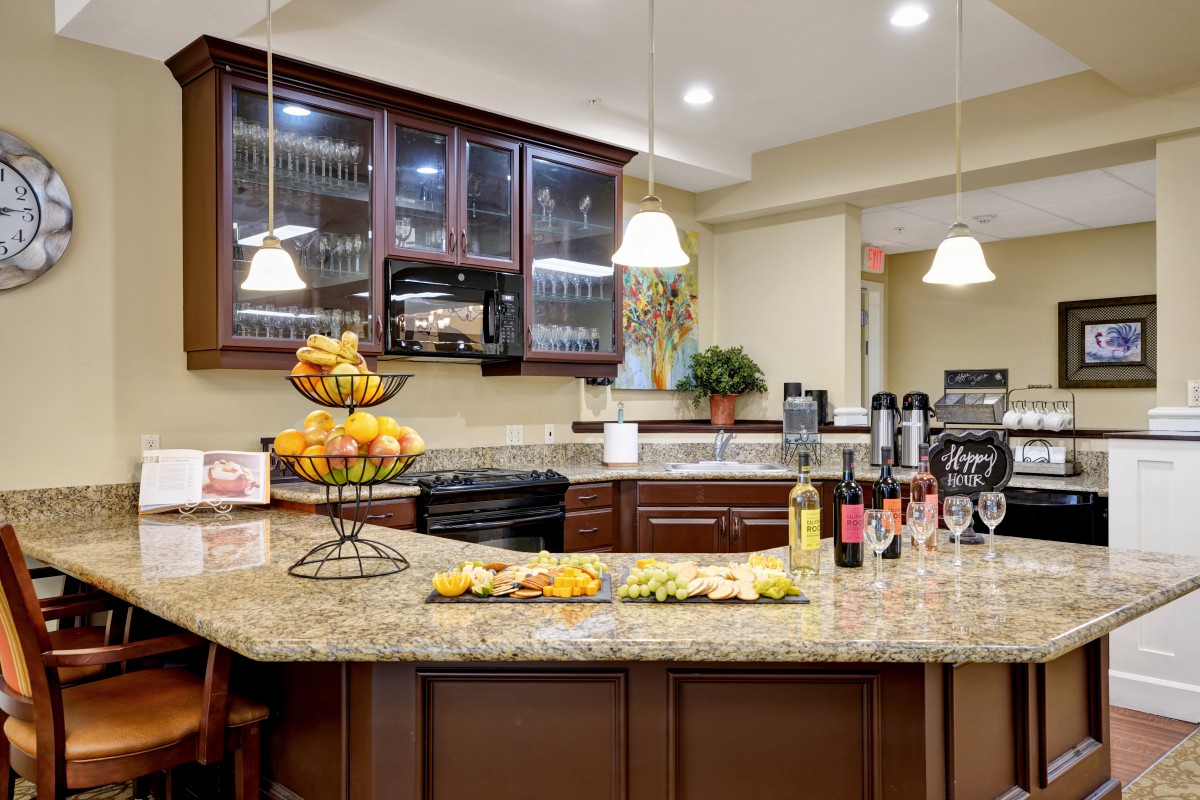
Happy hour
Karaoke
Live musical performances
Other religious services
Planned day trips
Protestant services
Resident-run activities
Scheduled daily activities
Wine tasting
Videos
Nearby Places of Interest
This part of Elk Grove, California, offers a convenient and well-equipped community for senior living. With a variety of pharmacies located within close proximity, access to medical care and prescription services is readily available. There are also several physicians' offices nearby, including specialists in hearing care, optometry, and women's health. Additionally, there is a selection of restaurants offering diverse cuisine options for dining out. The area boasts numerous parks where seniors can enjoy outdoor activities and relaxation. Places of worship are also easily accessible for those seeking spiritual connection. The presence of reputable hospitals ensures that quality healthcare is within reach. Overall, this neighborhood provides a comfortable and convenient environment for seniors looking to settle in the Elk Grove area.
Pharmacies
Walmart Pharmacy (0.4 miles)
Elk Grove Pharmacy (0.4 miles)
Valley Relief Pharmacists (0.6 miles)
CVS Pharmacy (0.7 miles)
Laguna Medical Pharmacy (0.8 miles)
Rite Aid (1.1 miles)
Kaiser Permanente Pharmacy (1.1 miles)
Physicians
Elk Grove Hearing Care (0.7 miles)
EyeOptics Optometry Center (0.9 miles)
Pramila Penta MD (1.2 miles)
Health Care for Women Medical Group (1.7 miles)
NVISION Eye Centers - Sacramento (3.9 miles)
Kaiser Permanente Medical Group (4.5 miles)
Site for Sore Eyes - Pocket (8.8 miles)
Restaurants
West Coast Sourdough (0.8 miles)
Romano's Macaroni Grill (0.9 miles)
Chick-Fil-A (1 miles)
Raising Cane's Chicken Fingers (1.1 miles)
Journey to the Dumpling (1.4 miles)
Snowfox Sushi (1.9 miles)
Wingstop (3.2 miles)
Cafes
Starbucks (1.5 miles)
Dutch Bros Coffee (2.4 miles)
Starbucks (2.7 miles)
Starbucks (3.5 miles)
Starbucks (8 miles)
Kampala Café (10.6 miles)
Chocolate Fish Coffee Roasters (10.8 miles)
Parks
CSD Youth Center/McConnell Playground (1.7 miles)
Laguna Community Park (1.8 miles)
Elk Grove Regional Park (1.8 miles)
Morse Park (2.2 miles)
JM Derr & Peter And Sue Okomoto Community Park (3.3 miles)
Renfree Park (9.5 miles)
Curtis Park (10.2 miles)
Places of Worship
LifePointe Christian Church (2.4 miles)
Harvest Church (2.6 miles)
New Hope Community Church Sacramento (7.2 miles)
Hospitals
Kaiser Permanente Hospitals (4.3 miles)
Kaiser Permanente South Sacramento Medical Center (4.4 miles)
The Commons At Elk Grove offers a range of room types with costs that reflect its unique amenities and services compared to the broader pricing landscape of Sacramento County and California as a whole. For instance, the monthly rate for a studio apartment at The Commons stands at $4,470, which is notably higher than both the county average of $3,865 and the state average of $4,145. Similarly, one-bedroom units are priced at $4,945, surpassing the county's rate of $3,758 and aligning closely with the statewide average of $4,340. Semi-private accommodations are significantly higher at $6,250 compared to just $3,106 in Sacramento County and $3,333 statewide. Lastly, for those seeking more space, two-bedroom units come in at $6,450 - again above the county's cost of $4,303 and slightly below California's average of $5,270. Overall, while The Commons At Elk Grove tends to be on the pricier side within its regional context, these rates may be indicative of enhanced living standards and care options provided within this community.
The Commons At Elk Grove offers a comprehensive range of features that directly address the unique needs of residents with dementia or Alzheimer's disease, ensuring their safety and comfort while promoting their well-being. With 24-hour supervision, residents receive constant monitoring to prevent wandering and ensure immediate assistance whenever needed. Activities of daily living assistance is crucial for those facing cognitive challenges, as it helps maintain independence in a supportive environment. Personalized support in bathing and dressing not only enhances dignity but also encourages self-esteem. The specialized memory care programming fosters cognitive engagement through tailored activities designed to stimulate mental faculties while the mental wellness program addresses emotional health, minimizing anxiety and depression often associated with memory disorders. Coordination with healthcare providers guarantees that residents receive comprehensive medical oversight, while medication management ensures adherence to prescribed treatments without confusion. Incontinence care provides essential comfort and hygiene, while meal preparation and service cater to dietary needs and preferences. Furthermore, transportation arrangements for medical appointments alleviate concerns about mobility, allowing residents to receive necessary care seamlessly. These interconnected services work synergistically to create a nurturing atmosphere conducive to both physical safety and mental stimulation for individuals at varying stages of memory impairment.
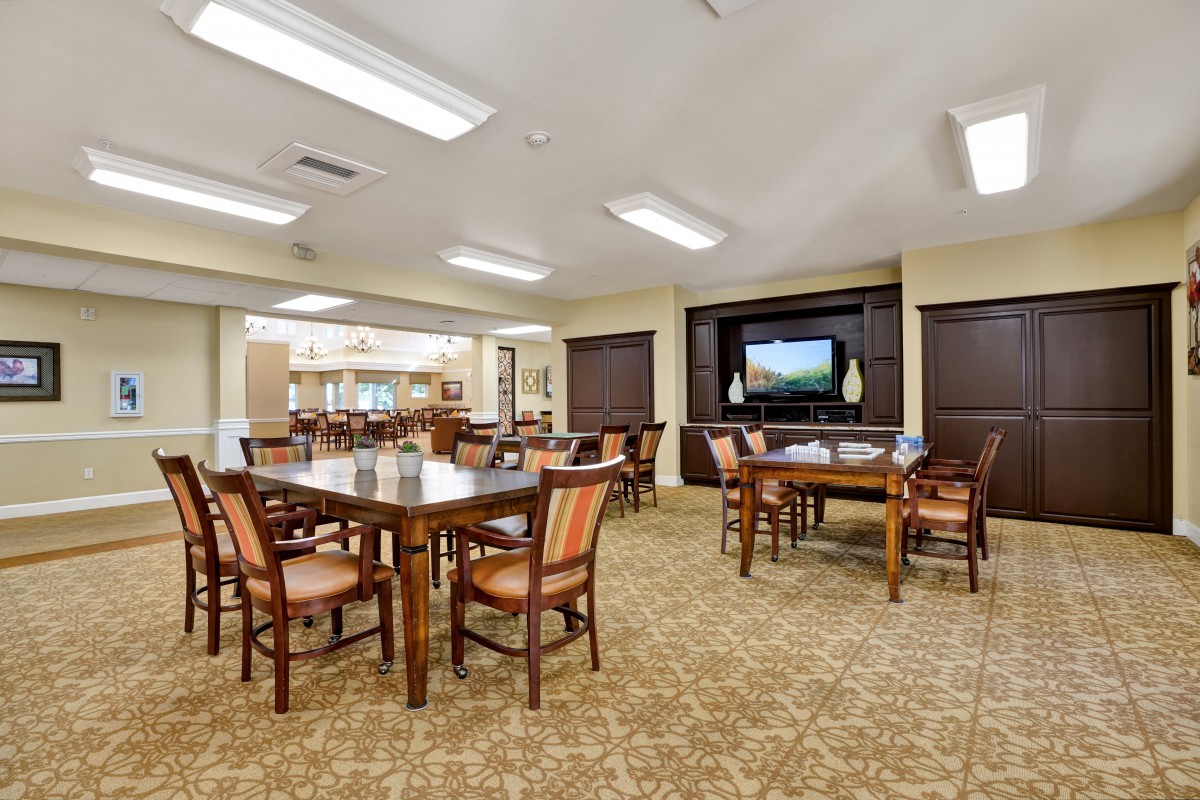
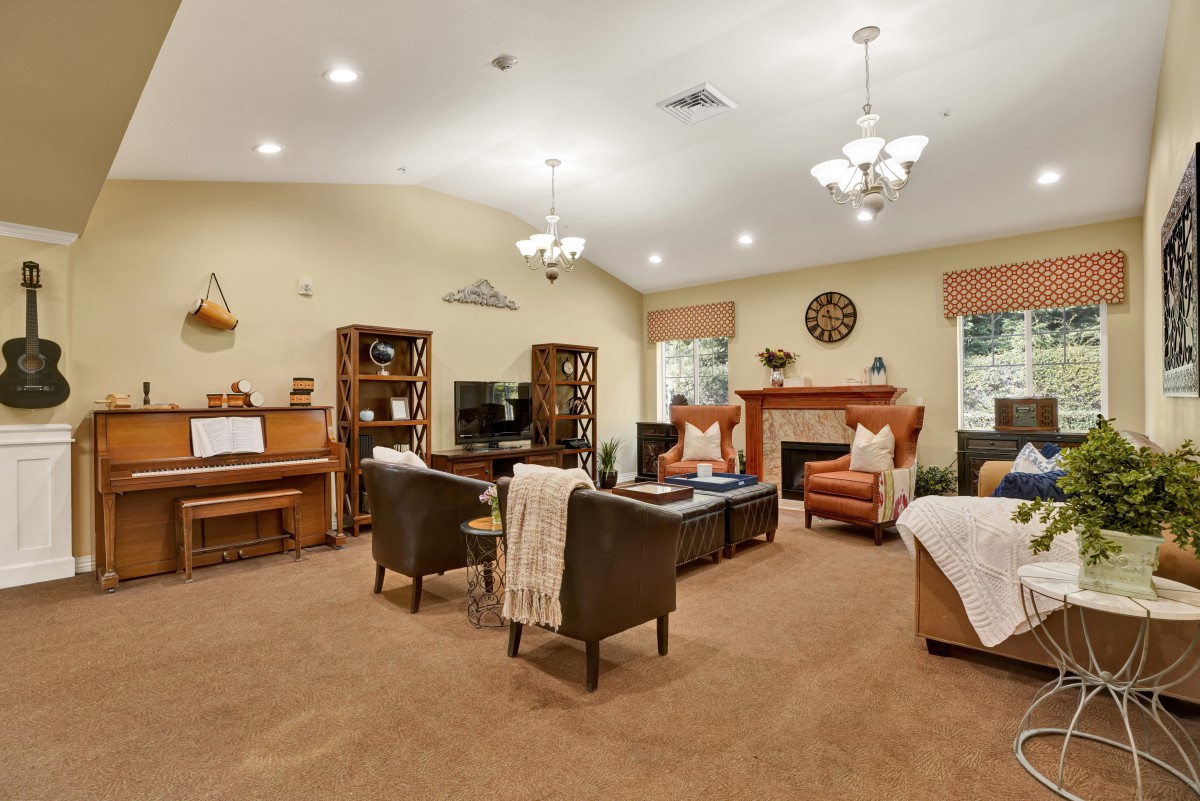
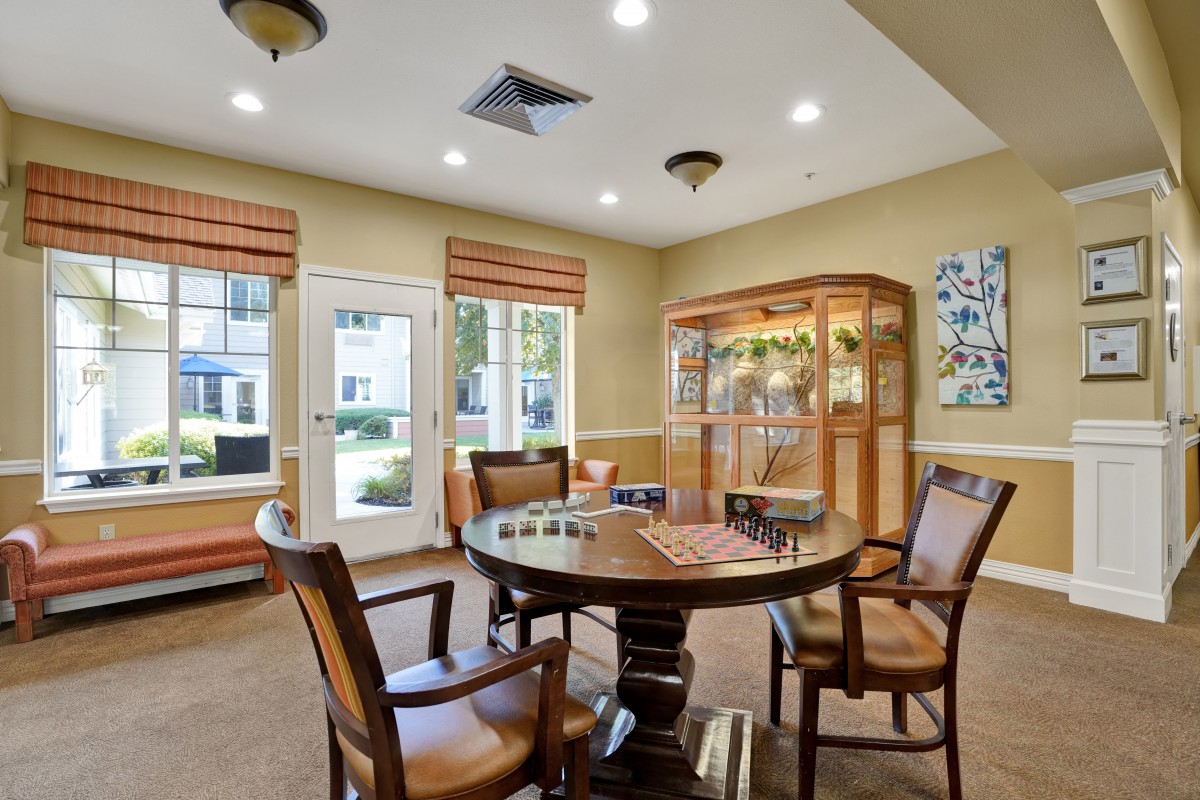
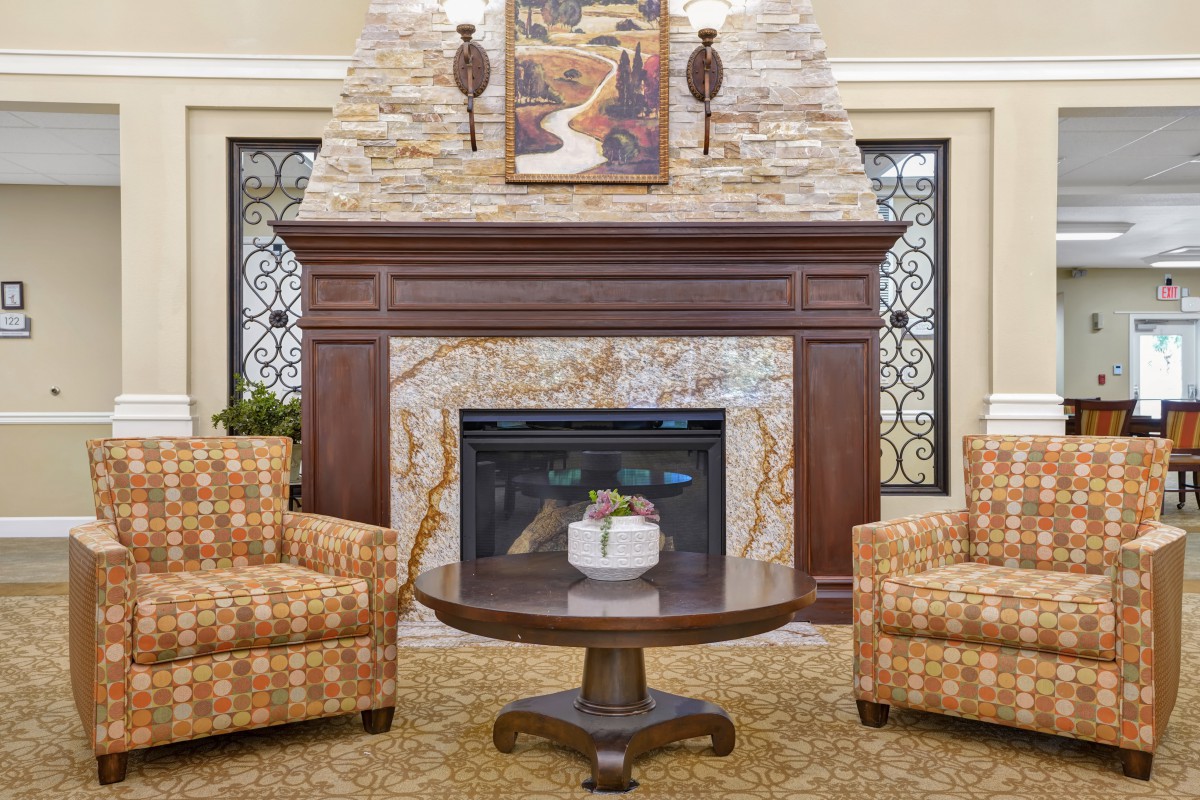
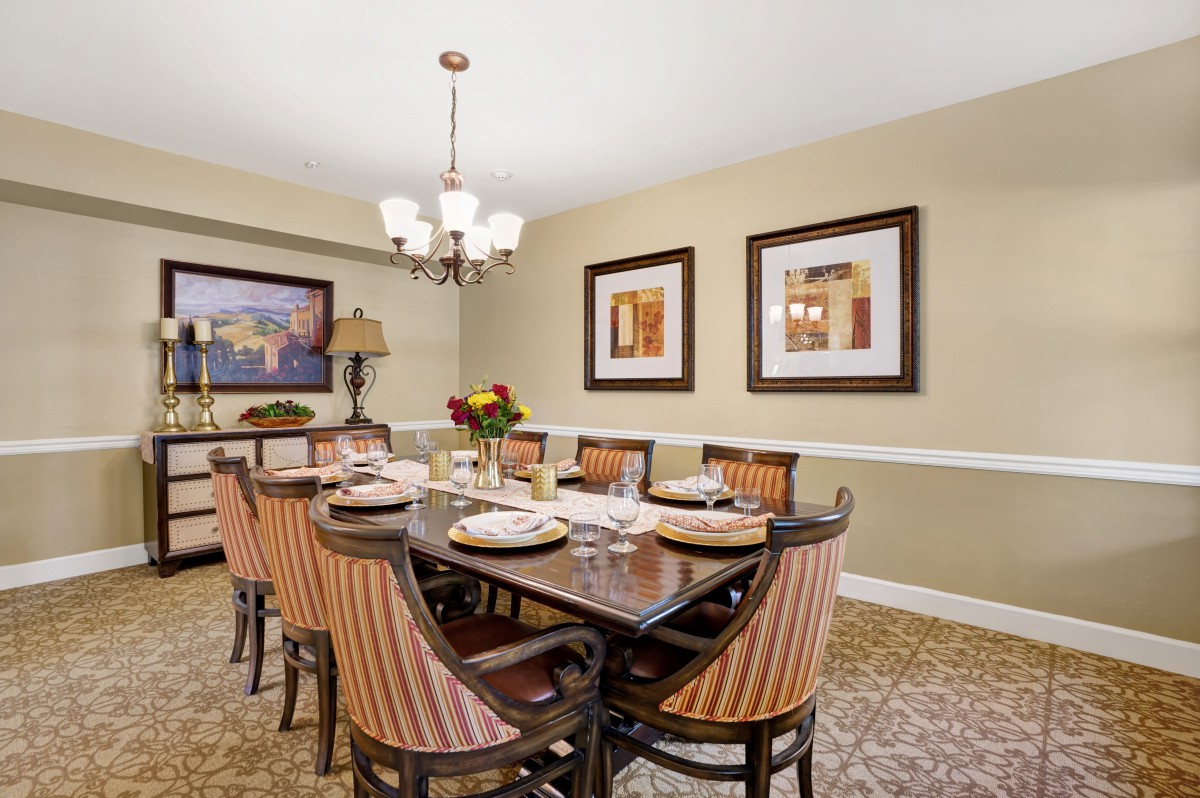
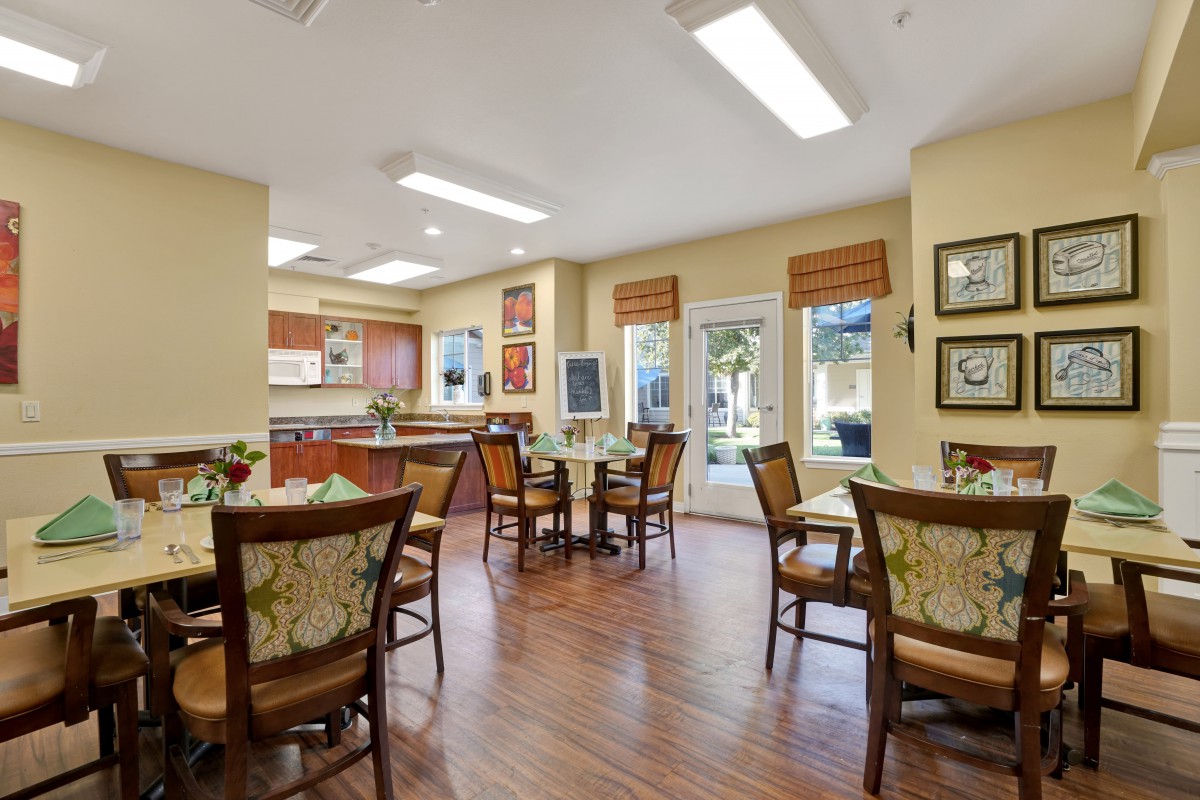
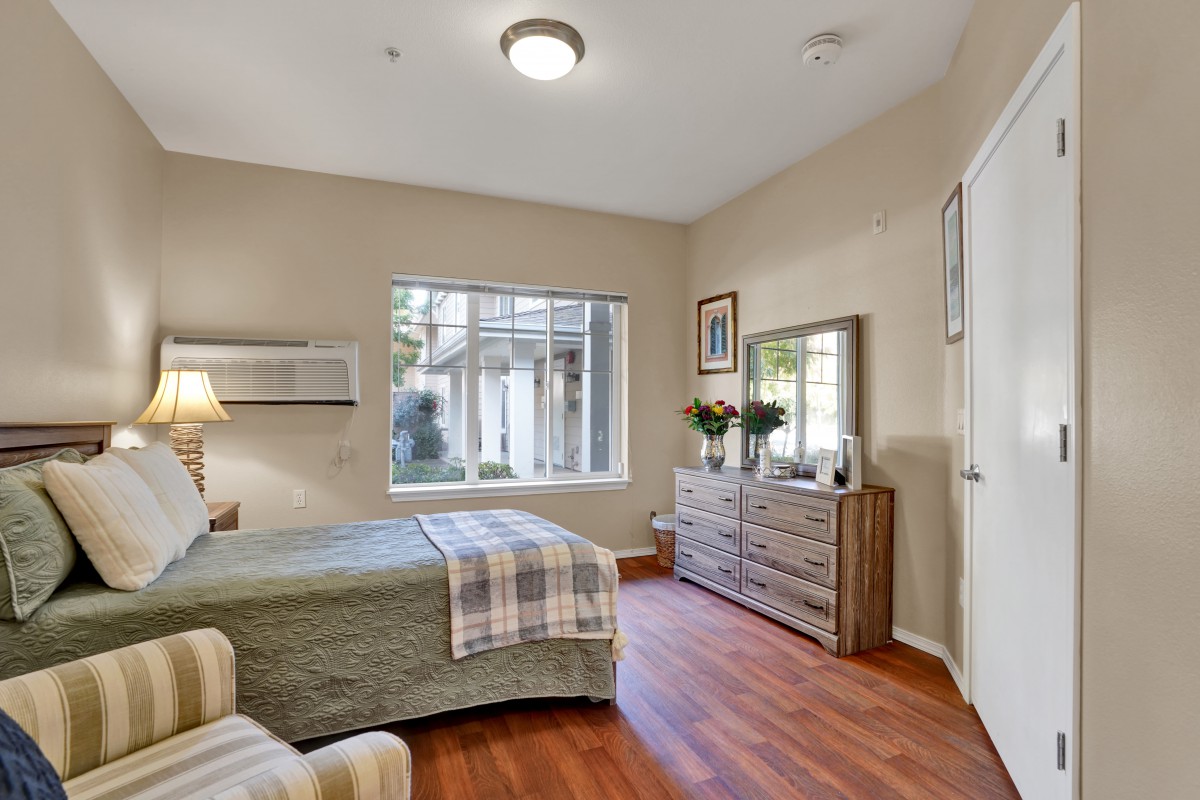
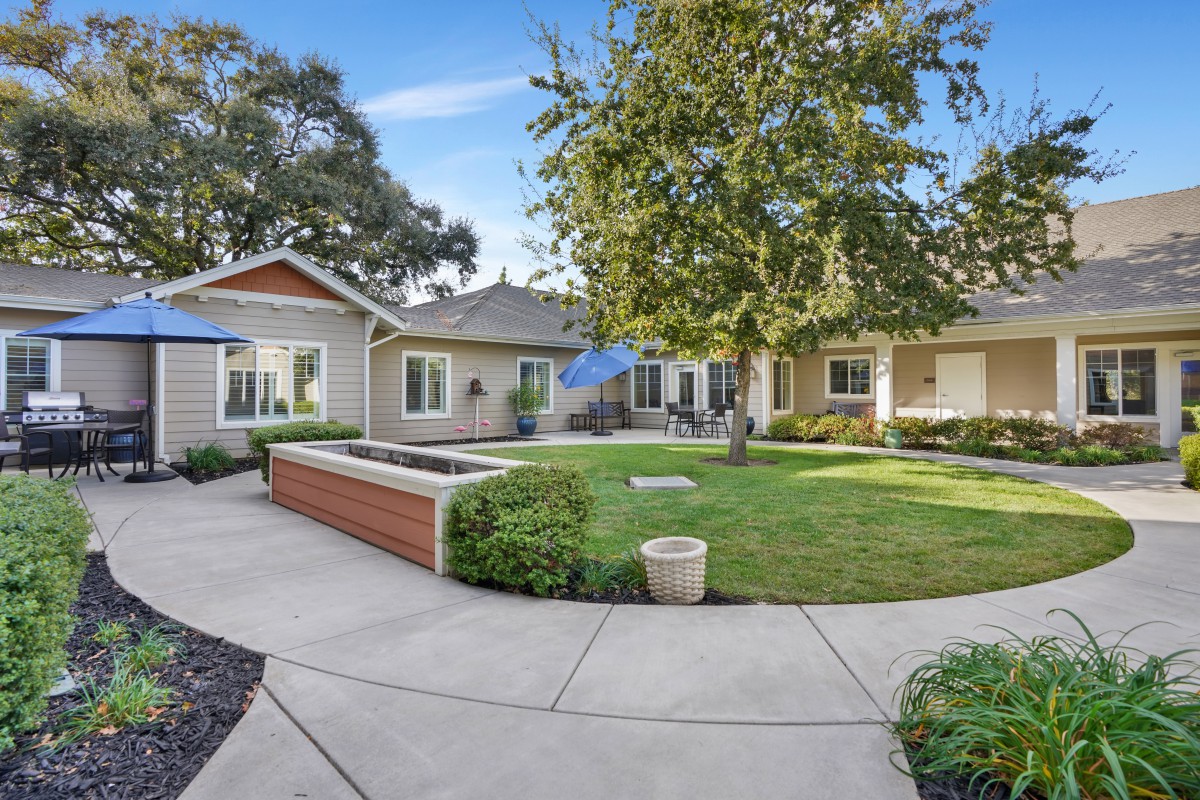
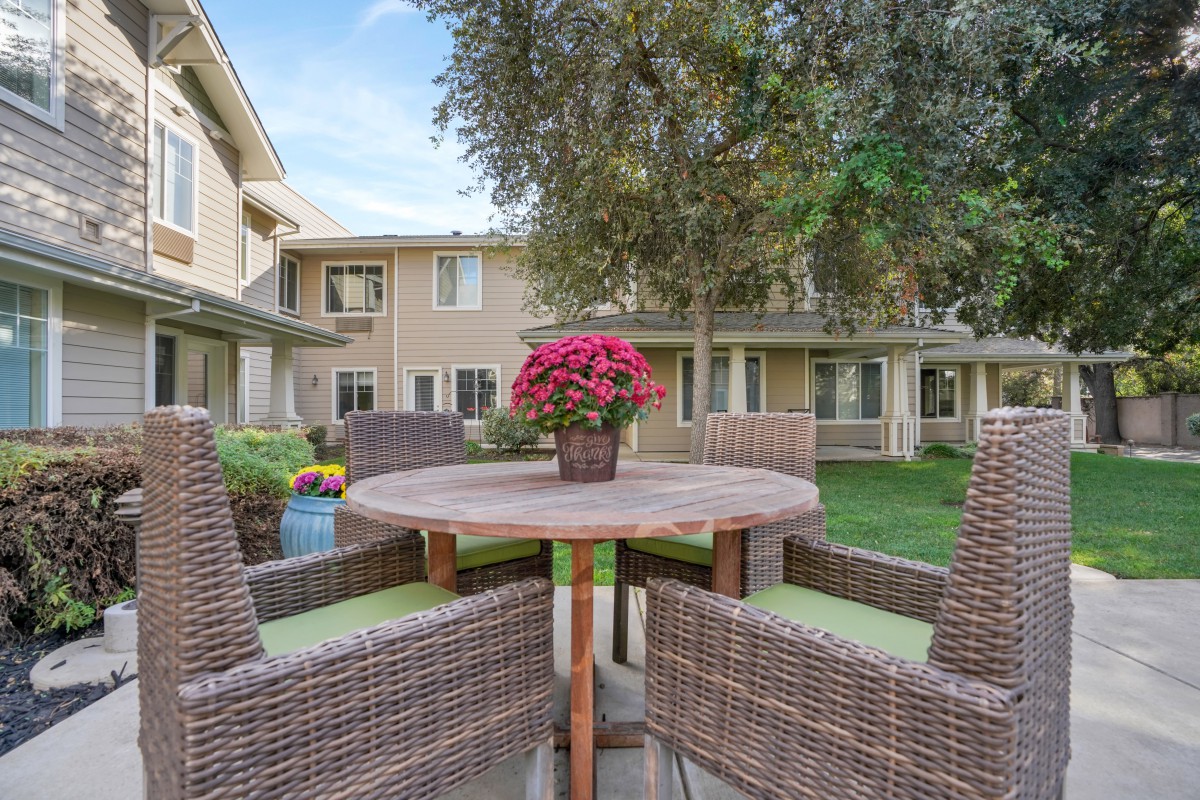
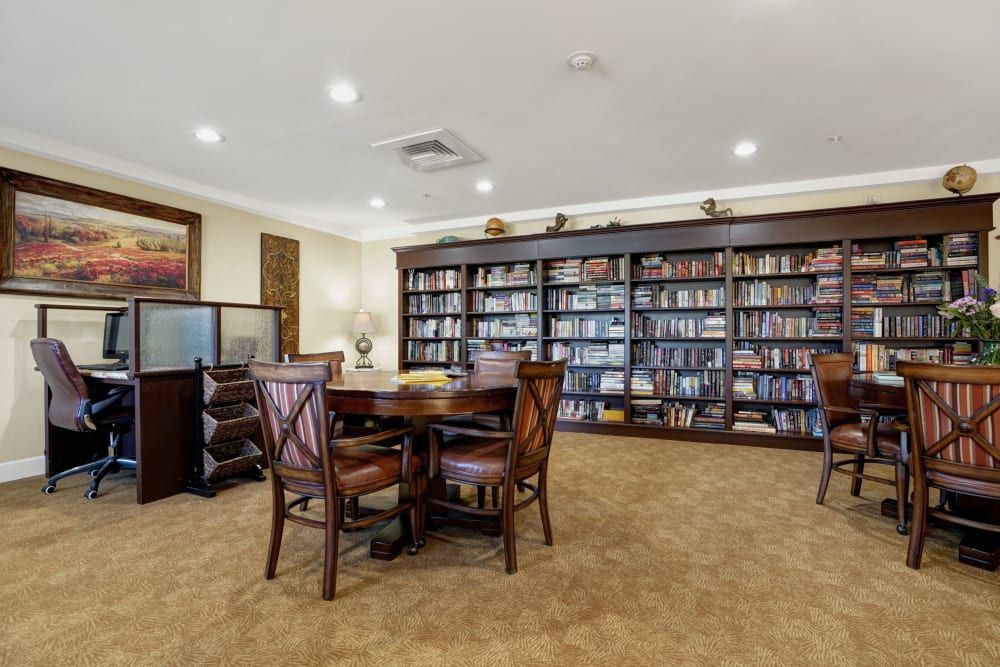
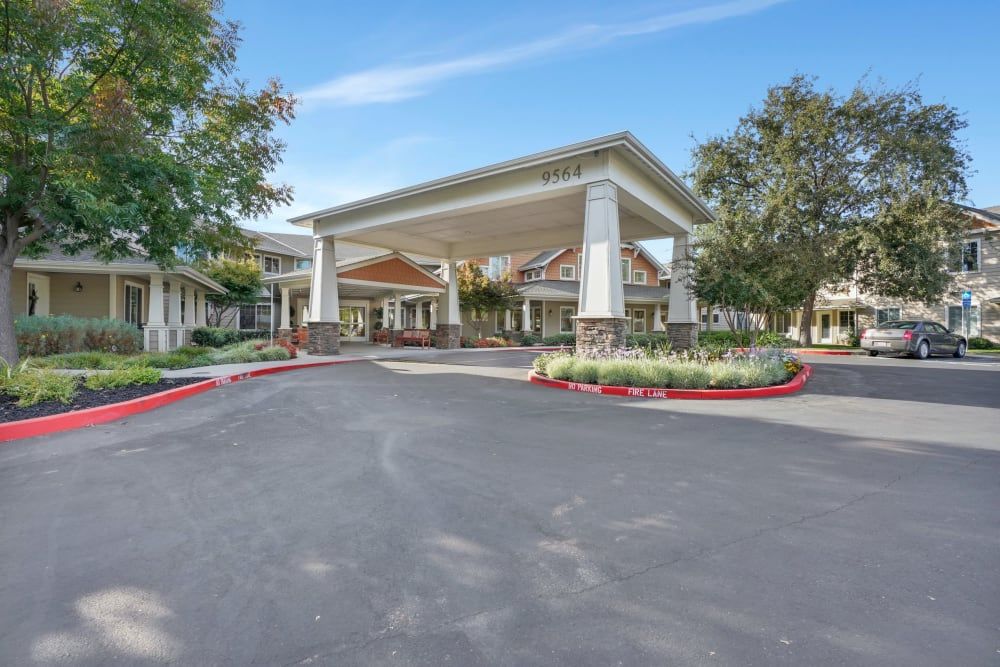
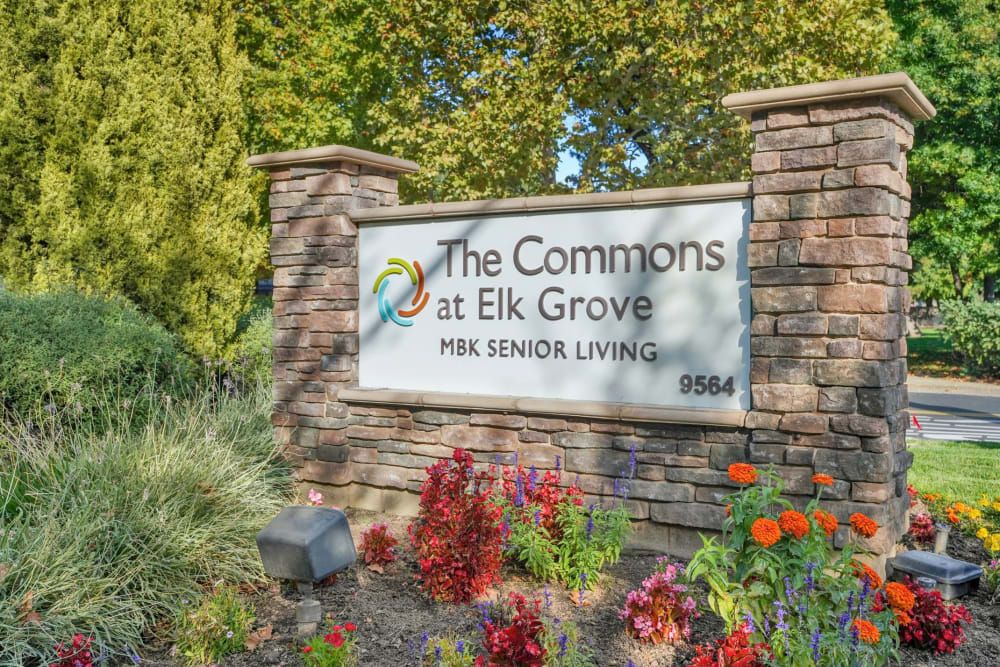
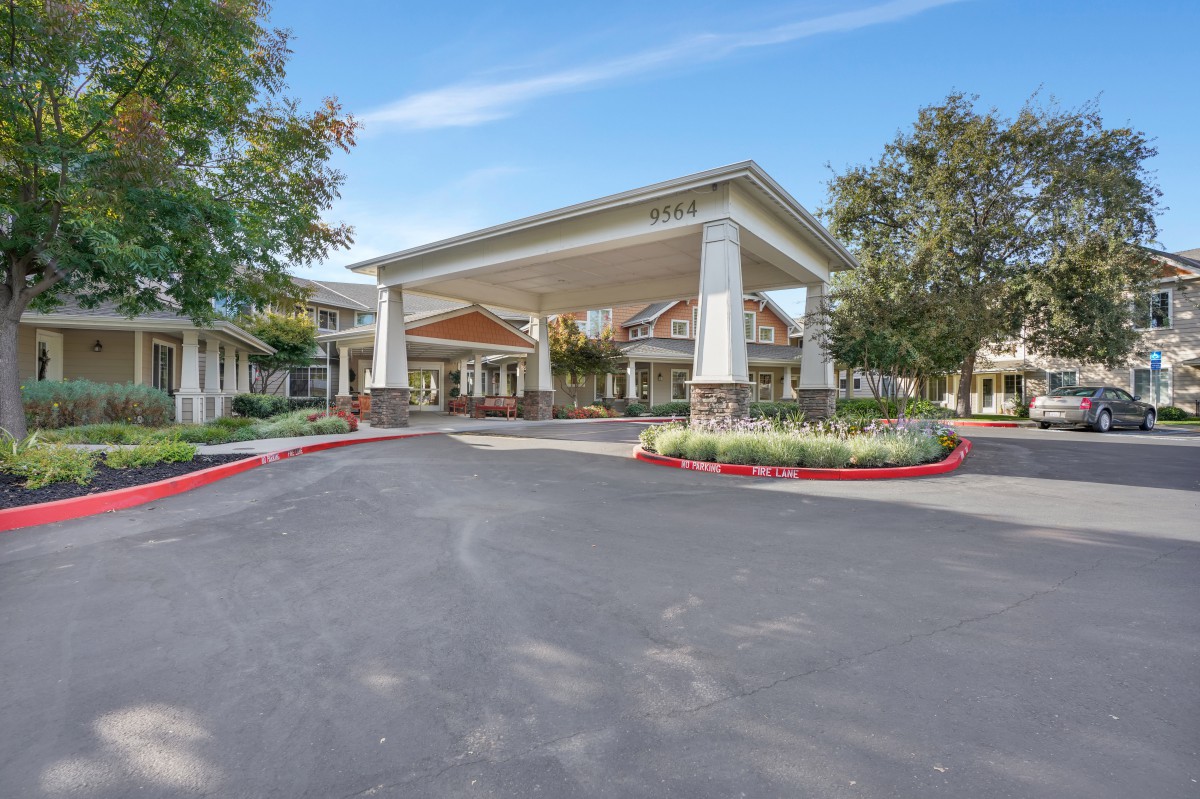
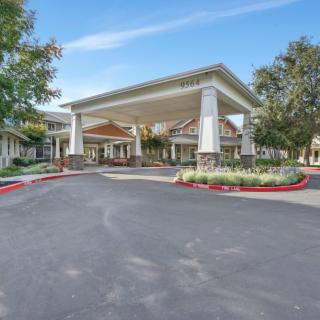
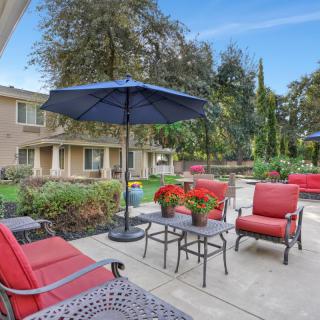
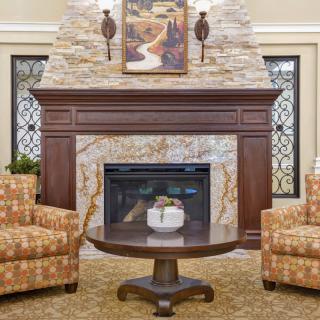
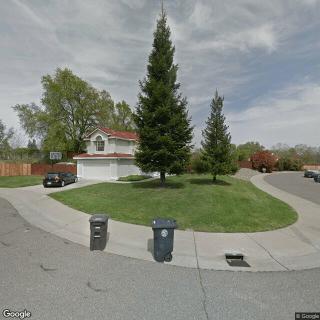
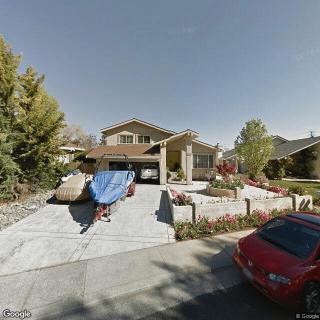
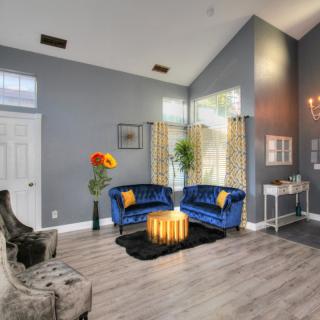
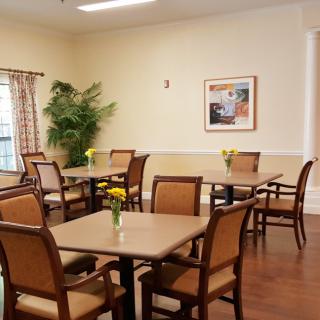
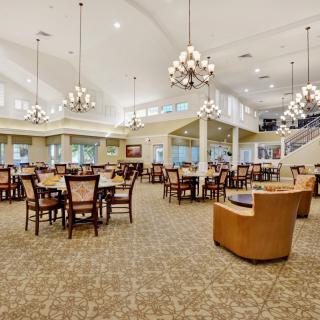
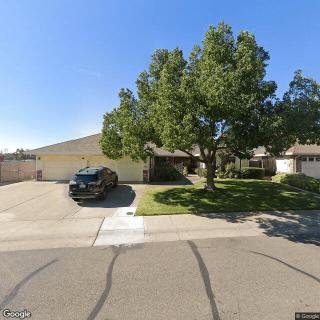
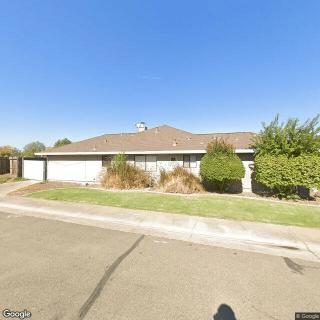
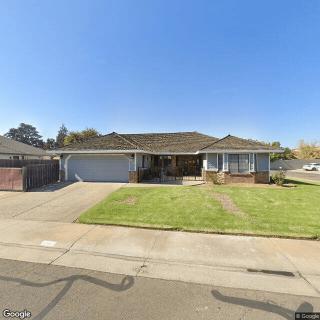
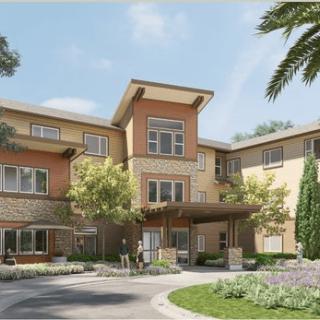
The Commons At Elk Grove on seniors.fyi includes 24 photos including images showing interior, floor plan, decor, bedroom, dining, landscaping, outdoor, living room, and more.
Nearby Communities
Angelic Eldercare
Elk Grove, CA
3.9 from 7 reviews
$3,500 / month
Beautiful, clean, and well-maintained facility with friendly staff.
The Park at Laguna Springs
Elk Grove, CA
4.9 from 97 reviews
$4,100 to $6,500 / month
Clean, friendly staff with upscale design and engaging activities.
Gardens At Laguna Springs
Eld Grove, CA
4.6 from 44 reviews
Specialized memory-care with 24/7 nursing and personalized activities.
Rebecca's Guest Home
Elk Grove, CA
4 from 19 reviews
$3,000 / month
Kind staff; clean, welcoming environment with engaging activities.
JD Tomblins Guest Home I
Elk Grove, CA
4.3 from 119 reviews
$2,200 / month
Affordable private room with nearby amenities.
Jd Paran Guest Home
Elk Grove, CA
Small, personalized board-and-care with 24/7 supervision, ADL support, meals, and activities.
Bruceville Point
Elk Grove, CA
4.7 from 41 reviews
$3,996 to $5,895 / month
Clean facility with friendly staff, engaging activities, and quality dining.
WellQuest of Elk Grove
Elk Grove, CA
4.8 from 99 reviews
$3,250 to $5,050 / month
Friendly, professional staff; clean, modern, hotel-like ambiance; spacious apartments with on-site dining and engaging activities.
Alegre Home Care - Elk Grove
Elk Grove, CA
4.3 from 10 reviews
Prime Elk Grove location with easy access to cafes, parks, pharmacies, doctors, restaurants, and places of worship for a convenient, active lifestyle.
Dementia, influenced by aging and certain medications, may be exacerbated by drug classes such as anticholinergics, benzodiazepines, and antipsychotics, which are associated with cognitive impairment. Regular medication reviews by healthcare professionals are crucial for older adults to manage risks and optimize cognitive health.
Dementia often results in disrupted sleep patterns, leading to excessive daytime sleeping due to factors like brain damage affecting circadian rhythms, medication side effects, and lack of structure in daily activities. Caregivers must monitor these changes closely, as oversleeping can increase risks such as malnutrition or dehydration, and provide necessary support and routines to enhance patient engagement and well-being.
The transition from assisted living to skilled nursing care is often prompted by complex medical needs that assisted living cannot meet, with key indicators including frequent health declines, increased falls, severe memory issues, and caregiver burnout. Families should recognize these signs early to discuss options with healthcare providers and prepare for the emotional and logistical aspects of moving to a facility that offers comprehensive medical support.
Get PricingAsk A QuestionSchedule A TourContact Senior Advisor
By clicking submit, you agree to our Partner's Terms of Use. You
also consent to receive calls and texts, which may be autodialed, from our Partner. Your consent is not a condition to
using our Partner's service. Please visit our Partner's Privacy Policy for information about their privacy practices.


 110 resident community capacity
 Assisted Living
 Independent Living
 Memory Care
 Cats allowed
 Dogs allowed
 Activities off-site
 Air-conditioning
 Beautician on-site
 Cable or satellite TV
 Computer center
 Devotional services off-site
 Dining room
 Fitness room
 Fully furnished
 Gaming room
 Garden
 Ground floor units
 Handicap accessible
 Housekeeping services
 Indoor common areas
 Kitchenette
 Move-in coordination
 Outdoor common areas
 Pet friendly
 Private bathrooms
 Respite or short term stays offered
 Restaurant-style dining
 Small library
 Telephone
 Wellness center
 Wheelchair accessible showers
 Wi-Fi/high-speed internet available
 Sacramento International (22 miles away)
 Community operated transportation
 12-16 hour nursing
 24-hour call system
 Ambulatory care
 Assistance with bathing
 Assistance with dressing
 Assistance with transfers
 Diabetes diet
 Hospice waiver
 Incontinence care
 Medication management
 Mental wellness program
 Special dietary restrictions
 Transportation arrangement (medical)
 Art classes
 Catholic services
 Concierge services
 Cooking classes
 Day trips and outings
 Educational speakers / life long learning
 Happy hour
 Karaoke
 Live musical performances
 Wine tasting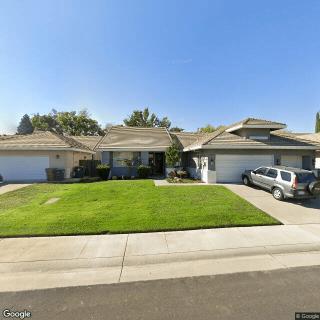
 Beautiful, clean, and well-maintained facility with friendly staff.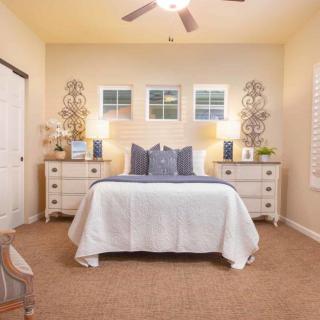
 A Thorough Discussion of Medications Potentially Linked to Dementia Risk
 Why Do Dementia Patients Sleep So Much? Understanding Oversleeping, Stages, and Care Approaches
 8 Key Indicators That Suggest It May Be Time to Transition from Assisted Living to Skilled Nursing Care