

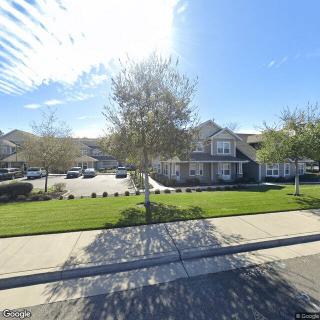
9381 E. Stockton Blvd., Ste. 200, Elk Grove, CA 95624
To contact a resident: (916) 753-1491
For more information about senior living options: (866) 208-4318
Overall Review of Loving Companions Senior Services
Pros
 The office team at Senior Helpers of Elk Grove is responsive and patient, taking time to answer questions and walk families through the best options to keep loved ones safe and comfortable at home.
- The staff listened to the loved one’s personality, routines, and health needs and matched her with a caregiver who was the perfect fit.
- Since partnering with Senior Helpers of Elk Grove, the mom is happier and more comfortable at home, safer and more active during the day, and no longer feels so alone.
- The caregiver helps with everything, from personal care to running errands, and always shows up with kindness and a cheerful attitude.
- The office team is wonderful, keeps in touch, checks in often, and is quick to respond.
- The caregiver is wonderful and goes above and beyond, providing extra hours when needed.
- Most of the caregivers are very caring and loving.
Cons
 The company is having trouble with bookkeeping.
- The company is having trouble providing a backup caregiver.
- The organization has recently changed a lot of things and moved offices, creating uncertainty about future improvements.
- The office did not provide a second caregiver as expected, indicating organizational issues.
Review
This Elk Grove in-home care partner is best suited for families who want to preserve a loved one’s independence at home, relying on compassionate, personalized assistance rather than a facility move. It shines for seniors who need daily living support, safety monitoring, light housekeeping, errands, and meaningful companionship, with care teams carefully matched to personality and routines. Families that prize clear, responsive communication will find the arrangement particularly reliable, because the office group makes a point of answering questions, laying out options, and coordinating care with a careful, attentive touch. The strongest value emerges when care plans are tailored to individual rhythms, so the right match between caregiver and client translates into steadier days, improved mood, and a sense of continuity that keeps familiar routines intact.
On the pro side, the standout strength lies in the office-caretaker alliance. The most consistent praise centers on the initial experience: the office team is described as responsive and patient, taking time to walk families through the best options to keep a loved one safe and comfortable at home. The process hinges on listening, really listening, to personality, routines, and health needs, then matching a caregiver who fits. Once in place, the benefits become tangible: the client often feels safer, more active during the day, and less isolated, with a caregiver who handles personal care and errands while maintaining a cheerful, dependable presence. The office team’s ongoing communication, check-ins, quick replies, and proactive follow-ups, helps families feel connected and informed, which smooths transitions and reduces uncertainty.
Yet, there are clear organizational imperfections that temper the otherwise favorable portrait. A notable critique centers on bookkeeping and the handling of backup staffing, signaling that administrative processes can lag behind the personal care delivered. The caregiver who is in place is frequently described as wonderful and genuinely committed, sometimes going beyond expectations to cover extra hours when a second person isn’t provided as promised. This tension, excellent hands paired with fragile scheduling and coverage plans, becomes most visible during or after office moves or other changes that disrupt routine. In short, the human element of care remains strong, but the administrative scaffolding requires stronger consistency to fully protect families from gaps in coverage.
The core question then becomes whether the strengths offset the weaknesses. For families prioritizing warmth, reliability of day-to-day interactions, and a caregiver who truly seems to “get” their loved one, the positives often carry significant weight. A well-matched caregiver can meaningfully improve safety, activity level, and emotional well-being, and a responsive office can mitigate small hiccups with timely communication and flexibility, evidenced by episodes where extra hours were provided to bridge a gap. However, the risk of scheduling variability and potential gaps in backup coverage should not be underestimated. For anyone whose situation hinges on rigid, guaranteed coverage across multiple shifts or who faces frequent care-plan changes, these administrative vulnerabilities could erode confidence over time.
Families should be candid about alternatives if the need for unwavering continuity is non-negotiable. Other Elk Grove providers with stronger, clearer backup policies, broader caregiver rosters, or more formalized contingency plans may offer greater peace of mind for high-need scenarios. Facility-based options, including assisted living or memory care, become worth considering when round-the-clock supervision, highly structured routines, or medical oversight are essential. The decision hinges on balancing the value of a warm, compatible caregiver and responsive office support against the reality of occasional administrative gaps. In the right circumstances, this provider remains a compelling choice; in others, a more robust or different model of care may better align with risk tolerance and care requirements.
For practical next steps, prospective families should demand crystal-clear arrangements before committing. Ask for a written backup and coverage policy, including how many different caregivers are available, how shifts are assigned, and what steps trigger a backup plan. Request a clear, itemized fee schedule and any add-ons, along with a defined trial period to test compatibility and response times. Insist on references from current clients, and insist on meeting the care team to assess rapport and bedside manner. In addition, outline a detailed care plan that covers safety checks, daily living tasks, and emergency procedures, and ensure the plan includes regular reviews and updates. The bottom line is straightforward: for families prioritizing a warm, compatible caregiving relationship and prompt office communication, this Elk Grove option offers considerable value; for those who cannot tolerate potential coverage gaps or administrative volatility, evaluating alternatives is prudent.
 Sacramento International (22 miles away)




 California's Form 602A: An In-Depth Examination of Senior Care Assessment
 Comprehensive Look at Senior Blood Pressure Charts: Normal and Elevated Levels by Age
 Top Canine Companions for Older Adults