

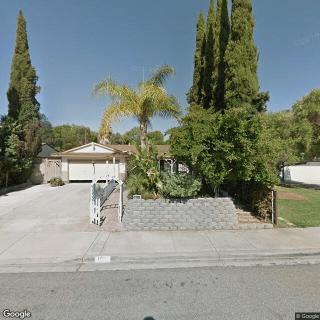
1019 Greenfield Drive, El Cajon, CA 92021
For more information about senior living options: (866) 208-4318
Senior Care & Comfort Living Costs & Pricing
Senior Care & Comfort Living offers competitive pricing for its accommodations, particularly when compared to the broader market in San Diego County and across California. For a semi-private room, residents can expect to pay $2,000 per month, significantly lower than the county average of $3,518 and the state average of $3,333. Similarly, for a private room, the monthly rate of $3,000 stands out against both San Diego County's $3,939 and California's $3,939 overall. This pricing structure not only emphasizes affordability but also highlights Senior Care & Comfort Living's commitment to providing quality care without compromising financial accessibility for seniors and their families.
| Floor plans | Senior Care & Comfort Living | San Diego County | California |
|---|---|---|---|
| Semi-Private | $2,000 | $3,518 | $3,333 |
| Private | $3,000 | $3,939 | $3,939 |
Assisted Living communities with a similar price nearby
-
from -$150 / mo
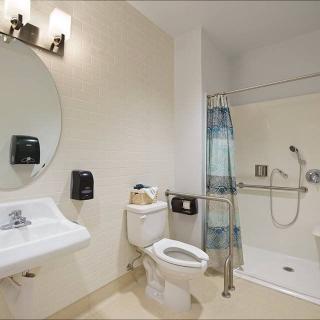
Paradise Valley Manor
$1,850 to $2,800 / month11.8 miles away -
About the same
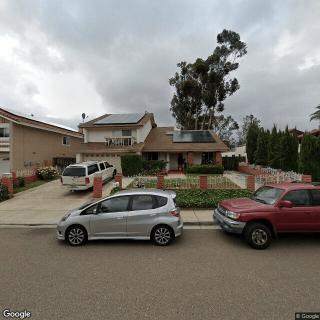
Tierrasanta Vernanel Care Home
$2,000 to $2,500 / month8.1 miles away -
About the same
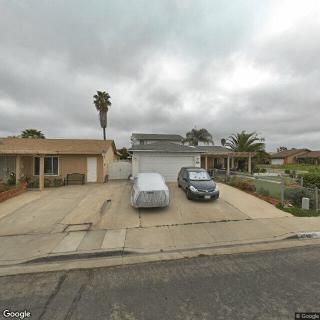
Emmaus Care II
$2,000 to $2,500 / month12.7 miles away -
from +$180 / mo

Monte Vista Village
$2,180 to $3,530 / month8.0 miles away -
from +$310 / mo
Canyon Villas
$2,310 to $3,880 / month14.6 miles away
Overall Review of Senior Care & Comfort Living
Pros
 The senior advisor helped her find the perfect place for her mother.
- The place is affordable and conveniently located about 15 minutes from home.
- The mom is doing fine and likes her new home.
- The staff provide caring, pleasing service and the home is clean.
- The mom enjoys the meals provided.
- The community looked great and the staff and residents were friendly and welcoming.
- The reviewer is very happy with the company and views it as good.
Cons
 The facility could not provide the level of care the resident needed.
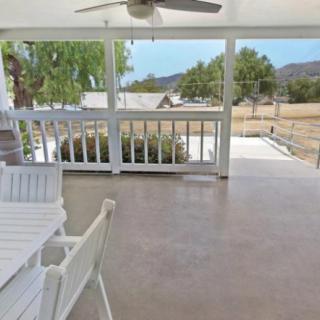
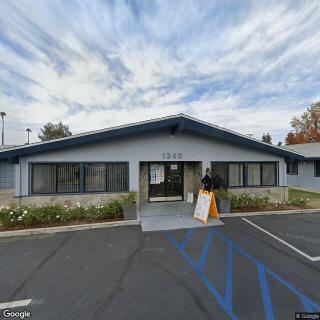
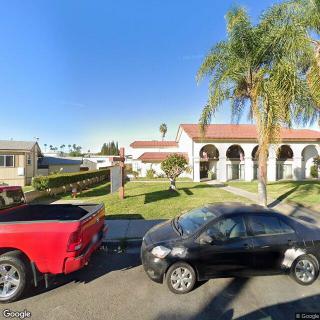
- The facility is located in a commercial area on a busy street with a run-down yard and no parking or visiting area outside.
- The facility does not offer many activities.
- The reviewer would not use or recommend the facility.
Review
Senior Care & Comfort Living in El Cajon is best suited for families seeking an affordable, uncomplicated senior living option that keeps a comfortable distance from the family home. It appeals to residents who value a clean, well-maintained, home-like atmosphere, straightforward meals, and dependable staff support over a buzzy, activity-packed campus. The strongest fit is a resident who does not require intensive medical oversight or specialized programming but wants predictable routines, a warm, welcoming vibe, and meals provided as part of the package. For someone who prizes proximity, being within a 15-minute drive, and a setting that feels more like a family residence than a hospital corridor, this community checks important boxes. Those seeking robust engagement or advanced clinical care should look elsewhere.
Potential residents who should consider alternatives include those with higher care needs, such as frequent medical monitoring or specialized therapies, who require a tightly structured activity schedule, or who demand extensive outdoor visiting space and parking. One review flagged that the property sits on a busy commercial street with limited parking and no inviting outside visiting area, a practical hurdle for regular family drop-ins. Another review cautioned that, despite an attractive appearance, the facility could not meet a specific level of care. In short, if strong programming, easy outdoor access, or significant parking availability are non-negotiable, exploring other options is prudent.
The core positives cluster around value and atmosphere. Affordability is repeatedly cited alongside clean, well-maintained spaces and meals that residents enjoy, which lightens the load for families. Staff appears consistently described as caring, with residents and visitors noting a friendly, welcoming culture. That combination often translates into a home-like experience that reduces the sterile feel of a larger campus, something many seniors and their families actively seek. When care needs are modest and companionship is sufficient, these strengths can more than offset the lack of high-energy activities. The pragmatic appeal is clear: a predictable routine, courteous service, and a comfortable, clean living environment. Residents commonly praise the meals and the sense of belonging, reinforcing the idea that steadiness can trump spectacle for many.
Yet the downsides are real enough to influence the decision. The most visible risk is the mismatch between available services and certain resident needs; at least one tour ended with the conclusion that the level of care could not be provided, which is a critical factor for families evaluating safety and continuity of care. Logistics can also pose friction: a busy street and limited outdoor visiting space, plus sparse parking, make regular visits harder and can complicate family logistics. The sense from one reviewer that the place was not recommendable underscores the importance of verifying alignment with individual care requirements and expectations before moving in. These cautions are not universal, but they matter in choosing a long-term home.
Practical due diligence can turn the odds in favor of a good fit. Before deciding, request a current care assessment and a clear explanation of what services are included, what can be provided on site, and what would require external referrals. Demand an up-to-date activities calendar and a tour focused on daily routines, mealtime norms, and opportunities for social interaction. Inspect parking, signage, and any outdoor spaces to confirm accessibility and ease of visits. Discuss transportation options for medical appointments if needed. Finally, consider proximity as a hedge against isolation, if driving is easy and visits are feasible, the home-like approach may be complemented by regular family presence.
Bottom line: Senior Care & Comfort Living is a strong option for families prioritizing affordability, proximity, and a home-like atmosphere with solid basic care and meals. It tends to work well when care needs are moderate and the desire is for a calm, comfortable environment rather than an activity-focused campus. The main caveats revolve around parking and external visiting logistics, plus the possibility that higher levels of care cannot be accommodated. If those constraints align with the residentā€™s profile, moving forward with a guided tour and a candid discussion about care capacity is advised. For those who require more structured programming or enhanced medical oversight, alternatives should be explored to avoid later dissatisfaction.
 6 resident community capacity
 Assisted Living
 Board and Care Home
 Cable or satellite TV
 Dining room
 Fully furnished
 Garden
 Housekeeping services
 Move-in coordination
 Outdoor space
 Private
 Telephone
 Wi-Fi/high-speed internet available
 San Diego International-Lindbergh (15 miles away)
 24-hour supervision
 Activities of daily living assistance
 Ambulatory care
 Assistance with bathing
 Assistance with dressing
 Assistance with transfers
 Diabetes diet
 Meal preparation and service
 Medication management
 Special dietary restrictions
 Transportation arrangement (medical)
 Transportation to doctors appointments




 Assisted Living and Memory Care: Understanding Their Core Differences
 Beyond the Bingo Hall: 50+ Enriching Activities for Seniors in Assisted Living
 Understanding the Distinctions: Assisted Living and Memory Care Explained