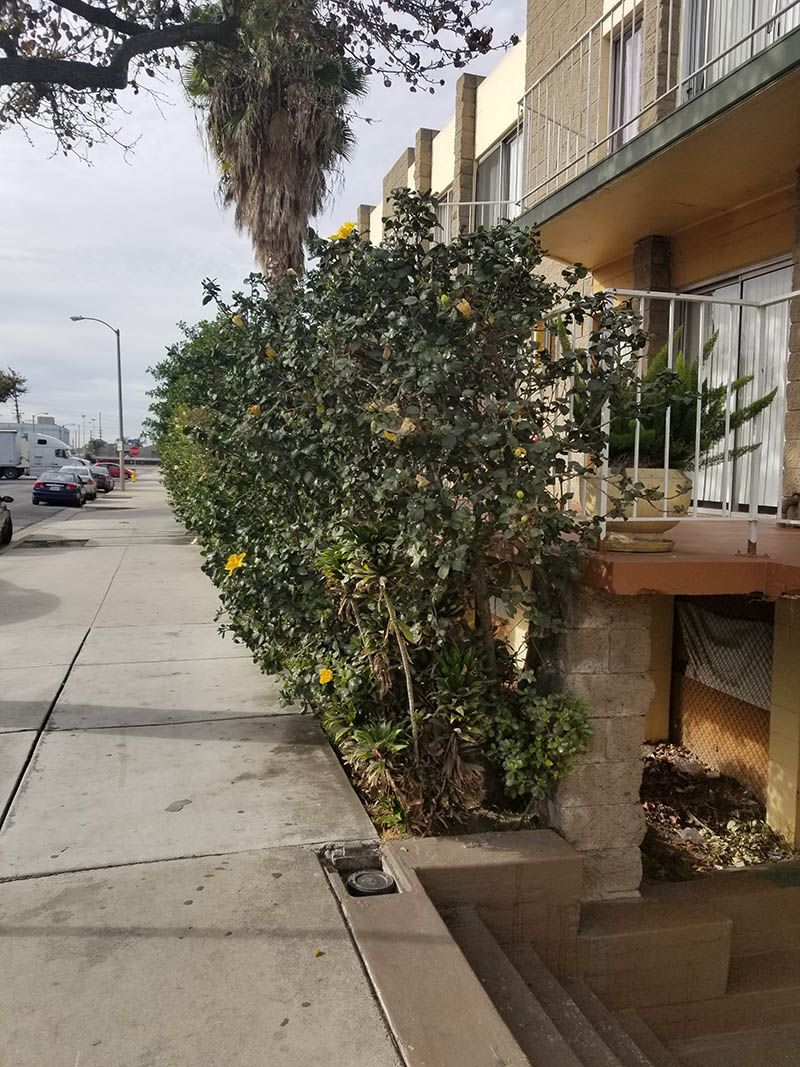




11111 Myrtle Street., Downey, CA 90241
For more information about senior living options: (866) 208-4318
Overall Review of Country Inn Of Downey
Pros
 The facility is amazing.
- The staff is amazing.
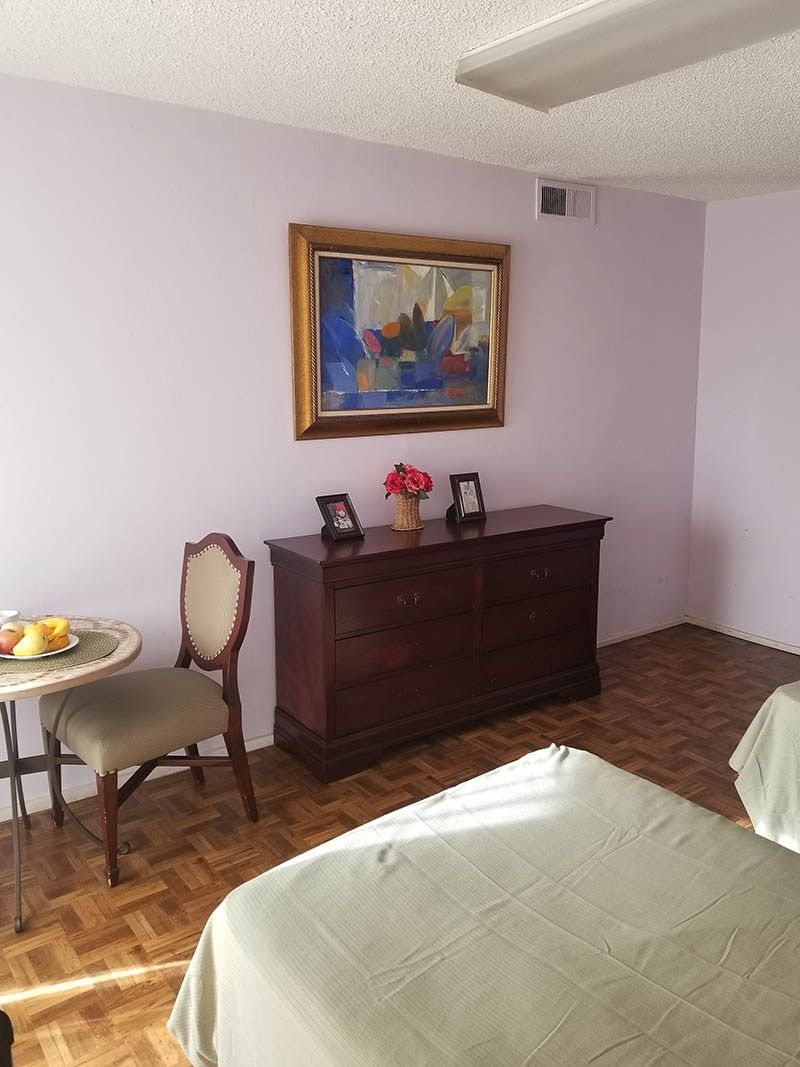
- The room is fantastic.
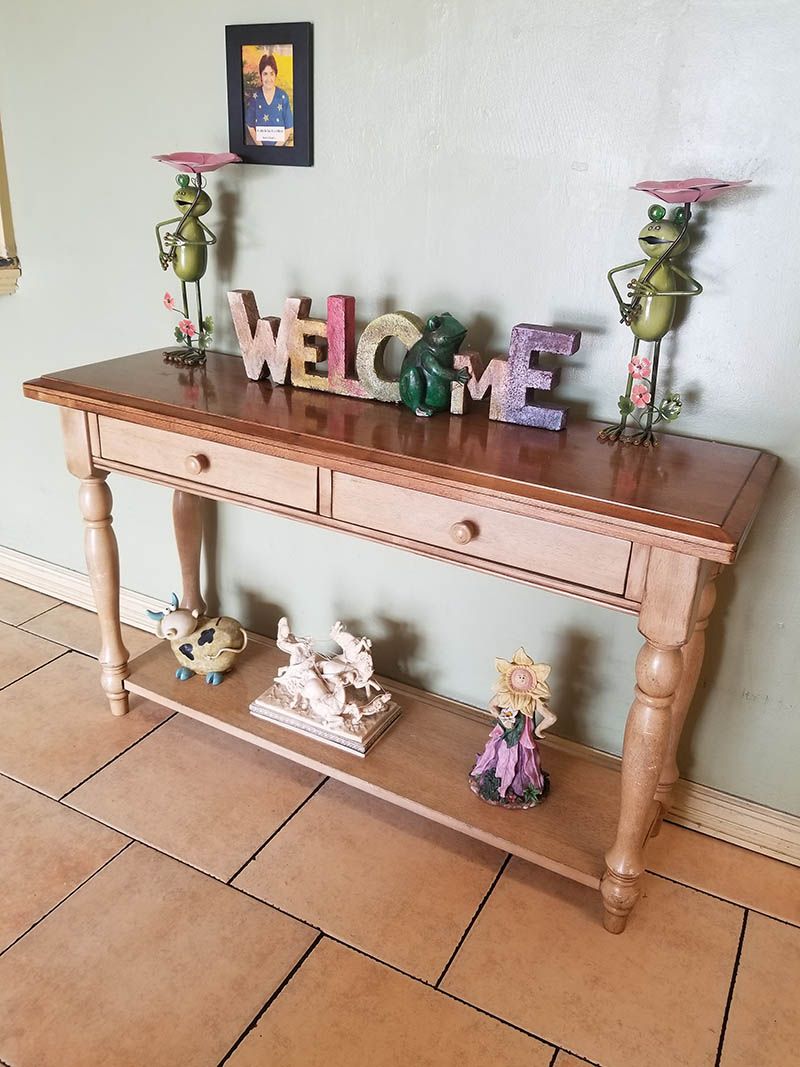
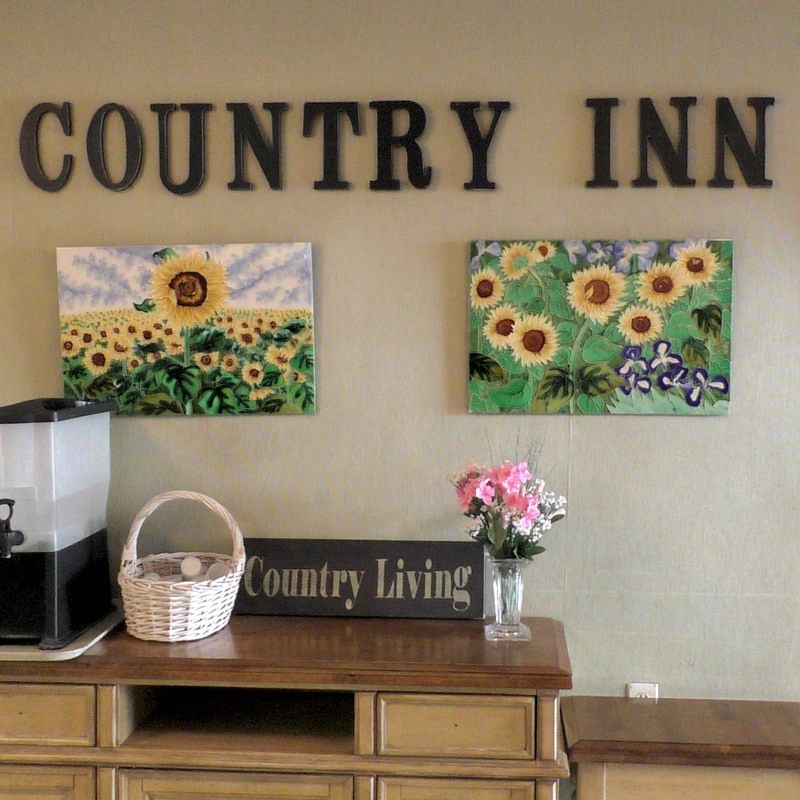
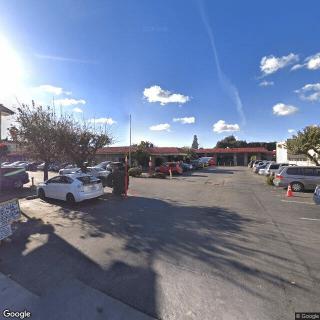
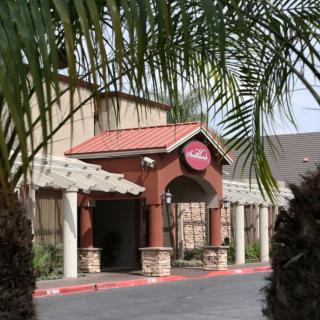
- The facility is clean and modern.
- The food is excellent.
- The place is well-liked by residents.
- The patio is nice.
- Residents have freedom to leave the facility for shopping and meals.
- The facility offers great value for the price.
- The administrator is caring and knows residents well.
- The administrator is flexible and goes above and beyond to accommodate residents and families with special needs.
- It is recommended.
Cons
 The reviewer did not like that many caregivers did not speak English and seemed more bothered and less caring.
- The reviewer noted that the administrator and assistant are related and had an attitude, which could be a reason for low ratings.
- The reviewer would not recommend taking a loved one there; the staff are not attentive to residents' needs, are rude and disrespectful, and some workers have sticky fingers.
- The reviewer reports that messages to return calls from social services had not been answered.
- The reviewer believes the facility would not be good for anyone who needed close monitoring of medication.
- The reviewer states that toward the end the facility smelled horrible and belongings disappeared, and the administrator was not friendly.
Review
Country Inn Of Downey is best suited for families seeking an affordable, independent-leaning option in Downey, with enough freedom for residents to come and go and a focus on a clean, comfortable environment. It works best for seniors who do not require intensive medication monitoring or constant hands-on assistance, and who prioritize a straightforward, value-oriented option over high-touch care. Those evaluating for someone who needs daily supervision, rigorous safety checks, or tightly coordinated medical care should look elsewhere. The community appears to deliver a baseline of cleanliness, decent meals, and general resident activity, but with notable caveats around staffing reliability and management responsiveness.
The strongest positives center on the basics that many families want: clean, well-maintained spaces and comfortable rooms, with a sense that the facility has a modern, people-friendly feel. Several accounts highlight generous, well-kept rooms and attractive common areas, along with consistently good-to-better dining experiences. The ability to stroll outside, access a patio, and even leave the campus for errands or meals without heavy restrictions stands out as a meaningful advantage for residents who prize autonomy. In some reviews, the administrator or long-standing staff are described as caring and flexible, contributing to an impression of a community that can be responsive when issues align with reasonable expectations.
Yet the picture is uneven, and the downsides are consistently persuasive for families weighing risk. A pattern emerges of inconsistent attentiveness among staff, with some caregivers described as helpful while others are viewed as less caring or difficult to reach. Language differences and perceived disengagement from certain workers raise concerns about day-to-day communication, especially for families who depend on precise instructions for medications or special routines. Administrative dynamics also surface as a friction point in multiple reviews, including impressions that some leadership attitudes influence the overall tone and problem-resolution process. These elements collectively weaken the sense of dependable care that many families prioritize.
Another cluster of concerns centers on safety and reliability: odor and cleanliness inconsistencies at times, items going missing, and perceptions of staff behavior that border on disrespectful. Reports of belongings disappearing and difficult contact with social services staff create anxiety about personal security and ongoing care planning. Such issues are not theoretical; they affect daily life, decision-making, and long-term arrangements. While some residents and visitors praise the level of independence and the lower cost, these benefits are often overshadowed by the risk-taking implicit in lax oversight and limited assurance around monitoring, incident follow-up, and accountability.
The key pros, cleanliness, comfortable accommodations, good food, and real resident freedom, do offset the appeal only to a point. For families where independence and cost are the guiding criteria, Country Inn Of Downey can be a workable interim or transitional option, provided expectations are tempered by the likelihood of variable staff performance and administrative responsiveness. For others, the balance tips toward risk: inconsistent staff attention, potential gaps in medication oversight, and the occasional perception that leadership can be slow to address concerns. In short, the value proposition is real, but the reliability of daily care is the real question.
Before committing, families should employ a disciplined due-diligence approach. Schedule visits during different shifts to observe how staff engage residents and how quickly requests are acknowledged. Probe the medication process: who administers, how errors are prevented, and how changes are communicated to families. Ask about vacancy rates, staff turnover, and the administrator’s involvement in problem-solving; request current resident and family references beyond surface impressions. Check for a transparent incident or dispute follow-up protocol and insist on seeing recent complaint responses. Finally, assess whether the facility’s pace of improvements aligns with the specific needs of the loved one, especially if behavioral, memory, or safety considerations are present.
Overall, Country Inn Of Downey offers a pragmatic, budget-conscious path for seniors who can thrive with a decent level of independence and solid everyday basics. It is less appropriate for those needing constant supervision, meticulous medication management, or consistently proactive care coordination. Families with such needs should explore alternatives that emphasize higher staffing ratios, stronger management oversight, and clearer, more reliable communication channels. For those willing to accept a certain degree of variability in care quality in exchange for affordability, a careful, first-hand evaluation can reveal whether this community truly fits the unique care footprint required.
 150 resident community capacity
 Assisted Living
 Respite Care
 Air-conditioning
 Beauty salon
 Cable or satellite TV
 Computer center
 Dining room
 Fitness room
 Fully furnished
 Gaming room
 Garden
 Housekeeping services
 Kitchenette
 Move-in coordination
 Outdoor space
 Private bathrooms
 Restaurant-style dining
 Small library
 Telephone
 Wellness center
 Wi-Fi/high-speed internet available
 Long Beach (Daugherty) (9 miles away)
 Community operated transportation
 12-16 hour nursing
 24-hour call system
 Activities of daily living assistance
 Assistance with bathing
 Assistance with dressing
 Assistance with transfers
 Diabetes diet
 Medication management
 Mental wellness program
 Special dietary restrictions
 Concierge services
 Planned day trips




 Assisted Living Support for Veterans: A Complete and Detailed Overview
 Exploring the Contrasts Between Assisted Living and Skilled Nursing
 8 Key Indicators That Suggest It May Be Time to Transition from Assisted Living to Skilled Nursing Care