
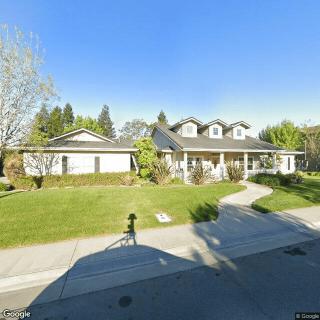
1007 Ohlone Street, Davis, CA 95618
For more information about senior living options: (866) 208-4318
Overall Review of Hapax Senior Care
Pros
 The Davis Senior Center is fabulous.
 - The staff and volunteers are remarkably kind, resourceful, enthusiastic, and committed to making it the best Senior Center in California.
- There is something for everybody with a wide range of activities, including exercise, classes, music, art, films, games, lunches, trips, and more.
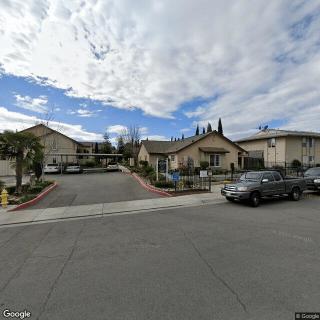
- The facilities are well-maintained and easy to navigate for people of all abilities, with ample free parking.
- The Davis Senior Commission and other city meetings are hosted there, offering opportunities for civic involvement.
- The center is a wonderful resource for Davis, with welcoming staff and helpful services like wheelchair loans.
- It is a convenient venue for events such as record shows and films, and attendees hope these events continue.
Review
Hapax Senior Care in Davis is best suited for seniors who want to stay actively engaged, socially connected, and civically involved without surrendering independence. The calendar reads like a neighborhood of opportunities: exercise classes, arts and crafts, music and film screenings, lectures, game nights, day trips, and docent-led tours that keep boredom at bay. The reviews portray a culture of genuine warmth, with staff and volunteers described as kind, resourceful, and deeply committed to helping participants feel valued. Facilities are noted as well maintained and easy to navigate for people of all abilities, with ample free parking that reduces practical friction for those arriving by car. For aging adults who prize social stimulation, variety, and a low-friction environment, this community delivers reliably.
Who may want to consider alternatives: Those needing daily living assistance, around-the-clock supervision, or medical oversight will likely outgrow Hapax’s model. The social and civic emphasis is strong, but there is no indication of on-site medical staff or formal caregiving services that residential assisted living provides. Families evaluating housing options should recognize that this setting functions best as a social anchor and activity hub, not a full-service residence. For elders requiring help with bathing, dressing, medication management, or memory care support, exploring licensed assisted living or skilled nursing communities will be necessary to ensure safety and continuity of care.
Key pros matter intensely against the main constraint: the abundance of organized activities, welcoming staff, and broad volunteer support convert social isolation into structured engagement. The ease of navigation and accessibility features reduce the everyday barriers that can discourage participation. The availability of resources such as wheelchairs, free bus passes, and maps expands independence for those with limited transportation options. The strong sense of community emerges in regular knit-and-chat groups, charitable projects, and social events that give seniors a clear purpose. Taken together, these benefits can substitute for the absence of in-home care for many who can participate actively.
Choreography of offerings also offsets risk of stagnation. The environment encourages peer interaction and intergenerational connection through projects like Project Linus and volunteer opportunities. The overall atmosphere, friendly, civic-minded, and inclusive, helps residents form routines, cultivate friendships, and maintain cognitive and emotional engagement. For families, the upside is a potential reduction in loneliness and a widening support network beyond private caregiving. The downside remains the lack of formal care on site, but for those who enter with the expectation of using community resources rather than relying on professional caregivers, Hapax becomes a robust platform for aging well in place.
Practical decision framework: Assess the elder’s energy for participating in programs, ability to navigate the campus, and comfort with self-directed engagement. Transportation autonomy matters; the center’s amenities, including free parking and transit options, can be decisive. Consider how often companionship and activities will replace the need for one-on-one in-home support. It should be clear that while Hapax offers meaningful social capital, it does not replace home care, medication management, or skilled nursing. If a family’s primary objective is a residential setting that integrates care with living accommodations, a traditional assisted living environment remains the wiser choice.
Bottom line: Hapax Senior Care stands out as a practical, purpose-driven option for active seniors who want to maximize social life, learning, and community involvement while preserving independence. It excels when the goal is ongoing engagement, accessible facilities, and a warm, volunteer-supported culture. Those whose priorities include around-the-clock supervision, medical oversight, or memory-care services should pursue alternatives that provide licensed care in addition to housing. In Davis, this model functions best as a potent complement to independent living, an essential social backbone that can delay transitions into full-time residential care, but not a substitute for it.
 6 resident community capacity
 Assisted Living
 Cable or satellite TV
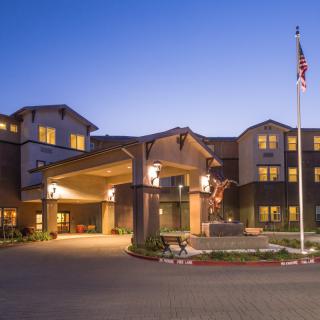
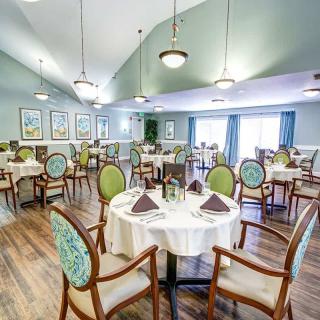
 Dining room
 Fully furnished
 Garden
 Housekeeping services
 Move-in coordination
 Outdoor space
 Telephone
 Wi-Fi/high-speed internet available
 Sacramento International (12 miles away)
 24-hour supervision
 Activities of daily living assistance
 Assistance with bathing
 Assistance with dressing
 Assistance with transfers
 Diabetes diet
 Meal preparation and service
 Medication management
 Special dietary restrictions
 Transportation arrangement (medical)
 Transportation to doctors appointments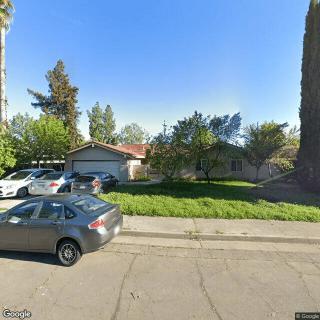

 How and When Medicaid May Cover Assisted Living Costs
 A Detailed Exploration of Assisted Living Medicaid Waivers Across the United States
 Comprehensive Residential Support and Assisted Living Solutions for Individuals with Disabilities