
4000 Camino Tassajara, Danville, CA 94526
To contact a resident: (925) 648-2800
For more information about senior living options: (866) 208-4318
The Reutlinger Costs & Pricing
The Reutlinger offers competitive pricing for its residents, particularly when compared to the broader costs in Contra Costa County and throughout California. For instance, a studio at The Reutlinger is priced at $4,050 per month, which is notably lower than the county average of $4,358 and slightly above the state average of $4,145. When considering larger accommodations, such as a one-bedroom unit, The Reutlinger's rate of $6,644 significantly exceeds both the county's average of $5,008 and California's average of $4,340. However, in the category of semi-private rooms, The Reutlinger's cost of $7,819 stands out as considerably higher than both local and state averages - $3,471 in Contra Costa County and $3,333 statewide. This discrepancy highlights The Reutlinger's premium positioning within the market while also reflecting its unique offerings and amenities that cater to a discerning clientele seeking quality care.
| Floor plans | The Reutlinger | Contra Costa County | California |
|---|---|---|---|
| Studio | $4,050 | $4,358 | $4,145 |
| 1 Bedroom | $6,644 | $5,008 | $4,340 |
| Semi-Private | $7,819 | $3,471 | $3,333 |
Memory care communities with a similar price nearby
-
About the same
Golden Age Of Channing Way
$4,000 to $5,000 / month19.0 miles away -
from +$550 / mo
Milan Villa Senior Living
$4,600 to $9,200 / month11.1 miles away -
from -$550 / mo
East Bay Assisted Living
$3,500 to $5,000 / month17.9 miles away -
from +$450 / mo
Lafayette Gardens
$4,500 to $5,000 / month13.0 miles away -
About the same
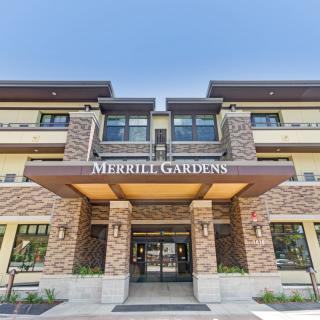
Merrill Gardens at Lafayette
$3,975 to $8,995 / month13.1 miles away
Overall Review of The Reutlinger
Pros
 Hannah Galli at Reutlinger goes above and beyond to ensure residents are well cared for, showing professionalism, friendliness, kindness, and informativeness.
- The staff are kind, with Carmen being pleasant and greeting visitors with a smile.
- Julie, the CEO, is in touch with residents and listens to families.
- The Reutlinger is an outstanding facility with high standards in all areas of operation.
- The staff are totally friendly and helpful in every situation, and they promptly address concerns.
- Residents are cared for with love, compassion, and competence, and they are included in many activities.
Cons
 The Reutlinger Assisted Living facility is poorly run.
- They are extremely understaffed.
- The apartments are very outdated and it is difficult to control the temperature in the rooms.
- There is no cell phone reception in most of the building, making it nearly impossible to stay connected with loved ones.
- The food provided was sometimes inedible.
- The residents call it death row.
- There is a real lack of communication between departments.
- Most of the staff are not trained to deal with residents who have dementia, and it showed.
Review
The Reutlinger in Danville is best suited for families seeking a warm, community-focused atmosphere where frontline caregivers truly know residents by name and daily life centers on activity, connection, and stability. The strongest voice from the reviews is for staff who engage with residents, with several families singling out individual caregivers who made a real difference in daily comfort and well-being. For families who want a home-like feel, where activity directors curate meaningful programs on each unit and where the staff demonstrate genuine kindness and availability, this community can be a meaningful fit. It is particularly appealing to those who value personal relationships with caregivers and who want an environment that feels inviting and attentive rather than sterile or corporate.
Even so, there are clear reasons to consider alternatives. Prospective residents who cannot tolerate ongoing questions about safety, staffing levels, and communication should proceed with caution. The most persistent cautions center on management and staffing: consistent, well-coordinated oversight appears to be uneven, with some families describing overwhelmed frontline teams and delays in follow-up. For those who require precise, data-driven care coordination, or who want guaranteed staffing ratios, the mixed reports raise legitimate concerns. Parking limitations, dated apartment interiors, and technical limitations like weak cell reception also surface repeatedly, signaling that practical day-to-day logistics may matter as much as care quality in choosing this community.
The key pros, caring, personable staff; a clean, pleasant environment; and a robust social program, do meaningful work to offset the more challenging cons, but not perfectly. When care teams are present and engaged, residents experience warmth, individualized attention, and active participation in a lively slate of activities. Families repeatedly praise caregivers who go above and beyond, and several reviews note that the facility’s atmosphere feels welcoming and respectful, with strong peer-to-peer and intergenerational energy in the halls. In these instances, the care feels competent, and the emotional benefits to residents, the sense of being seen, included, and well-groomed, can be substantial. However, these positive experiences tend to coincide with periods of stable staffing and clear communication from leadership, underscoring that the best outcomes hinge on consistent operations behind the scenes.
The main weaknesses do not disappear in light of the bright spots. Management inconsistencies, staffing turnover, and gaps in follow-through with family inquiries recur as themes. Instances of misjudgment in patient condition and discharge planning, where a resident was deemed ready for discharge despite worsening health, highlight real safety concerns that families should watch closely. Communication between departments and with families is uneven, leading to missed updates about care changes, activity reductions, or transportation schedules. The physical plant also poses potential drawbacks for some residents: older apartment stock, variable temperature control, and limited parking can impede comfort and convenience, while the sparse cellular coverage dampens connection with loved ones. These factors elevate the importance of proactive advocacy by families and meticulous, ongoing dialogue with the administrative team.
From the resident experience perspective, the community reveals a spectrum. Some residents’ families describe a “death row” impression, hinting at understaffing, perceived neglect, or a lack of warmth at times, contrasted with other families who report lifelong satisfaction with the care, the cleanliness, and the sense of security that comes from attentive staff and consistent routines. The strongest defense against the negative perceptions is robust communication and visible leadership: families who observe proactive problem-solving, regular activity calendars, and a stable team tend to see better outcomes. The presence of multiple activity directors and a community culture that emphasizes mind, body, and spirit can make a meaningful difference for residents able to participate, but those benefits depend on reliable staffing and dependable follow-through.
In practical terms, The Reutlinger can be a strong match for families who want a compassionate, social, and dignified living environment and are prepared to stay actively involved. It is less suitable for those who prioritize flawless operations, perfect consistency, and modern, high-tech infrastructure. The decisive factor will be the degree to which the care leadership demonstrates stable staffing, effective communication, and rigorous discharge planning. Prospective families should prioritize an on-site tour focused on staffing patterns, meet-and-greet with the executive team, and a clear review of current activity schedules, transportation options, and parking arrangements. Request to see a recent sample of the family communications log, and ask for a candid explanation of any recent staffing changes and how the unit handles dementia-related care needs.
In sum, The Reutlinger offers a compelling blend of warmth, engaged caregivers, and an active social life that can deliver meaningful quality of life for many residents. The upside, attentive staff who genuinely care, a welcoming environment, and a robust activity calendar, can outweigh the downsides when staff stability and clear, timely communication are present. For families where those operational certainties are uncertain, or where modern amenities and guaranteed resource levels are non-negotiable, broader exploration is warranted. A deliberate, in-person assessment that probes staffing, discharge protocols, and day-to-day logistics will reveal whether The Reutlinger can be trusted to deliver consistently or if another option better aligns with the family’s expectations and care goals.
 Assisted Living
 Independent Living
 Memory Care
 Activities off-site
 Air-conditioning
 Beautician on-site
 Cable or satellite TV
 Devotional services off-site
 Ground floor units
 Handicap accessible
 Indoor common areas
 Kitchenette
 Outdoor common areas
 Respite or short term stays offered
 Wheelchair accessible showers
 Wi-Fi/high-speed internet available
 Metropolitan Oakland International (18 miles away)
 Diabetic care
 Incontinence care
 Medication management
 Guest meals
 Art classes
 Cooking classes
 Day trips and outings
 Educational speakers / life long learning
 Happy hour
 Jewish services
 Karaoke
 Live dance or theater performances
 Live musical performances
 Live well programs
 How and When Medicaid May Cover Assisted Living Costs
 A Detailed Exploration of Assisted Living Medicaid Waivers Across the United States
 Exploring the Contrasts Between Assisted Living and Skilled Nursing