
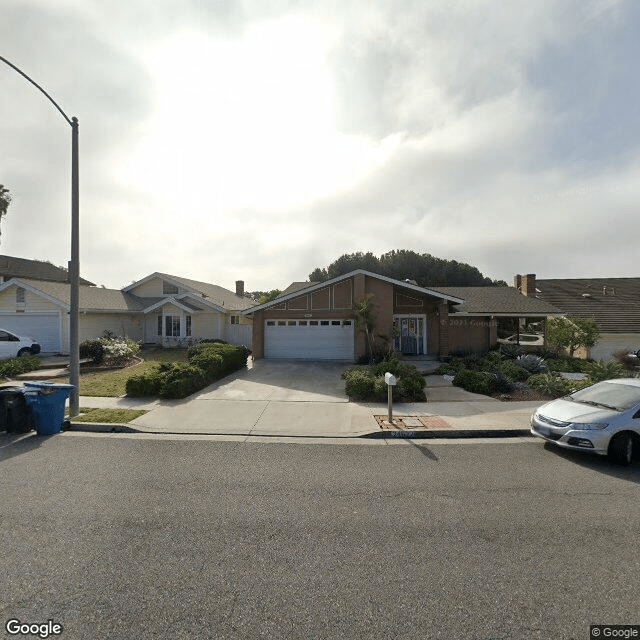
24622 Jeremiah Drive, Dana Point, CA 92629
For more information about senior living options: (866) 208-4318
Pacificare Home Costs & Pricing
Pacificare Home offers competitive pricing for its residential care, particularly when compared to the broader market in Orange County and California. For a semi-private room, residents can expect to pay $2,500 per month, which is significantly lower than the county's average of $3,431 and the state's average of $3,333. Similarly, private rooms at Pacificare are priced at $3,500 monthly, undercutting both Orange County's average of $4,104 and California's overall average of $3,939. This positioning not only makes Pacificare an appealing option for those seeking quality care but also emphasizes its commitment to affordability in a challenging healthcare landscape.
| Floor plans | Pacificare Home | Orange County | California |
|---|---|---|---|
| Semi-Private | $2,500 | $3,431 | $3,333 |
| Private | $3,500 | $4,104 | $3,939 |
Assisted Living communities with a similar price nearby
-
from +$300 / mo
Leah Loving Elderly Care
$2,800 to $3,000 / month21.0 miles away -
from +$200 / mo
Loving Care Senior Home
$2,700 to $3,500 / month21.0 miles away -
from +$350 / mo
Alternative Senior Care - Freshwater
$2,850 to $3,250 / month23.3 miles away -
from +$200 / mo

The Golden Years Guest Home
$2,700 to $3,500 / month19.3 miles away -
About the same
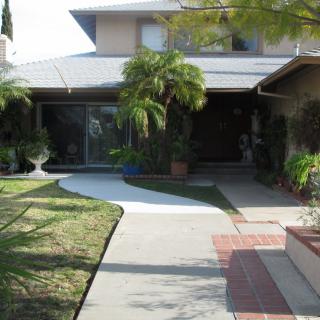
Paradise Residential Senior Care 4
$2,500 to $3,200 / month8.7 miles away
Overall Review of Pacificare Home
Pros
 Aegis Dana Point has been the soft landing their family desperately needed.
- They are beyond grateful for the staff and residents who welcomed their mom into assisted living and their dad into memory care.
- They highly recommend Aegis Dana Point to anyone considering transitioning into a supportive community for their loved ones.
- The staff have become like extended family to them.
- Aegis Living in Dana Point has been their mother's beautiful, caring, and nurturing home for the last seven years.
- The memory care staff are kind, patient, unflappable, and maintain a calm, loving, and steady demeanor.
- They have enormous peace of mind that their parents are in a loving, caring environment with all needs met.
- Aegis retains qualified staff and provides a wonderful environment with high-quality care.
- They would definitely recommend Aegis of Dana Point for their loved one's care.
- Aegis offers boutique care with individualized service plans, low staff turnover, and a family-like atmosphere.
Review
This Dana Point community is best suited for families that want a tightly woven, boutique care environment where personalized attention is the norm and staff turnover is low. It shines for couples or single residents who value continuity of care across assisted living and memory care, without sacrificing the warmth of a small, intimate setting. The care philosophy centers on treating residents like family, with a clear emphasis on dignity, calm oversight, and meaningful daily engagement. For families facing a transition, whether from independent living or from long-term home care, this is a place that delivers reassurance through staff stability, accessible leadership, and a welcoming culture.
Alternatives are worth consideration for several reasons. Families with tighter budgets may find the boutique model, excellent as it is, less aligned with price-conscious expectations found in larger networks. Some seniors who crave a more expansive campus with a broader menu of medical amenities or rehab options might prefer a bigger operation with a wider array of on-site specialists. Those who desire very high-intensity clinical monitoring or a hospital-like environment could benefit from exploring facilities with a deeper acute-care footprint. In short, the strongest fit is someone who value’s a home-like atmosphere and long-term continuity over the scale and scope of a larger campus.
The most compelling pros are strategically aligned to offset potential drawbacks. Staff excellence stands out: compassionate, patient, and consistently engaged with residents, to the point of feeling like extended family for many families. That care culture translates into tangible benefits, residents appear well-attended, content, and engaged in a lively but calm daily rhythm. The ability to transition seamlessly from assisted living to memory care within the same community is a core strength, reducing upheaval for families as needs evolve. Residents benefit from a suite of practical amenities often associated with larger campuses, well-run activity programming, a salon for grooming, and even pet accommodations, without surrendering the intimate, know-everyone feel that characterizes the setting. The team’s accessibility, from the concierge to the memory care director, reinforces a sense of security and responsiveness that most families prize when choosing care for a loved one.
Where the model could feel restrictive to some, the same strengths prove to be meaningful mitigations. The boutique scale may imply higher costs or a tighter calendar of niche services compared with bigger operators; however, the reviews consistently underscore value through peace of mind, reduced family stress, and a predictable care plan that travels with the resident across levels of care. The physical environment, clean, safe, upscale, and thoughtfully designed, combined with highly attentive health technicians and nurses, creates a reassuring safety net that often justifies the investment. Crucially, the community’s built-in flexibility, support for hospice and convalescent needs within the same setting, eliminates disruptive moves and preserves familiar routines and surroundings.
For families evaluating a move, practical tests matter. Schedule a tour to observe how the staff greet and interact with residents, and note whether the same team members greet each day or if roles rotate rapidly. Inquire about care planning and how memory care residents are engaged in daily activities, including opportunities for cognitive stimulation, physical activity, and social connection. Talk through the process of transitioning a loved one from assisted living to memory care, and confirm how personalized plans are developed and updated. If a spouse or partner values staying together, verify room configurations and the policy on couple placement; the testimonials repeatedly highlight preserving togetherness and shared activities, a significant quality-of-life factor for many families.
Overall, this Dana Point community emerges as a standout choice for families seeking high-touch, compassionate care delivered in a respectful, homelike setting. It is particularly well-suited for those who prize staff consistency, meaningful daily engagement, and the option to keep a loved one in one location even as needs evolve from assisted living into memory care. The strongest caveat is budget alignment; for families willing to invest in a tightly knit, person-centered model, the pros, stability, dignity, and integrated care, far outweigh the cons. Alternatives should be considered primarily by those prioritizing scale, sportier rehab options, or lower costs, but for many, the payoff is clear: a trusted, enduring home where care teams feel like family and families regain a measure of peace.
 6 resident community capacity
 Studio apartments
 Assisted Living
 Board and Care Home
 Cats allowed
 Dogs allowed
 Cable or satellite TV
 Dining room
 Fully furnished
 Garden
 Housekeeping services
 Move-in coordination
 Outdoor space
 Private
 Telephone
 Wi-Fi/high-speed internet available
 John Wayne Orange Co (16 miles away)
 24-hour supervision
 Activities of daily living assistance
 Ambulatory care
 Assistance with bathing
 Assistance with dressing
 Assistance with transfers
 Diabetes diet
 Diabetic care
 Meal preparation and service
 Medication management
 Special dietary restrictions
 Transportation arrangement (medical)
 Transportation to doctors appointments





 Exploring the Path to Senior Living: A Comprehensive Look at Independent Living and Assisted Living
 Is Assisted Living Deductible on Your Taxes? Understanding the Complexities of Assisted Living Expenses and Deductions
 Assisted Living Support for Veterans: A Complete and Detailed Overview