
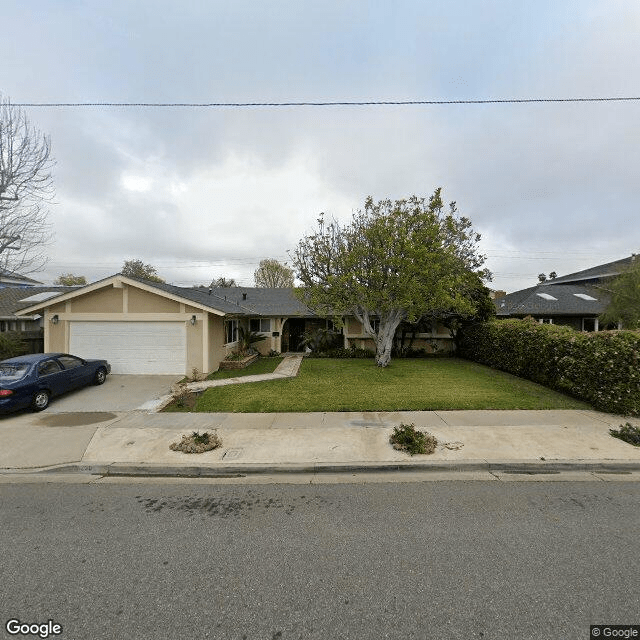
2750 Lorenzo Ave, Costa Mesa, CA 92626
To contact a resident: (714) 270-8381
For more information about senior living options: (866) 208-4318
Villa Flora II Costs & Pricing
At Villa Flora II, the monthly costs present a competitive option for those seeking senior living accommodations. For semi-private rooms, residents can expect to pay $3,500, which is slightly above the average for Orange County at $3,431 but still remains manageable compared to the broader California average of $3,333. When it comes to private rooms, the cost is set at $4,000; this figure is notably lower than the Orange County average of $4,104 yet higher than the state-wide average of $3,939. Overall, Villa Flora II offers appealing pricing in both room types while emphasizing comfort and quality care in an increasingly expensive market.
| Floor plans | Villa Flora II | Orange County | California |
|---|---|---|---|
| Semi-Private | $3,500 | $3,431 | $3,333 |
| Private | $4,000 | $4,104 | $3,939 |
Senior living communities with a similar price nearby
-
from +$495 / mo
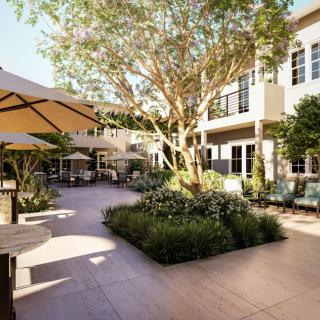
Cadence Brea
$3,995 to $5,500 / month16.8 miles away -
About the same
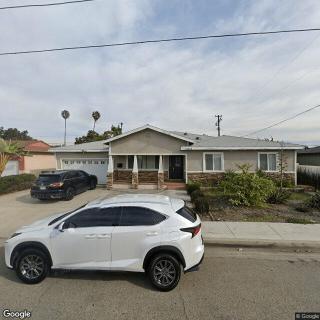
Loving Home Care
$3,500 to $4,500 / month8.6 miles away -
from -$200 / mo

Bella Manor II
$3,300 to $4,290 / month14.5 miles away -
from +$500 / mo
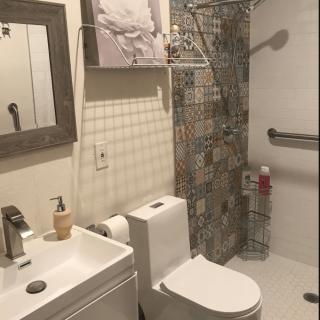
Loving Care Facility for the Elderly
$4,000 to $5,975 / month14.4 miles away -
from -$500 / mo
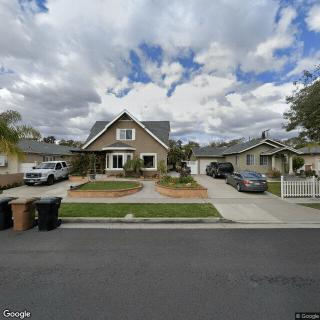
Tabi's Facility Home Care
$3,000 to $3,500 / month13.7 miles away
Overall Review of Villa Flora II
Pros
 Heyday Senior Living - Costa Mesa is described as a nice location and a nice home.
- The caregiver is professional and caring toward residents.
- The staff are attentive and knowledgeable about their patients.
- The setting feels like a private home that is well maintained.
- Residents seem pleased to be there.
- The directors are responsive and able to address issues.
- The food is pretty good.
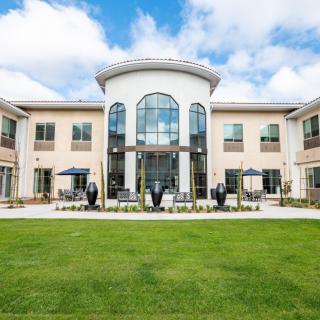
- The facility offers a welcoming atmosphere with a nice backyard, puzzles, and planned hair and nail services for residents.
Cons
 It wasn’t the right place for her.
- It didn’t offer many of the features or services that other assisted living facilities typically provide for a larger number of residents.
Review
Villa Flora II in Costa Mesa is best suited for seniors who value a small, home-like assisted living setting where care feels personal and staff know residents well. The two recent reviews describe a private-home atmosphere with attentive, caring caregivers and a straightforward, comfortable layout. Residents enjoy a private backyard for outdoor time, a shared living room with comfortable seating, and a domestic rhythm that makes daily life feel familiar. This is the kind of environment that favors belonging over bustle, where intimate relationships with caregivers matter more than campus-wide amenities. In short, it’s a strong fit for families seeking warmth, consistency, and ease of navigation rather than a resort-style, high-activity campus.
Those who may want alternatives include families with residents who crave a broader social calendar, more structured programming, or stronger clinical oversight. A larger facility can offer a wider array of activities, on-site therapies, memory care options, and easier access to specialized medical staff. If a future step-up in care is anticipated or a resident requires frequent rehab planning, the private-home model may feel limiting. Families comparing options should weigh the value of intimate, predictable routines against the comfort of more extensive services, particularly if high social engagement or a diversified care continuum is a priority.
The key positives center on the intimate, attentive approach. Caregivers are described as professional, warm, and personally engaged, with directors who are responsive to concerns. The private-home setting reduces the stress of navigating a large campus and helps residents settle into daily life with certainty. The atmosphere remains comfortable and well-maintained, with a ground-level layout and a patio gathering space where residents share conversations around a big table on pleasant afternoons. Practical safety features, such as showers that don’t require stepping over a tub, support independence and peace of mind. Additional touches, like scheduling hair and nails services, demonstrate a willingness to tailor care while preserving dignity. For families prioritizing steady routines and visible caregiver engagement, these strengths translate into real, meaningful reassurance.
Yet the private-home model comes with constraints that matter in decision-making. The scale naturally limits the breadth of activities and amenities found in larger campuses, and resident variety tends to be smaller. The reviews suggest a pleasant setting and good staff, but without the expansive programming and diverse therapeutic offerings some families expect from an assisted living community. This can yield slower social rhythms and fewer enrichment options, especially for residents who thrive on a robust activity calendar or on-site rehab programs. The gaps are not fatal, but they do require alignment with expectations: if daily life needs to feel busier or more structured, the setting may feel restrictive. Initial hiccups were reported as addressed, which helps, yet the overall capacity to adapt to escalating needs remains a critical factor.
When the strengths align with resident needs, the positives effectively offset the drawbacks. Attentive staff and a familiar, calm environment can reduce anxiety and promote reliable routines, essential for older adults who value stability. Easy access to safe showers, functional safety features, and steady housekeeping reinforce daily functioning without the stress of navigating a larger campus. Socially, interactions occur in a more intimate way, which can yield meaningful connections even if the volume of activities is lower. For families prioritizing peace of mind, predictable meals, and direct staff accountability, these elements often outweigh the absence of a wider activity catalog. The deciding factor is whether caregiving capacity and oversight meet the current needs, with a plan for escalation if care requirements increase.
For families evaluating Villa Flora II, the recommendation is clear: this community suits residents who prize personal attention, a calm home-like setting, and straightforward day-to-day care over a bustling, amenity-rich campus. Prospective buyers should verify staffing ratios, care plans, and the range of services available on-site, and ask how memory support or rehab needs are handled if those requirements may arise. Visiting in person to observe staff interactions, meal quality, and resident engagement will reveal whether the pace and culture match expectations. If those elements align, Villa Flora II stands as a solid, prudent choice; if the need is for broader programming or more specialized care, an alternative with a larger footprint warrants serious consideration.
 Board and Care Home
 Activities on-site
 Private
 Respite or short term stays offered
 John Wayne Orange Co (2 miles away)
 Ambulatory care
 Diabetic care
 High acuity care
 Medication management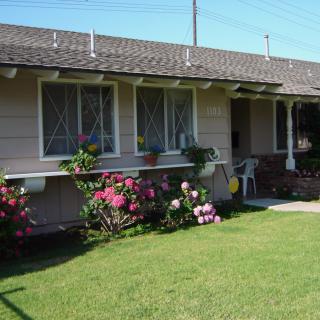
 Home Health Care Demystified: A Comprehensive Guide for Families and Caregivers
 Seniors and Modern Transportation: Exploring Uber, Lyft, and Other Ride-Hailing Options
 Comprehensive Guide to Qualifying for Home Health Care Services