
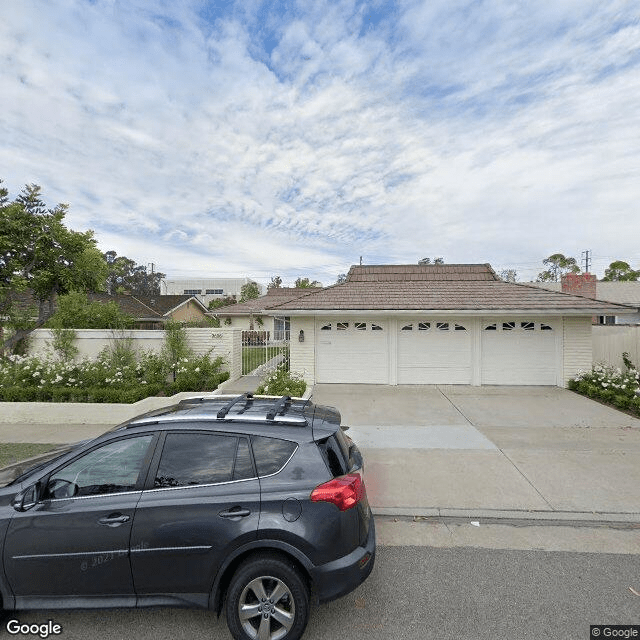
3606 Catamaran Dr, Corona Del Mar, CA 92625
To contact a resident: (949) 719-7718
For more information about senior living options: (866) 208-4318
Astoria Retirement Residences Costs & Pricing
Astoria Retirement Residences offers a competitive pricing structure for its private rooms, with a monthly cost of $4,000. This rate is slightly lower than the average for Orange County, which stands at $4,104, and more aligned with the overall California state average of $3,939. With its combination of quality care and amenities, Astoria provides residents with an appealing option in a market where costs can vary significantly. Overall, the pricing reflects a commitment to affordability while still delivering essential services in a comfortable environment.
| Floor plans | Astoria Retirement Residences | Orange County | California |
|---|---|---|---|
| Private | $4,000 | $4,104 | $3,939 |
Senior living communities with a similar price nearby
-
About the same

Cadence Brea
$3,995 to $5,500 / month21.4 miles away -
from -$500 / mo
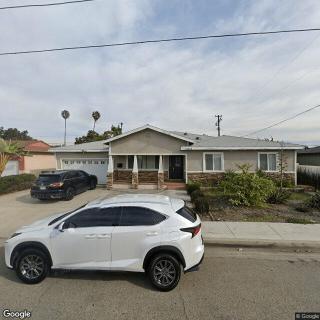
Loving Home Care
$3,500 to $4,500 / month13.8 miles away -
from -$700 / mo

Bella Manor II
$3,300 to $4,290 / month19.6 miles away -
About the same
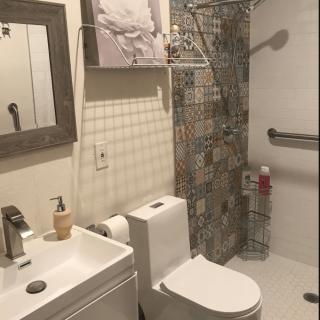
Loving Care Facility for the Elderly
$4,000 to $5,975 / month19.5 miles away -
from -$500 / mo

Sam's Homecare
$3,500 to $5,500 / month20.5 miles away
Overall Review of Astoria Retirement Residences
Pros
 The place is nice.
- The owner is nice and very helpful.
- The staff are friendly.
- The care provided is comfortable for the loved one.
- She has no issues with the meals and enjoys participating in activities with other residents.
Cons
 The reviewer concluded that Astoria wasn’t the right fit for their mother.
Review
Astoria Retirement Residences in Corona Del Mar is best suited for seniors who want a quiet, intimate setting where care feels personal and predictable. The community suits residents who prioritize close, attentive staff relationships and a calm daily rhythm over a bustling, resort-style environment. Those who prefer reliable meal service and the ability to participate in activities without a loud, high-energy scene will find this approach reassuring. In short, it’s a solid match for families seeking safety, steady routines, and hands-on oversight rather than a large, highly slot-filled social calendar.
Conversely, families where social life and constant programming are non-negotiable will want to consider alternatives. One reviewer pointed out that the small footprint can limit opportunities for frequent or varied gatherings, which matters to anyone who wants their loved one to have abundant peer interaction and a wide slate of events. For those who value frequent outings, diverse group activities, and a continually evolving calendar, a larger residence or a community known for expansive engagement programming may deliver a stronger sense of daily vitality and belonging.
Three clear positives anchor the decision in favor of Astoria. The staff is described as friendly and approachable, which translates into reliable, reassuring care that families can trust. Care quality comes through as steady and comfortable, with caregivers who are attentive without being intrusive. Meals are satisfactory, and residents have opportunities to join activities from time to time, indicating a workable balance between routine and optional engagement. The owner’s helpful, hands-on approach further reinforces a culture of accessibility and responsiveness that can soften the transition for families navigating senior care choices.
Yet the primary drawback remains the scale of the operation. The smaller size inherently restricts the breadth of programming and the variety of social opportunities available to residents. For seniors who thrive on hustle and a packed calendar of events, outings, classes, guest speakers, and peer-driven clubs, the pace at Astoria may feel subdued. The quiet tempo isn’t a failure of care, but it is a meaningful consideration for anyone who measures quality of life by daily social density and the chance to form a larger, more spontaneous peer network.
The pros here do offset the cons in practical ways. A smaller setting often yields more individualized attention, with staff able to notice subtle changes in health, mood, or appetite and adjust routines accordingly. Predictable meal schedules and dependable daily care provide a stable baseline that many families value highly. For residents who value meaningful, personal connections with caregivers and peers in a low-stress environment, the intimate atmosphere can translate into a sense of security and belonging that a larger campus sometimes dilutes. In that light, the advantages, personalized care, calm pace, and a straightforward, family-friendly model, can outweigh the drawback of a thinner activity calendar.
For families making a choice, the verdict comes down to fit. Astoria Retirement Residences should be seriously considered by those prioritizing care continuity, attentiveness, and a serene, manageable environment where staff know residents well. Those whose priority is maximizing social stimulation and a bustling calendar may want to look elsewhere and compare options with larger communities that host a wider array of programs and outings. Prospective movers should plan visits with a practical checklist: observe staffing levels during a typical day, inquire about the exact mix of activities offered weekly, ask about transportation for outings, and request candid conversations with current residents about how engaged they feel and how well their routines accommodate personal interests. If the goal is a steady, respectful, low-stress setting with reliable care, Astoria delivers; if the goal is a vibrant, outward-facing social life, alternatives deserve careful consideration.
 Board and Care Home
 Activities off-site
 Indoor common areas
 Outdoor common areas
 Private
 Wheelchair accessible showers
 John Wayne Orange Co (5 miles away)
 Ambulatory care
 Diabetic care
 High acuity care
 Incontinence care
 Meals provided
 Navigating the Financial Road to Nursing Home Care: In-Depth Guidance and Resources
 Supportive Employee Benefits That Help Caregivers Attain Better Work-Life Harmony
 Top Cars for Senior Drivers and Essential Safety Innovations