
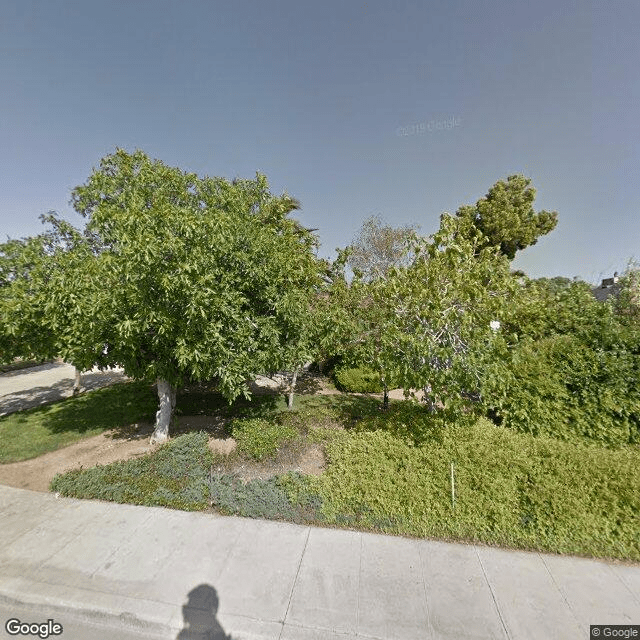
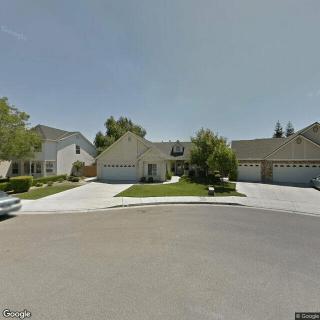
1549 Douglas Avenue, Clovis, CA 93611
For more information about senior living options: (866) 208-4318
The Green Gables Care Home II Costs & Pricing
The Green Gables Care Home II offers competitive pricing for its residential care services, with semi-private rooms available at $3,200 per month and private rooms priced at $3,500. When compared to the average costs in Fresno County, where semi-private accommodations typically run at $2,991 and private options are about $3,589, Green Gables presents a slightly higher investment but reflects its commitment to quality care and personalized services. On a broader scale within California, the cost of semi-private rooms averages around $3,333 and private rooms reach approximately $3,939. This positioning indicates that The Green Gables Care Home II provides value in relation to both county and state averages while prioritizing resident comfort and well-being.
| Floor plans | The Green Gables Care Home II | Fresno County | California |
|---|---|---|---|
| Semi-Private | $3,200 | $2,991 | $3,333 |
| Private | $3,500 | $3,589 | $3,939 |
Memory care communities with a similar price nearby
-
from -$400 / mo
Chateau Jesadean
$2,800 / month7.0 miles away -
from -$600 / mo
Northwest Villa
$2,600 / month7.1 miles away -
About the same
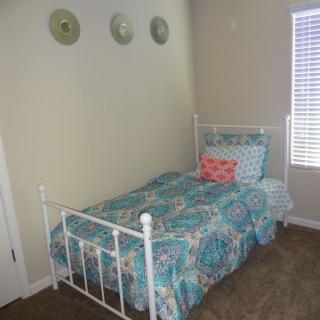
Blossom Creeks Assisted Living
$3,200 to $3,800 / month5.8 miles away -
from +$400 / mo
Pryor Falls
$3,600 to $3,900 / month4.1 miles away -
from +$100 / mo

Nazareth House
$3,300 / month6.3 miles away
Overall Review of The Green Gables Care Home II
Pros
 Green Gables was good and everything was fine.
- The staff who accommodated me was very good.
- The facility itself was very nice, well kept, clean, and secure.
- They had good staff, too.
- They’re comparably priced, too.
Cons
 The office staff was rude.
Review
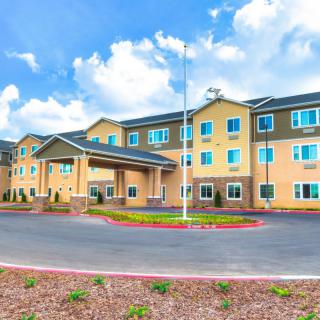
The Green Gables Care Home II in Clovis, CA is best suited for families seeking a small, homelike, well-kept residential option where a loved one can receive thoughtful personal care in a calm, secure setting without the bustle of a larger facility. It appeals especially to those who prioritize a clean, attractive environment and straightforward, affordable pricing over a high-energy activities calendar or intensely hands-on front-desk service. If a resident values quiet comfort, predictable routines, and dependable on-site staff who can accommodate individual needs, this community ranks as a practical choice.
However, potential residents may want to consider alternatives if frontline communication and proactive hospitality from the administrative team are non-negotiable. The reviews flag a rude office staff dynamic, which can complicate family coordination, care planning, and issue resolution. For families that require consistently warm, responsive front-desk engagement or a facility with a relentlessly customer-service-forward culture, other options with stronger administrative associations may be preferable. Likewise, if robust, structured activities and social programming are essential for daily life, this community may feel limited.
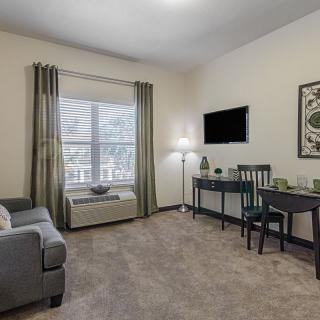
The strongest positives here lie in the environment and the underlying quality of care. The facility is described as very nice, well kept, clean, and secure, which translates into predictable daily comfort and a sense of safety for residents and families alike. The on-site staff, particularly those who accommodated family members, left a favorable impression, signaling potential for genuine, attentive care when the right staff are involved. Pricing is described as comparable to peers, which helps families align expectations with budget. For residents who value a quiet, orderly setting and a trustworthy, home-like atmosphere, these attributes can compensate for a more modest activities program.
On the other hand, the notable downside centers on administrative interactions and activity depth. The office staff issue is a concrete impediment to seamless transitions, scheduling, and ongoing care coordination. The reviews also indicate that activity levels were not a central focus, with uncertainty about post-pandemic programming and a sense that engagement opportunities have been variable. For families prioritizing regular, well-structured activities, social opportunities, or dynamic scheduling coordinated by a friendly front desk, this could tilt the balance toward exploring other communities that emphasize ongoing programming and front-office reliability.
Still, the pros can offset the cons for enough families who place more weight on the core living environment and daily care than on front-desk charm or expansive activity rosters. A clean, secure, home-like setting paired with competent caregiving staff creates a stable baseline of safety and comfort, and the ability to accommodate individual needs, if approached with the right care team, can yield meaningful, quality-days for a resident. What matters is whether the family can work around the administrative friction by establishing direct communication lines with care managers and requesting clear, scheduled touchpoints. In this sense, the facility offers a solid foundation that can work very well when expectations are aligned and staff cooperation is engaged.
For decision-making, target residents who want a modest, affordable option with a comfortable, secure home environment and are willing to tolerate occasional administrative friction in exchange for good caretaking and a tidy setting. Those who require heavy social programming, highly proactive office support, or specialized memory-care integrations may be better suited to other communities. Prospective families should plan a careful site visit focusing on the direct caregiver interactions, request a sample activity calendar, and meet the administrator or program director to gauge how responsive the front office truly is. If defaults in communication can be navigated, Green Gables Care Home II can be a reliable, sensible choice in Clovis.
 6 resident community capacity
 Assisted Living
 Board and Care Home
 Memory Care
 Respite Care
 Cats allowed
 Dogs allowed
 Cable or satellite TV
 Dining room
 Fully furnished
 Garden
 Housekeeping services
 Move-in coordination
 Outdoor space
 Private
 Telephone
 Wi-Fi/high-speed internet available
 Fresno Yosemite International (4 miles away)
 24-hour supervision
 Activities of daily living assistance
 Ambulatory care
 Assistance with bathing
 Assistance with dressing
 Assistance with transfers
 Diabetes diet
 Diabetic care
 Incontinence care
 Meal preparation and service
 Medication management
 Special dietary restrictions
 Transportation arrangement (medical)
 Transportation to doctors appointments



 Comprehensive Guide to VA Nursing Homes: A Crucial Long-Term Care Resource for Veterans
 Estimating the Expenses of At-Home Dementia Care: A Detailed Exploration
 Comprehensive Insights on the Late Stages of Dementia: What to Expect and How to Provide Care