
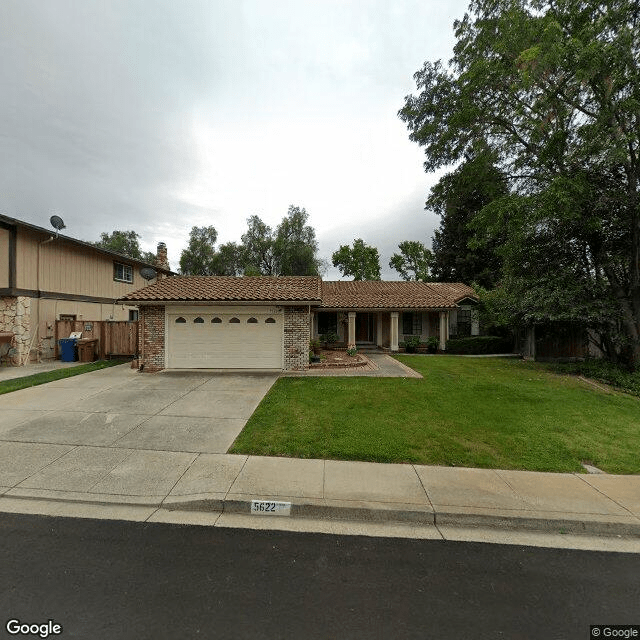
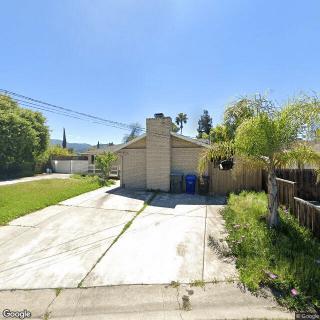
5622 Bettencourt Drive, Clayton, CA 94517
To contact a resident: (925) 672-1027
For more information about senior living options: (866) 208-4318
Kainaz Family Care Home Costs & Pricing
Kainaz Family Care Home presents a compelling value for senior living services, particularly when compared to both Contra Costa County and the broader California market. For semi-private rooms, Kainaz offers rates of $1,600 per month, which significantly undercuts the county average of $3,471 and the state average of $3,333. Similarly, their private rooms are priced at $2,200 each month - again more affordable than the county's average of $4,088 and the state's average of $3,939. This pricing strategy not only underscores Kainaz's commitment to providing quality care at accessible prices but also positions it as a highly competitive option for families seeking long-term care solutions.
| Floor plans | Kainaz Family Care Home | Contra Costa County | California |
|---|---|---|---|
| Semi-Private | $1,600 | $3,471 | $3,333 |
| Private | $2,200 | $4,088 | $3,939 |
Senior living communities with a similar price nearby
-
from +$175 / mo
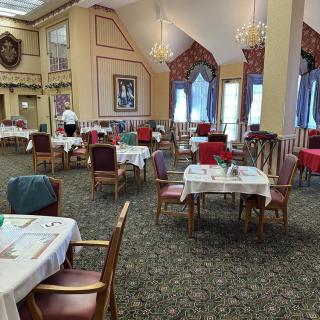
El Cerrito Royale
$1,775 to $3,775 / month20.2 miles away -
About the same
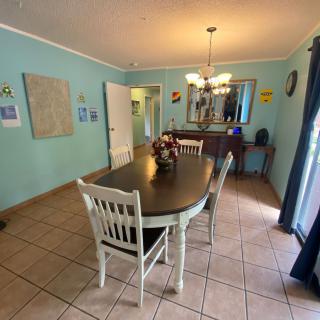
New Alamo Residence Home
$1,600 to $5,500 / month7.9 miles away -
from -$100 / mo
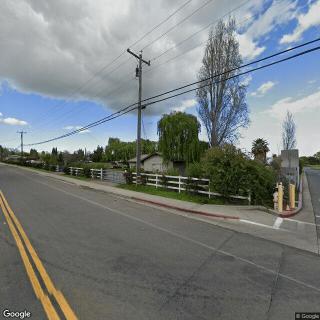
Fairfield Meadows
$1,500 to $1,800 / month21.8 miles away -
from -$100 / mo
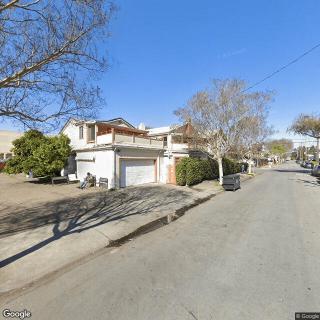
Heritage Haven
$1,500 to $3,000 / month19.4 miles away -
from +$200 / mo
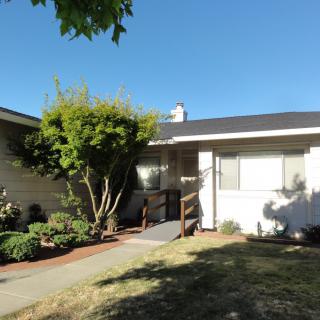
The Residences - Suisun
$1,800 to $2,500 / month20.9 miles away
Overall Review of Kainaz Family Care Home
Pros
 The facility has caring staff, is clean, and provides a comfortable environment that is highly recommended.
- The facility cares for residents and is considered the best, with a clean, comfortable setting and COVID-19 awareness.
- The facility offers excellent care in a loving environment.
- The facility’s 25-person capacity creates a very homey atmosphere.
Cons
 The visiting hours are 9am–5pm and visits must be scheduled a day ahead, which makes it hard for families to visit.
 - Space is not available for multiple families, with unclear directions on where to call or show up and only about one hour notice of arrival.
- They require family members to be dressed and presentable.
- They won’t visit near the area where the loved one sleeps, instead observing the loved one’s location every night.
- The reviewer believes these practices should be investigated and changed by state and federal authorities.
Review
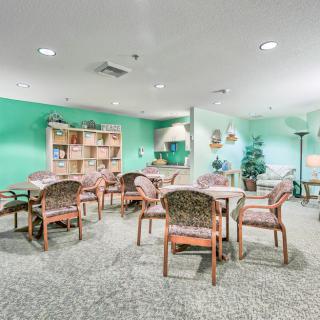
This community is best suited for families that want a small, home-like setting where a loved one can receive highly attentive, individualized care. With a tight cap around 25 residents, Kainaz Family Care Home emphasizes warmth, consistency, and direct relationships between staff and residents. It’s the kind of place where caregivers know names, routines, and preferences, creating a predictable environment that minimizes the sense of institutional anonymity. For seniors who thrive on familiarity, routine, and a quiet, neighborly atmosphere, this is often a superior fit.
That said, some families should consider alternatives. If flexible, spontaneous visiting hours and open, on-site observation across the living spaces are priorities, this may not be the best match. The home operates with structured scheduling that can feel rigid to relatives who want last-minute access or to pop in during an unscheduled moment. Families who value broad social programming, larger communal spaces, or more visible, turnkey oversight may find other communities respond more readily to those expectations.
On the plus side, the strongest attractions are clear and meaningful. The staff are consistently described as caring, and the environment is clean and comfortable, delivering a sense of safety and reliability. The intimate setting appears to translate into attentive daily care, with residents benefiting from tight supervision, quick response times, and a calm, undramatic pace. The overall tone in multiple reviews is a loving, respectful atmosphere that many families associate with real peace of mind.
The principal drawbacks center on the visiting model rather than the care itself. Visiting is limited to appointed windows, with time slots arranged a day ahead and often requiring advance coordination. Some families report being asked to arrive within a narrow timeframe and to present loved ones in a presentable state, which can feel burdensome during busy days. Additional friction comes from constraints on seeing a resident in the area where they sleep, and occasional confusion about where to call or show up when visiting. For families that prize unstructured, drop-in access, these policies can loom large.
Yet the benefits can meaningfully offset these drawbacks for the right household. The small footprint of the operation tends to yield dependable staffing continuity, families know the caregivers who routinely support a loved one, which builds trust and reduces the stress of transitions. The home’s compact, “homey” character often translates into lower noise, shorter hallways, and a more controllable environment for elders who prefer a predictable day. In practice, this means fewer moving parts for families to navigate, fewer strangers in the care routine, and quicker, more personalized problem-solving.
The bottom-line verdict favors choosing this community when the priority is warmth, reliability, and a genuinely intimate setting. It is an excellent option for seniors who do well with routine, who value personal connections with caregivers, and who do not require open-ended visiting or widespread social programming. For those who place a premium on flexible visitation, visible daytime access to every corner of the facility, or sprawling activity calendars, alternatives with larger footprints and more flexible policies should be explored. Prospective families should ask how visiting policies are currently managed, whether exceptions can be made for special circumstances, and how staff ensure residents stay connected with family between scheduled visits.
 Board and Care Home
 Cats allowed
 Dogs allowed
 Private
 Metropolitan Oakland International (22 miles away)

 Senior Move Management: Understanding the Role, Value, and Associated Costs
 Weight Training for Seniors: Building Strength and Vitality
 Understanding the Sandwich Generation: Stress and Responsibilities for Multigenerational Caregivers