
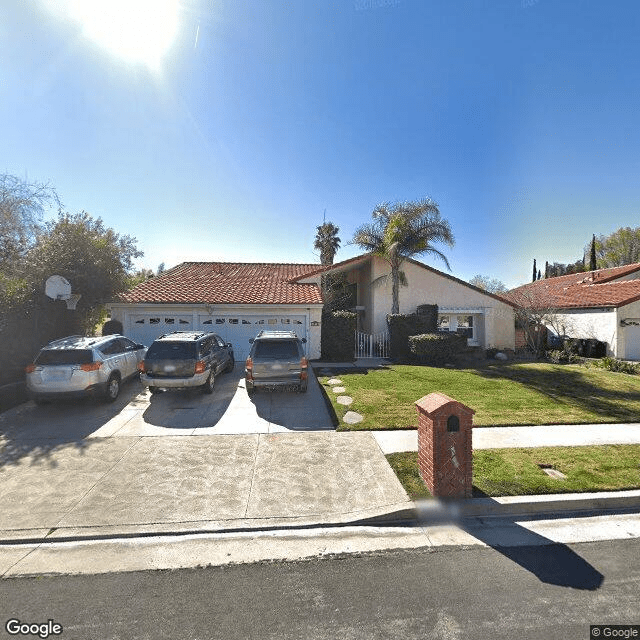
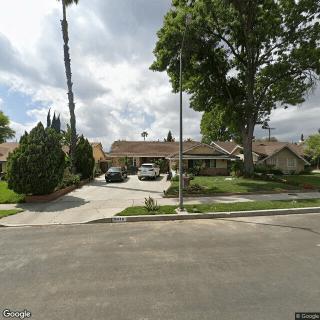
20548 Germain Street, Chatsworth, CA 91311
For more information about senior living options: (866) 208-4318
Royal Palms Costs & Pricing
At Royal Palms, the monthly cost for a private room is set at $5,500. This figure positions Royal Palms above both the county and state averages, reflecting the premium services and amenities offered to residents. In Ventura County, the average cost for a similar room is approximately $4,082, while across California, that figure stands at around $3,939. The higher price point at Royal Palms suggests an emphasis on quality care and enhanced living experiences that may justify the additional investment for individuals seeking comfort and exceptional service in their residential choices.
| Floor plans | Royal Palms | Ventura County | California |
|---|---|---|---|
| Private | $5,500 | $4,082 | $3,939 |
Memory care communities with a similar price nearby
-
from -$500 / mo

Sweet Home Senior Living #1
$5,000 to $7,500 / month10.6 miles away -
from -$1000 / mo
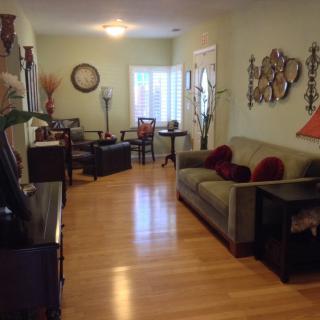
Ardenville Home Care I
$4,500 / month13.9 miles away -
from +$1000 / mo
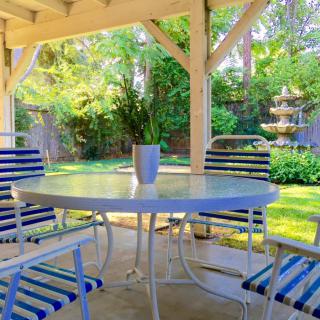
The Kentland House
$6,500 to $7,000 / month6.1 miles away -
from -$500 / mo
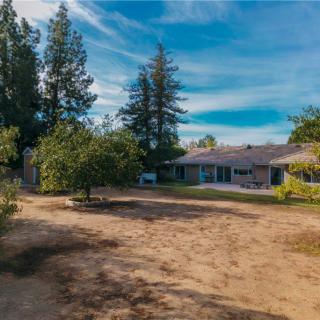
A Caring Touch Board and Care
$5,000 / month0.6 miles away -
from -$1000 / mo

Royal Oaks Inn
$4,500 / month16.5 miles away
Overall Review of Royal Palms
Pros
 They would recommend this facility.
- Royal Palms was an amazing community with very nice people.
- The activities were pretty good.
- The staff seemed very attentive to residents' needs and the residents were well taken care of.
- It seemed like a well-kept community.
- They kept up the rooms very well.
- The people seemed to be having a great time with the staff.
Cons
 The reviewer felt the rent was too high.
- The reviewer found the housing cost to be unaffordable.
Review
Royal Palms in Chatsworth is best suited for active, socially inclined seniors who want a well-managed, personable community and are comfortable with a higher price point. The strongest fit is for residents who value reliable upkeep, friendly interactions with staff, and a steady stream of approachable activities. Families should consider alternatives if budget constraints are a primary driver or if a resident requires deeper or more specialized medical oversight beyond what the community routinely provides.
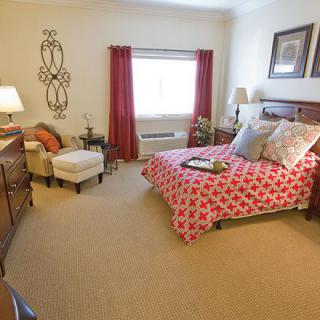
The standout positives lean on the human touch and daily environment. Reviews portray Royal Palms as a place where staff appear attentive to residents’ needs and where residents seem comfortable, engaged, and well cared-for. The community’s upkeep, cleanliness of rooms and the overall appearance of the campus, receives consistent praise, reinforcing the sense of a creator-friendly, comfortable living space. Activities are described as solid, offering enough variety to satisfy residents who value social engagement and structured routines. These factors combine to produce a welcoming atmosphere that can materially ease the transition for someone moving from independent living or from a less structured setting.
Yet the price tag is a meaningful consideration. The feedback notes that rent can be higher than some families are prepared to pay, signaling that this community is best suited for households able to prioritize the combination of staff attentiveness, social opportunities, and a well-kept environment over the lowest possible cost. The reviews do not supply extensive information about memory care, post-acute services, or high-acuity medical support, leaving potential residents with questions about how Royal Palms would handle escalating care needs. In short, the financial value proposition is strong for those who want a high-touch, community-centric experience, but may not be the most prudent choice for tighter budgets or for residents with demanding medical requirements.
How the positives interact with the drawbacks is telling. The evident staff attentiveness and the social, activity-rich climate help justify higher costs by delivering ongoing engagement, reduced isolation, and peace of mind for families who want a nurturing, predictable daily rhythm. A well-maintained physical plant lowers ongoing maintenance concerns and can minimize the stress of moving into a new living arrangement. For seniors who prize companionship and a sense of belonging, these advantages often translate into a better overall quality of life, which can counterbalance the premium price.
Still, several caveats point toward alternatives for certain families. If a tight monthly budget dominates the decision, or if a resident requires extensive ongoing medical care, more price-conscious communities or those offering broader medical service packages may be more appropriate. The small number of published reviews also means there is limited breadth of experience to draw from; prospective movers should verify current occupancy levels, staffing ratios, and the specific care services included at various price tiers. A campus visit will illuminate whether the stated warmth and upkeep are matched by concrete supports for daily living, medical oversight, and mobility assistance.
The practical next steps are clear. Schedule a tour and bring a list of priorities: exact pricing, what is included in the base rate versus optional add-ons, and the scope of care at different levels (assistance with activities of daily living, medication management, and response times). Ask to speak with current residents or family members about day-to-day life, and request a transparent breakdown of fees, transfer policies, and any expected increases. Review the campus layout, common areas, dining options, and quiet corners for private time, to confirm it aligns with the resident’s social and personal needs. For families weighing options, Royal Palms presents a compelling package for those seeking a bright, well-run, community-focused setting, provided the price point fits the financial plan and the care expectations align with the resident’s evolving needs.
 6 resident community capacity
 1-bedroom apartments
 Assisted Living
 Board and Care Home
 Memory Care
 Cable or satellite TV
 Dining room
 Fully furnished
 Garden
 Housekeeping services
 Move-in coordination
 Outdoor space
 Private
 Telephone
 Wi-Fi/high-speed internet available
 Burbank-Glendale-Pasadena (13 miles away)
 24-hour supervision
 Activities of daily living assistance
 Assistance with bathing
 Assistance with dressing
 Assistance with transfers
 Diabetes diet
 Diabetic care
 Incontinence care
 Meal preparation and service
 Medication management
 Special dietary restrictions
 Transportation arrangement (medical)
 Transportation to doctors appointments
 Assisted Living and Memory Care: Understanding Their Core Differences
 Choosing the Right Senior Care: A Detailed Exploration of Assisted Living and Nursing Homes
 Safeguarding Your Memory Through the Golden Years: Eight Ways to Preserve Cognitive Health