
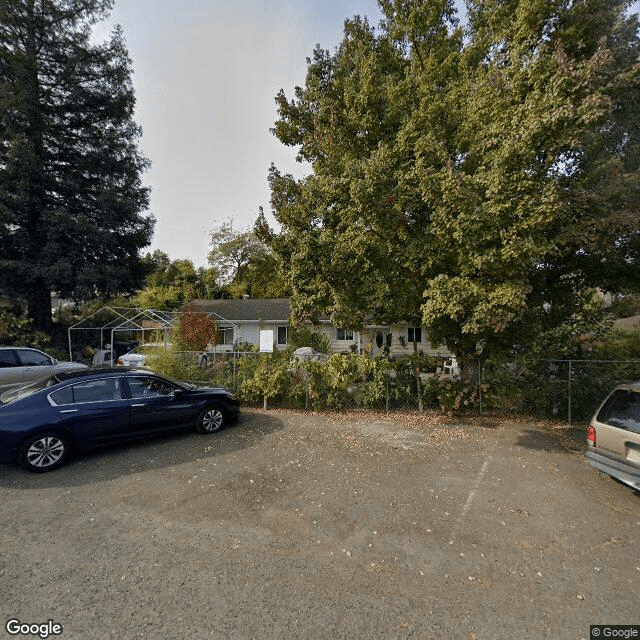
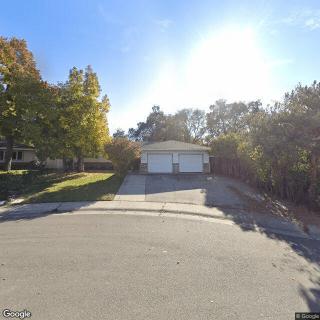
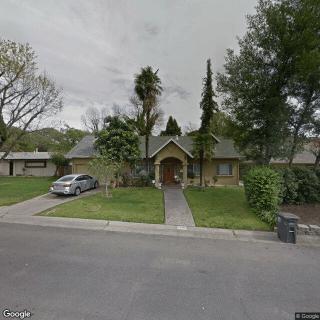
5901 Del Campo Ln, Carmichael, CA 95608
To contact a resident: (916) 349-2387
For more information about senior living options: (866) 208-4318
STO. Thomas Guest Home Costs & Pricing
At STO. Thomas Guest Home, the monthly cost for a private room is set at $3,500, positioning it favorably when compared to both Sacramento County and broader California averages. In Sacramento County, the cost for a similar private room stands at $3,686, while the state average reaches $3,939. This competitive pricing reflects an appealing option for families seeking high-quality care within a budget-conscious framework. The value offered at STO. Thomas Guest Home not only emphasizes affordability but also highlights the commitment to providing a nurturing environment that meets the needs of its residents.
| Floor plans | STO. Thomas Guest Home | Sacramento County | California |
|---|---|---|---|
| Private | $3,500 | $3,686 | $3,939 |
Senior living communities with a similar price nearby
-
from -$500 / mo
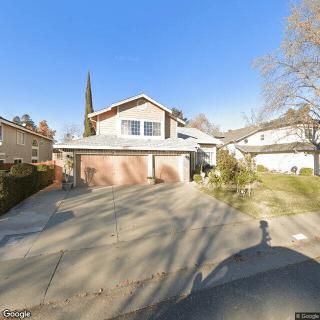
Afable Care Home
$3,000 to $3,500 / month4.3 miles away -
from +$500 / mo
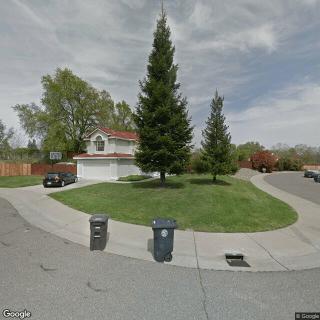
Sungarden Villa II
$4,000 / month3.6 miles away -
About the same
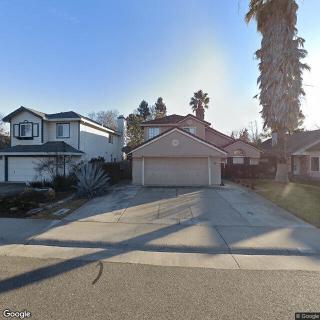
Tabitha Home Care
$3,500 to $4,000 / month18.2 miles away -
from +$650 / mo
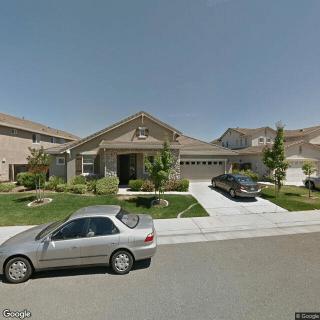
Ferrari
$4,150 to $5,500 / month12.8 miles away -
from -$500 / mo
Love & Care for Elder
$3,000 to $4,500 / month2.9 miles away
Overall Review of STO. Thomas Guest Home
Pros
 The owners are very nice and caring.
- The couple running the place seem to take joy in the residents.
- The staff are charming and genuinely caring toward the residents.
- They cook meals to residents' preferences, showing attentiveness.
- There is a lot of interaction between caregivers and residents, beyond basic caregiving.
- The residents appear to be well looked after and valued.
Cons
 The home was not clean and not well organized.
- It was chaotic.
- The physical environment was not good.
- The rooms would be too small for the resident's mom.
- The neighborhood was questionable.
- The quarters were tight.
Review
Sto. Thomas Guest Home in Carmichael is best suited for seniors who want a highly intimate, home-like setting with hands-on attention from a small, owner-operator team. It fits residents who don’t require intensive medical care but value constant companionship, flexible meal planning, and direct access to people who know them well. The setting appears to accommodate only a small number of residents at a time, enabling relationships that feel genuine rather than transactional. For families prioritizing warmth, personal connection, and a strong sense of daily involvement in care, this community delivers.
However, this is not the right pick for everyone. Those needing regular medical supervision, broad programming, or spacious, hospital-like environments will likely be better served elsewhere. The neighborhood’s perceived risk and the tight physical footprint are practical considerations for families who want assured privacy, ease of mobility, and a sense of security. Individuals who require private rooms with more space or who expect formal, structured activity schedules should consider options with larger facilities and more formal staffing.
On the upside, the owners are described as charming and deeply devoted to residents, and their approach translates into meals cooked to order and a willingness to tailor the day to resident preferences. Residents appear to benefit from meaningful engagement beyond basic caregiving, including going out for activities and frequent interaction. That level of attentiveness can offset the physical shortcomings, small rooms and a cramped overall footprint, by delivering a quality of life anchored in personal connection, conversation, and the feeling of being known.
Yet the drawbacks are tangible. Cleanliness and organization did not meet higher expectations, and the environment felt chaotic at times. Rooms are small, with little space for belongings or private routines, which can erode comfort for longer stays or for anyone who values privacy. The perception of a questionable neighborhood adds another layer families must weigh, especially when safety, access, and errands are daily concerns. These factors don’t erase the care present, but they shape risk tolerance and long-term satisfaction.
Practitioners should approach a tour with a focused checklist: observe cleanliness and maintenance during a typical day, confirm staffing coverage and on-site supervision, and ask to see a sample meal plan and how dietary needs are accommodated. Inquire about how outings are arranged, the level of resident choice in daily activities, and the process for addressing safety or mobility challenges within the small footprint. Compare these findings against larger facilities that offer more space, more structured programming, and a broader neighborhood context to determine which aligns with the senior’s priorities and the family’s comfort level.
In sum, Sto. Thomas Guest Home is a strong fit for families seeking intimate, relationship-driven care where meals and daily life are flexible to individual tastes. It excels in warmth, personal attention, and direct involvement by the owners, turning a small operation into a meaningful home for residents who thrive on connection. The main trade-offs are space, cleanliness, and a neighborhood footprint that may not suit everyone. If those trade-offs are acceptable, a personal tour is warranted; otherwise, explore alternatives that emphasize polish, larger accommodations, and more formalized programming.
 Board and Care Home
 Activities off-site
 Devotional services off-site
 Indoor common areas
 Outdoor common areas
 Private
 Respite or short term stays offered
 Wheelchair accessible showers
 Sacramento International (14 miles away)
 Ambulatory care
 Diabetic care
 Incontinence care
 Medication management
 Meals provided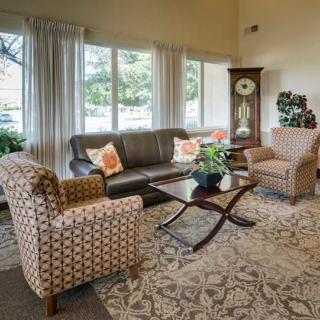

 Comprehensive Approaches for Arthritis: A Detailed Guide to Symptoms, Causes, and Care
 Comprehensive Insights and Practical Strategies to Help Older Adults Avoid Falls
 6 Crucial Ways an Elder Law Attorney Assists Families