
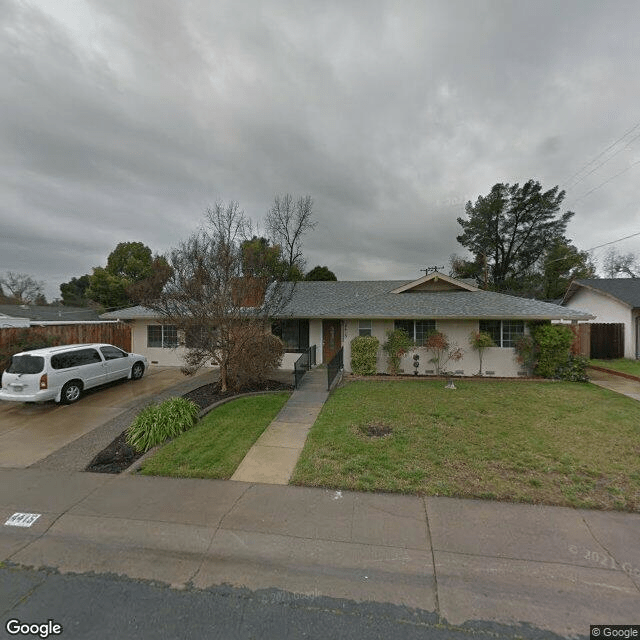
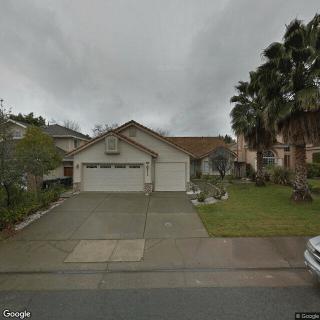
4415 Rollingrock Way, Carmichael, CA 95608
For more information about senior living options: (866) 208-4318
Esther Care Home Costs & Pricing
Esther Care Home offers a competitive monthly rate for its private rooms at $2,500, significantly lower than the average costs observed in both Sacramento County and across California. In Sacramento County, the typical expense for similar accommodations is approximately $3,686, while statewide averages soar to about $3,939. This pricing advantage not only makes Esther Care Home an attractive option for families seeking quality care but also reflects its commitment to providing accessible support in a nurturing environment. Such affordability paired with attentive service can make a meaningful difference for residents and their loved ones.
| Floor plans | Esther Care Home | Sacramento County | California |
|---|---|---|---|
| Private | $2,500 | $3,686 | $3,939 |
Assisted Living communities with a similar price nearby
-
About the same
Sunrise Senior Care
$2,500 to $3,500 / month4.1 miles away -
About the same

Gina's Home Care
$2,500 / month1.4 miles away -
About the same

Eastern Manor
$2,500 to $3,000 / month3.1 miles away -
About the same
Hempstead Home
$2,500 to $6,930 / month5.6 miles away -
About the same
A.R.C. Manor of Folsom
$2,500 to $3,500 / month7.7 miles away
Overall Review of Esther Care Home
Pros
 The guest was very comfortable during his tour of Golden Season Care Facility.
- The staff were great and friendly.
- The tour was thorough and provided all the information the family needed.
- The tour guide shared information about on-site and off-site activities and meal plans.
- The facility was clean.
- The home was very affordable and conveniently located.
- The place was very nice, clean, and homey, with a big backyard and a patio.
- The bathrooms were large and easy to use.
Cons
 The reviewer believed the living conditions would not be satisfactory for their mother.
- The reviewer would rather pay $700 more per month to place her somewhere more comfortable.
- The reviewer noted that the director's speech was difficult to understand.
Review
Esther Care Home in Carmichael is best suited for families urgently prioritizing affordability and a home-like, low-key setting where daily life emphasizes routine, cleanliness, and straightforward care rather than high-acuity medical needs. It appeals to relatives who want to stay close to home and keep transition time simple, with a focus on comfort, familiarity, and predictable schedules. The space is described as clean and practical, with features that make everyday living manageable for residents who don’t require intensive clinical support. In short, this community is a pragmatic choice for budget-minded families seeking a modest, residential environment rather than a glossy, hospital-like campus.
There are explicit reasons some families should consider alternatives. Those with residents requiring stronger medical supervision, complex wound care, or frequent therapy may find Esther’s level of care insufficient. A few reviewers raise concerns about living conditions and overall comfort relative to expectations for a loved one’s long-term residence, suggesting a willingness to pay more elsewhere for improved ambiance and perceived quality. Communication and clarity about care plans also surface as potential gaps, which matters when a family relies on regular updates and easily understood guidance from staff. For households needing a more dynamic activity calendar or more robust programming, this may not be the best match.
On the upside, the core strengths align well with a simple, dignity-centered living experience. The facility earns praise for affordability and proximity to family, which translates into less financial strain and easier visit logistics. Residents and families describe the setting as clean and homey, with practical spaces that feel comfortable rather than clinical. Important accessibility features, large, easy-to-use bathrooms, and a secure exterior environment with lockdown doors contribute to a sense of safety and independence for residents who manage daily tasks without intensive assistance. An impression of friendly, approachable staff can also be inferred from the warmth in introductory conversations and the willingness of leadership to meet with families.
Yet the main cons cannot be dismissed. Several reviewers signal dissatisfaction with the living conditions for a loved one, indicating that comfort and quality of surroundings did not meet expectations, even when cost was a decisive factor. The trade-off for lower price and closer location is sometimes a perception of narrower amenities, less polished interiors, or limited capacity to accommodate higher levels of daily care. Communications challenges, such as staff or director conversations that are hard to follow, add to the risk that families feel out of the loop about important changes in care or daily routines. The mention of perineal care needs hints at the facility’s capability to address certain personal care requirements, but it also underscores the need for transparent confirmation of exact services offered.
Overall, Esther Care Home presents a practical, budget-driven option for seniors who can thrive in a modest, secure, and owner-operated environment. The strongest case is made for residents who can navigate a straightforward care plan with regular but uncomplicated assistance, appreciate a clean, home-like atmosphere, and benefit from close family proximity. However, families weighing this choice should come prepared to scrutinize living conditions relative to expectations, push for clear communication channels, and verify that the level of medical and personal care aligns with current and anticipated needs. If these areas don’t align, alternatives with more polished interiors, richer activity calendars, and stronger clinical support will likely deliver greater peace of mind.
Decision-makers should approach a tour with a targeted checklist: confirm the exact scope of services offered for daily living tasks and any medical support, request a clear outline of staff-to-resident ratios during different day parts, and observe how easy it is to navigate common areas and bathrooms for a resident with mobility limitations. Engage directly with the director or caregiver leadership about care planning, including any anticipated changes in needs, and ask for recent resident and family references to gauge consistency of daily operations. Finally, compare total monthly costs against anticipated quality of life improvements, and weigh whether the added expense of alternatives would meaningfully elevate comfort, safety, and engagement for the loved one.
 6 resident community capacity
 Assisted Living
 Board and Care Home
 Activities off-site
 Cable or satellite TV
 Devotional services off-site
 Dining room
 Fully furnished
 Garden
 Housekeeping services
 Indoor common areas
 Move-in coordination
 Outdoor common areas
 Private
 Telephone
 Wheelchair accessible showers
 Wi-Fi/high-speed internet available
 Sacramento International (15 miles away)
 24-hour supervision
 Ambulatory care
 Assistance with bathing
 Assistance with dressing
 Assistance with transfers
 Diabetes diet
 Incontinence care
 Meal preparation and service
 Medication management
 Special dietary restrictions
 Transportation arrangement (medical)
 Transportation to doctors appointments
 Adventist services


 Senior Transition Services: Understanding Their Role, Cost, and Importance
 Exploring the Path to Senior Living: A Comprehensive Look at Independent Living and Assisted Living
 Is Assisted Living Deductible on Your Taxes? Understanding the Complexities of Assisted Living Expenses and Deductions