Cornelia's

5422 North Avenue, Carmichael, CA 95608

For more information about senior living options: (844) 490-3973

3.7 from 19 reviews
5 stars
10
4 stars
3
3 stars
0
2 stars
2
1 stars
4

Assisted Living Board and Care Home

Overall Review of Cornelia's

Pros

  • pro The staff is caring and very attentive.
  • pro The chefs are praised and the food is first class.
  • pro Holly is described as an angel.
  • pro Residents have formed friendships there, and visitors note cheerful, helpful staff.
  • pro The facility is awesome and well managed with people who care.
  • pro Staff such as Kiki, Tammy, Kaylee, and others have shown genuine care and dedication.
  • pro The staff and residents are cordial and receptive during weekly Christian services.
  • pro The reviewers express gratitude and blessings for the dedicated staff.

Cons

  • pro The reviewer found the care at Walnut House Assisted Living to be deeply concerning.
  • pro The reviewer reported four occasions where dinner was not delivered despite assurances from the administrator.
  • pro The reviewer described Christmas Day as finding the mother lying in dried urine, with staff taking 30 minutes to respond to the call bell.
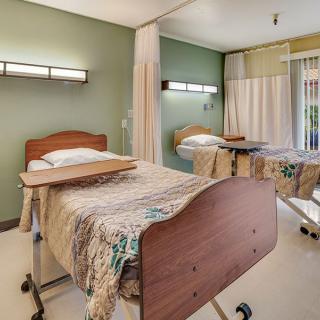
  • pro The reviewer stated the room cleanliness was unacceptable, with visible feces on the bathroom walls and a filthy floor, and that they had to clean for two hours.
  • pro The reviewer noted the bathroom lacked basic supplies on move-in and that a dirty mattress with fecal stains was never replaced.
  • pro The reviewer cited a safety violation: a roommate's medication bottles were improperly scored in the shared bathroom.
  • pro The reviewer criticized administration, especially Allison, for not upholding standards, with poor communication and lack of follow-up.
  • pro The reviewer regretted entrusting care to the facility and arranged for home health care and relocation.

Review

The collection of reflections about Walnut House Assisted Living paints a picture of a facility that inspires strong emotions, ranging from heartfelt gratitude and admiration to serious concern and disappointment. Several reviewers celebrate what they perceive as an exceptional level of warmth and attentiveness from the staff. They emphasize that the environment feels cheerful and welcoming, that residents are treated with kindness, and that the dining experience is notably positive. One commenter singled out the cuisine as "first class," a detail that stands out in a setting where good meals can make a meaningful difference in the daily well-being of residents. Another person praised Holly as "an Angel," underscoring the personal connections that some residents and families experience. Across these accounts, there is a sense that staff members, when engaged, genuinely care, and visitors frequently describe fair, respectful interactions with those who show up to support residents.

Yet alongside these affirmations, there are equally emphatic and disturbing accounts from a different perspective. A registered nurse with 31 years of experience - who also spent time in a consultant role overseeing care homes - shared a deeply troubling view of the care in Walnut House. According to this reviewer, the sister of the nurse's patient spent about six weeks in the facility, during which several critical lapses occurred. The nurse notes missed meals, with dinners not delivered on four occasions despite assurances from a facility administrator named Allison that the problems had been resolved. The reviewer recounts a Christmas Day scene where the patient was found lying in dried urine; after cleaning her up and settling her, it allegedly took staff 30 minutes to respond to a call bell. The cleanliness of the living spaces was described as unacceptable - the room allegedly contained visible feces on bathroom walls and a dirty floor, and initial move-in provisions were lacking, with soap and paper towels absent in the bathroom. The mattress was described as dirty, with fecal-like staining on the box spring, and despite promises to replace it, no action was taken; the reviewer eventually purchased a new mattress independently.

In addition to the cleanliness and responsiveness concerns, the reviewer highlights a safety and regulatory red flag: medication bottles belonging to a roommate were allegedly improperly scored in a shared bathroom, signaling potential medication safety and regulatory compliance issues. While acknowledging that some staff members - such as Kiki, Tammy, and Kaylee - showed genuine care and dedication, the reviewer criticized the administration, especially Allison, for failing to uphold standards of care. The communication about concerns was described as poor, and follow-up was said to be lacking, contributing to a sense of systemic weakness rather than isolated incidents. The conclusion drawn by this reviewer is sobering: given these circumstances, they arranged for home health aides to support their mother and began planning a relocation to a smaller, more thoroughly vetted facility. The reviewer's message is a call to address what they see as ongoing systemic issues, with a clear hope that improvements will be made for residents who do not have family advocates.

Despite the severity of those concerns, there is a strand of resilience threaded through the narratives. The same critical review acknowledges that some staff members deliver compassionate care in challenging conditions, and it emphasizes that there are individuals who strive to make a difference even when the overall system struggles. The reviewer's ultimate stance is not to condemn every aspect of Walnut House, but to advocate for substantive changes that would raise the quality of care, safety, and communication. The sentiment is clear: care providers should be held to high standards, and the presence of caring staff alone is not enough to compensate for avoidable lapses in basic care and safety.

In another thread of experiences, a separate reviewer describes frustration with administrative responsiveness. An inquiry about private-pay availability and the potential Assisted Living Waiver yielded no follow-up: no callback after leaving a phone number, and repeated emails going unanswered. The reviewer notes that there is a waiting list for the Assisted Living Waiver with an expected one-year wait, adding a practical barrier to access that compounds the disappointment around the lack of professional communication. The overall tone here is one of discontent with the outreach and customer service experience, suggesting that potential residents and families may feel left in the dark at a time when clear information and timely communication are crucial.

A smaller, but still meaningful, portion of the feedback emphasizes staffing and medication delivery challenges. A two-star rating points to chronic understaffing that affects medication administration, with the reviewer asserting that their grandmother did not receive her medications in a timely manner - a problem that clearly contributed to ongoing frustration. Combined with a broader sense of staffing insufficiency, this thread reinforces the perception that operational pressures can directly impact resident well-being and family peace of mind, even as other reviews celebrate the dedication of individual staff members.

There are also voices of reassurance and gratitude that contribute to a balanced overall impression. Some reviewers repeat enthusiastic endorsements: "Well managed facility with people who care," and "I heard so many good things about this facility - y'all are awesome." A further positive note comes from an individual who says they provided weekly Christian services at Walnut House, describing the staff and residents as cordial and receptive. These testimonies help to round out the narrative by underscoring that, in some situations, families see a high level of engagement, warmth, and spiritual or social support that enhances residents' quality of life.

Amid the mix of praise and concern, the community is confronted with a pointed defense from Walnut House itself regarding a Google review that claimed the facility's staff and operations were misrepresented. Walnut House states that the review is unrelated to their actual services, emphasizing that they operate as an assisted living facility rather than a skilled nursing facility (SNF). They clarify that they do not use CNAs; rather, they employ care aides and Med Techs, and that all employees must pass a DOJ background check, with even a misdemeanor disqualifying a candidate from employment. The facility asserts there has never been an employee by the name cited in the unrelated review, that there is no resident by the listed names, and that they do not maintain an HR department. They describe themselves as a small, family-owned, quiet business and express concern about what they call "slander" while extending condolences to those affected by the situation described in the previous comment. This response adds another layer to the overall narrative, highlighting tensions between firsthand resident family experiences and the facility's public-facing assurances about staffing, safety, and integrity.

Taken together, the reviews present Walnut House Assisted Living as a place of contrasts: moments of warmth, attentiveness, and "first-class" dining experiences alongside serious concerns about meal delivery, room cleanliness, timely responses to calls, medication management, and administrative communication. The strongest critique centers on front-line care and oversight, suggesting that even when individual staff members demonstrate compassion, systemic gaps in leadership, supervision, and rapid problem resolution may undermine resident safety and comfort. Conversely, several other voices emphasize positive relationships, spiritual and social engagement, and a sense of community that some residents and families value deeply. The overall picture is complex: Walnut House appears to be a place where genuine care and dedication coexist with operational challenges, and where the experiences of residents and families can vary widely depending on specific staff interactions, administrative responsiveness, and the level of advocacy present for any given resident.

Features

Housing

  • 6 resident community capacity 6 resident community capacity

Types of Care

  • Assisted Living Assisted LivingAssisted living facilities provide crucial support and care for seniors who may need help with daily tasks such as medication management, bathing, and meal preparation. These communities offer a safe and comfortable environment where seniors can maintain their independence while receiving the assistance they need to thrive in their golden years.
  • Board and Care Home Board and Care HomeBoard and care homes provide a smaller, more intimate setting for seniors who require assistance with daily tasks but do not need the level of care offered by a nursing home. They offer personalized care, meals, and social activities in a homelike environment, ensuring that seniors receive individualized attention and support in their golden years.

Amenities

  • Cable or satellite TV Cable or satellite TVCable or satellite TV is important for seniors because it provides entertainment, news, and companionship, helping to combat loneliness and boredom. It also offers a wide range of programming options tailored to different interests and preferences.
  • Dining room Dining roomDining rooms are important for seniors as they provide a space for socialization, connection, and nutritious meals. They offer opportunities for residents to bond over shared meals, foster a sense of community, and promote healthy eating habits. Dining rooms also ensure that seniors have access to well-balanced meals tailored to their dietary needs and preferences.
  • Fully furnished Fully furnishedFully furnished senior living communities are important for seniors because they provide convenience, comfort, and a hassle-free moving experience. Seniors can easily settle into their new living space without the stress of having to buy and move furniture. This allows them to focus on enjoying their new home and community.
  • Garden GardenGardens are important for seniors as they provide a peaceful and therapeutic environment for relaxation, physical activity, and socialization. Being in nature has been shown to reduce stress, improve mood, and promote overall well-being. Gardens also offer opportunities for seniors to engage in gardening activities, which can improve mobility, flexibility, and cognitive function. Additionally, gardens create a sense of community and connection with others who share a passion for plants and outdoor spaces.
  • Housekeeping services Housekeeping servicesHousekeeping services are important for seniors because they help maintain a clean and safe living environment, promote independence, and reduce the risk of accidents or illnesses. Additionally, having assistance with household chores can alleviate physical strain and allow seniors to focus on other aspects of their well-being.
  • Move-in coordination Move-in coordinationMove-in coordination is important for seniors because it helps ease the transition into their new living environment. It ensures that all logistics, such as packing, organizing movers, and setting up utilities are taken care of, allowing seniors to focus on settling in and adjusting to their new home. Having a smooth move-in process can alleviate stress and anxiety, making the transition smoother and more enjoyable for seniors.
  • Outdoor space Outdoor spaceOutdoor spaces are important for seniors as they provide opportunities for physical activity, social interaction, exposure to natural light and fresh air, and a sense of connection to nature. Having access to outdoor spaces can improve overall well-being and quality of life for older adults living in senior communities.
  • Telephone TelephoneTelephones are important for seniors as they provide a lifeline for communication with loved ones, emergency services, and healthcare providers. They offer a sense of security and independence, enabling seniors to stay connected and access assistance when needed.
  • Wi-Fi/high-speed internet available Wi-Fi/high-speed internet availableWi-Fi/high-speed internet is important for seniors to stay connected with loved ones, access online resources, and participate in virtual activities to combat feelings of loneliness and isolation. It also allows them to easily manage healthcare needs, access entertainment, and engage in lifelong learning opportunities.

Transportation

  • Sacramento International (15 miles away) Sacramento International (15 miles away)

Care Services

  • 24-hour supervision 24-hour supervision24-hour supervision is important for seniors to ensure their safety, well-being, and access to immediate assistance in case of emergencies or health issues. This constant support provides peace of mind for both seniors and their loved ones, allowing them to age in place with dignity and security.
  • Activities of daily living assistance Activities of daily living assistanceActivities of daily living assistance are important for seniors because they provide essential support with tasks such as eating, bathing, dressing, and mobility. This assistance helps seniors maintain their independence, dignity, and overall quality of life as they age.
  • Assistance with bathing Assistance with bathingAssistance with bathing is crucial for seniors as it helps maintain personal hygiene, prevents infections, and ensures their overall well-being and comfort. It also provides a sense of dignity and independence for seniors who may struggle with this task on their own.
  • Assistance with dressing Assistance with dressingAssistance with dressing is important for seniors because it helps maintain their independence, promotes personal hygiene, prevents accidents and injuries, and improves overall quality of life. This service ensures that seniors can continue to dress comfortably and confidently, despite any physical limitations they may have.
  • Assistance with transfers Assistance with transfersAssistance with transfers is crucial for seniors as it helps prevent falls and injuries, maintains their independence, and ensures they can safely navigate their living environment. It also provides peace of mind for both seniors and their loved ones.
  • Coordination with health care providers Coordination with health care providersCoordination with health care providers is crucial for seniors to ensure proper medical care, medication management, and overall well-being. This collaboration helps prevent overlapping treatments, track progress more effectively, and provide comprehensive support tailored to individual needs.
  • Diabetes diet Diabetes dietA diabetes diet is crucial for seniors as it helps manage blood sugar levels, reduce risks of complications, and improve overall health and well-being. By following a balanced and nutritious diet tailored to their specific needs, seniors can better control their diabetes and enhance their quality of life.
  • Meal preparation and service Meal preparation and serviceMeal preparation and service are crucial for seniors as they may have limited mobility or energy to cook nutritious meals. Having access to healthy and convenient food options can ensure they are getting the proper nutrition needed to maintain their overall health and well-being.
  • Medication management Medication managementMedication management is crucial for seniors to ensure they are taking the right medications at the correct dosages and times. This helps prevent adverse drug interactions, reduces the risk of medication errors, and promotes overall health and well-being. Proactive management also allows for adjustments as needed based on changing health conditions or new prescriptions.
  • Special dietary restrictions Special dietary restrictionsSpecial dietary restrictions are important for seniors because age-related changes in metabolism and health conditions can make it difficult for their bodies to process certain foods. By following a diet tailored to their specific needs, seniors can maintain their overall health and well-being, manage chronic conditions, and reduce the risk of complications such as malnutrition or food interactions with medications.
  • Transportation arrangement (medical) Transportation arrangement (medical)Transportation arrangements for medical purposes are essential for seniors as they may have difficulty driving themselves to appointments or accessing public transportation. Having reliable and safe transportation options ensures that seniors can receive timely medical care and maintain their health and well-being.
  • Transportation to doctors appointments Transportation to doctors appointmentsTransportation to doctors' appointments is crucial for seniors as it ensures they have access to necessary medical care and support for their health needs. Without reliable transportation, seniors may struggle to attend important appointments, leading to potential delays in treatment and health complications. Providing transportation services helps seniors maintain their overall well-being and quality of life.

Dining

  • Diabetes diet Diabetes dietA diabetes diet is crucial for seniors as it helps manage blood sugar levels, reduce risks of complications, and improve overall health and well-being. By following a balanced and nutritious diet tailored to their specific needs, seniors can better control their diabetes and enhance their quality of life.
  • Special dietary restrictions Special dietary restrictionsSpecial dietary restrictions are important for seniors because age-related changes in metabolism and health conditions can make it difficult for their bodies to process certain foods. By following a diet tailored to their specific needs, seniors can maintain their overall health and well-being, manage chronic conditions, and reduce the risk of complications such as malnutrition or food interactions with medications.

Activities

  • Community-sponsored activities Community-sponsored activitiesCommunity-sponsored activities are important for seniors as they provide opportunities for social interaction, mental stimulation, and physical activity. These activities can help improve overall well-being, combat loneliness and isolation, and promote a sense of belonging and purpose among older adults.
  • Scheduled daily activities Scheduled daily activitiesScheduled daily activities are important for seniors because they provide structure, socialization, mental stimulation, and physical activity. Engaging in regular activities can improve overall well-being and quality of life for seniors living in a community setting.

Description

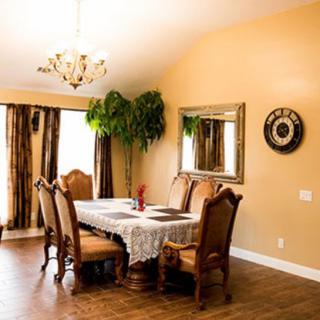
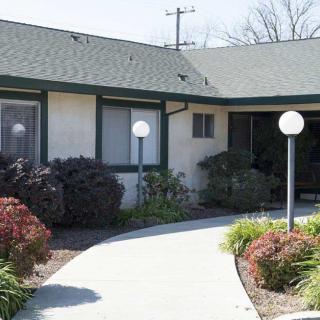
Cornelia's in Carmichael, CA is a welcoming board and care home designed to provide a supportive and nurturing environment for its residents. Nestled in a vibrant community, Cornelia's offers an array of amenities that make it an ideal choice for seniors seeking comfort and companionship. Residents enjoy access to a beautifully furnished dining room, serene outdoor spaces, and well-maintained gardens that enhance their daily living experience.

The community is equipped with essential services including housekeeping, move-in coordination, and high-speed internet connectivity, ensuring that residents stay connected and comfortable. Cornelia's prioritizes the well-being of its residents by providing comprehensive care services that include assistance with daily activities such as bathing, dressing, and transfers. The dedicated staff coordinates with healthcare providers to ensure personalized care plans are tailored to meet individual needs.

In addition to fundamental care support, Cornelia's takes pride in offering specialized dietary options through meal preparation and service tailored to accommodate special dietary restrictions. Transportation arrangements for medical appointments help residents maintain their health while participating in scheduled daily activities that foster engagement and social interaction.

The surrounding area boasts an array of local amenities including 8 cafes, 19 restaurants, 9 parks, and several pharmacies—a perfect blend of leisure options for outings or relaxation. With 4 nearby hospitals and easy access to healthcare providers, peace of mind is assured for both residents and their families.

Cornelia's in Carmichael provides a supportive community filled with compassion and enriching opportunities for seniors looking to embrace this next chapter of life with dignity and joy.

Nearby Places of Interest

Parks

  • Carmichael Park (0.6 miles)
  • Ancil Hoffman Park (0.7 miles)
  • Mission North Park (0.9 miles)
  • Effie Yeaw Nature Center (1.5 miles)
  • William B Pond Recreation Area (2.2 miles)
  • Sacramento Bar (3.6 miles)
  • Sunrise Area American River Parkway (4.1 miles)

Cafes

  • Starbucks (0.6 miles)
  • Dutch Bros Coffee (1.7 miles)
  • Starbucks (3.2 miles)
  • KP International Market (3.5 miles)
  • Dutch Bros Coffee (3.8 miles)
  • Starbucks (4 miles)
  • Starbucks (4.5 miles)

Hospitals

  • Walnut Whitney (0.6 miles)
  • San Juan Surgery Center (3.4 miles)
  • Greater Sacramento Surgery Center (4 miles)
  • Sacramento VA Medical Center (4.2 miles)

Pharmacies

  • CVS Pharmacy (0.6 miles)
  • Walgreens (0.7 miles)
  • Rite Aid (1.1 miles)
  • Rite Aid (1.5 miles)
  • Raley's Pharmacy (1.9 miles)
  • Save Mart Supermarkets (1.9 miles)
  • Walgreens (2.5 miles)

Places of Worship

  • Slavic SDA Church (0.8 miles)
  • Crossroads Christian Fellowship Wesleyan Church (3.3 miles)
  • SDA Ukrainian Church (3.3 miles)
  • St Mel's Catholic Church (3.9 miles)

Theaters

  • Country Club Cinema (2.5 miles)
  • Century Theatre (3.9 miles)

Restaurants

  • McDonald's (2.6 miles)
  • Pho Fresh (2.7 miles)
  • Chick-Fil-A (2.7 miles)
  • In-N-Out Burger (2.7 miles)
  • Taco Bell (2.7 miles)
  • McDonald's (3.7 miles)
  • McDonald's (3.7 miles)

Physicians

  • Alocozy, M Nadir MD: M Nadir Alocozy, MD (2.9 miles)
  • Mercy San Juan Hospital (3.4 miles)
  • EYEcenter Optometric (3.8 miles)
  • UC Davis Medical Group (3.9 miles)
  • UC Davis Medical Group - Rancho Cordova (3.9 miles)
  • Dr. Randolph Brown (4 miles)
  • Griffin & Reed Eye Care (4.8 miles)

Frequently Asked Questions

Where is Cornelia's?

Nearby Communities

Related Resources

  • when to move from assisted living to nursing home8 Key Indicators That Suggest It May Be Time to Transition from Assisted Living to Skilled Nursing Care

    The transition from assisted living to skilled nursing care is often prompted by complex medical needs that assisted living cannot meet, with key indicators including frequent health declines, increased falls, severe memory issues, and caregiver burnout. Families should recognize these signs early to discuss options with healthcare providers and prepare for the emotional and logistical aspects of moving to a facility that offers comprehensive medical support.

  • active senior livingVibrant Senior Living: A Comprehensive Guide for Active Older Adults

    Vibrant Senior Living emphasizes active senior living communities that promote independence and engagement through diverse amenities and activities, fostering wellness and social interaction among older adults. These communities range from independent to assisted living, with a focus on personal growth, family involvement, financial planning, and leveraging technology to enhance residents' experiences.

  • when to move from assisted living to memory careWhen to Transition from Assisted Living to Memory Care: Key Indicators, Steps, and Finding the Right Community

    Transitioning from assisted living to memory care is driven by an individual's cognitive decline and specific needs, requiring careful evaluation of indicators like increased confusion and wandering. The process involves consulting medical professionals, researching suitable communities, considering financial and legal aspects, and ensuring effective communication for personalized care plans.