

25661 Morse Dr, Carmel, CA 93923
To contact a resident: (831) 626-0824
For more information about senior living options: (866) 208-4318
Overall Review of Flanders Court of Carmel
Pros
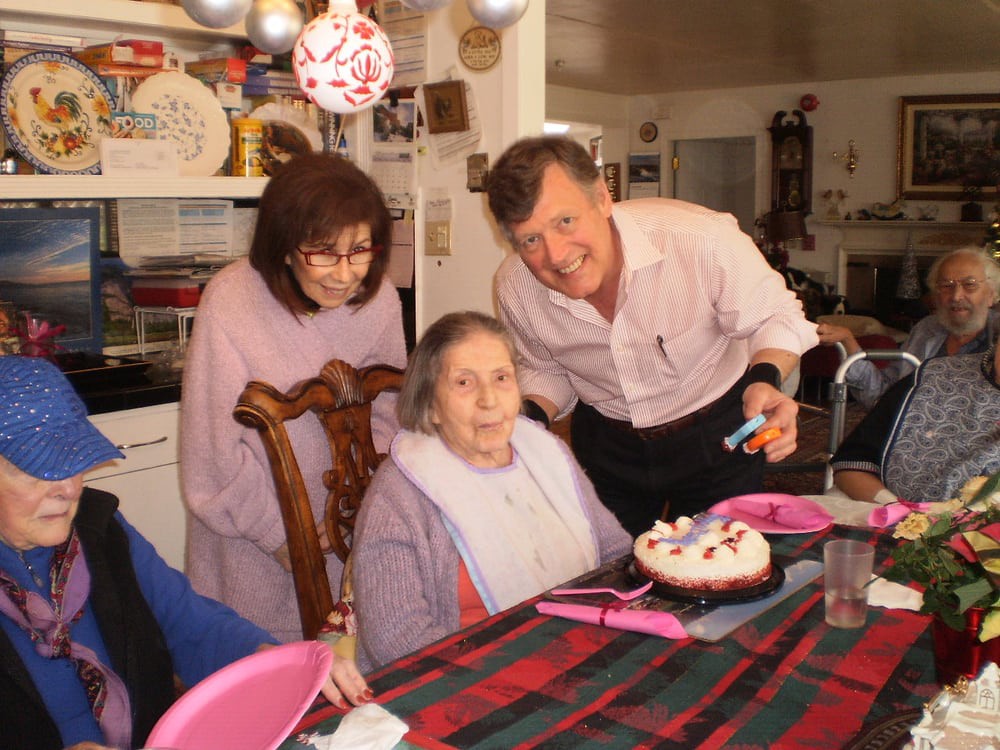
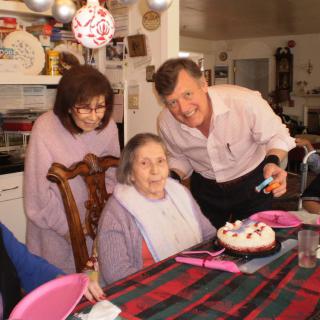
 Herman and his staff truly care about their residents and go the extra mile to take care of them.
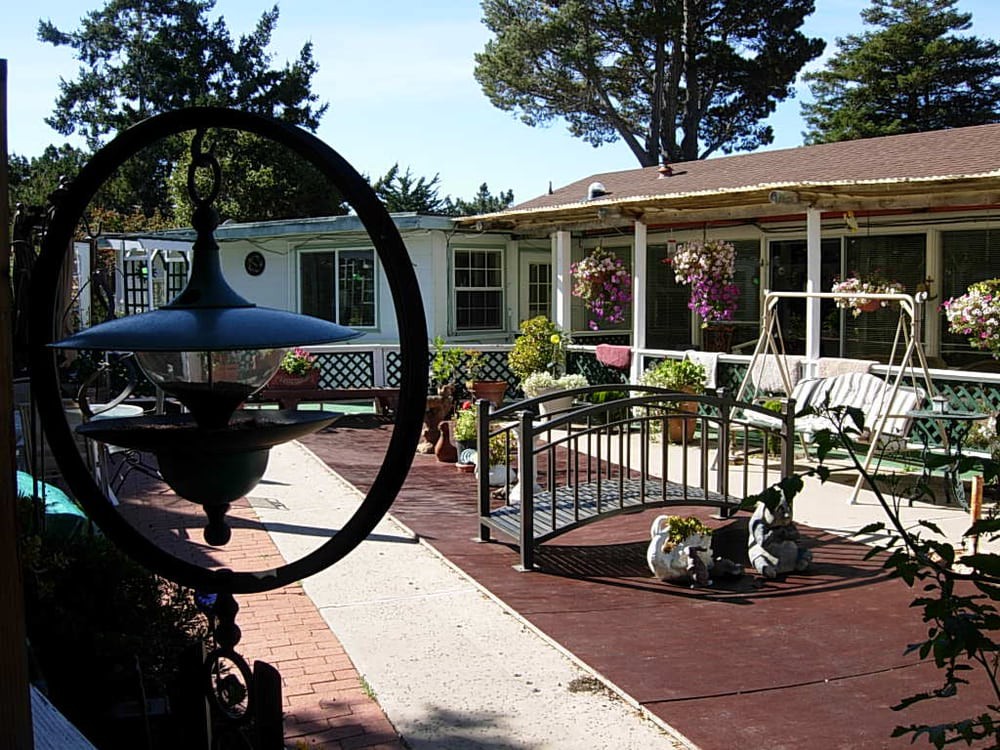
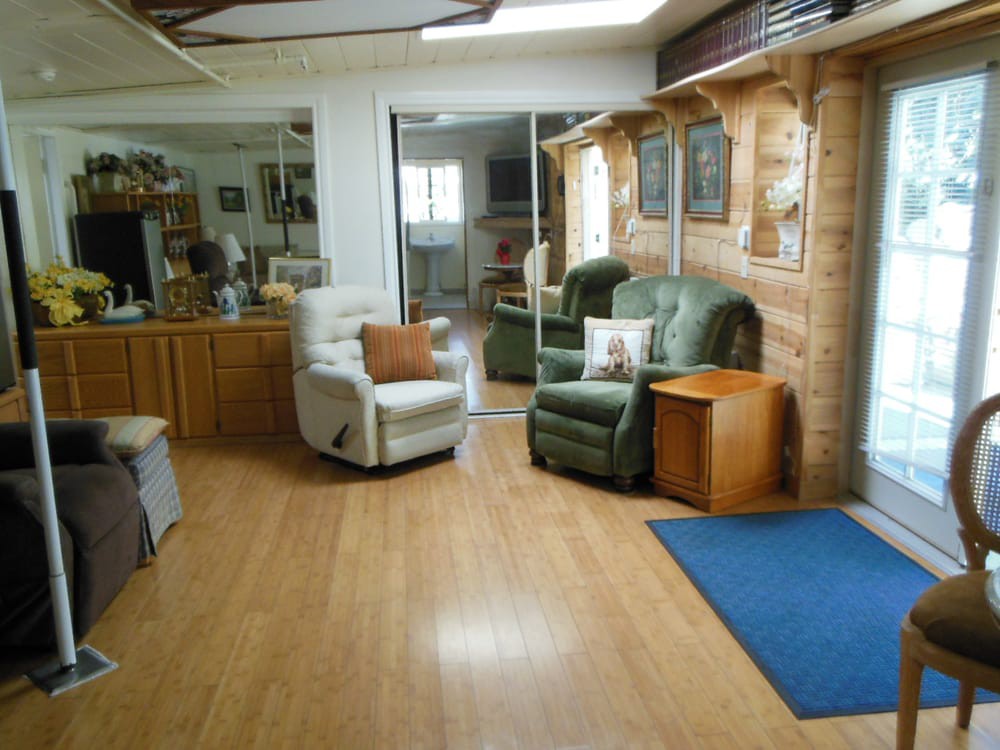
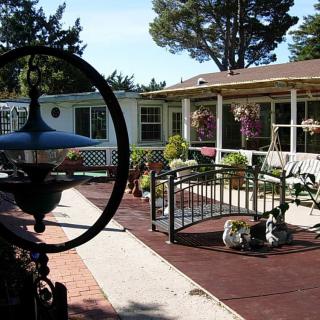
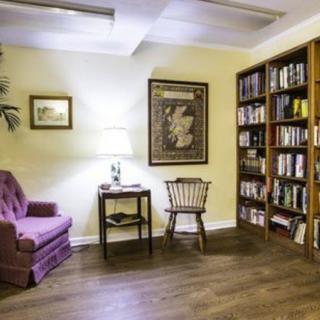
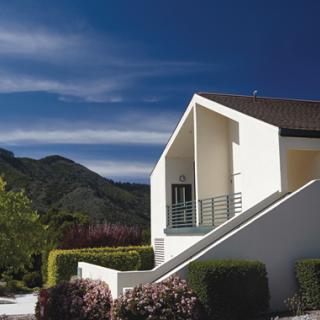
- The physical set-up of Flanders Court is gracious, secure, and homey.
- The handsome garden and patio are integrated into the living area.
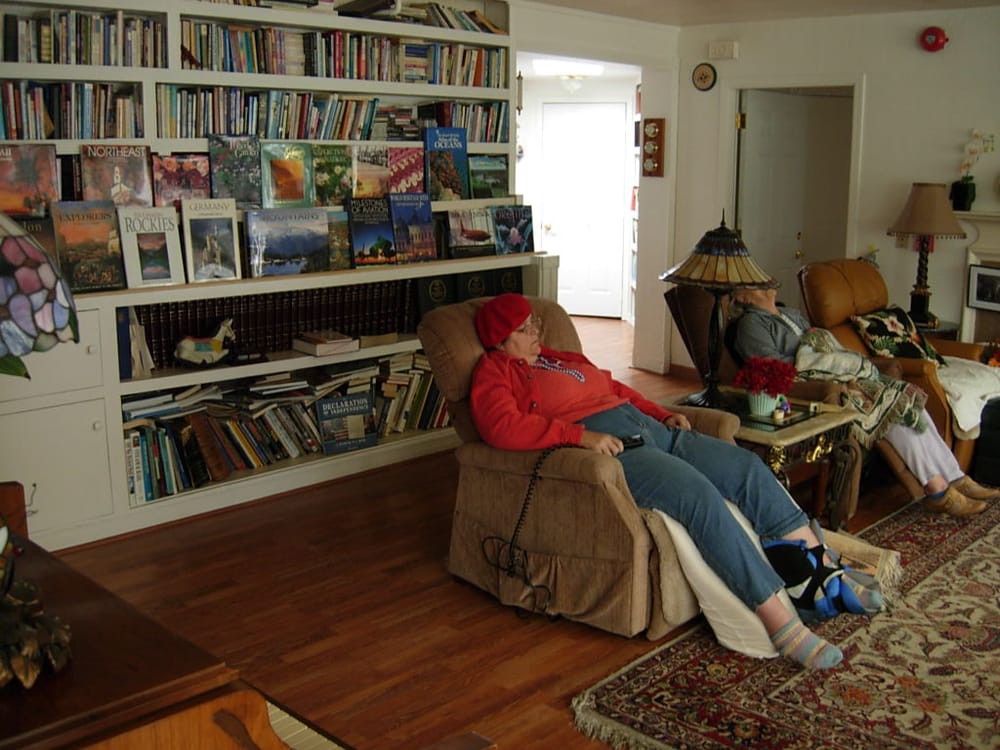
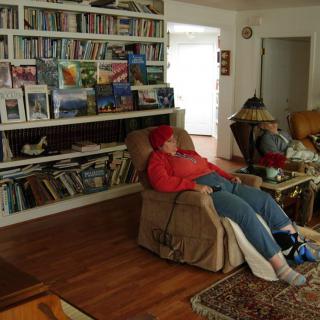
- Residents have abundant natural light, eclectic tasteful furnishings, and bedrooms personalized with their own possessions.
- All of this helps support a sense of identity and orientation.
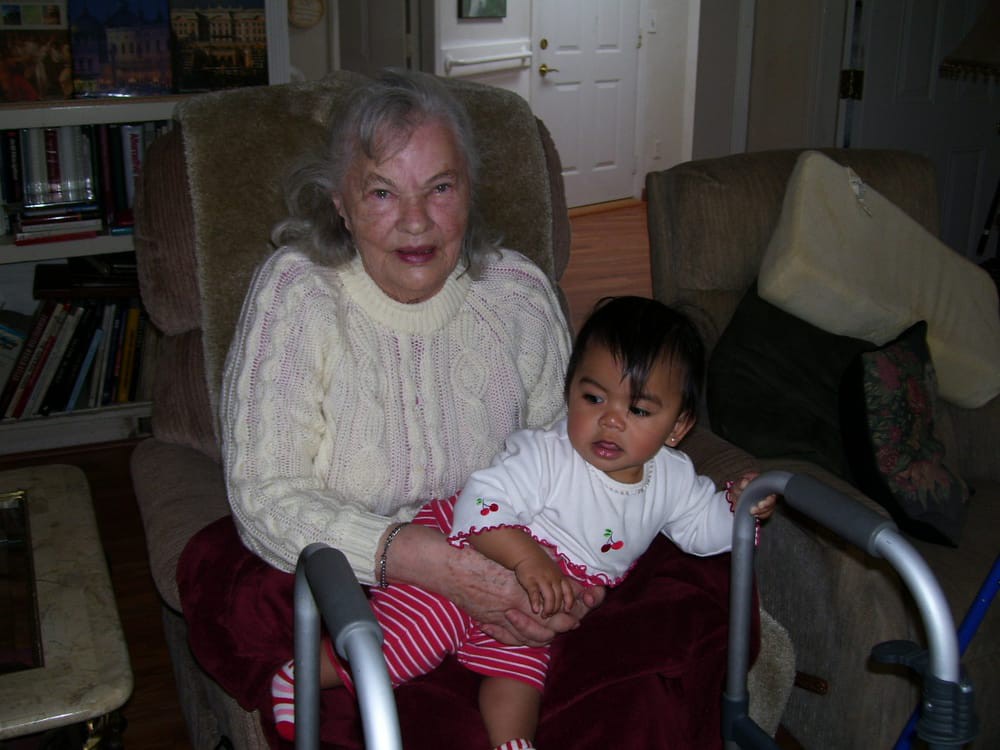
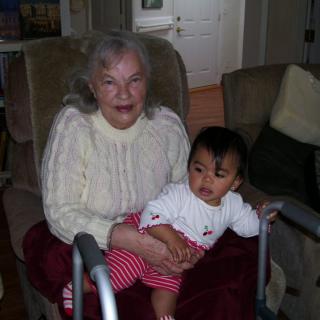
- The care-giving staff are the real treasure—kind and helpful, enriching residents' lives with activities like scenic drives and conversation.
- It accommodates a wide range of physical and mental abilities with corresponding support and independence, signaling individualized care.
- The compassion and quality of care observed remain memorable.
- The staff was very cordial.
- The place is very homey, comfortable, and spacious.
- The facility is reasonably priced compared with other places.
- The facility is wonderful with a personalized environment suited to the care of each individual.
Cons
 The community around this shelter seems disturbed by how it is run.
- They hear that so many codes are being violated.
- It seems too congested.
- It could just be rumours but they would investigate before committing to staying there or sending a relative there.
Review
Flanders Court of Carmel is best suited for seniors who prize a warm, home-like atmosphere where caregiving is personal and relationship-driven. It works well for residents who need assistance with daily living but still want to preserve a clear sense of self through familiar routines and personal belongings. The community’s design reinforces this approach: private bedrooms with baths, a garden and patio integrated into lived spaces, abundant natural light, and an eclectic, comfortable décor that supports orientation and identity. For families seeking a setting that feels intimate, steady, and grounded in everyday kindness, this is a compelling option.
Alternatives become worth weighing for families focused on a high-energy activity calendar, a perception of tight governance, or a broader, more formal care environment. Some residents’ observers voiced concerns about how the operation is run and described it as potentially congested, with rumors of codes being violated. Those who prioritize transparent administration, rigorous safety protocols, or a bustling, program-rich day could find other communities that deliver more visible external systems and greater daily stimulation. Likewise, households seeking a stronger emphasis on memory-oriented programming or more expansive social programming may want to look elsewhere.
The strongest offset to these considerations is the care-giving core. The staff are repeatedly described as compassionate, attentive, and genuinely engaged with residents as individuals. They draw out residents’ histories, tailor enrichment activities, and provide meaningful companionship through conversations and scenic outings. This personal touch translates into consistent, practical care across a broad spectrum of needs, from independent living through varying degrees of assistance. The sense that caregiving is the community’s treasure rather than a transactional routine is palpable, and it anchors families even when other concerns arise.
Equally compelling are the tangible positives that shape daily life. The physical environment, gracious, secure, and homey, supports comfort and belonging. The grounds and interior layout promote a nonclinical rhythm, while personalized furnishings help residents maintain a connected identity. The facility explicitly accommodates memory impairment with appropriate supports and reminders, and there is reliability around medication management. Activities exist and are thoughtfully designed to engage minds through games, crafts, puzzles, and social interaction, all delivered in a setting that remains affordable within the Carmel area. In practical terms, these strengths deliver a strong value proposition for families who want a small, attentive, and cost-conscious option without sacrificing dignity and personalization.
Care decisions in this setting should hinge on realistic expectations about programming and governance. Families should verify current staffing levels and stability, observe resident-staff interactions during meals and activities, and assess how the space supports independence while offering assistance that feels respectful rather than restrictive. Prospective residents should request a clear description of daily schedules, memory-support protocols, and medication processes, and should probe for transparency about regulatory compliance, safety audits, and any ongoing corrective actions. A candid visit, talking with residents, noting how privacy is preserved, and evaluating how personalization is maintained over time, will reveal whether the environment aligns with the level of oversight and activity rigor desired.
In the final assessment, Flanders Court of Carmel emerges as a practical choice for families prioritizing a heartfelt, individualized care culture in a compact, homey setting. It delivers undeniable warmth, disciplined attention from caregivers, and a living environment designed to minimize disorientation and maximize comfort. Those who need robust, non-stop programming, a governance record with flawless, public-facing clarity, or a highly active social calendar may want to explore other options. For residents who value meaningful daily engagement delivered with genuine compassion, and for families who want a setting that feels like a trusted, personalized home, Flanders Court offers clear, credible value.
 6 resident community capacity
 Assisted Living
 Board and Care Home
 Memory Care
 Respite Care
 Cable or satellite TV
 Dining room
 Fully furnished
 Garden
 Housekeeping services
 Move-in coordination
 Outdoor space
 Telephone
 Wi-Fi/high-speed internet available
 Monterey Peninsula (4 miles away)
 24-hour supervision
 Activities of daily living assistance
 Assistance with bathing
 Assistance with dressing
 Assistance with transfers
 Diabetes diet
 Hospice care
 Meal preparation and service
 Medication management
 Mental wellness program
 Special dietary restrictions
 Transportation arrangement (medical)
 Transportation to doctors appointments




 A Thorough Discussion of Medications Potentially Linked to Dementia Risk
 Why Do Dementia Patients Sleep So Much? Understanding Oversleeping, Stages, and Care Approaches
 8 Key Indicators That Suggest It May Be Time to Transition from Assisted Living to Skilled Nursing Care