
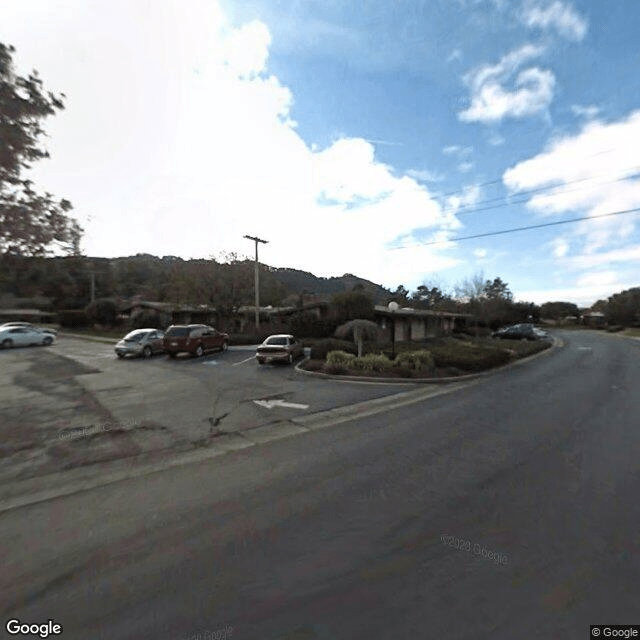
1000 Hacienda Carmel, Carmel, CA 93923
For more information about senior living options: (866) 208-4318
Overall Review of Casa Carmel
Pros
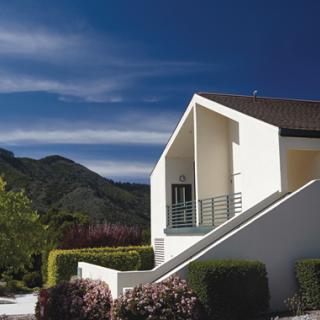
 It is a great 55+ community with organic gardens and well-kept property.
- It sits above the flood plain, encircled by a one-mile berm that keeps the highest waters out.
- It comprises 30 single-story units arranged in small, intimate clusters.
- It is bordered by the Carmel River to the north and The Preserve to the south, with nearby access to Palo Corona Park and Carmel Meadows/Quail Golf Course.
- It offers abundant community events and amenities, including room service.
- Visitors enjoyed a Patio Garden Tour in the area, which showcased many gardens.
Cons
 The facility is understaffed.
- The staff were overwhelmed due to being understaffed.
- The reviewer does not have a good opinion of Hacienda Carmel.
- The reviewer would not recommend the facility.
- The reviewer notes there is nothing specifically bad, but nothing good either.
Review
Casa Carmel is best suited for active, self-reliant seniors who want a quiet, intimate 55-plus setting with a strong sense of community. The property stacks up as a small, condo-style enclave, roughly 30 single-story units arranged in approachable clusters, designed for easy movement and social proximity. Its location matters: two miles up Carmel River, just beyond a short river bridge, the community sits behind a berm that keeps flood risk low and perimeter privacy high. The rhythm of life here revolves around gardens, walking paths, and regular community events, all framed by organic gardens and well-kept grounds. This is not a high-traffic campus; it is a serene, well-maintained pocket of Carmel Valley where neighbors know each other and daily routines blend with nature.
Those weighing alternatives should consider the care continuum. The strongest caveat is that Casa Carmel functions as independent living, an ideal home for someone who does not yet require daily medical or hands-on assistance. Families or residents anticipating a need for more robust on-site care, trained staff around the clock, or a broader menu of supportive services will likely want to compare options with higher care levels. A nearby facility visit underscored this reality: facilities in the same area that offer assisted living can struggle with staffing when demand rises, highlighting the importance of choosing a setting aligned with future care needs and having a clear plan if care requirements change.
The positives at Casa Carmel are concrete and compelling. The environment appears clean, well maintained, and aesthetically pleasing, with organic gardens that invite ongoing activity and engagement. The condo-style layout supports privacy and independence, while one prominent feature, room service, signals a level of personal convenience that many independent seniors value. The sheer intimacy of a 30-unit community translates into meaningful social opportunities: residents can participate in frequent events and enjoy amenities without the overwhelm that comes with larger campuses. The setting also offers a strong sense of safety and security, anchored by its physical siting and the surrounding natural buffers.
Yet there are practical limits that accompany small-scale living. The biggest consideration is the lack of on-site, extensive care. For any resident whose health or daily function may drift toward needing assistance, the Cobblestone of Casa Carmel’s independence model means transitions elsewhere are likely. The limited size naturally constrains the breadth of services, dining options, and staffing levels that a larger assisted living community provides. While the reviews praise the atmosphere and social vitality, the gap between independent living and a potential need for more care cannot be ignored and should be part of the planning conversations for families weighing Casa Carmel.
In balancing the pros against the cons, Casa Carmel stands out for families seeking a low-density, nature-forward lifestyle with hands-on neighborliness, straightforward maintenance, and predictable monthly costs tied to a self-contained living experience. The key strengths, the intimate size, garden-centric lifestyle, cleanliness, and responsive social calendar, often outweigh the absence of robust care offerings for those who plan to remain independent long term. For residents who anticipate or require daily assistance, however, this balance tilts toward alternatives that provide a broader continuum of care or a larger team of professionals on site.
The practical decision becomes clear: Casa Carmel is an excellent match for independent seniors who prize privacy, outdoor access, and a tight-knit social fabric wrapped in a serene Carmel Valley address. Families should consider alternatives if care needs are likely to rise or if a more expansive care continuum is a priority. When evaluating Casa Carmel, focus on what “room service” actually entails, confirm meal options, and verify housekeeping and transportation supports. Ask about how future transitions would be managed if care needs increase, what the staffing ratios look like, and how nearby facilities handle escalation in services. With clear expectations set, Casa Carmel can be an ideal home for the right fit, one where quiet sophistication, nature, and community converge in a manageable, comfortable lifestyle.
 6 resident community capacity
 Assisted Living
 Board and Care Home
 Cable or satellite TV
 Dining room
 Fully furnished
 Garden
 Housekeeping services
 Move-in coordination
 Outdoor space
 Telephone
 Wi-Fi/high-speed internet available
 Monterey Peninsula (4 miles away)
 24-hour supervision
 Activities of daily living assistance
 Assistance with bathing
 Assistance with dressing
 Assistance with transfers
 Diabetes diet
 Meal preparation and service
 Medication management
 Special dietary restrictions
 Transportation arrangement (medical)
 Transportation to doctors appointments



 Exploring the Path to Senior Living: A Comprehensive Look at Independent Living and Assisted Living
 Is Assisted Living Deductible on Your Taxes? Understanding the Complexities of Assisted Living Expenses and Deductions
 Assisted Living Support for Veterans: A Complete and Detailed Overview