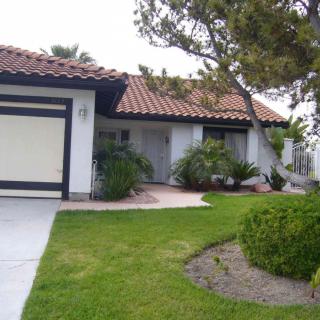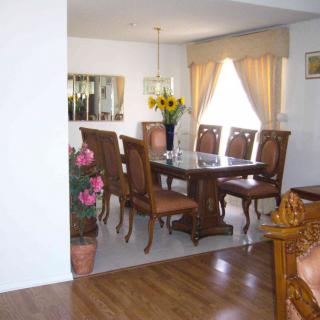
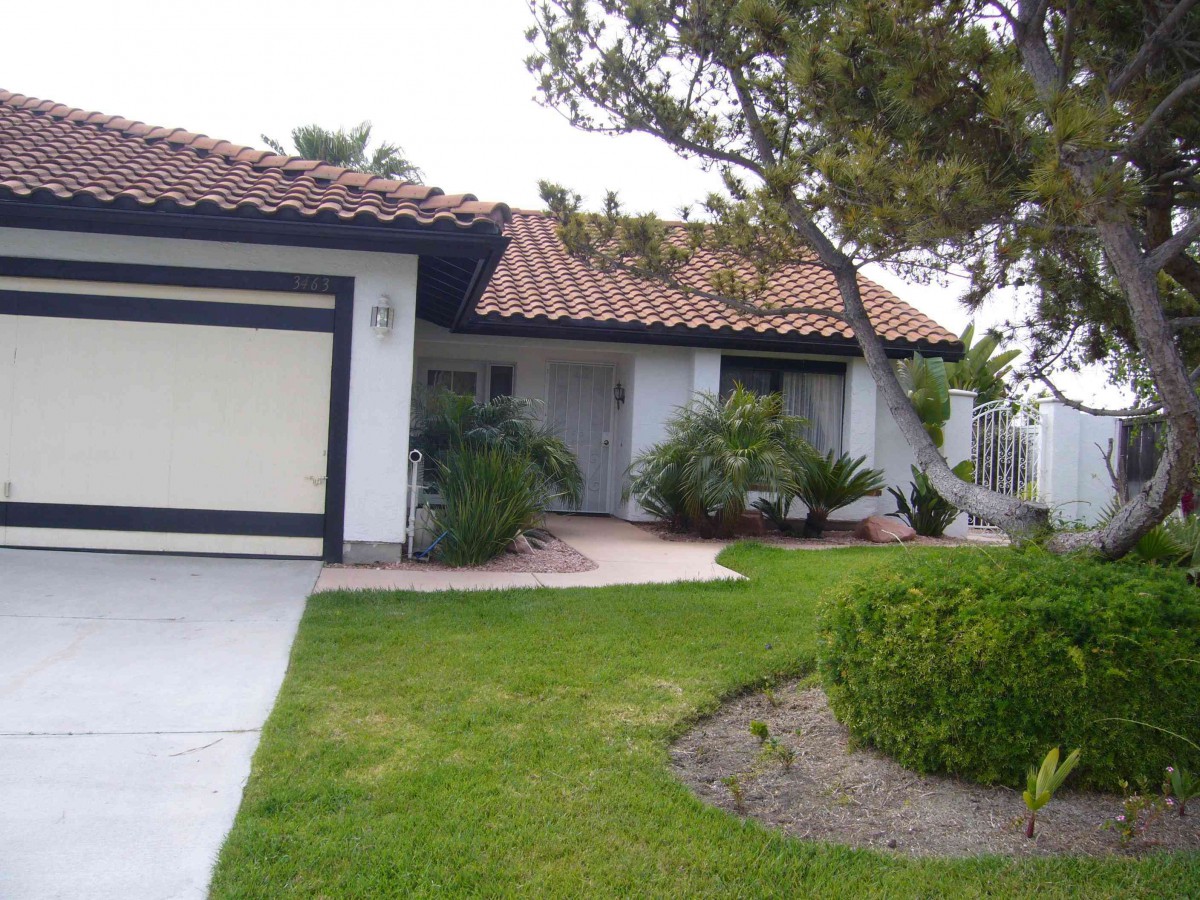
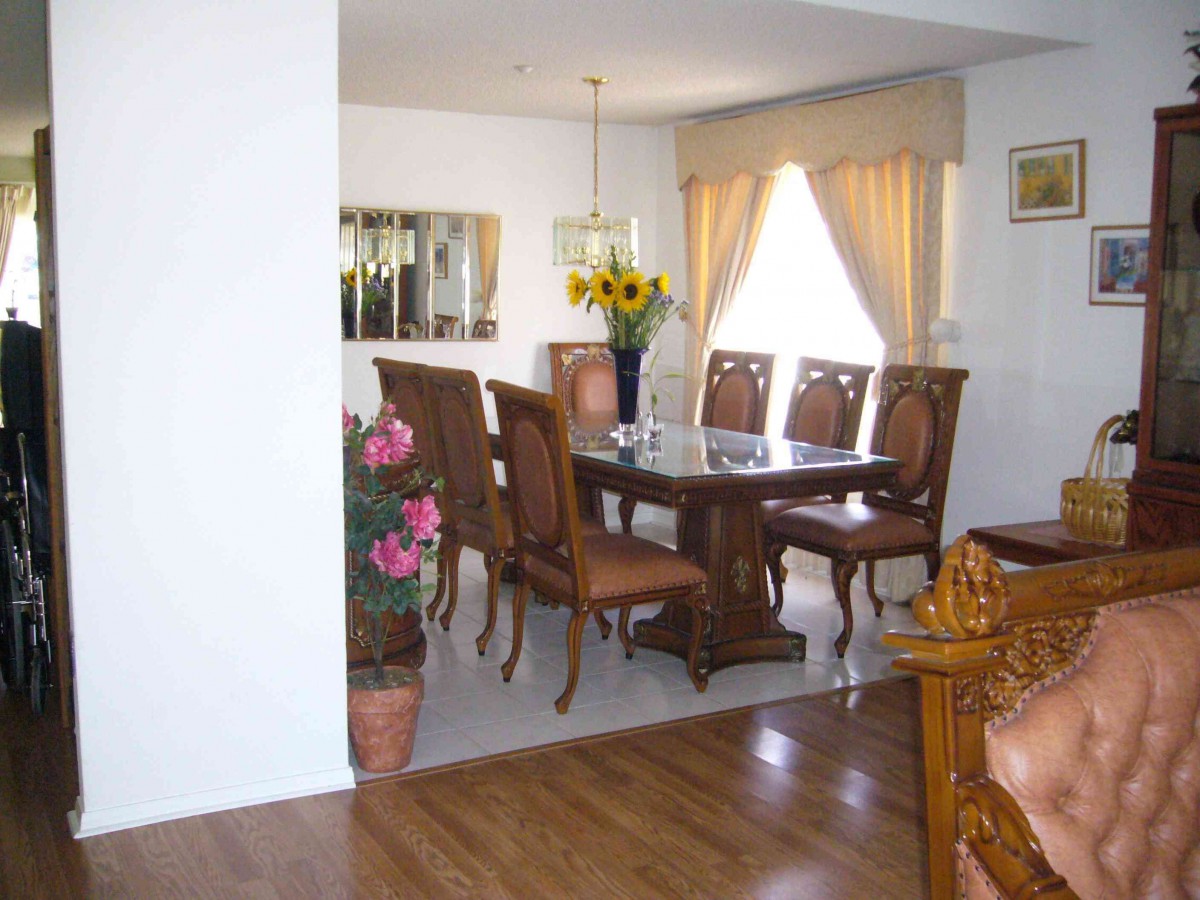

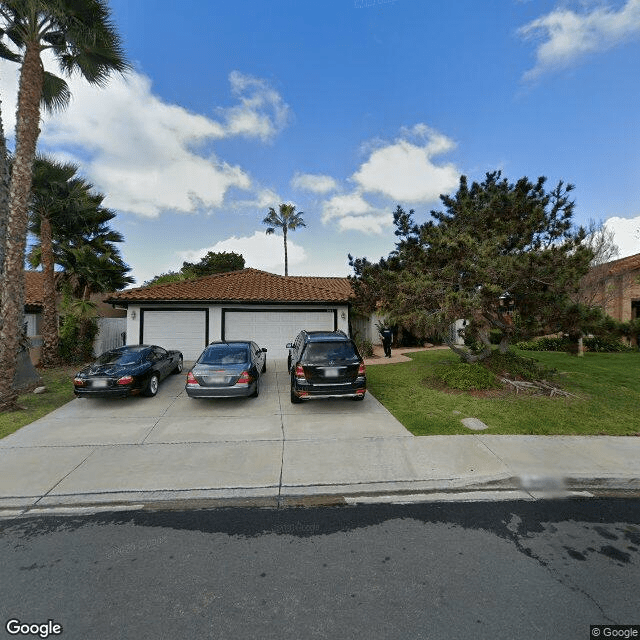
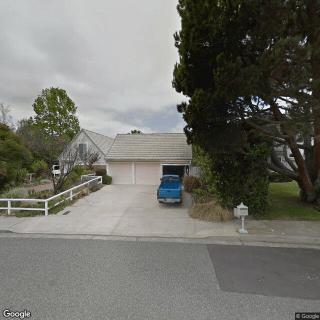
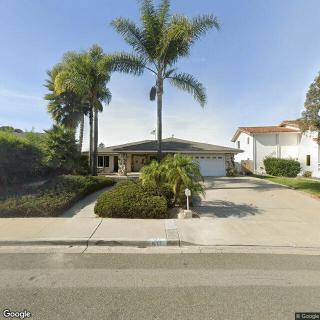
3463 Circulo Adorno, Carlsbad, CA 92009
For more information about senior living options: (866) 208-4318
Tenenbaum Villa Costs & Pricing
Tenenbaum Villa offers competitive pricing in the senior living market, particularly when considering its location within San Diego County and the broader context of California. For a semi-private room, Tenenbaum Villa's monthly cost stands at $3,900, which is notably higher than the county average of $3,518 and the state average of $3,333. When it comes to private accommodations and one-bedroom options, both are priced at $5,500 - significantly above the county's prevailing rate of $3,939 for private rooms and slightly more than the state average of $4,340 for one-bedroom units. While Tenenbaum Villa's rates may exceed those typically found in the region, they reflect a commitment to quality care and amenities that can enhance the overall experience for residents.
| Floor plans | Tenenbaum Villa | San Diego County | California |
|---|---|---|---|
| Semi-Private | $3,900 | $3,518 | $3,333 |
| 1 Bedroom | $5,500 | $4,315 | $4,340 |
| Private | $5,500 | $3,939 | $3,939 |
Memory care communities with a similar price nearby
-
from +$650 / mo
Champine Manor
$4,550 / month8.8 miles away -
from -$700 / mo
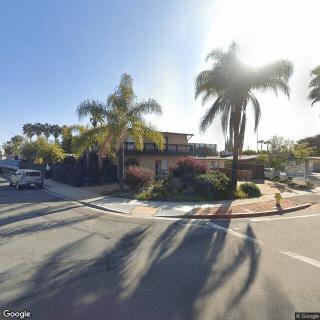
Wellspring Assisted Living
$3,200 to $4,000 / month23.1 miles away -
from -$400 / mo

Ramona Senior Lodge Assisted Living
$3,500 to $5,500 / month18.6 miles away -
from -$650 / mo
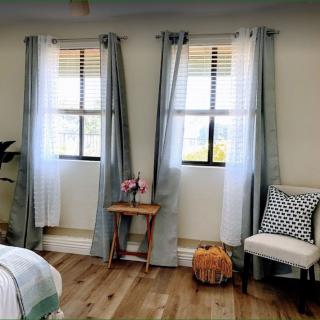
Mountain View Manor
$3,250 / month12.6 miles away -
from -$700 / mo
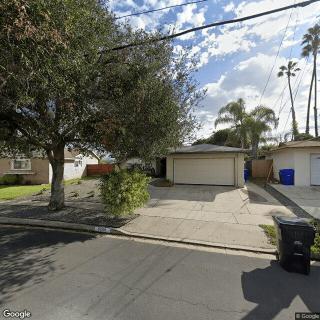
Baron's Residential Care Inc. - Lodi Gardens
$3,200 to $4,000 / month16.2 miles away
Overall Review of Tenenbaum Villa
Pros
 The owner was very nice and helpful.
- The live-in caregivers were very kind and helpful.
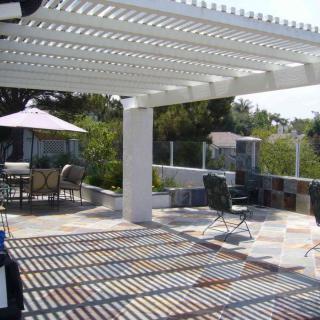
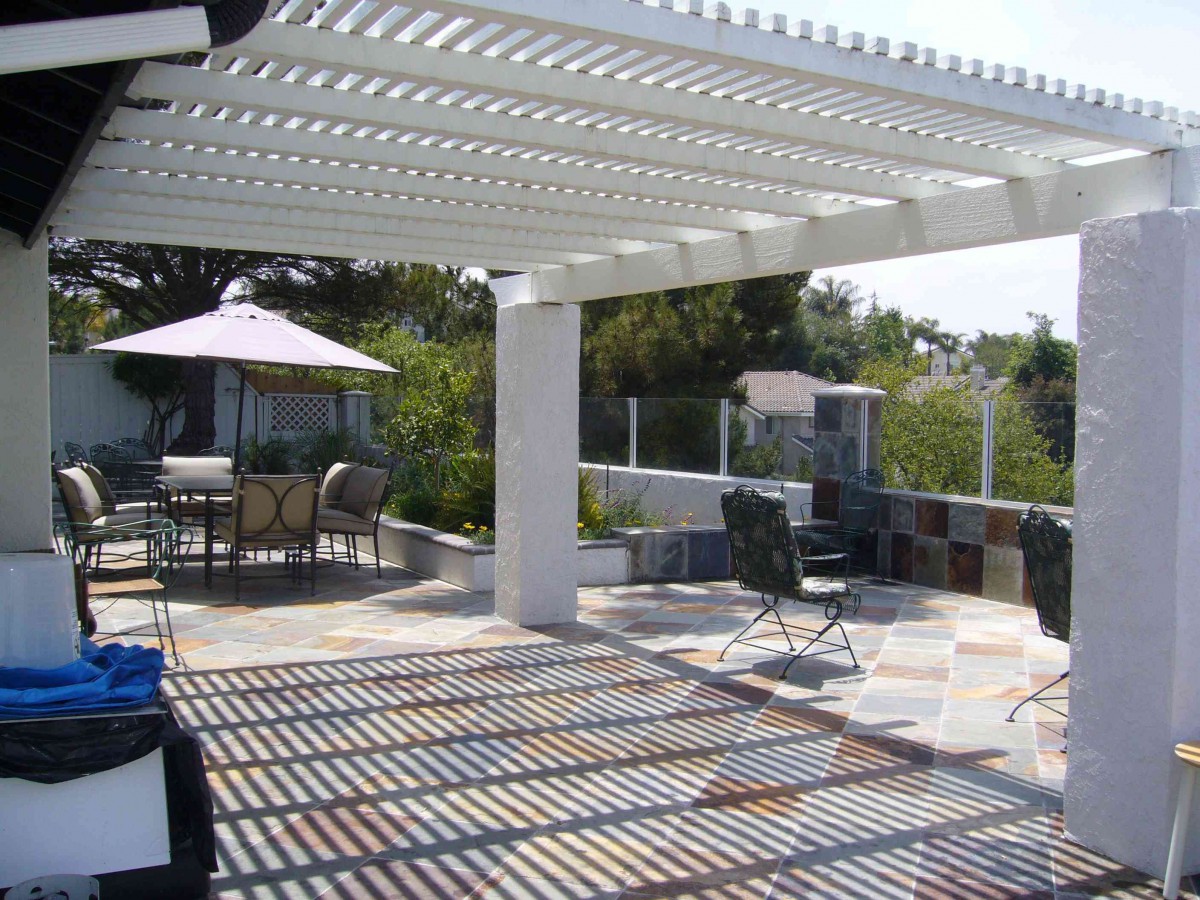
- The house is lovely with a beautiful backyard.
- The Tenenbaums are always available.
- The caregivers are attentive and compassionate.
- The facility is comfortable and well-maintained.
- Visitors recall their time at Tenenbaum Villa with fondness.
Cons
 The staff was very unprofessional and unskilled in handling memory care guidelines and regulations.
- They have parties at the house.
- They take the closet of a person with dementia and occupy it with the owners’ clothes.
- There is only one person on site to care for the residents, and she is often not there.
- They had tried three different institutions; all bad.
Review
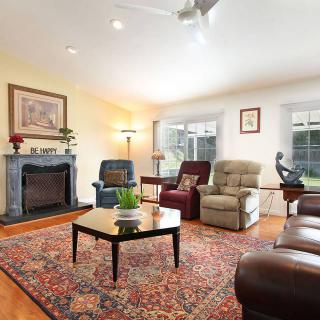
Tenenbaum Villa in Carlsbad is best suited for families seeking a small, home-like living arrangement where memory-care or assisted-living needs can be met with intimate, hands-on attention. The setting functions more like a private residence than a corporate campus, and the owners’ direct involvement creates a level of accessibility and responsiveness that many families value. This approach works well for seniors who thrive on a warm, family-feel environment, where caregivers know personal histories, preferences, and routines. For households prioritizing companionship, emotional comfort, and a non-traditional, cozy atmosphere, this community stands out as a viable option.
Pros are anchored in the intimate, welcoming tone that permeates the operation. The live-in caregivers are frequently described as kind, helpful, and compassionate, and the owners are consistently available, with reports of proactive engagement during stressful moments. The house itself is presented as pleasant and well-maintained, with a back yard that invites relaxed afternoons. In short, for families who value personal relationships, steady familiarity, and a sense of “being at home,” the daily caregiving experience is frequently reinforced by genuine warmth and attentiveness.
Yet clear drawbacks surface in several accounts that cannot be dismissed. The most troubling reflections center on staffing and memory-care practices: reports of unprofessional and unskilled handling of memory-care guidelines, and anecdotes about a single on-site caregiver who is often not present. Such gaps raise legitimate concerns about supervision, safety, and the consistency of care for residents with cognitive impairment. Add to this the specific privacy-red-flag moment described, using a resident’s closet for owners’ clothes, hinting at a lack of robust oversight and respect for resident boundaries. Taken together, these concerns undermine reliability and safety for residents who require structured memory-care protocols.
The balance between pros and cons centers on the resident profile and family priorities. The positive, home-like atmosphere and the visible care from owners and caregivers can offset anxiety for families seeking emotional comfort and a low-key, personal care routine, at least when memory demands are moderate and supervision remains steady. However, for residents with more advanced memory-care needs or families requiring predictable, professionally regulated care, the cons, especially inconsistent on-site staffing and gaps in memory-care training, can significantly dilute peace of mind. Prospective residents should press for clarity on staffing schedules, training, and oversight mechanisms to determine whether the environment can reliably meet specific acuity levels.
Families who should actively consider alternatives are those with significant, ongoing memory-care requirements or those who cannot tolerate potential lapses in supervision. Larger, purpose-built memory-care communities with dedicated clinical protocols, higher staff-to-resident ratios, and multiple caregivers on-site at all times may offer the level of oversight these needs demand. For families preferring a similar intimate, home-like vibe, exploring smaller facilities with verified memory-care training, or supplementing care with home-health services and day-program options, could be a better fit. The aim is to align the setting with the resident’s cognitive needs and the family’s tolerance for variability in day-to-day supervision.
In the end, Tenenbaum Villa delivers a warm, personable caregiving core that resonates with many families and residents who value a homey, neighborly atmosphere. The owners’ proactive stance and caregivers’ kindness provide comfort and continuity that can ease transitions and support meaningful daily routines. However, this strength is best leveraged when memory-care needs are not at the highest end of the spectrum and when staffing remains consistently available and well-trained. For families with advanced memory-care requirements or a need for formal, clinical oversight, the practical safeguards and staffing certainty may fall short. A thorough, in-person assessment, focusing on staffing patterns, caregiver qualifications, care plans, and safety features, will determine whether this environment can be trusted to sustain long-term wellbeing. Consider requesting a trial period or a detailed written plan to confirm that promises align with daily realities before committing.
 8 resident community capacity
 Studio apartments
 Assisted Living
 Board and Care Home
 Memory Care
 Activities off-site
 Air-conditioning
 Beautician on-site
 Cable or satellite TV
 Devotional services off-site
 Dining room
 Full kitchen
 Fully furnished
 Garden
 Ground floor units
 Handicap accessible
 Housekeeping services
 Indoor common areas
 Move-in coordination
 Outdoor common areas
 Private
 Respite or short term stays offered
 Telephone
 Wheelchair accessible showers
 Wi-Fi/high-speed internet available
 MC Clellan-Palomar Airport (5 miles away)
 24-hour supervision
 Ambulatory care
 Assistance with bathing
 Assistance with dressing
 Assistance with transfers
 Diabetes diet
 Diabetic care
 High acuity care
 Incontinence care
 Meal preparation and service
 Medication management
 Special dietary restrictions
 Transportation arrangement (medical)
 Transportation to doctors appointments
 Cards / pinochle club
 Cooking classes
 Current events club
 Day trips and outings
 Stretching classes
 Visiting Rabbi
 Visiting chaplain or priest


 Five Subtle Dementia Indicators to Observe: An In-Depth Guide to Understanding “Does My Mom Have Dementia?”
 Dementia, Paranoia, and Caregiver Guidance: Understanding the Connection
 Engaging Memory Care Activities That Enhance Quality of Life