
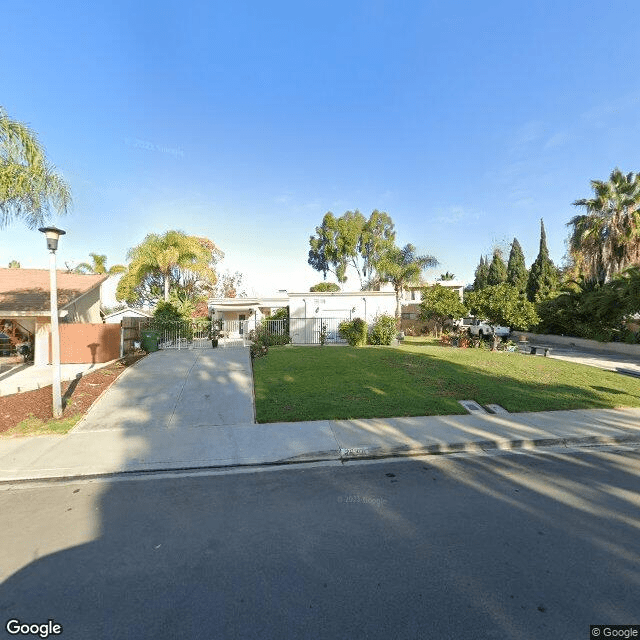
2830 Cazadero Drive, Carlsbad, CA 92009
For more information about senior living options: (866) 208-4318
La Costa Golden Care Costs & Pricing
La Costa Golden Care offers competitive pricing for its private room accommodations at $2,800 per month, significantly lower than the average costs in San Diego County and California, both of which stand at $3,939. This substantial difference not only reflects La Costa's commitment to providing quality care at an accessible price but also positions it as an attractive option for families seeking affordable assisted living solutions without compromising on the level of service and support. The cost savings can provide peace of mind to residents and their families, allowing them to focus more on care and comfort rather than financial strain.
| Floor plans | La Costa Golden Care | San Diego County | California |
|---|---|---|---|
| Private | $2,800 | $3,939 | $3,939 |
Assisted Living communities with a similar price nearby
-
from -$300 / mo

Golden Retreat - Senior Residential Care
$2,500 to $3,000 / month7.7 miles away -
from +$450 / mo

Mountain View Manor
$3,250 / month10.3 miles away -
from +$200 / mo
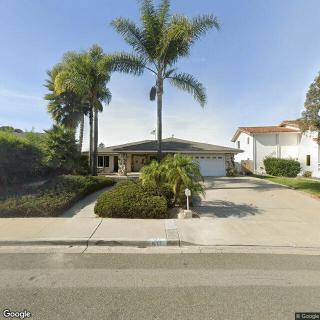
North La Costa Assisted Living
$3,000 / month1.6 miles away -
from +$200 / mo
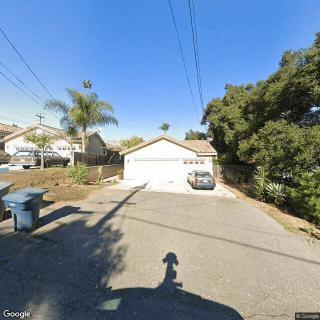
White Orchid Guest Home
$3,000 to $3,500 / month8.7 miles away -
from +$100 / mo

Cypress Court
$2,900 to $4,400 / month9.1 miles away
Overall Review of La Costa Golden Care
Pros
 The facility is a very nice place for hospice care.
- The staff know her by name and provide attentive care.
- The patient is kept clean.
- The staff are always ready to help move her outside, to bed, or to the car.
- The patient feels safe there.
Cons
 The hospice care is very expensive.
Review
La Costa Golden Care in Carlsbad is best suited for families prioritizing hospice-focused care delivered in a clean, safe, and personally attended environment. This community excels when the care plan centers on dignity, comfort, and hands-on assistance, with staff who know residents by name and respond quickly to day-to-day needs. The setting projects calm and order, which matters greatly to families seeking consistency in routines, predictability in care, and a sense that a loved one is not left unattended or overlooked. For families who place a premium on a high-touch approach, strong cleanliness standards, and a staff that takes initiative in daily caregiving tasks, this facility is a compelling match.
There are clear reasons to consider alternatives. The most tangible is cost: the reviews describe the care as very expensive, a factor that can be prohibitive for many families regardless of the emotional comfort and safety it provides. Distance also matters; one family notes a two-hour drive to visit, which can complicate regular, meaningful engagement for those who need frequent input from family members and consistent oversight of the care plan. For households balancing budget constraints, travel logistics, or a preference for shorter-term arrangements, looking at other options with similar quality but lower price points or more accessible visitation might be prudent.
The strongest pros are concrete and meaningful in a hospice context. The facility is described as a very nice place for hospice care, with staff that consistently knows who family members are and can greet them warmly on arrival. Most importantly, the resident’s immediate needs are met with reliability: cleanliness is evident, and caregivers are ready to support essential transitions, taking a resident outside for fresh air, helping with bedtime routines, or even assisting with transport to the car. The sense of safety is repeatedly highlighted by families, which signals a well-managed environment where fall prevention, privacy, and sensory comfort are prioritized. The combination of personal attention and practical assistance creates daily security that is hard to replicate in lower-cost settings.
These benefits offset the main drawback to a significant extent, but not entirely. For families who can allocate the premium price, the payoff is a level of attentiveness and a hands-on care experience that translates into fewer moments of anxiety for both resident and loved ones. The ability to reposition a resident, respond to needs promptly, and provide guided outdoor time or easy transitions to and from the car all contribute to a higher quality of life during a difficult stage. Yet the financial hurdle remains a real constraint, and the value proposition at this price point hinges on the importance placed on individualized hospice support, consistent staff availability, and a serene environment over other considerations such as budget flexibility or proximity.
The distance factor and the cost underscore the practical decision framework. If a family cannot sustain ongoing visits or if travel time diminishes the quality of engagement and oversight, alternatives closer to home or with more flexible pricing will reduce caregiver burden and preserve continuity of care. Likewise, when a long-term premium investment is not feasible, seeking facilities that offer comparable safety, cleanliness, and personalized attention at a more approachable price becomes a rational, targeted pursuit. In all cases, the decision should center on whether the core needs, dignified hospice care, reliable daily support, and an environment that reduces stress for both resident and family, are met within a budget and travel plan that the family can sustain.
For families moving forward, a clear action path is essential. Conduct a focused tour and insist on speaking with the care director about the exact cost structure, what is included, and whether any hospice-specific services are bundled or charged separately. Ask about caregiver-to-resident ratios, how repositioning and mobility assistance are scheduled, and how staff coordinate with external hospice teams. Inquire about visitation policies, private room arrangements, and any personalized routines that can be integrated into the care plan. If La Costa Golden Care aligns with these operational realities and the budget permits, it stands out as a strong, dependable option; if not, use these criteria to vet similar facilities that balance compassionate care with financial practicality.
 6 resident community capacity
 Assisted Living
 Board and Care Home
 Activities on-site
 Beautician on-site
 Cable or satellite TV
 Dining room
 Fully furnished
 Garden
 Housekeeping services
 Indoor common areas
 Move-in coordination
 Outdoor common areas
 Private
 Private bathrooms
 Telephone
 Wheelchair accessible showers
 Wi-Fi/high-speed internet available
 MC Clellan-Palomar Airport (3 miles away)
 24-hour supervision
 Ambulatory care
 Assistance with bathing
 Assistance with dressing
 Assistance with transfers
 Diabetes diet
 Diabetic care
 High acuity care
 Incontinence care
 Meal preparation and service
 Medication management
 Special dietary restrictions
 Transportation arrangement (medical)
 Transportation to doctors appointments




 Vibrant Senior Living: A Comprehensive Guide for Active Older Adults
 When to Transition from Assisted Living to Memory Care: Key Indicators, Steps, and Finding the Right Community
 Assisted Living and Memory Care: Understanding Their Core Differences