


4892 Hillside Drive, Carlsbad, CA 92008
For more information about senior living options: (866) 208-4318
Hillside Garden Costs & Pricing
Hillside Garden offers competitive pricing for its living arrangements compared to both San Diego County and the broader California market. For a private room, residents can expect to pay $4,500 per month, which is notably higher than the county's average of $3,939. Similarly, the 1-bedroom option at Hillside Garden is priced at $5,000 per month, exceeding the county average of $4,315 and aligning closely with the state's overall figure of $4,340. While Hillside Garden's rates are above local norms, they may reflect additional amenities or services that enhance the quality of life for residents.
| Floor plans | Hillside Garden | San Diego County | California |
|---|---|---|---|
| Private | $4,500 | $3,939 | $3,939 |
| 1 Bedroom | $5,000 | $4,315 | $4,340 |
Memory care communities with a similar price nearby
-
About the same
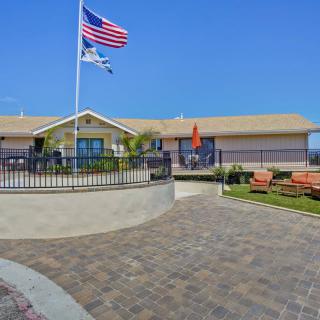
Champine Manor
$4,550 / month11.9 miles away -
About the same

La Costa Elder Care
$4,500 to $5,000 / month4.8 miles away -
from -$700 / mo
The Rose of Poway
$3,800 to $4,200 / month20.3 miles away -
from -$205 / mo
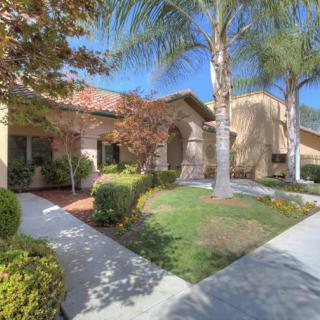
Summerfield of Encinitas Memory Care
$4,295 to $4,895 / month8.8 miles away -
About the same
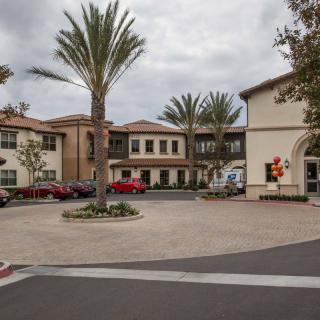
Villa Lorena
$4,470 to $9,880 / month13.9 miles away
Overall Review of Hillside Garden
Pros
 Fresh, wholesome meals are prepared daily with a homemade soup.
- The facility is very clean and homey.
- The staff is conscientious and warm.
- It is located in an excellent, quiet neighborhood.
- The staff’s knowledge of how to care for residents is beyond expectations at every stage of healing.
- Care staff has been there many years and are friendly and attentive.
- Meals are prepared with fresh ingredients every day.
- The home is warmly decorated and clean.
Cons
 There was a clear lack of care; she was left in dirty diapers.
- They did not give her enough water.
- When they called 911, it was too late.
- In 15 days there were two bed sores and a urinary infection that killed her.
- Most of the residents aren’t able to do activities.
Review
Hillside Garden in Carlsbad, CA is best suited for seniors who want a quiet, home-like setting with reliable daily meals, steady nursing oversight, and coordinated medical support. The community works well for families seeking individualized attention and staff who know residents well, particularly those navigating post-hospital recovery or ongoing skilled care. The emphasis on fresh ingredients, a clean, warm atmosphere, and long-tenured caregivers makes it a practical pick for residents who prefer less institutional feel while requiring dependable medical engagement.
Those considering alternatives should note that Hillside Garden may not be the right fit for everyone. Families prioritizing robust social programming or highly proactive, around-the-clock wound care may want to look elsewhere. A standout negative review raises concerns about possible lapses in care, specifically around bedsores, infections, and timely hydration, that could be unacceptable for residents with high caregiving needs. In such cases, communities with more transparent incident reporting and stronger, visible daily oversight could offer greater peace of mind.
The notable pros largely offset the main drawbacks when care needs align with the facility’s strengths. The meals are consistently a highlight, fresh ingredients daily with a homemade soup every day, paired with a clean, homey environment and a kitchen that fills the air with inviting aromas. Staff are described as conscientious and warm, with care personnel who have been in place for many years, translating into dependable, personalized attention. The facility’s licensing for skilled nursing and its hospice partnerships deliver a practical medical safety net, especially valuable for families managing ongoing health issues or end-of-life care, and the ability to coordinate doctor visits enhances continuity of care.
Additional upside centers on how staff interact with residents and coordinate care. Long-tenured caregivers tend to know residents’ routines, preferences, and warning signs, which translates into quicker problem resolution and more consistent advocacy for medical needs. Families repeatedly note proactive communication, including effective liaison with hospice services, and a willingness to modify care plans in response to changes. The home-like atmosphere and staff readiness to adjust daily routines help sustain dignity and comfort for residents who may have fluctuating or evolving needs.
Nonetheless, the risk highlighted by one review cannot be dismissed. A serious lapse in care, if borne out in current operations, could undermine trust in the entire care continuum, especially for residents with mobility challenges or high risk of infection. Prospective families should probe current staffing levels, the frequency of nurse oversight, explicit wound-care protocols, hydration practices, and how quickly concerns are escalated to physicians. Tours, direct conversations with the administrator, and observation of staff-resident interactions during visits will reveal whether Hillside Garden maintains the level of vigilance required to prevent failures.
In the end, Hillside Garden stands as a solid choice for families prioritizing stability, individualized attention, nutritious meals, and integrated nursing and hospice support in a quiet, home-like environment. It is less compelling for those who demand vigorous social programming or an unassailable daily record of clinical oversight. Prospective movers should actively compare options, seek current data on staffing and care processes, and demand concrete examples of how care plans adapt to changing medical needs. A well-timed, in-person assessment will confirm whether the care culture aligns with the resident’s goals and the family’s expectations for ongoing safety, dignity, and meaningful daily life.
 6 resident community capacity
 Assisted Living
 Board and Care Home
 Memory Care
 Dogs allowed
 Activities off-site
 Air-conditioning
 Bath tubs
 Beautician on-site
 Cable or satellite TV
 Devotional services off-site
 Dining room
 Fireplaces
 Full kitchen
 Fully furnished
 Garden
 Ground floor units
 Handicap accessible
 Housekeeping services
 Indoor common areas
 Move-in coordination
 Outdoor common areas
 Private
 Private bathrooms
 Respite or short term stays offered
 Telephone
 Wheelchair accessible showers
 Wi-Fi/high-speed internet available
 MC Clellan-Palomar Airport (3 miles away)
 24-hour supervision
 Assistance with bathing
 Assistance with dressing
 Assistance with transfers
 Diabetes diet
 Diabetic care
 High acuity care
 Incontinence care
 Meal preparation and service
 Medication management
 Special dietary restrictions
 Transportation arrangement (medical)
 Transportation to doctors appointments
 Art classes
 Birthday parties
 Karaoke
 Live musical performances




 Delirium and Dementia: Unraveling the Key Differences
 Are Dementia and Alzheimer's Disease Lethal? A Comprehensive Exploration
 Exploring the Power of Reminiscence Therapy for Individuals With Dementia


