
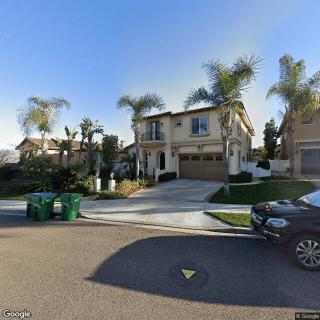
942 Daisy Avenue, Carlsbad, CA 92009
For more information about senior living options: (866) 208-4318
Fleming Elderly Care Home Costs & Pricing
Fleming Elderly Care Home offers a range of private room options with monthly costs varying between $3,175 and $8,630. This pricing structure reflects a competitive stance when compared to the average cost of private rooms in San Diego County, which stands at approximately $3,939, aligning with the overall state average for California. The variability in costs at Fleming may be attributed to differing levels of care and amenities provided, ensuring that residents can find accommodations that suit their individual needs and preferences while remaining within a reasonable budget compared to regional standards.
| Floor plans | Fleming Elderly Care Home | San Diego County | California |
|---|---|---|---|
| Private | $3,175 to $8,630 | $3,939 | $3,939 |
Assisted Living communities with a similar price nearby
-
from +$325 / mo
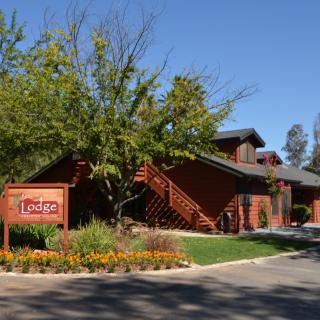
Ramona Senior Lodge Assisted Living
$3,500 to $5,500 / month22.8 miles away -
About the same

Mountain View Manor
$3,250 / month11.3 miles away -
from -$175 / mo
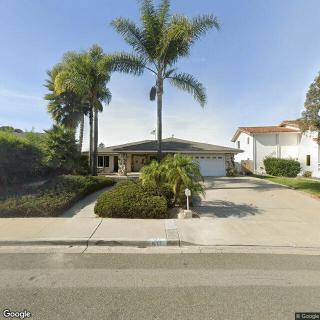
North La Costa Assisted Living
$3,000 / month3.3 miles away -
from -$175 / mo
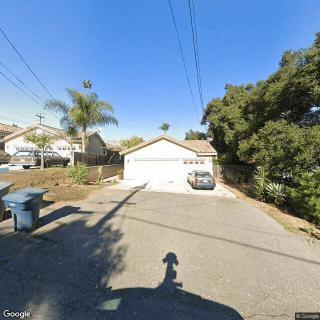
White Orchid Guest Home
$3,000 to $3,500 / month12.0 miles away -
from -$275 / mo

Cypress Court
$2,900 to $4,400 / month12.4 miles away
Overall Review of Fleming Elderly Care Home
Pros
 The location, facility, and staff are described as great.
- The care seemed good.
Cons
 They did not receive a refund of the full month's rent after only four days of occupancy.
- They felt the decision not to refund was unfair given the father's passing on hospice during the short stay.
- They criticized the contract's refund policy as rigid and unhelpful.
Review
Fleming Elderly Care Home in Carlsbad is best suited for seniors who want a convenient coastal location, a comfortable, home-like atmosphere, and dependable daily care delivered by a personable staff. The facility appears to support regular ADL assistance with a steady routine and attentive oversight, making it a solid option for residents who do not require advanced medical management or memory-care specialization. Families seeking a calm, neighborly environment with predictable care rhythms will find Fleming aligns with those priorities, especially when proximity to amenities and ease of visits are valued over high-intensity clinical services.
Those who should consider alternatives include families anticipating complex medical needs, aggressive nursing oversight, or specialized dementia care. Also matters become more salient for anyone planning a short-term stay or hospice transition, given the contract’s stance on refunds. The nonrefundable full-month rent clause, even in scenarios where occupancy is brief or a loved one passes during hospice, represents a significant financial risk that should be weighed carefully. Prospective residents must scrutinize the agreement to understand which portions are refundable and under what circumstances exceptions might be possible.
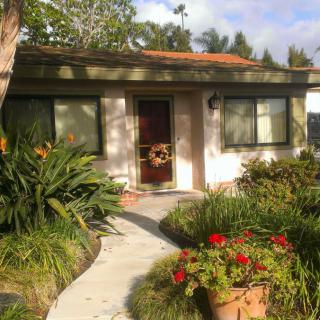
The standout positives are tangible and meaningful in daily life: location, a well-maintained facility, and staff who convey care and accessibility. A convenient setting supports frequent family involvement, outings, and social engagement, while a clean, comfortable environment reduces stress for residents and families alike. A capable, approachable team tends to translate into reliable assistance and respectful care, which can offset concerns about the less-flexible financial terms, so long as expectations remain aligned with the level of care provided and the degree of medical oversight required.
To navigate the decision, demand a transparent understanding of financial terms and care expectations. Request the current contract with a precise line-item breakdown of what constitutes a full month’s rent, what portions are refundable, and how refunds are handled if discharge occurs due to hospice needs or other unforeseen changes. Clarify staffing coverage after hours, the scope of on-site medical services, and whether external nursing support or hospice partnerships can be integrated. Consider asking for a trial stay or a clearly defined temporary arrangement to evaluate fit before committing to a longer term, ensuring the environment truly matches care needs and financial comfort zones.
In practical terms, Fleming earns consideration for families prioritizing location and steady, personable care. The principal caveat remains the nonrefundable rent clause, which can loom large if plans shift or a hospice trajectory emerges. This financial rigidity should prompt serious negotiation or a parallel search for facilities offering more flexible terms or clearer refunds. Compare the care philosophy, staffing availability, and medical oversight with alternatives to determine whether reduced flexibility is an acceptable trade-off for the benefits of a stable, welcoming setting. The right choice hinges on aligning care expectations with the contract’s financial realities.
Ultimately, Fleming Elderly Care Home presents a practical, dependable option for Carlsbad families who want reliable daily care in a convenient location and who can accept the stated terms. For those who prize financial flexibility or anticipate potential changes in medical needs, exploring other communities with more forgiving refund policies or broader clinical capabilities is prudent. For residents whose needs fit within a straightforward assisted-living model and whose families value close access to the community and consistent staff engagement, Fleming can deliver solid peace of mind and a comfortable living environment. The decision should rest on balancing location and lifestyle fit with a clear-eyed view of the contract and its long-term financial implications.
 6 resident community capacity
 Assisted Living
 Board and Care Home
 Cable or satellite TV
 Dining room
 Fully furnished
 Garden
 Housekeeping services
 Move-in coordination
 Outdoor space
 Telephone
 Wi-Fi/high-speed internet available
 MC Clellan-Palomar Airport (2 miles away)
 24-hour supervision
 Activities of daily living assistance
 Assistance with bathing
 Assistance with dressing
 Assistance with transfers
 Diabetes diet
 Meal preparation and service
 Medication management
 Special dietary restrictions
 Transportation arrangement (medical)
 Transportation to doctors appointments




 Senior Transition Services: Understanding Their Role, Cost, and Importance
 Exploring the Path to Senior Living: A Comprehensive Look at Independent Living and Assisted Living
 Is Assisted Living Deductible on Your Taxes? Understanding the Complexities of Assisted Living Expenses and Deductions