
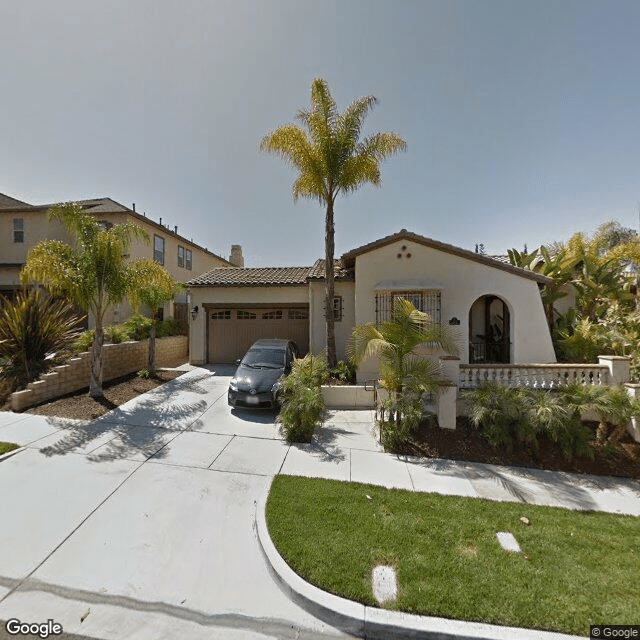
2579 Arundel Avenue, Carlsbad, CA 92009
For more information about senior living options: (866) 208-4318
Family Comfort Care Costs & Pricing
Family Comfort Care offers a private room at a monthly cost of $4,300, which reflects a premium service tailored to enhance the comfort and well-being of its residents. In comparison, the average costs for private rooms in San Diego County and throughout California stand at $3,939. This positioning suggests that Family Comfort Care may provide additional services or amenities that justify the higher price point, ensuring families receive exceptional care and support in a welcoming environment. While it is essential to consider budgetary constraints, many families may find value in the enhanced offerings provided by Family Comfort Care as they seek the best possible living arrangements for their loved ones.
| Floor plans | Family Comfort Care | San Diego County | California |
|---|---|---|---|
| Private | $4,300 | $3,939 | $3,939 |
Assisted Living communities with a similar price nearby
-
from +$250 / mo
Champine Manor
$4,550 / month8.9 miles away -
from -$800 / mo

Ramona Senior Lodge Assisted Living
$3,500 to $5,500 / month21.1 miles away -
from +$200 / mo
Hidden Meadows Residential Home Care
$4,500 to $4,800 / month11.2 miles away -
from +$200 / mo

La Costa Elder Care
$4,500 to $5,000 / month1.3 miles away -
from -$300 / mo
Blue Skies of Oceanside
$4,000 to $5,000 / month9.6 miles away
Overall Review of Family Comfort Care
Pros
 Golden Care in Carlsbad helps families with elderly relatives in need of care.
- The owners are passionate and love what they do.
- They are really good at what they do.
- People are encouraged to reach out to them for help.
- Their caregiver services come highly recommended.
Review
This community is best suited for families seeking in-home caregiver support in Carlsbad, where care is delivered through a highly personal, hands-on approach led by trusted local owners. The lone, strongly positive review paints a picture of a small-scale, family-focused operation that emphasizes passion and competence. It is ideal for seniors who want to remain in their own home or a familiar living environment, while receiving tailored assistance with daily activities, companionship, and practical tasks from caregivers who are actively engaged with the family. The emphasis on relationship-driven care makes this option feel more like a trusted family extension than a distant agency.
Those who should consider alternatives are families pursuing a traditional assisted living setting with structured routines, on-site 24/7 supervision, or medical oversight within a community facility. For seniors needing consistent, round-the-clock nursing care, specialized memory care, or highly regulated care environments, a larger, licensed facility may offer clearer coverage and accountability. Interested families should also compare costs and service inclusions across options, as home-based care often differs in pricing, schedule flexibility, and the scope of medical support available on a daily basis.
The strongest positives center on the perceived dedication and skill of the providers. The suggestion that the owners are personally known, deeply invested, and capable translates into reliable responsiveness and a higher likelihood of customized care plans. This kind of intimate, owner-led service can translate into better continuity, stronger communication with family members, and a smoother adjustment for a loved one who values familiarity and trust. Those benefits help offset the lack of publicly detailed metrics, such as staff-to-client ratios, formal training programs, or third-party certifications, that are typically clearer in larger facilities.
However, the review landscape for this community is limited, which introduces meaningful risk. With only one glowing perspective available, there is insufficient evidence to assess consistency, breadth of services, or long-term performance across different caregivers and shifts. Potential families should be cautious about assuming uniform availability, guaranteed response times, or standardized care protocols. The absence of explicit licensing details, background-check processes, and care-plan documentation in the public narrative also invites questions about accountability and the specific medical or personal-care capabilities on offer.
Practical next steps turn into a targeted discovery process. Families should seek a formal intake discussion to understand exactly what is included in the care plan: daily activities, medication management, transportation, meal preparation, and social engagement. Request current licenses, caregiver credentials, background checks, and a written care plan with measurable goals and escalation procedures. Inquire about caregiver consistency, shift coverage, on-call readiness, and how family communications are handled, preferably with a transparent, centralized point of contact. For comparison, pair this with visits to nearby assisted living options to evaluate whether a home-based model or a community setting better aligns with the senior’s medical needs, activity preferences, and financial realities.
Ultimately, the decision hinges on whether a home-centered, intimate care approach delivers the peace of mind sought by families. For those who prize a highly individualized, relationship-based model and place high value on obvious owner engagement, this option stands out as a strong candidate. Yet the limited public evidence means diligence is essential: test drive the service with a short-term arrangement, gather references, and benchmark against formal facilities that provide comprehensive oversight. When alignment is achieved on care philosophy, responsiveness, and measurable outcomes, this in-home caregiver option can outperform more impersonal alternatives and honor a senior’s comfort-first priorities.
 6 resident community capacity
 Assisted Living
 Board and Care Home
 Cats allowed
 Dogs allowed
 Cable or satellite TV
 Dining room
 Fully furnished
 Garden
 Housekeeping services
 Move-in coordination
 Outdoor space
 Private
 Telephone
 Wi-Fi/high-speed internet available
 MC Clellan-Palomar Airport (1 miles away)
 24-hour supervision
 Activities of daily living assistance
 Assistance with bathing
 Assistance with dressing
 Assistance with transfers
 Diabetes diet
 Diabetic care
 Incontinence care
 Meal preparation and service
 Medication management
 Special dietary restrictions
 Transportation arrangement (medical)
 Transportation to doctors appointments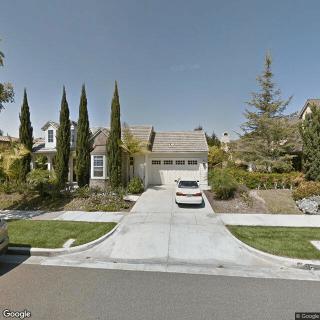





 Assisted Living Support for Veterans: A Complete and Detailed Overview
 Exploring the Contrasts Between Assisted Living and Skilled Nursing
 8 Key Indicators That Suggest It May Be Time to Transition from Assisted Living to Skilled Nursing Care