
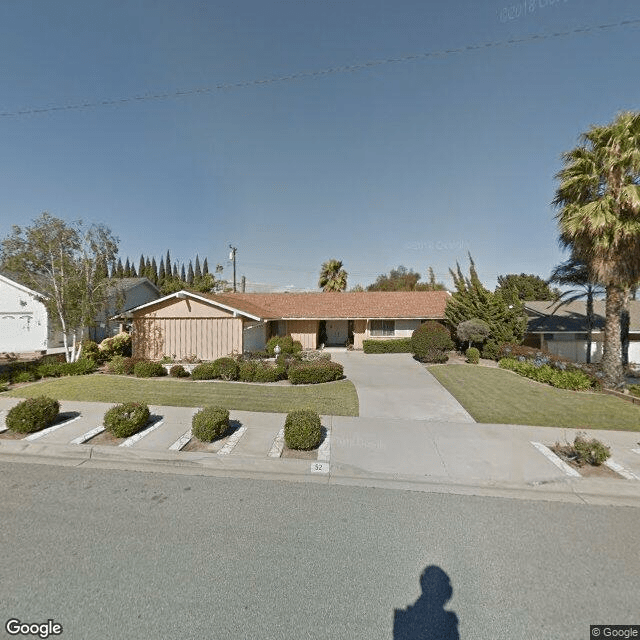
52 Camino Castenada, Camarillo, CA 93010
For more information about senior living options: (866) 208-4318
Mali's Place II Costs & Pricing
Mali's Place II offers competitive pricing for its services, particularly when considering its specialized care and support systems. With monthly costs of $4,000 for a semi-private room and $5,000 for a private room, it sits above the average rates in both Ventura County and California. Specifically, these prices surpass Ventura County's average of $3,438 for semi-private accommodations and $4,082 for private rooms. However, the value offered at Mali's Place II extends beyond mere lodging; it excels in high acuity care tailored to meet the needs of residents with varying health conditions. The facility also provides essential support for individuals with special dietary restrictions and diabetes management, ensuring that each resident receives comprehensive health coordination with their healthcare providers. Additionally, transportation services to doctor appointments further enhance the overall value proposition of Mali's Place II within the broader landscape of elderly care facilities in California.
| Floor plans | Mali's Place II | Ventura County | California |
|---|---|---|---|
| Semi-Private | $4,000 | $3,438 | $3,333 |
| Private | $5,000 | $4,082 | $3,939 |
Assisted Living communities with a similar price nearby
-
from -$200 / mo
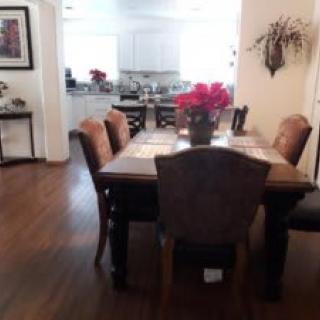
America's Care Manor
$3,800 to $4,000 / month22.2 miles away -
from +$290 / mo

An Everlasting Spring - Senior Care
$4,290 to $5,577 / month10.9 miles away -
from -$500 / mo
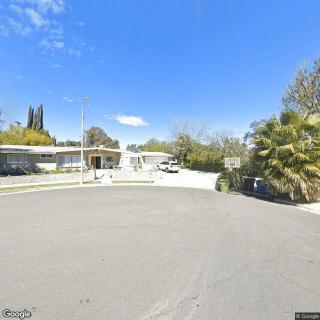
Assisted Comfort Home
$3,500 to $6,000 / month24.4 miles away -
from +$500 / mo

Royal Oaks Inn
$4,500 / month12.7 miles away -
from +$500 / mo
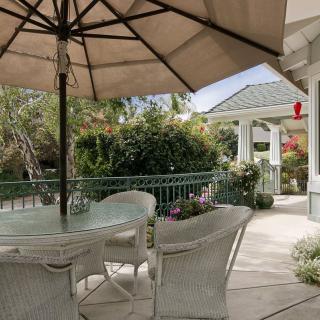
Cottage Inn
$4,500 / month9.4 miles away
Overall Review of Mali's Place II
Pros
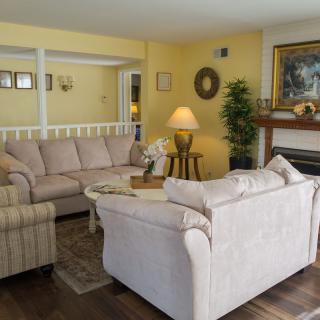
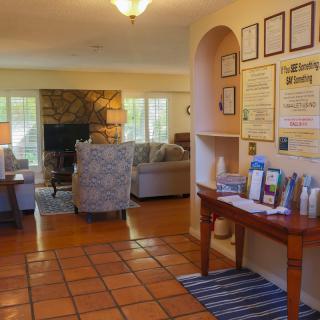
 The two connected homes offer nicely sized living spaces.
- The staff provide around-the-clock support.
- The same staff work across both locations, ensuring consistency.
Cons
 There was only one other resident, leaving no one to talk to and no activities.
- They charged as much as the bigger places.
- The reviewer was very unhappy with it.
- Some staff had limited English.
Review
Mali's Place II in Camarillo is best suited for seniors who want a modest, home-like setting with around-the-clock staff and predictably simple daily routines, and who are comfortable with a quieter atmosphere and limited organized activities. The property profile is two connected homes under the same owner, which can translate into a familiar, small-community feel rather than a busy campus. This place appeals to families prioritizing safety, continuity of care, and a personal touch over campus-scale amenities.
Those who should seriously consider alternatives are seniors who rely on robust social programming, frequent, structured activities, or a large peer group to stay engaged. The most pointed caution from the limited reporting is the risk of social sparsity: in one account, the home housed only one other resident besides a dementia patient, with little in the way of meaningful interaction or scheduled activities. Price is another red flag for connoisseurs of value; the facility reportedly charges at a level comparable to larger, more feature-rich communities, which may not align with what the environment delivers. If language accessibility matters, some staff reportedly speak English less fluently, the communication experience could also fall short for families needing consistent, clear dialogue about care.
The strongest positives here are functional and reassuring rather than flashy. Two connected homes with consistent staffing around the clock can foster dependable routines and a sense of familiarity for residents who dislike disruption. The setup supports steady caregiver relationships, and the layout can offer private space within a small, manageable footprint. In practice, continuous coverage by the same staff helps with monitoring, safety, and familiarity, which matters for stability in daily living and for families seeking assurance that someone is always watching over a loved one.
But the main cons consistently tied to Mali's Place II outweigh some of these benefits. The small resident pool creates a noticeably quiet social milieu, which can translate to loneliness or stagnation for a resident who thrives on conversation and purposeful activities. The lack of an active programming calendar reduces opportunities for cognitive stimulation and social bonding, a critical consideration for many seniors. On top of that, price parity with larger communities invites a hard evaluation: if the value proposition centers on companionship and activities, this may feel misaligned. Language barriers in staff can complicate care planning and day-to-day communication, adding friction for families navigating medical or personal needs.
From a practical decision standpoint, potential residents and families should seek detailed clarity before moving forward. Ask for current occupancy numbers and a concrete activity schedule, including who plans events, how often they occur, and whether transportation to appointments or outings is available. Inquire about staff language skills and whether there is a designated point of contact for care planning discussions. Confirm levels of care supported on-site and what happens if a higher level of assistance is required. Finally, request a transparent breakdown of all fees, what is included, and what would trigger additional charges, so comparisons with other Camarillo options are meaningful rather than purely speculative.
In the end, Mali's Place II serves a pragmatic niche: a quiet, homey environment with predictable staffing that can be comforting for residents who prize routine and safety over social spectacle. For families prioritizing active engagement, wide social interaction, and strong programming, the drawbacks are substantial enough to merit looking at other communities. The decisive factor will be how important social activity and cost alignment are to the individual’s well-being. If the answer leans toward minimalistic, steady living with attentive caregivers, Mali's Place II can be a reasonable fit. If the answer leans toward a richer social life and clearer value for money, alternatives with larger resident populations and more robust activity schedules should be examined first.
 6 resident community capacity
 Assisted Living
 Board and Care Home
 Bath tubs
 Cable or satellite TV
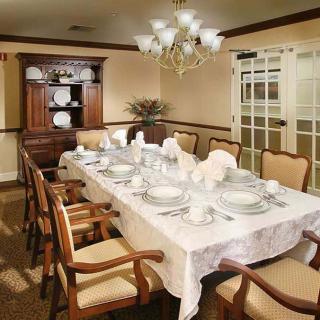
 Dining room
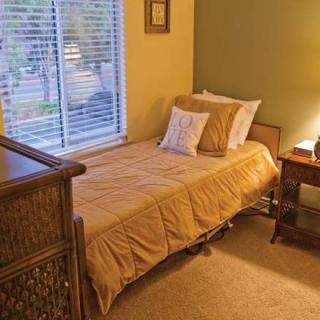
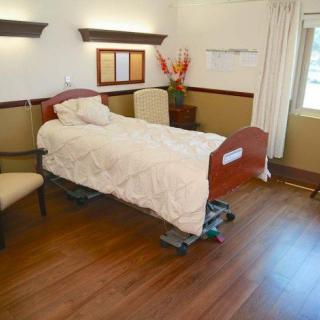
 Fully furnished
 Garden
 Housekeeping services
 Move-in coordination
 Outdoor space
 Private
 Respite or short term stays offered
 Telephone
 Wheelchair accessible showers
 Wi-Fi/high-speed internet available
 Oxnard (8 miles away)
 24-hour supervision
 Activities of daily living assistance
 Assistance with bathing
 Assistance with dressing
 Assistance with transfers
 Diabetes diet
 High acuity care
 Meal preparation and service
 Medication management
 Special dietary restrictions
 Transportation arrangement (medical)
 Transportation to doctors appointments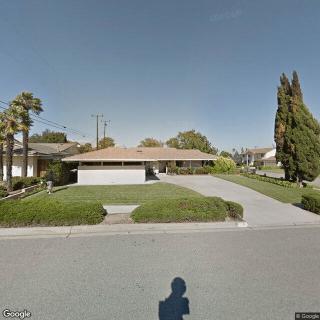
 Funding and Affording Assisted Living: A Thorough Overview
 Assisted Living Expenses and Long-Term Care Insurance: A Comprehensive Exploration
 Securing Financial Support for Assisted Living: A Comprehensive Overview