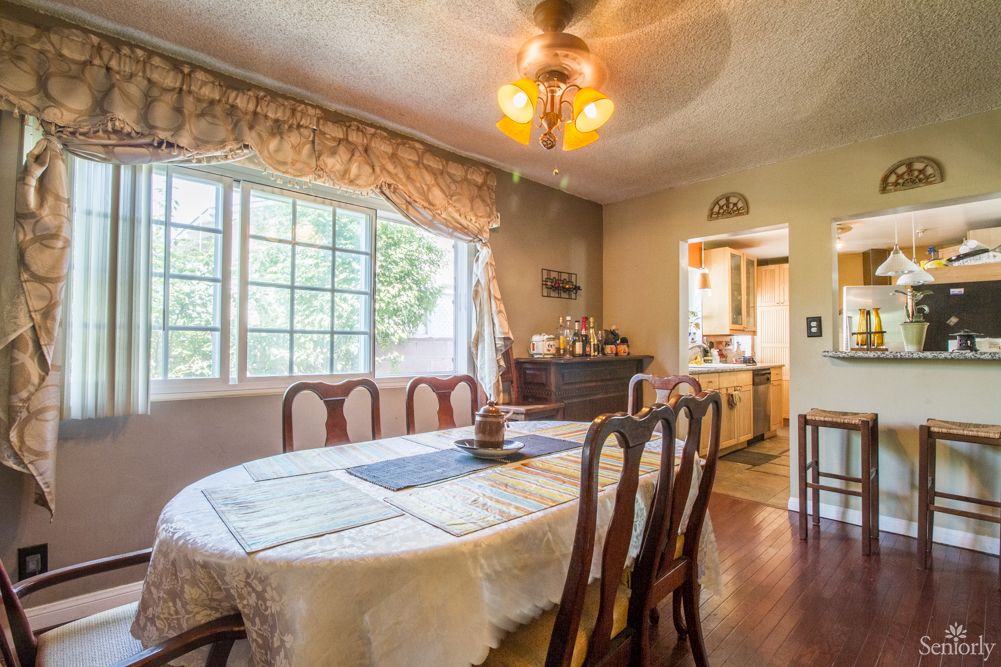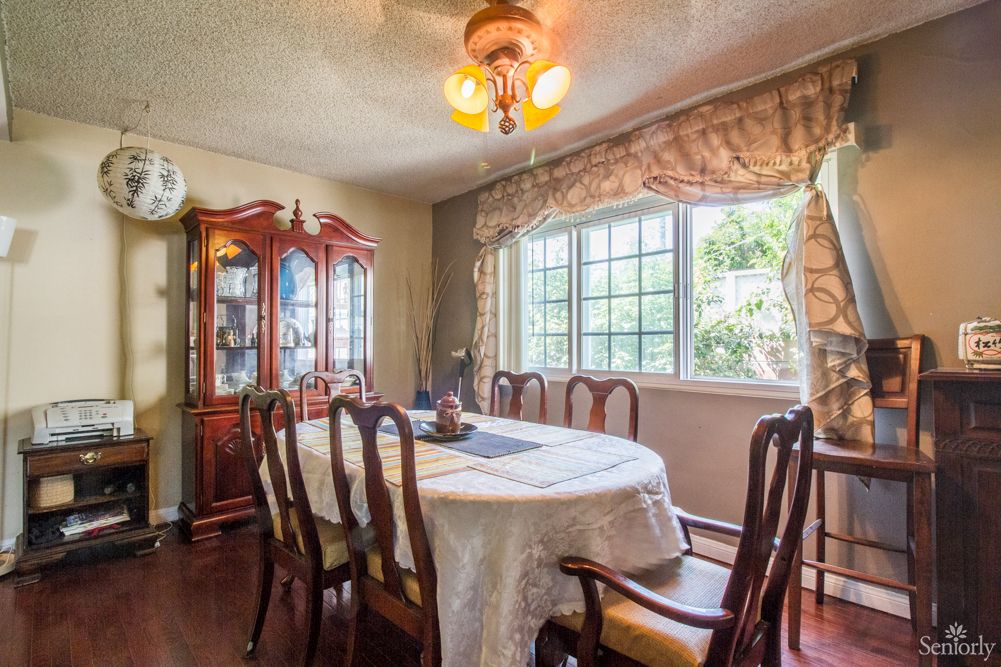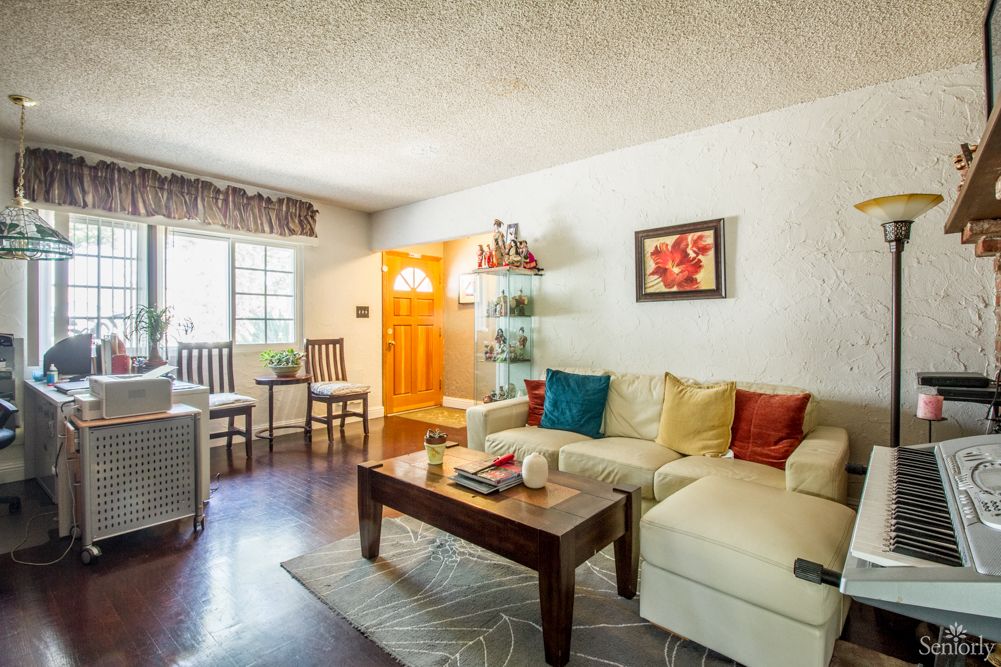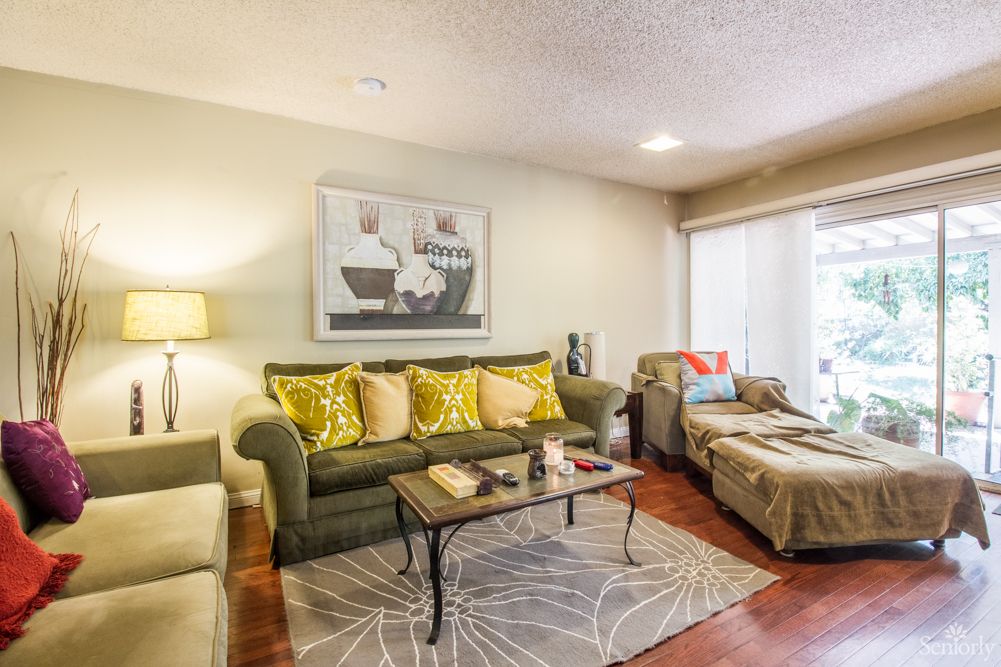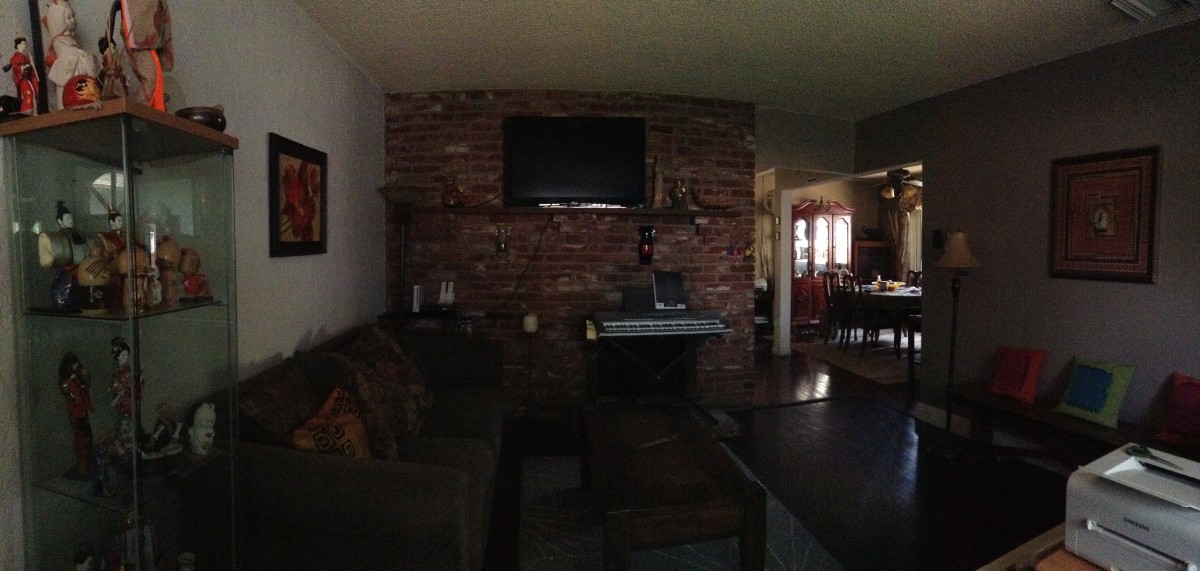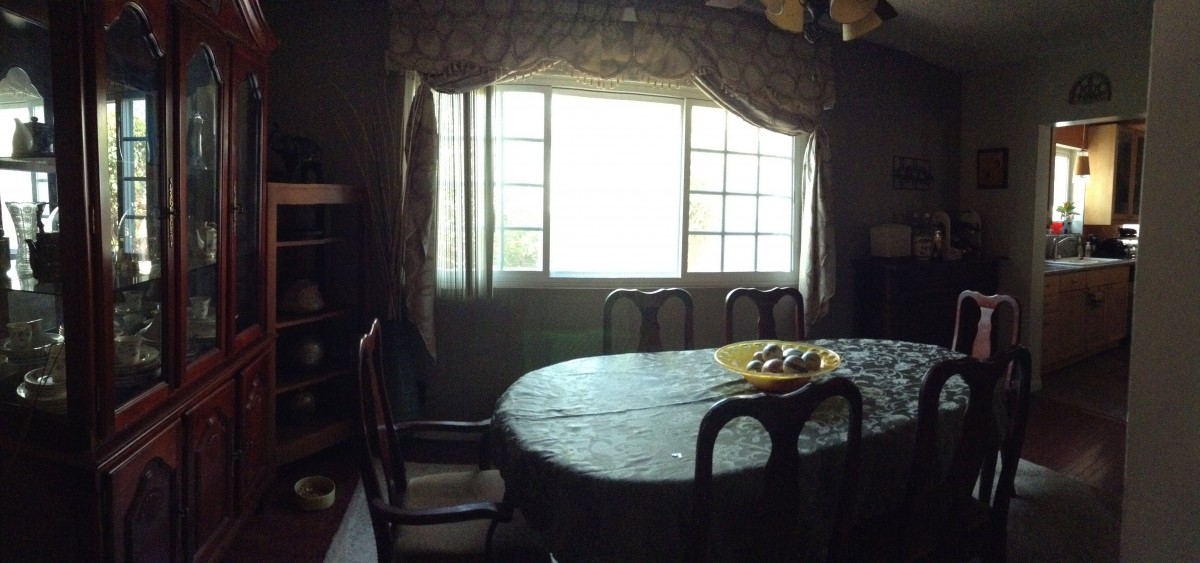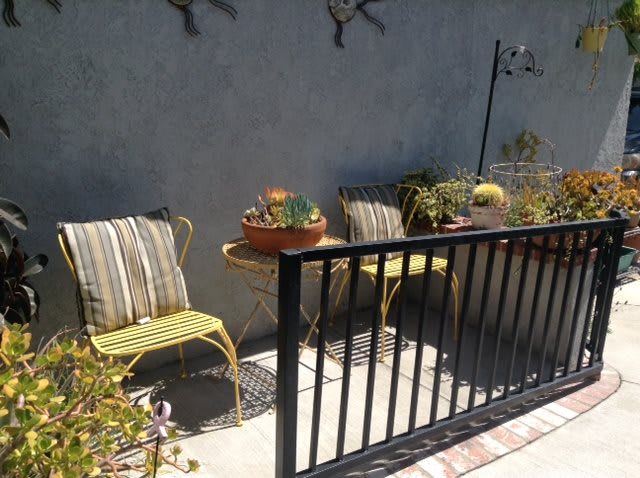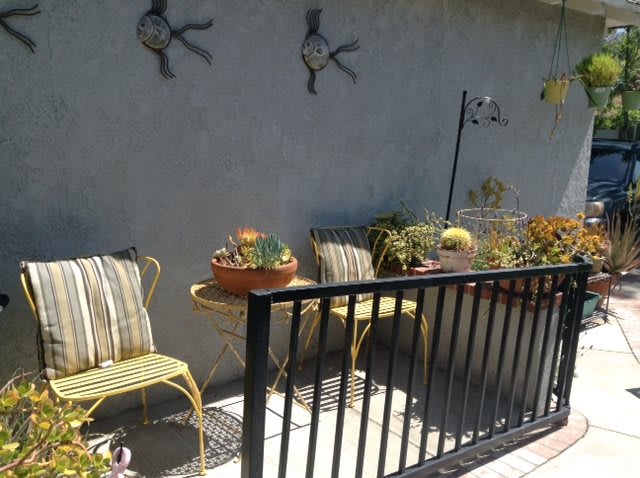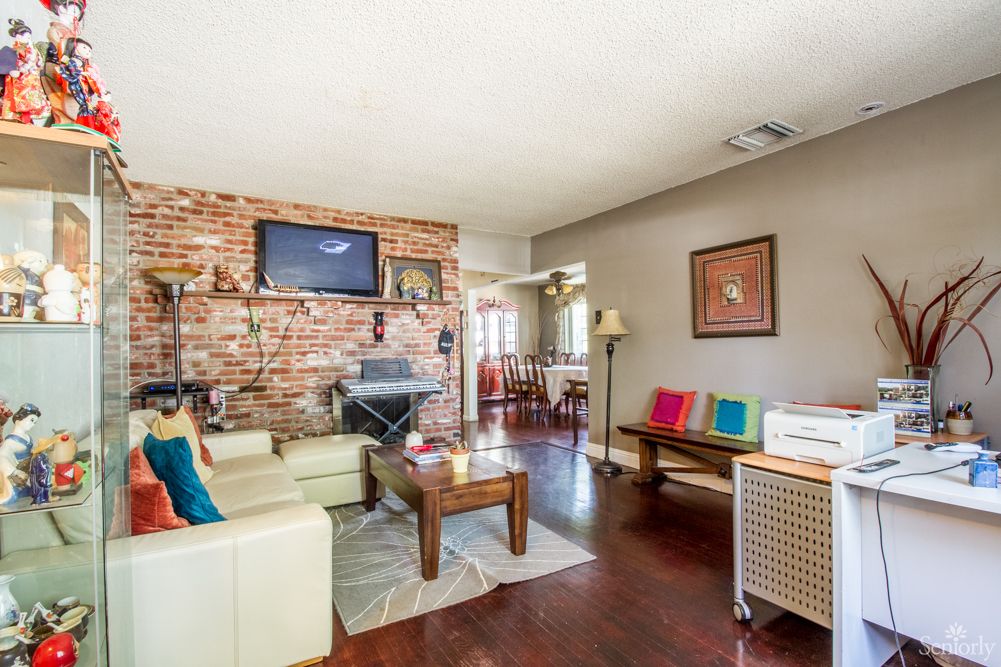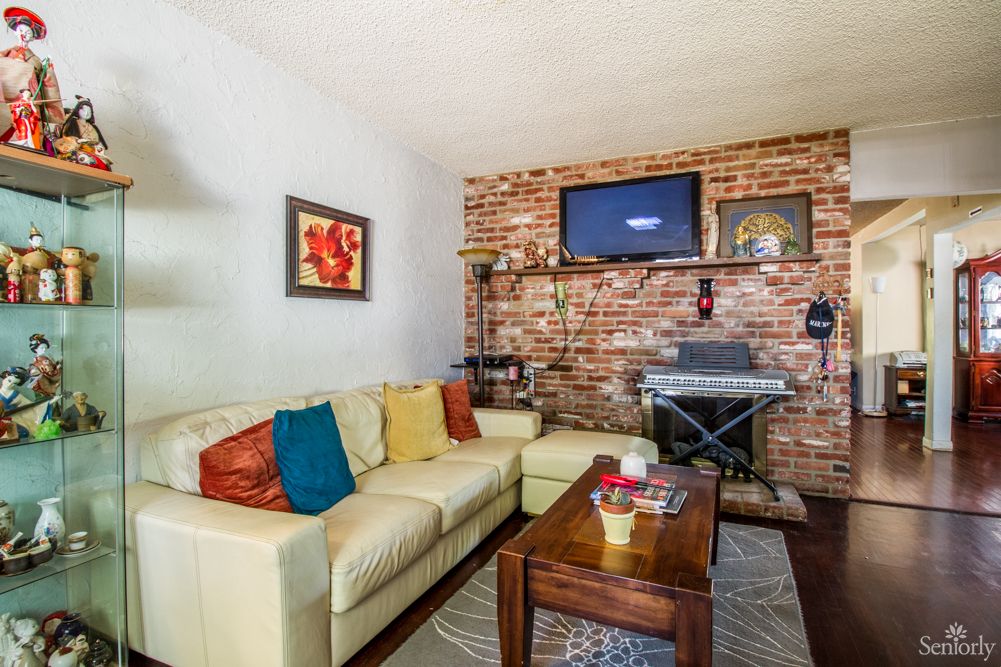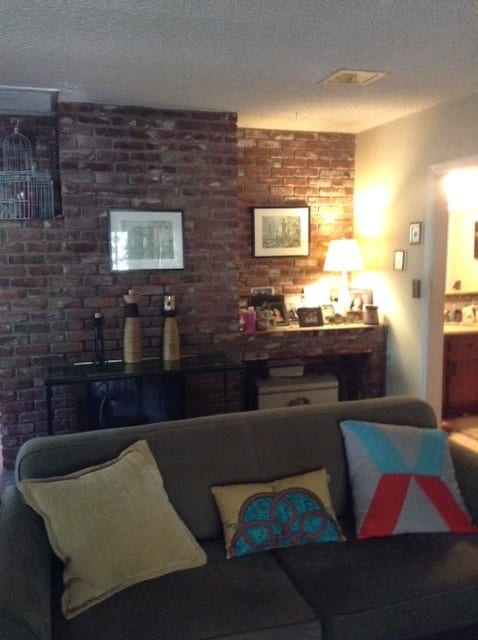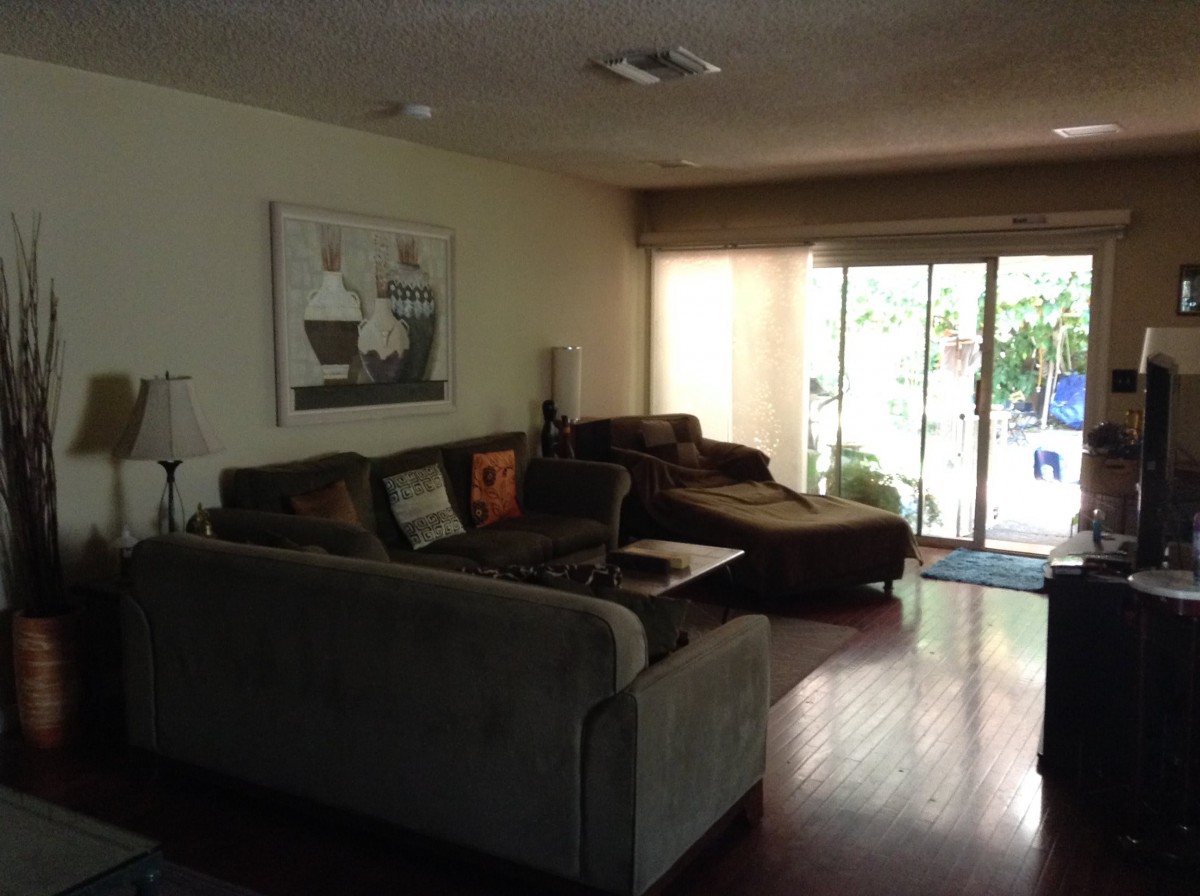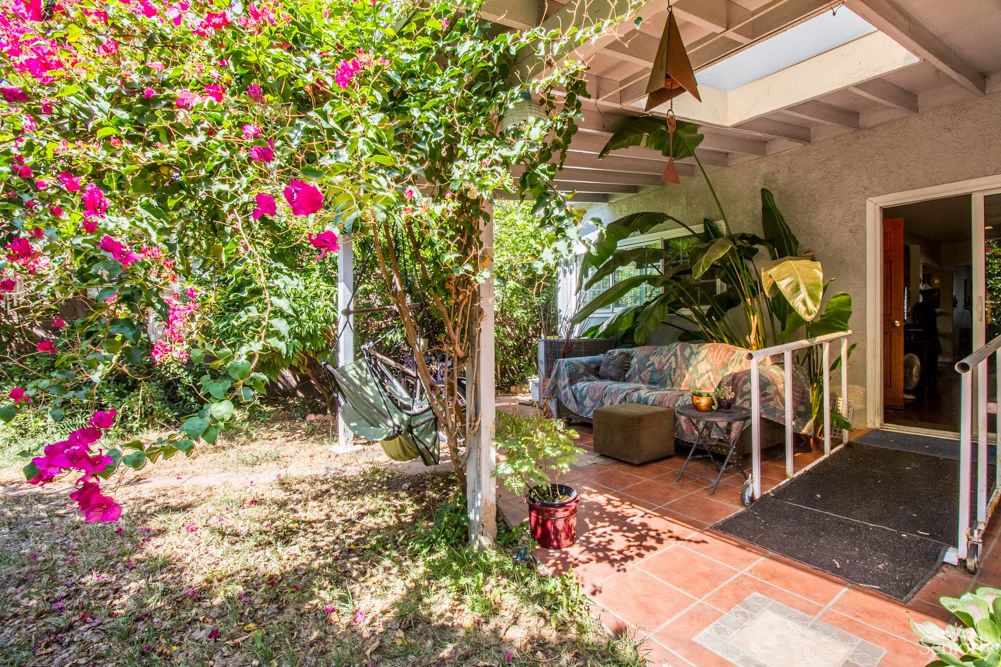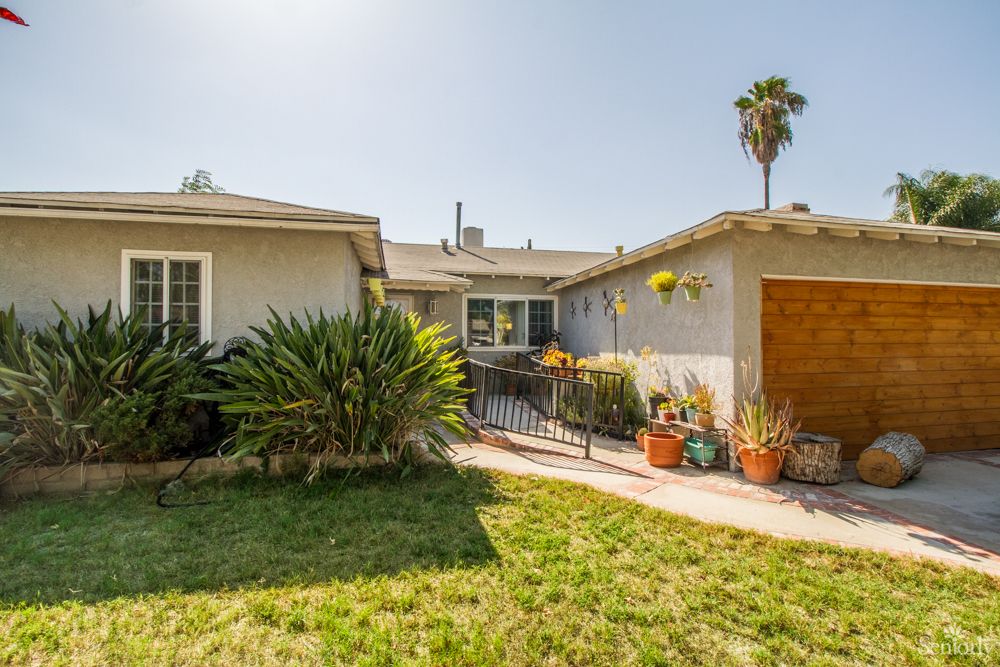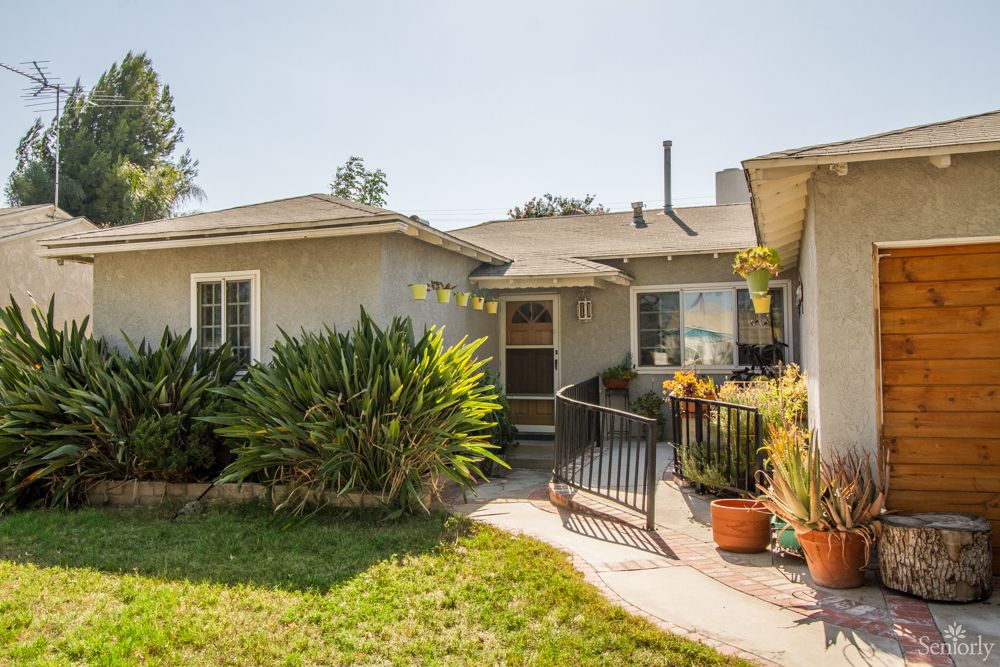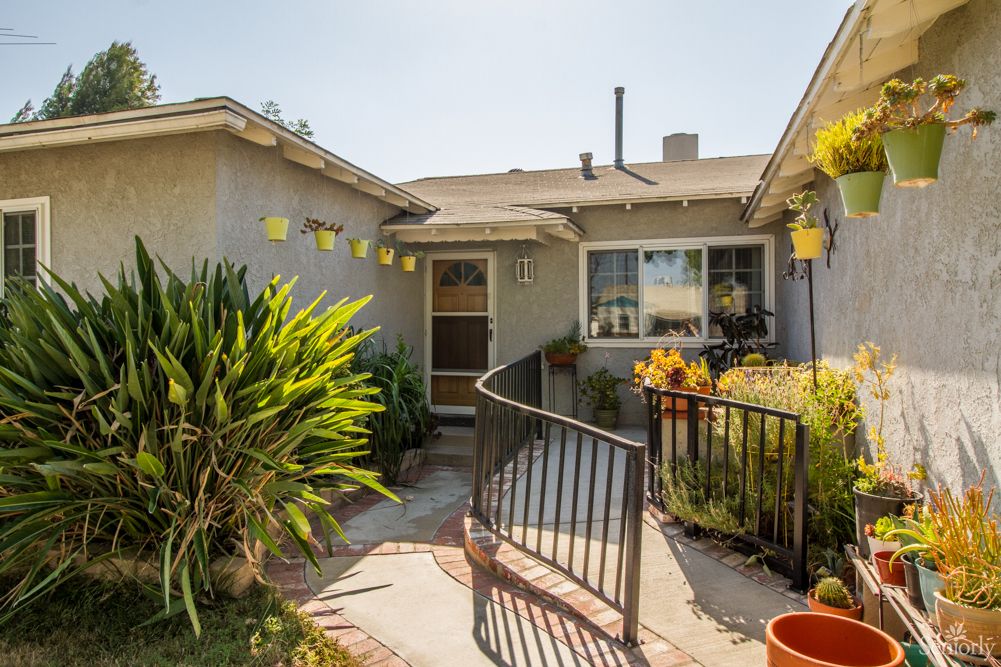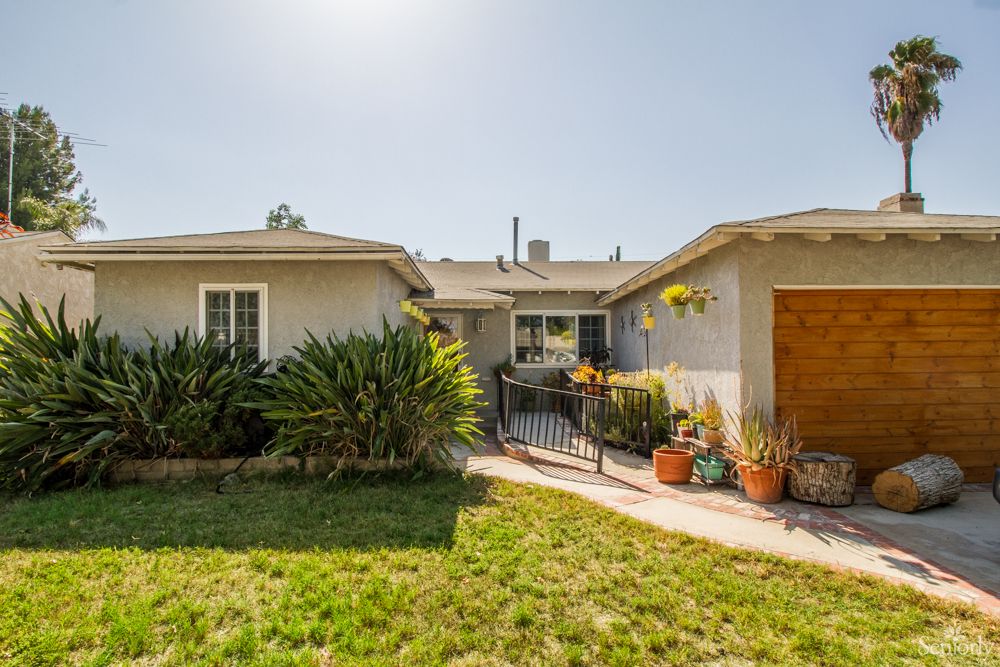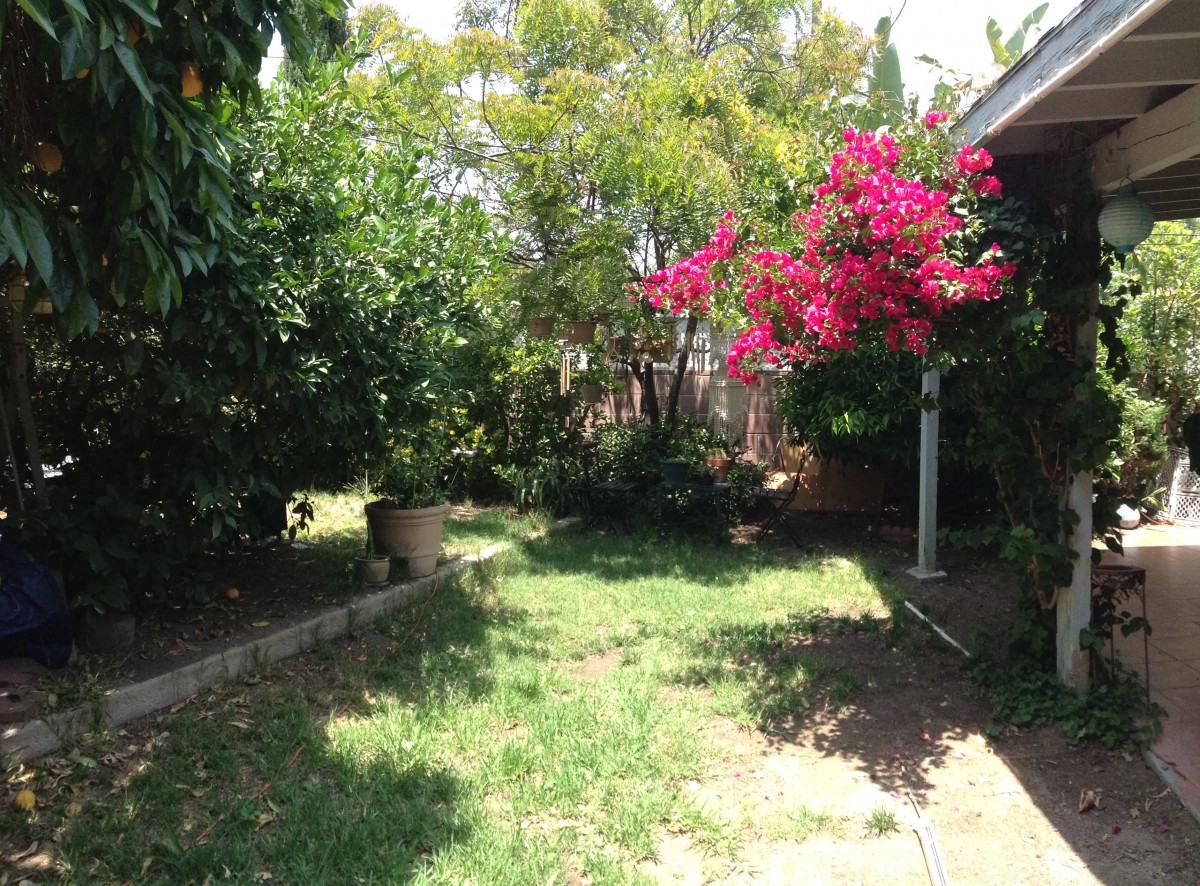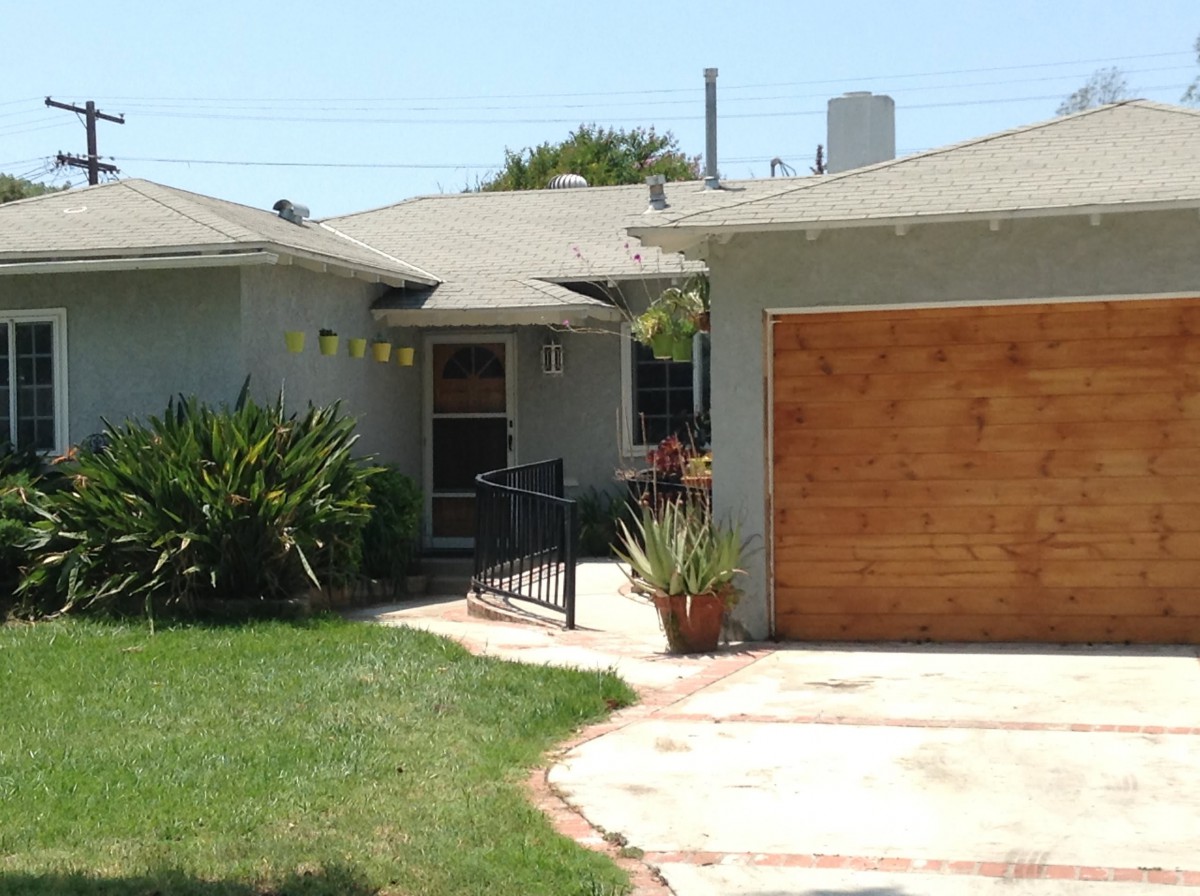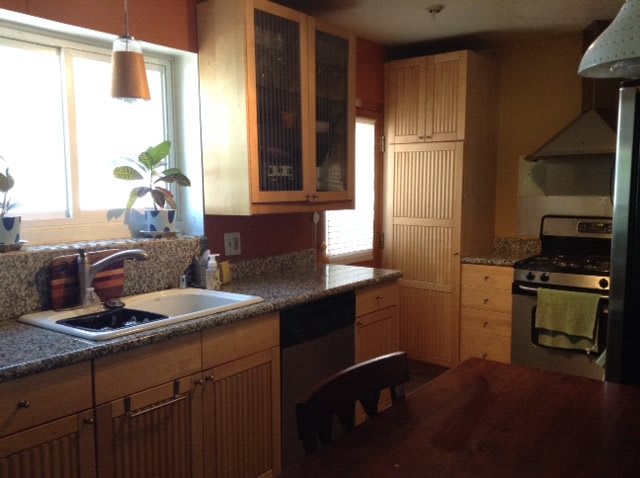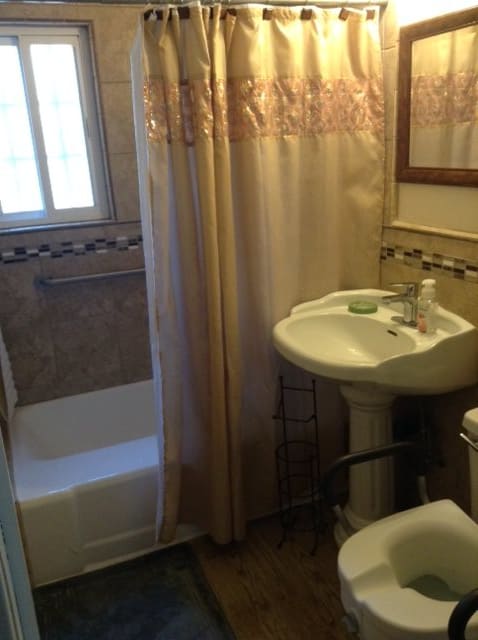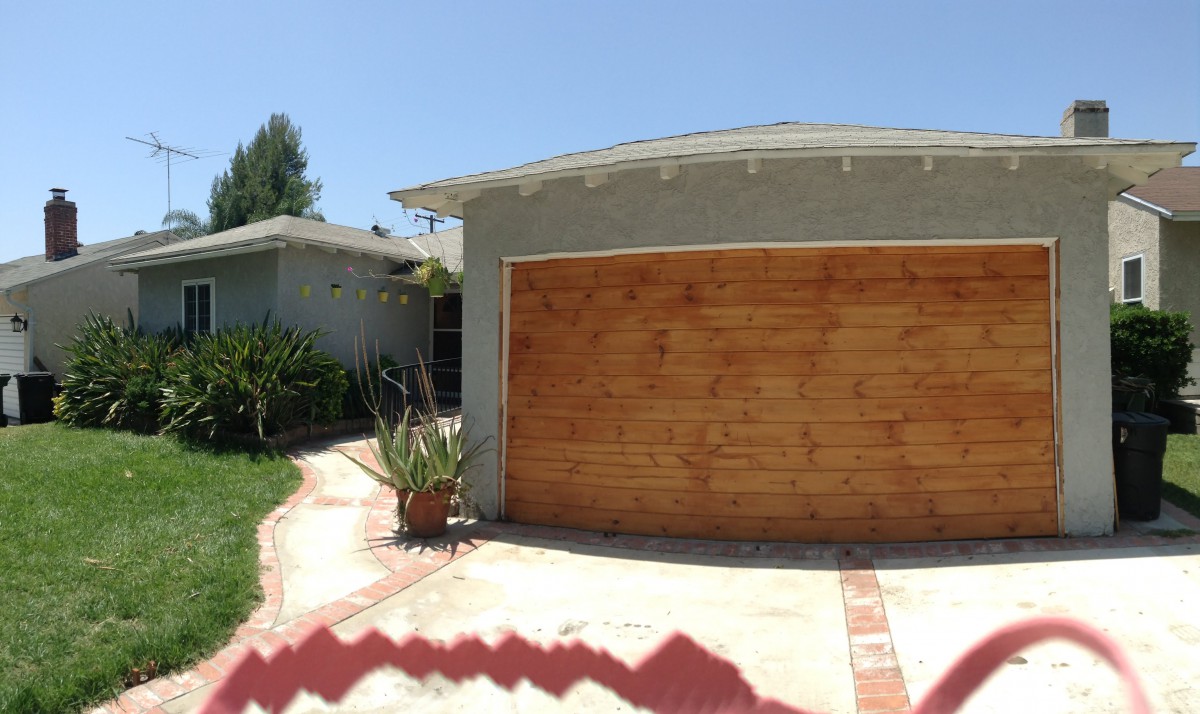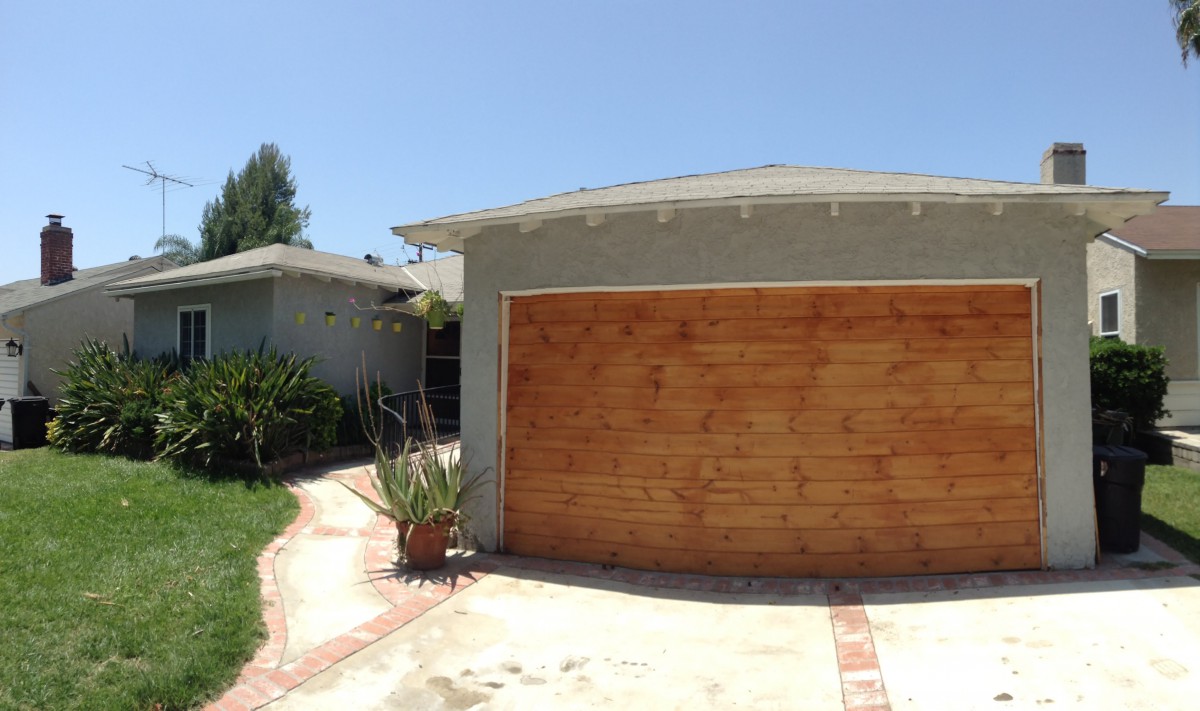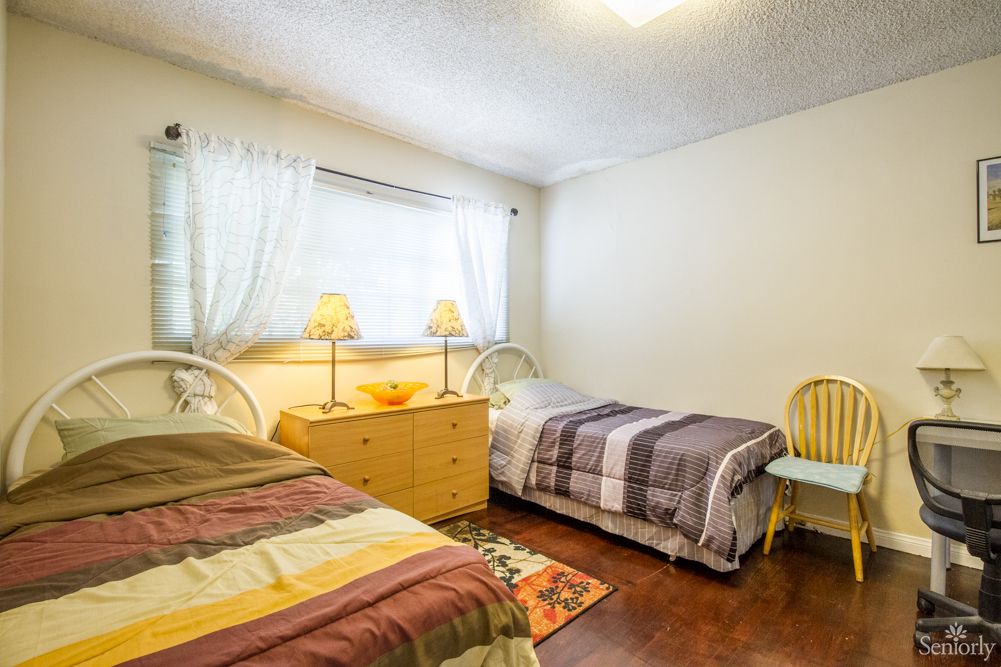


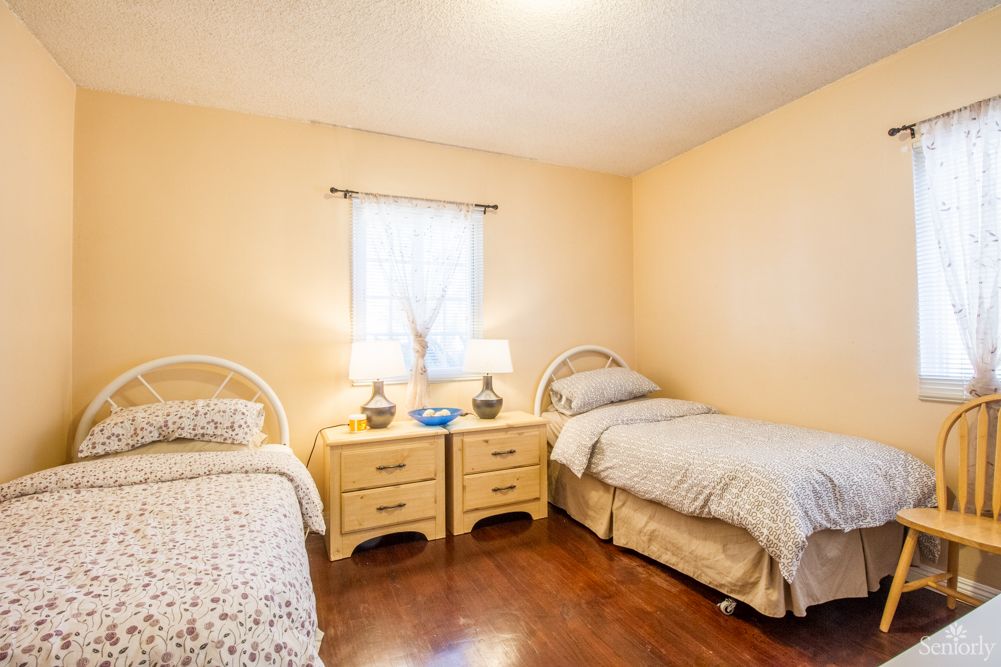



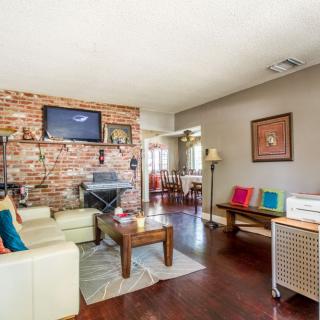
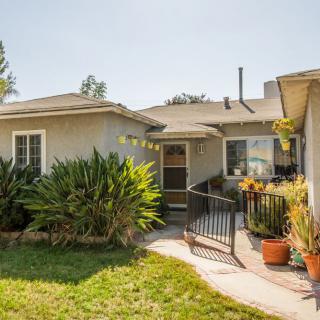
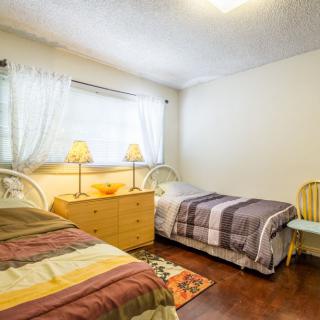
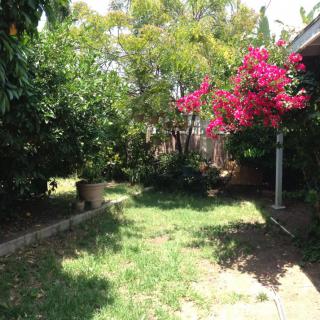
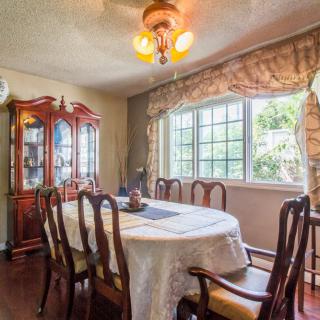
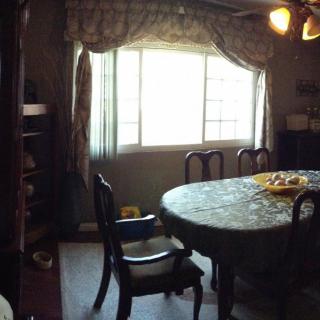

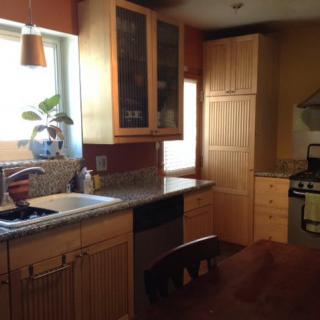
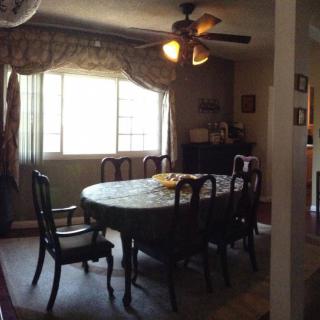
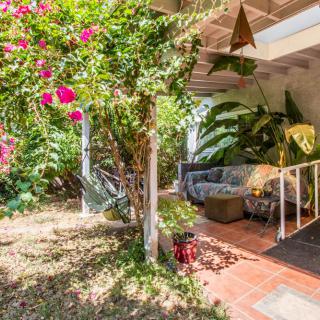
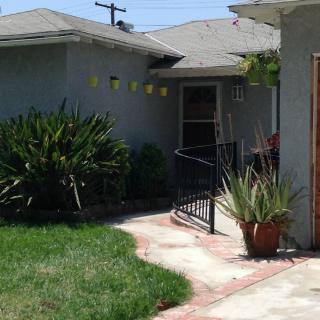
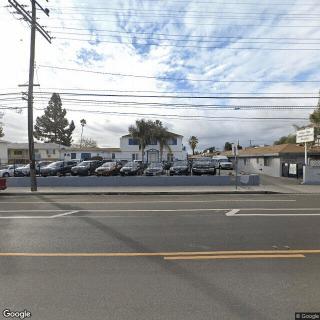
1831 North Kenwood Street, Burbank, CA 91505
For more information about senior living options: (866) 208-4318
Seniors' Haven Costs & Pricing
Seniors' Haven offers competitive pricing for its rooms in comparison to both Los Angeles County and the broader state of California. For semi-private rooms, rates range from $2,400 to $4,295, which provides a more affordable option compared to the county's average of $3,349 and the state's average of $3,333. The studio accommodations are priced at $3,495, offering a solid value against the county's average of $4,172 and the state's average of $4,145. Private rooms at Seniors' Haven are available for $4,000, slightly lower than Los Angeles County's typical rate of $4,197 but higher than California's average of $3,939. Overall, Seniors' Haven positions itself as an appealing choice within the regional landscape by presenting diverse options that cater to varying budget considerations while maintaining comfort and quality care for its residents.
| Floor plans | Seniors' Haven | Los Angeles County | California |
|---|---|---|---|
| Semi-Private | $2,400 to $4,295 | $3,349 | $3,333 |
| Studio | $3,495 | $4,172 | $4,145 |
| Private | $4,000 | $4,197 | $3,939 |
Memory care communities with a similar price nearby
-
from +$350 / mo
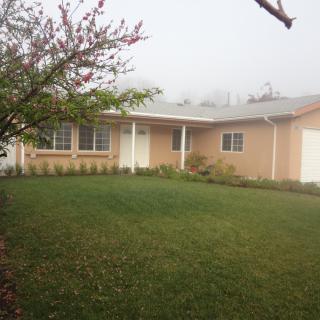
Dignity Care Home 1
$2,750 to $4,150 / month8.4 miles away -
from -$200 / mo
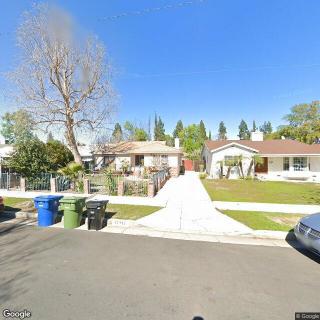
Granada Hills Gardens
$2,200 to $3,500 / month10.4 miles away -
from +$100 / mo
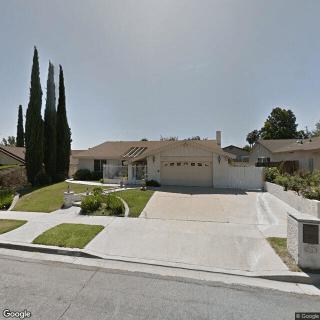
Sunrise Guest Home
$2,500 to $3,000 / month23.7 miles away -
from +$100 / mo
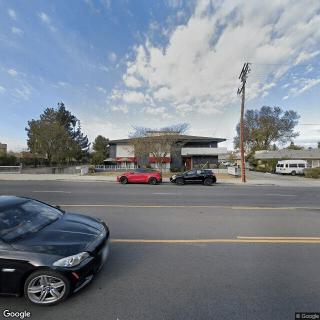
West Hills Assisted Living
$2,500 to $3,500 / month15.0 miles away -
from +$100 / mo

Valley Vista Senior Living
$2,500 to $3,995 / month5.6 miles away
Overall Review of Seniors' Haven
Pros
 The staff are very friendly and helpful, making for an enjoyable time for seniors.
- The people are friendly, creating a welcoming atmosphere.
- The programs and services are vital to the senior community, with kind and supportive staff.
- Activities like bingo and informative lectures are fun and engaging for those 55 and older.
- The lunches are good and nutritious.
- The environment is a great place for those 55+ with a mix of activities and social opportunities.
Cons
 They think Cmon Burbank could do better.
- They couldn’t get the apartment because they didn’t have 12,000 in the bank, which was very sad since they’ve always been a good paying tenant.
- They felt a good tenant was let go due to the financial requirement.
Review
Seniors’ Haven in Burbank is best suited for active, socially oriented seniors aged roughly 55 to 100 who want reliable daily interaction, a lively calendar, and a friendly, supportive staff. The community functions as a social hub more than a medical facility, with numerous activities each week and monthly programs designed to keep residents engaged. It works particularly well for those who value affordable meals, accessible lectures, and a warm, welcoming atmosphere where peers and staff create a sense of belonging. Prospective residents should recognize that housing options exist, but entry can hinge on financial qualifications that may restrict access for some good potential tenants.
Those weighing alternatives should consider whether access to independent housing with minimal upfront barriers is essential. If the priority is a low-cost, social senior center without housing, or if a higher level of on-site care, stricter oversight, or more predictable, formal intake processes are needed, other options may fit better. The occasional mixed feedback in reviews, candid notes that there’s room for improvement alongside strong endorsements, signals that this community may not meet every expectation, especially for families seeking a seamless, match-perfect transition into independent living.
The core strengths, upbeat staff, friendly residents, and an environment that makes daily life feel meaningful, largely offset the main concerns. The staff is consistently described as kind, helpful, and easy to talk to, which translates into a tone of hospitality that reduces isolation and makes participation in activities more appealing. The program lineup matters: weekly bingo sessions, informative lectures, and a nutritious lunch create structured routines that many seniors rely on for social connection and mental stimulation. When a sense of camaraderie and predictable, enjoyable programming is the priority, these elements deliver measurable, practical value.
Program variety stands out as a decisive plus. The community’s mix of weekly activities and monthly offerings keeps calendars full, preventing boredom and helping residents form meaningful friendships. The breadth of social opportunities, not merely passive meals but interactive events, appeals to those who want variety without leaving the building. The lunches, described as nutritious and reasonably priced, add a practical perk for households seeking to simplify daily living and keep dining costs predictable. In a setting where social fatigue or isolation can erode well-being, the combination of friendly people and engaging content acts as a powerful counterweight to the financial and housing hurdles that sometimes arise.
The most tangible drawback remains the housing entry barrier. An apartment option exists, but qualifying can require substantial upfront funds, as cited by at least one prospective resident who couldn’t secure a unit because of liquidity constraints. This reality can exclude capable, motivated seniors who would otherwise thrive in the social ecosystem. While the emphasis on affordable meals and robust programming cushions the impact for those who do gain access, the exclusion risk is real for families evaluating long-term planning. Review sentiment confirms this tension: much praise for the community’s warmth and activities sits alongside calls for more flexible access and clearer pathways to housing.
For families considering Seniors’ Haven, the practical path is clear. Visit to gauge the atmosphere and ask blunt questions about housing options, waitlists, and what the monthly costs cover beyond meals and activities. Speak with admissions about possible financial pathways, incentives, or alternative arrangements that might bridge the gap to housing. Assess the cadence and relevance of the programs, do they align with the elder’s interests, mobility, and energy levels? If the aim is vibrant social engagement within a supportive senior community and housing access can be navigated, this is a compelling, well-regarded choice. If guaranteed, low-barrier housing or a higher level of on-site care is non-negotiable, it’s prudent to compare alternatives with clearer pathways to those needs.
 6 resident community capacity
 Assisted Living
 Board and Care Home
 Memory Care
 Respite Care
 Activities off-site
 Air-conditioning
 Bath tubs
 Cable or satellite TV
 Devotional services off-site
 Dining room
 Full kitchen
 Fully furnished
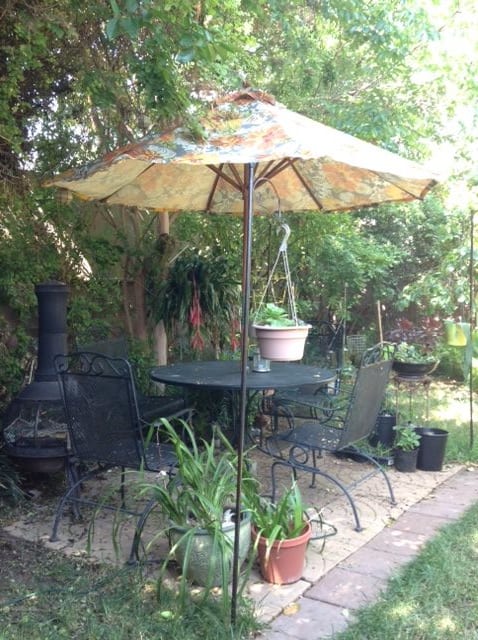
 Garden
 Housekeeping services
 Indoor common areas
 Move-in coordination
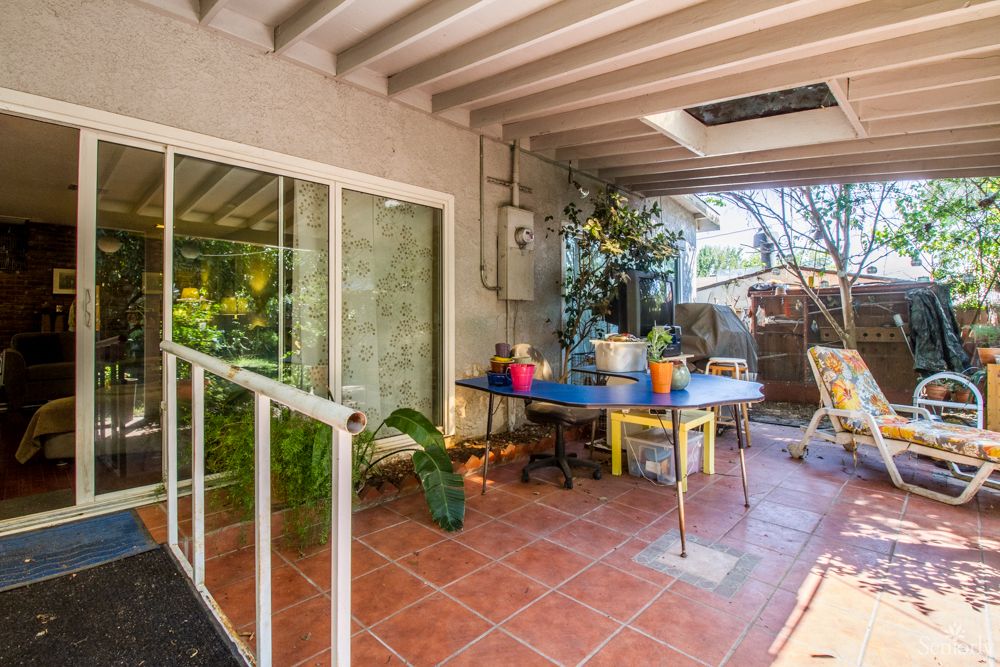
 Outdoor common areas
 Private
 Small library
 Telephone
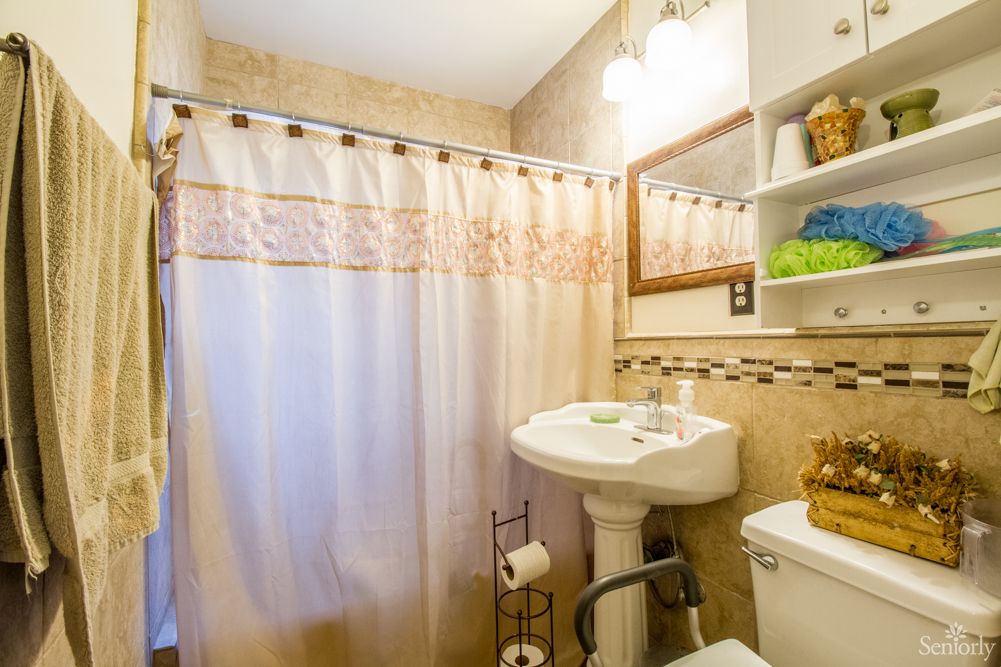
 Wheelchair accessible showers
 Wi-Fi/high-speed internet available
 Burbank-Glendale-Pasadena (1 miles away)
 24-hour supervision
 Ambulatory care
 Assistance with bathing
 Assistance with dressing
 Assistance with transfers
 Diabetes diet
 Incontinence care
 Meal preparation and service
 Medication management
 Special dietary restrictions
 BBQs or picnics
 Birthday parties
 Karaoke
 Pet-focused programs
 Stretching classes
 Wii bowling



 Why Do Dementia Patients Sleep So Much? Understanding Oversleeping, Stages, and Care Approaches
 8 Key Indicators That Suggest It May Be Time to Transition from Assisted Living to Skilled Nursing Care
 Nourishing the Mind: Essential Dietary Approaches for Dementia