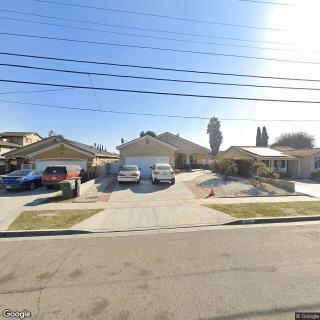
6041 Kingman Avenue, Buena Park, CA 90621
For more information about senior living options: (866) 208-4318
Overall Review of The Cottages At Artesia Gardens
Pros
 The staff are consistently ready to help residents and make them feel supported.
- The team was awesome and did a phenomenal job.
- The staff cared for their loved one with love and dignity, like their own family.
- The facility is welcoming, energetic, and feels like a big family to residents and visitors.
- The care for Alzheimer’s sufferers is wonderful.
- The staff are very friendly and caring, with special thanks to Daniel and Sheila.
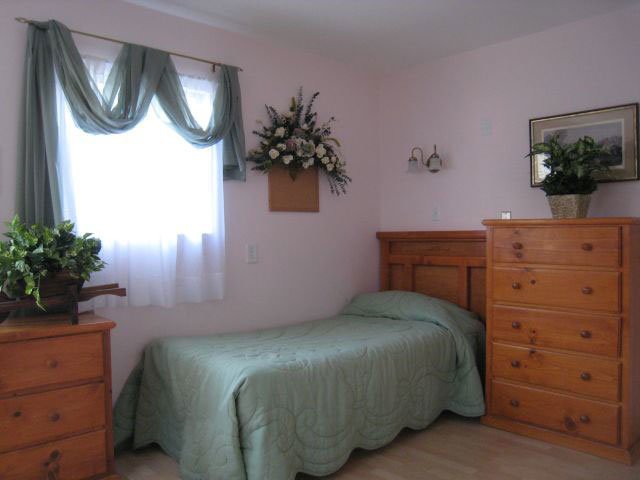
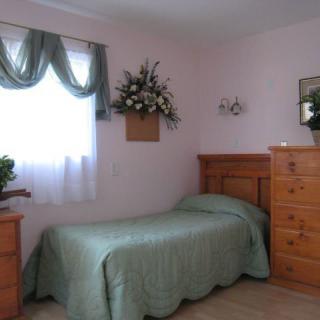
- The Cottage at Artesia Gardens is a friendly, small community with clean rooms and pleasant tours.
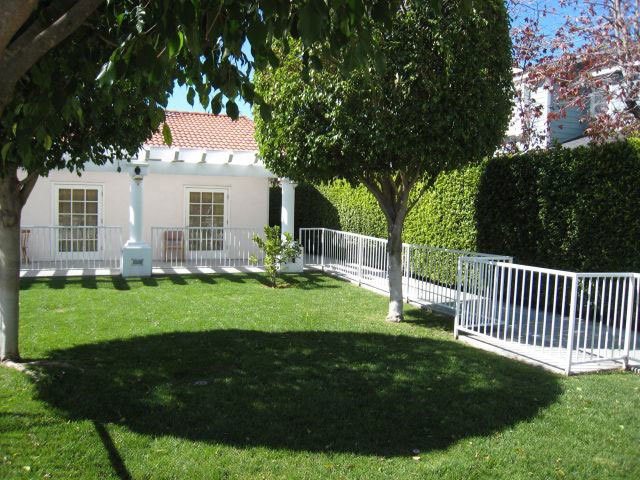
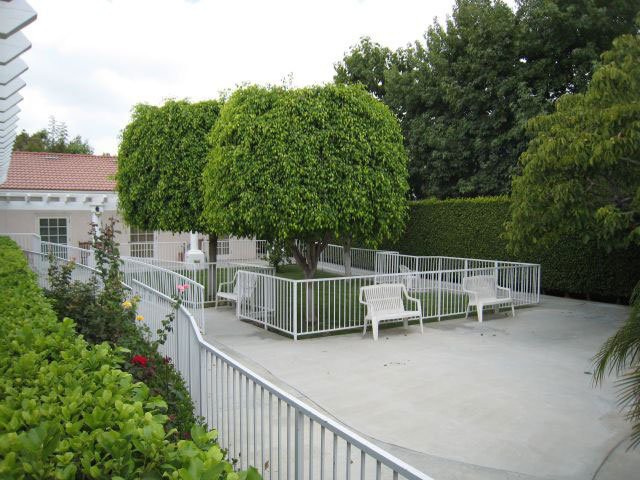
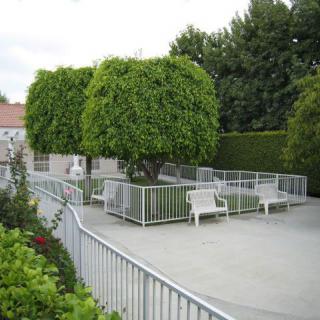
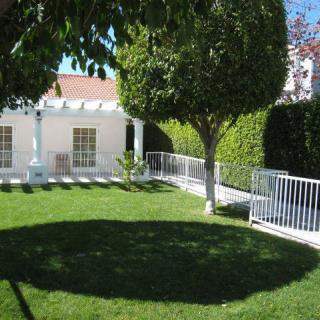
- The grounds are beautiful, and the location is convenient with doctors visiting regularly.
- The organization is led by experienced caregivers and emphasizes compassionate staff.
Cons
 The staff don’t treat residents nicely and the facility needs new, caring employees.
- The reviewer notes that about 90% of clients are wheelchair-bound and not very interactive, and that it’s too expensive for what is offered.
- There were delays in service and staff did not visit the office to address issues.
- Some of the rooms are older, despite renovations ongoing.
Review
The Cottages At Artesia Gardens in Buena Park is best suited for families seeking a small, family-run setting that centers memory-care sensibilities and personal, relationship-driven care. This community thrives when families want a home-like atmosphere with staff who know residents well and are willing to accommodate changing needs without forcing a transition to a larger, impersonal campus. It is a strong fit for residents who value hands-on attention, a welcoming environment for visitors, and a practical, no-nonsense approach to daily living. The renovations completed in recent years signal a commitment to improving comfort while preserving the intimate footprint that makes a small community feel like a true home.
That said, not every family will find The Cottages At Artesia Gardens ideal. Those needing high-acuity medical supervision or a facility with expansive, resort-style amenities may want to consider alternatives. A few families have encountered variability in day-to-day interactions with staff, underscoring the importance of an in-depth tour to assess consistency of warmth and attentiveness. Price can be a barrier for some, particularly when room configurations feel older or modest for the cost. For residents who crave robust, around-the-clock programming across every hour of the day, the scale and scope of activities at a smaller site may feel limiting, so comparison with larger operators is prudent.
The strongest asset is the staff, a team described as caring, approachable, and genuinely invested in residents. Med techs and activities staff build relationships and tailor care to individual needs, a capability particularly valuable for memory care. Administration has shown flexibility in handling moves and evolving circumstances, an attribute families repeatedly praise when navigating transitions. A willingness to extend financial flexibility during tight times signals a priority on resident stability over punitive budgeting. This combination of compassionate caregiving and family-inclusive culture helps offset concerns about room quality or cost, especially for families prioritizing trust, continuity, and a sense of belonging.
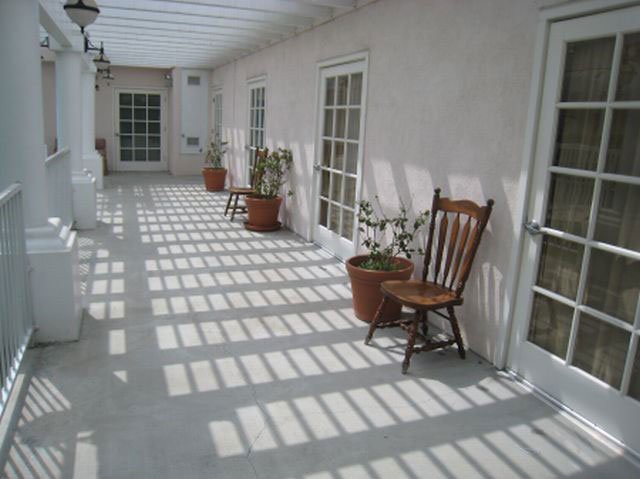
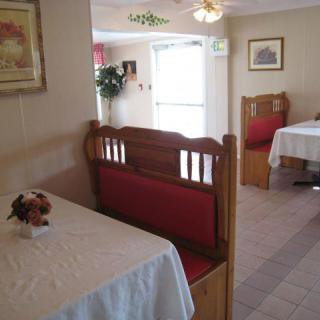
In daily life, practical benefits carry real weight. The community offers meals and snacks, clean rooms, and outdoor spaces that invite interaction rather than isolation. There is a recognized emphasis on memory care, with caregivers trained to respond to dementia-related anxiety through validation and steady, calm engagement. Statements of appreciation for individuals such as Daniel in Activities and Sheila in Med Tech reflect consistent, kind, and dependable support that families notice during difficult days. The atmosphere emphasizes care over show, and that focus translates into a tangible sense of safety and routine for residents who benefit from predictable schedules and accessible outdoor contact.
Yet it is essential to weigh the not-insignificant caveats. A minority of reviews notes moments when staff seemed less attentive or less respectful, reminding prospective families to observe shifts, ask questions, and meet front-line caregivers during visits. Some residents appear wheelchair-bound with limited social interaction, and even with renovations, some rooms still feel dated relative to newer properties. Pricing remains a consideration, families should scrutinize what is included in monthly charges and how care needs might drive additional costs. The community’s strength is its people, but those nuances can shape the resident experience and merit direct, in-person diligence before deciding.
For families prioritizing compassionate, relationship-driven care in a small, home-like setting with a clear emphasis on memory support, The Cottages At Artesia Gardens stands out as a strong option. It is not the best fit for those chasing cutting-edge infrastructure, the broadest programming, or the lowest price point. Prospective movers should arrange thorough tours, meet frontline caregivers, and probe staff stability, resident-to-staff ratios, and dementia-specific routines in action. When the goal is a stable, warm environment where families feel welcomed and engaged, this community delivers. The combination of heartfelt care, a close-knit feel, and practical day-to-day operations can make the transition into assisted living smoother and more sustainable.
 55 resident community capacity
 1-bedroom apartments
 Assisted Living
 Respite Care
 Air-conditioning
 Beautician on-site
 Cable or satellite TV
 Computer center
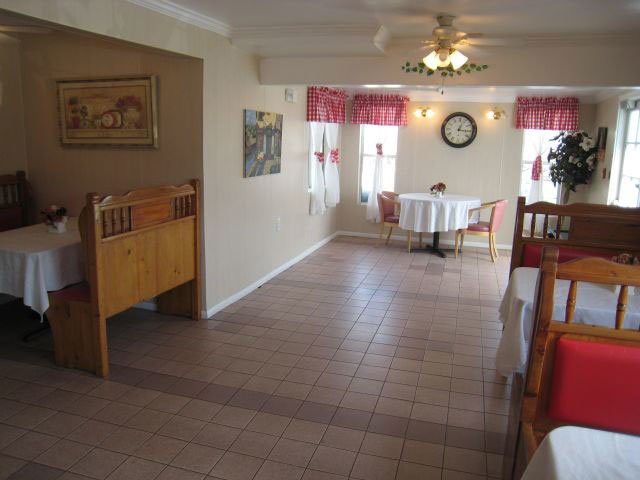
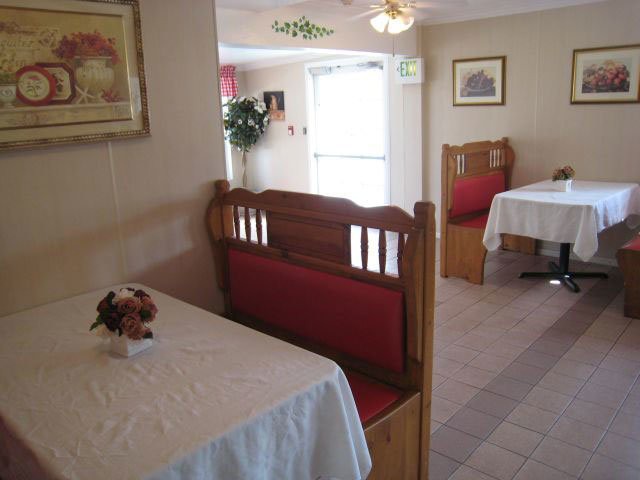
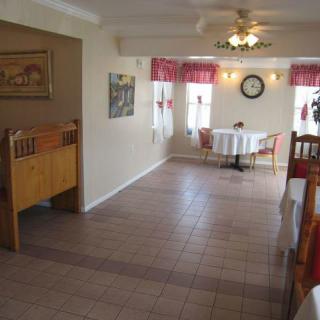
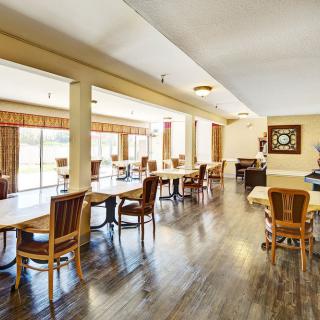
 Dining room
 Financing advice
 Fitness room
 Full kitchen
 Fully furnished
 Gaming room
 Garden
 Guest parking
 Housekeeping services
 Laundry
 Move-in coordination
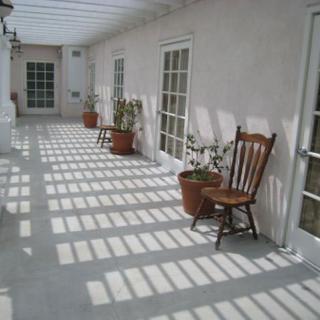
 Outdoor space
 Party space
 Private bathrooms
 Restaurant-style dining
 Security gate
 Small library
 Telephone
 Wellness center
 Wi-Fi/high-speed internet available
 Long Beach (Daugherty) (9 miles away)
 Community operated transportation
 12-16 hour nursing
 24-hour call system
 Activities of daily living assistance
 Assistance with bathing
 Assistance with dressing
 Assistance with transfers
 Diabetes diet
 Medication management
 Mental wellness program
 Physical therapy
 Special dietary restrictions
 Arts and crafts
 Book club
 Concierge services
 Cooking club
 Educational speakers / life long learning
 Games
Games Live musical performances
 Planned day trips
 Religious services
 English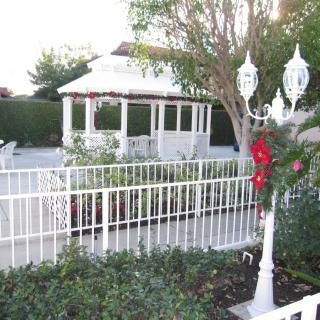





 How and When Medicaid May Cover Assisted Living Costs
 A Detailed Exploration of Assisted Living Medicaid Waivers Across the United States
 Comprehensive Residential Support and Assisted Living Solutions for Individuals with Disabilities