
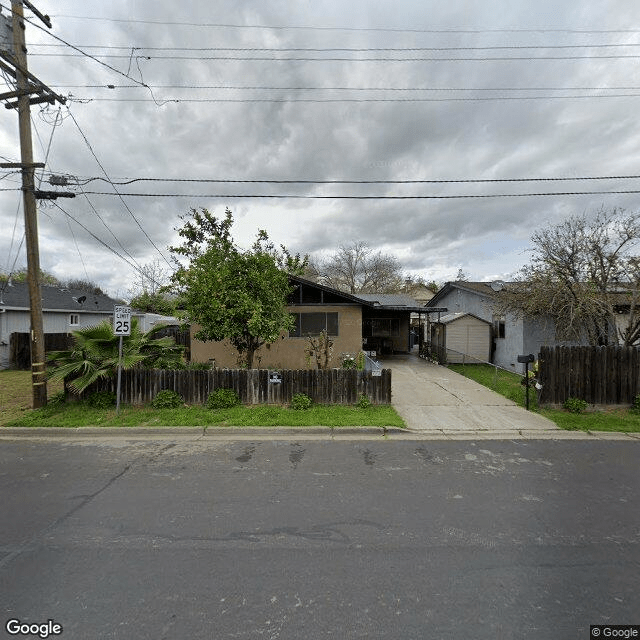
773 Sarah St, Brentwood, CA 94513
To contact a resident: (925) 634-4861
For more information about senior living options: (866) 208-4318
Overall Review of A & G Residential Care Home II
Cons
 There have been many bad experiences with this group home.
- The new owners, as of July 2016, are making things worse.
- The staff refuse to allow contact with the owners, hindering communication.
- Management and staff are not responsive to requests for contact or meetings to address problems.
Review
Best for families seeking a small, home-like residential care option in Brentwood that requires active family oversight and ongoing dialogue with ownership. A & G Residential Care Home II operates as a compact group home, where dependable governance matters as much as daily caregiving. The only documented experience cautions that ownership changed in 2016 and that the new operators have, in the reviewer’s view, not stabilized things. It notes staff resistance to letting families contact the owners, and suggests meetings to address problems are not being arranged. In this context, the setting can feel intimate and potentially attentive, but only if ownership remains accessible and responsive. Without that accountability, expectations for reliability and prompt issue resolution are unlikely to be met. This option demands sustained proactive involvement from families rather than passive occupancy.
Pros of the small-home model, in theory, include closer daily interactions between residents and caregivers and a tighter, more personalized routine. When governance is open, such environments can adapt quickly to preferences and changes in condition. The review’s focus on management gaps, however, shifts the balance away from those potential benefits. A home-like environment is not a substitute for visible leadership and a clear mechanism for family input. In the absence of cooperative ownership and transparent communication, the supposed advantages fail to materialize, leaving residents dependent on a filter that may or may not reflect actual care quality. The net effect is uncertain until leadership accessibility becomes reliable.
Main cons center on governance and communication. The history cited is tilted toward ownership turnover in 2016, followed by reports that the owners are not readily reachable. More troubling, staff or management are described as actively blocking direct contact with owners, and requests for a parent-level meeting to address problems were not accommodated. This fractures the essential feedback loop that protects residents and ensures care plans, medication management, and safety routines stay aligned with evolving needs. In practical terms, family members cannot verify responses to concerns or confirm that issues are being escalated appropriately. For seniors who require consistent oversight, this disconnect translates into heightened risk: delayed adjustments, unaddressed complaints, and a feeling of being managed by a system that resists accountability. Those conditions are incompatible with responsible care.
To navigate this, a disciplined evaluation process is warranted. Confirm current ownership and management structure, require direct contact with the owners, and insist on a formal, scheduled family meeting. Seek a documented grievance process and a track record of timely issue-resolution. Check licensing status and ask for recent inspection notes, then speak with current residents or their families about responsiveness. If ownership remains opaque or unresponsive, or if meetings cannot be arranged promptly, shift attention to facilities with transparent governance, open access to leadership, and proactive family communication. The Brentwood market offers options that can deliver reliable oversight without sacrificing the benefits of a home-like setting.
Ultimately, the cons outweigh the unproven pros here. The core problem, unreliable access to the owners and inconsistent governance, undercuts the trust and safety essential to senior care. Even with capable front-line staff, the absence of a clear path to escalate concerns or to obtain leadership accountability undermines care continuity. For families that value proactive problem-solving and constant reassurance that concerns are heard, this setting will feel risky. While a small home arrangement can be appealing, the governance gap is a deal-breaker unless verified improvements are demonstrated before any move, and with a firm plan to maintain open owner engagement.
Bottom line: this community is not a first-choice option for most Brentwood families seeking dependable oversight and transparent leadership. The decision hinges on securing accessible ownership and a responsive management team. Before considering admission, demand a formal meeting with the owners, a written plan for addressing concerns, and verifiable references. If those conditions cannot be met, direct attention to alternatives with proven governance structures and open, ongoing family engagement. The right match exists for those who insist on accountability and a clear ownership channel; for most others, there are safer paths in this market.
 Board and Care Home
 Small, personalized assisted living with 24-hour supervision, ADL support, care coordination, and tailored diabetes diet and medication management in a furnished setting with dining and outdoor amenities.
 Comprehensive Insights into Palliative Home Care: What It Is and What to Expect
 Skilled Nursing Facilities vs. Nursing Homes: Making Sense of the Differences
 A Detailed Examination of Nursing Home Costs Across the U.S.