
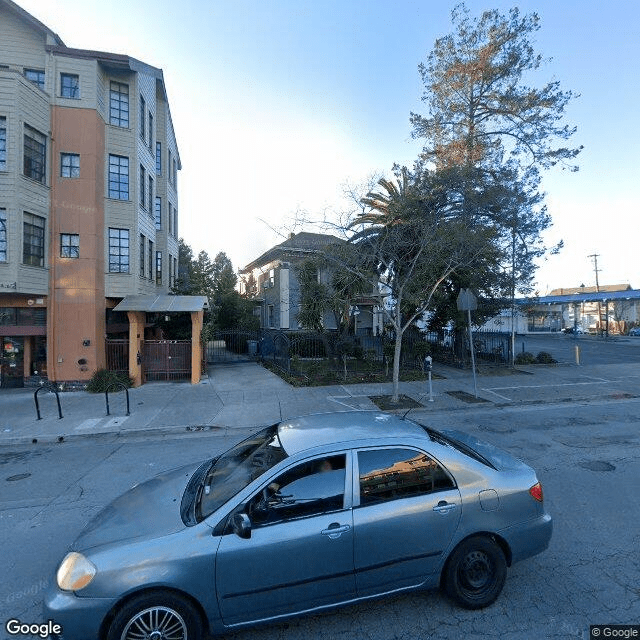
2614 Telegraph Ave, Berkeley, CA 94704
To contact a resident: (510) 548-6600
For more information about senior living options: (866) 208-4318
Overall Review of Agemark
Cons
 The reviewer claims HIPAA means nothing to the facility and calls them crooks.
- The reviewer accuses the facility of neglect.
- The reviewer states never to put a loved one in any facility of theirs.
- The reviewer warns others not to let loved ones near Agemark facilities.
Review
This community is best avoided by families who prize dependable safety, dignity, and transparent privacy protections for a loved one. Based on the available feedback, Agemark Berkeley is a poor fit for seniors who require reliable oversight, timely care, and respectful handling of private information. The strongest impression left by the data is a pattern of serious concerns around neglect and privacy, which quickly eclipse any potential benefits such as location or amenities. In practical terms, there isn’t a credible argument for placing a resident here if core expectations include consistent attention, clear communication, and a safe, private care environment. The few positive-sounding factors, like a familiar brand or basic apartment-style accommodations, do not withstand scrutiny when weighed against the reported experiences.
Explicitly, those considering alternatives should focus on facilities with demonstrable safety records and strong licensing histories. Families whose priorities include robust staffing, transparent incident reporting, and proactive care planning will want to look elsewhere. This means prioritizing facilities with accessible inspection summaries, verifiable staff-to-resident ratios, and a track record of responsive, accountable leadership. In Berkeley and surrounding communities, there are well-regarded options that publish clear metrics and invite prospective families to tour, review care plans, and speak with current residents or families. The takeaway is simple: when safety and privacy are non-negotiable, Agemark Berkeley does not measure up, and alternatives deserve priority consideration.
There are essentially no compelling, well-documented pros in the public feedback that clearly offset the major drawbacks. Price or location cannot compensate for reports of neglect or privacy concerns. Even if an aspect like affordability appears attractive in entry-level terms, the absence of trust and the risk of harm make any potential savings moot. In a decision framework, the equation is straightforward: if care quality and reliable protections for personal information are non-negotiable, the relationship costs here far exceed any perceived upside. The burden of proof rests on any claim of value, yet the available evidence provides no credible offset to the significant safety and privacy risks alleged by reviewers.
The core concerns deserve focused attention. The most troubling allegations touch on neglect, and on breaches of privacy that raise red flags about HIPAA-like protections and day-to-day resident rights. When a facility is perceived as failing to respond promptly, manage medications safely, or safeguard confidential information, families must treat it as a warning signal rather than a mere inconvenience. Regulatory credibility matters: ongoing licensing checks, inspection histories, and the facility’s willingness to share corrective action plans are non-negotiable data points. Prospective residents should demand current inspection summaries, clear staffing metrics, and documented incident follow-ups before even considering a tour. The absence of confidence in basic safeguards makes the decision straightforward.
A disciplined, action-oriented decision framework is essential. Begin with verifying state licensing status and recent inspection outcomes for Agemark Berkeley, then compare those results against stronger-performing local options. Prepare a concrete set of questions for any on-site visit: how quickly staff respond, how care plans are developed and updated, how privacy is protected in daily routines, and how families are kept informed about concerns or incidents. Request recent resident or family references and speak with multiple sources to assess consistency. If red flags persist, prioritize alternatives and schedule tours of facilities with transparent governance, robust staffing, and verifiable safety records. Always triangulate findings with independent inspection reports and licensing agency records.
The bottom line is decisive: with two negative reviews highlighting neglect and privacy concerns, Agemark Berkeley represents a high-risk choice for anyone who values consistent quality of care and strict privacy protections. The prudent course is to pursue alternatives that demonstrate reliable safety practices, clear accountability, and open communication with families. If exploring Agemark is unavoidable due to constraints, treat it as a last-resort option and proceed only after obtaining comprehensive, verifiable data, licensing status, inspection histories, staffing ratios, and documented care plans. In the end, the priority remains clear: protect the health, dignity, and private information of a loved one by selecting a community that proves, day in and day out, it will deliver reliable care and respectful treatment.
 Metropolitan Oakland International (10 miles away)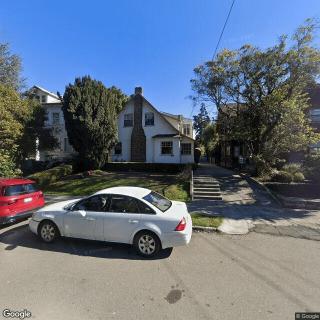
 Rich local amenities and healthcare access (pharmacies, physicians, hospitals, restaurants, parks, and transportation) nearby.




 Managing Nursing Home Expenses After Medicare Coverage Ends
 Is a Geriatric Care Manager the Right Choice for Your Family?
 Compassionate Conversations: How to Comfort Someone Who Is Grieving