
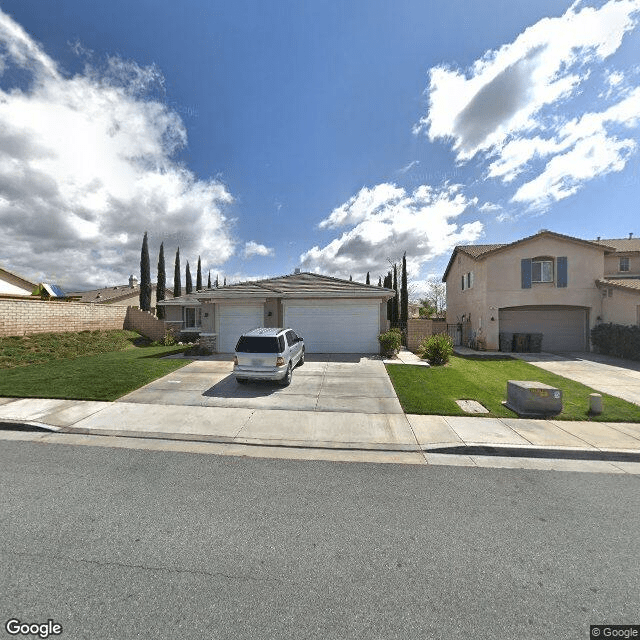
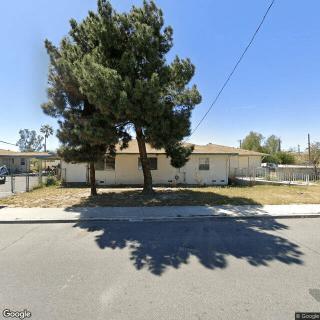
34 Emory Avenue, Beaumont, CA 92223
For more information about senior living options: (866) 208-4318
Emory Terrace Costs & Pricing
Emory Terrace offers competitive pricing for its residential options when compared to the broader landscape of Riverside County and California as a whole. For a semi-private room, residents can expect to pay $3,950 per month, which is notably higher than the county's average of $2,844 but slightly above the statewide average of $3,333. Similarly, the cost for a private room at Emory Terrace is set at $4,500, which surpasses both Riverside County's average of $3,474 and California's average of $3,939. While Emory Terrace's rates may be higher than those in its immediate county and state averages, they reflect the unique amenities and quality of care that this facility provides.
| Floor plans | Emory Terrace | Riverside County | California |
|---|---|---|---|
| Semi-Private | $3,950 | $2,844 | $3,333 |
| Private | $4,500 | $3,474 | $3,939 |
Memory care communities with a similar price nearby
-
from -$450 / mo
Starr Homecare
$3,500 to $4,500 / month23.7 miles away -
from +$300 / mo
Summerfield Memory Care Of Redlands
$4,250 to $7,195 / month16.8 miles away -
from -$200 / mo
Wellquest Of Menifee Lakes
$3,750 to $6,295 / month20.3 miles away -
About the same
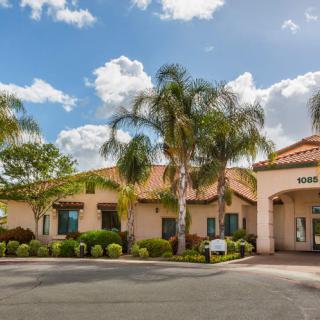
Brookdale Sunwest
$3,920 to $5,750 / month11.1 miles away -
from -$750 / mo
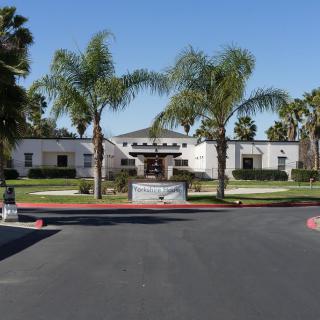
Yorkshire Village
$3,200 / month13.1 miles away
Overall Review of Emory Terrace
Pros
 Emory Terrace is located in a good neighborhood.
- Caregivers at Emory Terrace are dedicated.
- The family and their loved one have had a great experience with Emory Terrace.
- The staff at Emory Terrace are friendly, helpful, and attentive to residents.
- The family would recommend the community to others for their loved ones.
- The staff are easy to work with and sincerely focused on delivering the best care.
- The staff welcome visits at any time and maintain privacy and respect for all residents.
Cons
 The back yard needs some changes so that the residents can walk around or sit outside.
- The window curtains need to be fixed.
Review
Emory Terrace in Beaumont, California is best suited for seniors who want a compact, home-like assisted living option where daily care is attentive but unobtrusive. Families seeking a setting with a warm, neighborly feel will appreciate a community that feels more like a house than a campus. The ability to drop by with little notice, observe routines, and maintain privacy ensures that caregivers are accountable and responsive. In short, this is a pick for those who value personal attention, ease of visitation, and a quiet, respectful atmosphere over the grander amenities of larger communities. Potential residents should understand that the footprint is intimate, and outdoor space is modest but the neighborhood is solid.
Pros emerge most clearly in the caregiving dynamic. The core strength is the caregiving team, friendly, dedicated, and deeply engaged in watching over residents. Family members report staff who are easy to work with and sincerely interested in delivering the best possible care. The emphasis on privacy and respect is evident in how visits are handled and how care plans are communicated. With a layout that allows easy access for loved ones to observe day-to-day routines, the staff earns trust through consistency, responsiveness, and a willingness to accommodate special requests. This combination of warmth and accountability makes day-to-day life feel secure and straightforward for families.
Cons are modest but real. The physical setting has some gaps that matter to daily living. The back yard is limited, and improvements would let residents walk, sit, and enjoy outdoor time more safely and comfortably. Small upkeep items, such as window curtains, are noted as fixable but not critical. These are workable concerns rather than deal-breakers, and they reflect a community that could elevate its outdoor usability with modest investments.
Those positives offset the negatives in practical, tangible ways. The most reliable offset is the care team's reliability and the open, no-pressure visitation policy. Families can come at any time to check in, observe care in real time, and confirm that privacy standards are maintained. The intimate scale reduces impersonality, making staff more accountable and responsive. In practice, the high-touch attention and straightforward communication help compensate for the less expansive outdoor space and minor maintenance issues, preserving a sense of home and personal connection that many families prize.
Who should consider alternatives becomes a practical question for families with specific priorities. If a resident requires broader programming, more robust medical oversight, or a campus with extensive on-site amenities, alternatives may be a better fit. Those seeking more expansive outdoor recreation or a setting with larger common areas may prefer a community with a bigger footprint. For families where particular medical specialties or therapy options are central, it is essential to compare service offerings directly to ensure alignment with care needs.
Bottom-line guidance for decision-makers is clear. Emory Terrace offers a compelling blend of attentive care, privacy, and a home-like vibe that makes it a strong choice for seniors who prioritize individualized attention and easy visitation. To decide, visit at several times, observe staff interactions with residents, and request to see a sample care plan and daily routine. Inspect the outdoor area and discuss renovation timelines to gauge how soon improvements might occur. If the goals align with a calm, intimate setting and a dependable caregiving staff, Emory Terrace stands out; if not, it is prudent to explore other communities where outdoor space or programming more closely matches expectations.
 6 resident community capacity
 Assisted Living
 Board and Care Home
 Memory Care
 Cable or satellite TV
 Dining room
 Fully furnished
 Garden
 Housekeeping services
 Move-in coordination
 Outdoor space
 Private
 Telephone
 Wi-Fi/high-speed internet available
 24-hour supervision
 Activities of daily living assistance
 Assistance with bathing
 Assistance with dressing
 Assistance with transfers
 Diabetes diet
 Meal preparation and service
 Medication management
 Special dietary restrictions
 Transportation arrangement (medical)
 Transportation to doctors appointments



 Delving into the Inner World of Dementia: Insights into Thoughts and Awareness
 Five Subtle Dementia Indicators to Observe: An In-Depth Guide to Understanding “Does My Mom Have Dementia?”
 Dementia, Paranoia, and Caregiver Guidance: Understanding the Connection