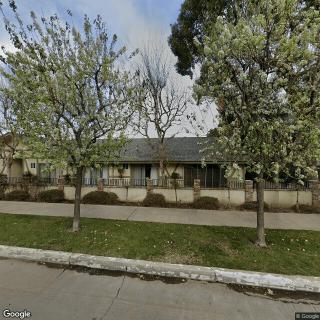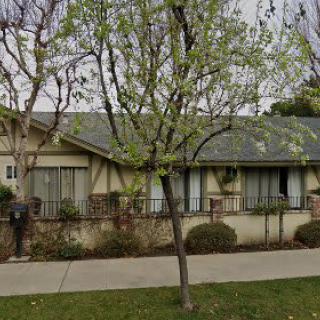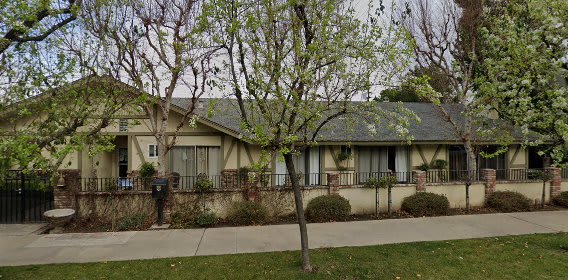
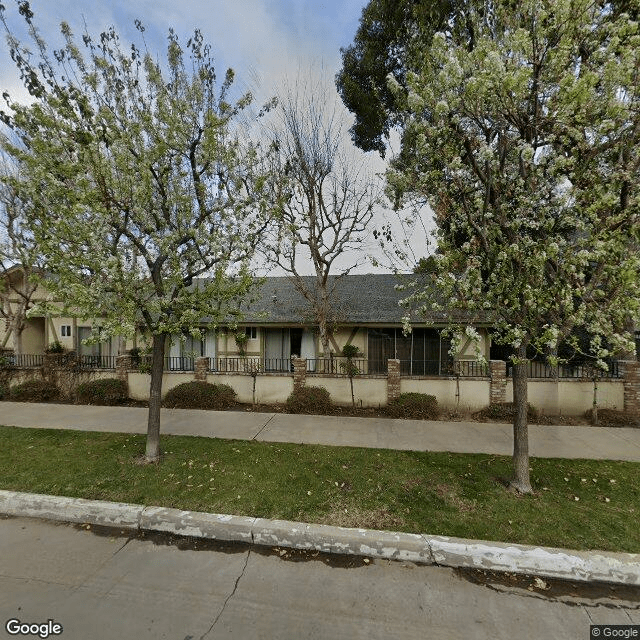
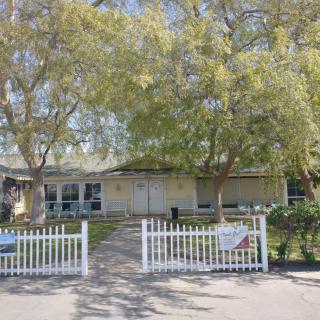
2228 Truxtun Avenue, Bakersfield, CA 93301
For more information about senior living options: (866) 208-4318
Westchester Gardens Costs & Pricing
At Westchester Gardens, the monthly costs reflect a thoughtful balance between quality care and competitive pricing. For a semi-private room, residents can expect to pay $3,500, which is notably higher than Kern County's average of $2,887 but aligns closely with California's statewide average of $3,333. Similarly, for those considering a studio apartment, the fee at Westchester Gardens is set at $4,000 - slightly below California's average of $4,145 yet higher than Kern County's typical rate of $3,509. These pricing structures indicate Westchester Gardens' commitment to providing exceptional services and amenities that may justify the premium in comparison to local options while still remaining competitive within the broader state context.
| Floor plans | Westchester Gardens | Kern County | California |
|---|---|---|---|
| Semi-Private | $3,500 | $2,887 | $3,333 |
| Studio | $4,000 | $3,509 | $4,145 |
Assisted Living communities with a similar price nearby
-
from +$200 / mo
Magnolia Place
$3,700 to $6,500 / month4.7 miles away -
from +$400 / mo

The Palms of San Lauren
$3,900 to $4,700 / month1.3 miles away -
from +$695 / mo
Ivy Park at Seven Oaks
$4,195 to $6,295 / month6.7 miles away -
from -$155 / mo

Brookdale Riverwalk
$3,345 to $6,495 / month4.9 miles away -
from -$685 / mo

Oak Manor Care Center
$2,815 / month5.2 miles away
Overall Review of Westchester Gardens
Pros
 The staff and office personnel are really nice.
- The place is overall a good place.
- The young ladies are extremely helpful and go out of their way to make guests' stays good.
- The facility is very nice.
- The staff members are well liked.
Cons
 They threatened that she would never get into another facility because she is in a wheelchair and violent.
- They didn't fill medications and delayed treatment of medical issues.
- They claimed they would tell any facility that called this information.
- The facility took complete advantage of the elderly woman and her stepfather who had to pay cash.
- The state had to be involved to remove her, and they threatened not to transfer her medications to the new facility.
- Once the state arrived, she was handed over and the family left.
- The receptionist was completely rude.
- Discrimination was the only thing she encountered when trying to work there.
Review
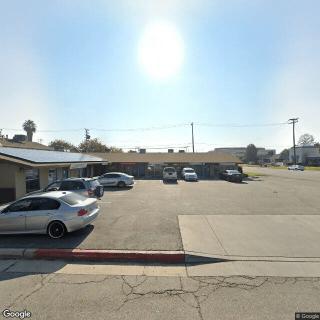
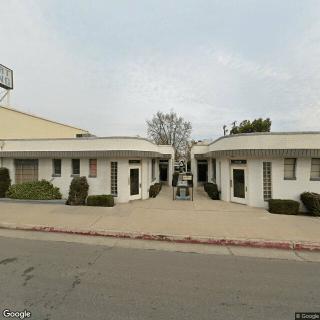
Westchester Gardens is best suited for seniors who want a warm, social, people-focused environment and require light to moderate assistance, with an emphasis on approachable staff and everyday practicality. The community appears to deliver a friendly, community vibe where residents and families report helpful front-office and care staff, and where daily life includes access to nutritious meals and engaging interactions. This is not a setting built for high-acuity medical needs or highly structured clinical oversight; rather, it is a place where companionship and approachable service can shine, particularly for residents who benefit from consistent, personable staff and a feeling of being part of a small, active community.
Those who may want to consider alternatives include residents with complex medical or behavioral challenges, or anyone who requires rigorous medication management and immediate, hospital-level response. Several reviews raise red flags about how medications are handled and about the risk of delays or gaps in treatment, sometimes coupled with threats around transferring medications during a transition. Families should be cautious if the resident is wheelchair-bound with ongoing aggressive or violent behaviors, or if the plan relies on external facilities to mediate care. The combination of an urban-hospital feel, reports of rude phone interactions, and allegations of discrimination creates a reliability gap that makes alternatives with stronger medical governance and clearer policies worth pursuing.
The strongest redeeming factors are the staff and the social atmosphere. Positive anecdotes highlight staff members who are described as helpful and genuinely caring, with office personnel perceived as pleasant and cooperative. In a setting where daily life hinges on routine and communication, this human warmth can meaningfully improve quality of life and reduce stress for both residents and family members. When paired with a sense of community, where peers and caregivers interact in a friendly, approachable manner, these qualities can offset some daily annoyances and create a workable, livable environment for residents who do not require intensive medical intervention.
Another notable plus is the perceived vitality of the facility’s daily life. Residents frequently remark on a lively, welcoming culture, and there is an emphasis on fresh food and plenty of vegetables, which suggests an attention to nutrition and overall wellness. Those who value a home-like, vibrant setting are likely to find Westchester Gardens appealing, especially if the resident enjoys social activities and informal routines that feel less clinical than a traditional nursing unit.
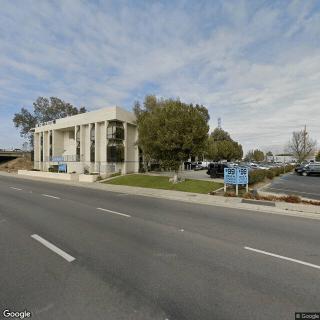
Yet the cons present a sober caveat. The description “a wing of hospital” captures a core tension: the environment can feel clinical and impersonal, which can undermine comfort for residents who crave independence or a more homelike ambiance. Mediation and medication management concerns are repeatedly cited, including troubling reports about delays, incomplete treatments, and even coercive tactics around transferring meds. The combination of a hospital-like setting with questionable medical oversight erodes trust and makes risk management a central comparison point for families evaluating options. In addition, rumors of discrimination and occasional rude interactions suggest inconsistencies in how residents are treated, which can be a decisive factor for families prioritizing dignity and fairness.
Ultimately, the decision hinges on whether the strengths align with the resident’s needs and risk tolerance. Westchester Gardens delivers warmth, social connectivity, and nutritious meals that can markedly improve daily life for many seniors with modest care requirements. However, the most serious red flags, potential medication mismanagement, a hospital-like atmosphere, and experiences of discrimination or rude interactions, cannot be dismissed, especially for residents with higher medical needs or behavioral risk. Families should pursue a rigorous due-diligence process: request recent medication handling policies, look for evidence of proactive clinical oversight, speak with multiple staff and residents, request a detailed care plan, and examine how staffing levels and incident reporting actually function day to day. If that due diligence reveals strong governance and dependable medical support, Westchester Gardens can be a solid fit. If not, alternatives with clearer medical oversight, stricter safety protocols, and a consistently respectful culture may offer more peace of mind.
 36 resident community capacity
 Assisted Living
 Activities off-site
 Beauty salon
 Cable or satellite TV
 Devotional services off-site
 Dining room
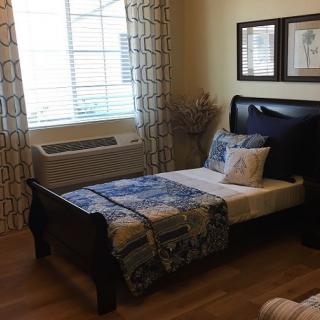
 Fully furnished
 Garden
 Ground floor units
 Handicap accessible
 Housekeeping services
 Indoor common areas
 Kitchenette
 Move-in coordination
 Outdoor common areas
 Restaurant-style dining
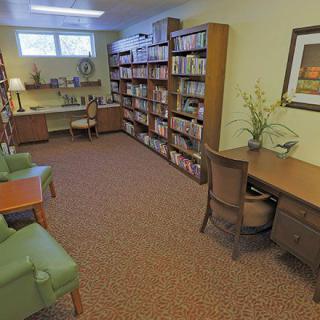
 Small library
 Telephone
 Wheelchair accessible showers
 Wi-Fi/high-speed internet available
 Meadows (4 miles away)
 24-hour call system
 Ambulatory care
 Assistance with bathing
 Assistance with dressing
 Assistance with transfers
 Diabetes diet
 Diabetic care
 Medication management
 Mental wellness program
 Special dietary restrictions
 BBQs or picnics
 Birthday parties
 Live dance or theater performances
 Live musical performances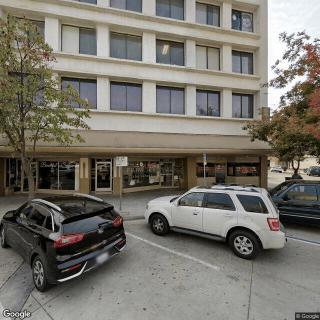

 An Extensive Exploration of the VA Aid and Attendance Benefit
 Senior Transition Services: Understanding Their Role, Cost, and Importance
 Exploring the Path to Senior Living: A Comprehensive Look at Independent Living and Assisted Living