
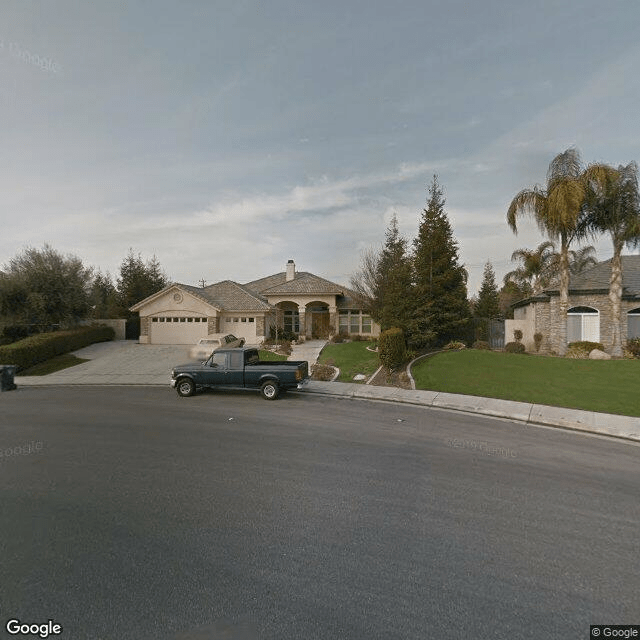
11910 Crockett Court, Bakersfield, CA 93312
To contact a resident: (661) 912-1588
For more information about senior living options: (866) 208-4318
Overall Review of Village Gardens
Pros
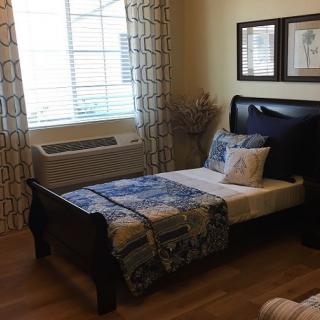
 The rooms were nicely appointed, well maintained, and mostly private.
 - The whole home was extremely clean.
- The staff were caring and attentive to residents’ welfare.
- The gardens were well-maintained and attractive, with a beautiful backyard and patios.
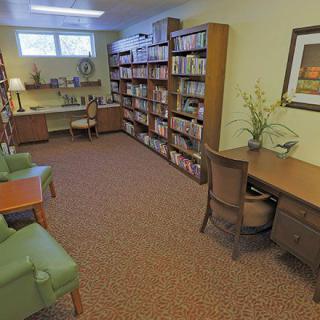
- The home offered a welcoming common room and a piano for residents to enjoy.
- They have a small dog that residents adore.
- They served healthy, tasty meals that residents enjoyed.
- They provided engaging activities, outings, and both group and individual exercise, and handled medications and refills.
- They arranged transportation to appointments and made holidays and birthdays special.
Review
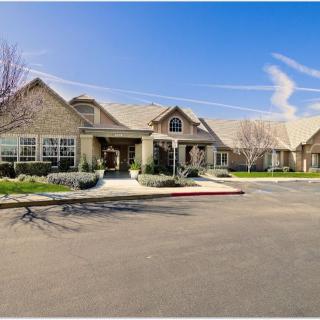
Village Gardens in Bakersfield, California, is best suited for families seeking an intimate, home-like setting where daily life centers on comfort, privacy, and steady, personal attention. The community operates as a small care home rather than a sprawling campus, and that scale translates into a calmer environment where residents are known by name and caregivers can respond quickly. The rooms are nicely appointed and well maintained, and the overall atmosphere is peaceful and clean. Outdoor spaces, the well-kept gardens, a sunny backyard, and inviting patios, offer residents chances to enjoy fresh air without leaving the home. This combination of homelike design, strong cleanliness, and staff readiness makes Village Gardens a natural fit for seniors who value quiet dignity over bustle.
For families whose priorities include a wide array of specialized medical services, a large activities calendar, or robust memory-care programming, alternatives may be preferable. Village Gardens emphasizes a gentle pace, social connection through a common room, and community outings, not a convention center of programming. Those needing extensive on-site nursing resources, multiple therapy options, or on-site providers with broad 24/7 coverage should compare larger campuses that can accommodate intensive medical monitoring and a broader network of clinicians. People seeking cost flexibility might appreciate the option of a shared room, which exists alongside mostly private accommodations, but if private space is non-negotiable, confirm pricing and availability upfront.
From the resident-facing perspective, the strongest advantages are evident on cleanliness and care quality. The home is spotless and impeccably maintained, with the private rooms generally offering privacy and comfort. A single shared room provides a lower-cost option without sacrificing the feeling of a secure, private environment for most residents. Gardens and outdoor spaces are attractive and usable, supporting physical activity and outdoor enjoyment. A well-appointed common room, a piano, and social animations help sustain a sense of community, while a resident-friendly dog adds everyday companionship. Staff stand out for warmth and responsiveness, with caregivers who monitor medications, coordinate refills, and arrange transportation to medical appointments when needed. Holidays and special occasions are celebrated with genuine effort.
These strengths counterbalance typical small-home tradeoffs by delivering personalized attention that larger facilities sometimes struggle to match. The intimate setting fosters consistent relationships with caregivers, which in turn reduces confusion and supports safer daily routines. Family members note that meds management is straightforward, and transportation is reliably provided, easing the burden of medical logistics. The downside, if any, is the potential limit on on-site medical depth or specialized services compared with bigger campuses; however, the demonstrated care continuity and activity offerings help mitigate this gap for most seniors. The rarity of turnover and the presence of a familiar staff team further offset concerns about wandering or relocation, making the community feel like a true home rather than a transient facility.
When evaluating Village Gardens, focus on how care plans are created and updated, how medications are administered, and how staff respond to requests. Confirm the ratio of caregivers to residents during peak hours, and ask about nursing coverage if medical needs could escalate. Inspect the dining experience for nutritional balance and taste, and verify the menu accommodates dietary restrictions. Explore the activity schedule to ensure there are opportunities for both group and individual engagements, and check the dog policy if pet interactions matter. Finally, discuss transportation logistics and the flexibility or limits of scheduling appointments, and verify the turn-key nature of holiday celebrations and family involvement.
For seniors and families prioritizing a warm, pristine, intimate environment with attentive care, Village Gardens delivers. The community excels when privacy, predictable routines, and a peaceful setting are non-negotiables, supported by capable staff who manage medications, meals, outings, and everyday tasks with genuine care. Those who place a premium on a broad array of on-site medical services, expansive programming, or a robust memory-care footprint should weigh alternatives against this proven, homelike option. The right match arises for families ready to embrace a small, high-quality home where staff know residents well, residents feel seen, and daily life feels comfortably familiar. In such cases, Village Gardens often proves to be the best possible bridge between independence and assisted living support.
 Board and Care Home
 Meadows (6 miles away)
 Comprehensive Look at Senior Blood Pressure Charts: Normal and Elevated Levels by Age
 Top Canine Companions for Older Adults
 Comprehensive Guide to Blood Pressure Charts for Older Adults: Understanding Normal and High Readings by Age