
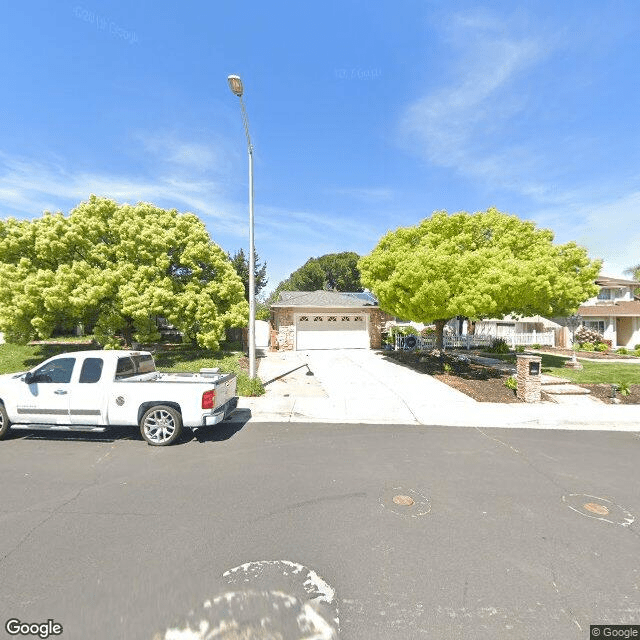
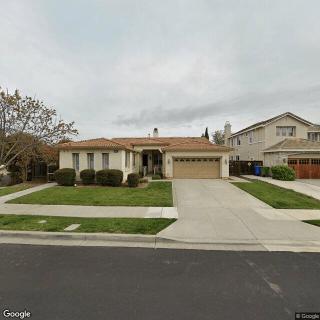
2308 Robles Drive, Antioch, CA 94509
For more information about senior living options: (866) 208-4318
Windrose Care Home Costs & Pricing
Windrose Care Home offers competitive pricing compared to both Contra Costa County and the broader California market. For semi-private rooms, Windrose charges $2,500 per month, significantly lower than the county average of $3,471 and the state average of $3,333. Similarly, for private rooms, the cost at Windrose is set at $3,000, which again undercuts both the county's average of $4,088 and California's average of $3,939. This strategic pricing positions Windrose Care Home as an attractive option for families seeking quality care without straining their budgets.
| Floor plans | Windrose Care Home | Contra Costa County | California |
|---|---|---|---|
| Semi-Private | $2,500 | $3,471 | $3,333 |
| Private | $3,000 | $4,088 | $3,939 |
Assisted Living communities with a similar price nearby
-
About the same
Brentwood Care Home
$2,500 to $4,000 / month7.0 miles away -
About the same
Village Golden Care Home
$2,500 to $3,800 / month21.0 miles away -
from -$315 / mo
Zannat Boarding Care
$2,185 to $5,800 / month3.7 miles away -
from +$495 / mo
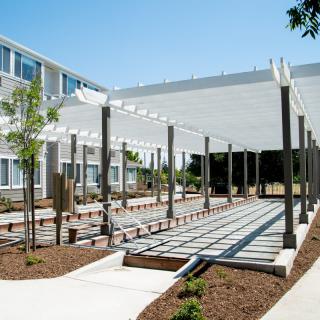
TreVista at Antioch
$2,995 to $5,995 / month1.5 miles away -
About the same
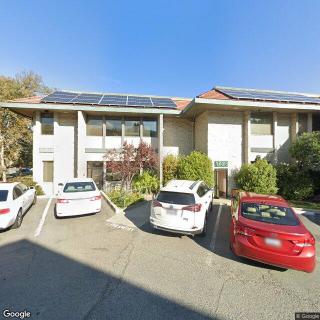
Sunrise of Danville Executive
$2,550 to $5,550 / month12.0 miles away
Overall Review of Windrose Care Home
Pros
 The staff are consistent.
- The staff have dementia care training and understanding.
- The administrator is professional and caring.
- The home is clean.
- Other elderly residents are responsive and happy.
- The residents like the food.
- The yard and setting are park-like.
- It is the best fit and location for Aunt.
Review
Windrose Care Home in Antioch is best suited for seniors who want a smaller, well-run assisted living that brings dementia-aware care into daily life. The community shines when stability and a homelike atmosphere matter most: staff consistently present with a calm, understanding approach to memory-related behaviors, and a professionally minded administrator overseeing operations. The home itself reads as clean and cared-for, with residents who appear engaged and content. The setting contributes to daily comfort, well-kept interiors paired with a park-like outdoor area that invites light activity and casual strolls. For families seeking a dependable, low-flare environment where routines are predictable and care feel trustworthy, Windrose stands out as a sensible match.
Those weighing alternatives should consider what happens when high-acuity medical needs or intensive clinical oversight become a priority. If a senior requires frequent skilled nursing, complex medical management, or a facility with a larger medical staff and specialized memory-care structures, Windrose may not be the most comprehensive solution. Similarly, families pursuing a broader activity calendar, more on-site services, or a campus with greater scale and resources could find other options more aligned with those expectations. In short, Windrose is ideal for steady, memory-friendly support, but not every situation calls for a small, intimate setting.
The strongest pro set rests on a consistently capable caregiving team and a leader who takes professional, compassionate responsibility for residents. Dementia-focused training within the staff translates into steady handling of daily challenges, reducing disruption for residents and easing family concerns about safety and dignity. Cleanliness underpins safe living and comfort, reinforcing trust that the environment supports well-being rather than detracting from it. When staff continuity meets a professional administrator, families gain a sense of accountability and reliable problem-solving, which matters deeply when daily rhythms depend on dependable supervision and timely communication.
Equally meaningful are the qualitative comforts that shape day-to-day life. Residents appear responsive, social, and content, indicating that the community succeeds at fostering a respectful, warm peer atmosphere. Meals are described as well-liked, an accessible indicator of nutrition and mood-boosting routines. The park-like yard and setting add an outdoor dimension to living that helps sustain independence and gentle activity, especially for residents who benefit from fresh air, sunlight, and simple outdoor time. Taken together, these positives create a resonant sense of home that supports emotional security, social connection, and overall quality of life.
For families evaluating Windrose against other options, the decision hinges on matching care intensity with personal priorities and budget. Those who prize caregiver consistency, dementia-aware practice, a clean, inviting home, and a pleasant outdoor environment should place Windrose high on the short list. If the goal is a facility with expansive medical services, broader activity programming, or cost structures that favor lower fees, alternatives may better satisfy those criteria. A practical next step is to schedule a thorough visit: observe staff interactions with residents, sample a meal, review the daily activity schedule, and ask blunt questions about nursing coverage, emergency protocols, and how memory-related behaviors are managed in real time.
In sum, Windrose Care Home emerges as a compelling choice for seniors who require steady, compassionate dementia-informed support within a small, welcoming setting. It serves best when proximity to family, predictability, and a homelike routine top the list of priorities. For families whose loved one thrives on routine, consistent staff, and a serene environment, Windrose is not only suitable, it is a strong, credible option to advance with confidence. Those convinced by these attributes should arrange a visit promptly and compare Windrose with a few other communities to ensure the balance of care, amenities, and cost aligns with long-term goals.
 6 resident community capacity
 Assisted Living
 Board and Care Home
 Activities off-site
 Cable or satellite TV
 Dining room
 Fully furnished
 Garden
 Housekeeping services
 Move-in coordination
 Outdoor space
 Private
 Telephone
 Wi-Fi/high-speed internet available
 24-hour supervision
 Ambulatory care
 Assistance with bathing
 Assistance with dressing
 Assistance with transfers
 Diabetes diet
 Diabetic care
 Incontinence care
 Meal preparation and service
 Medication management
 Special dietary restrictions
 Transportation arrangement (medical)
 Transportation to doctors appointments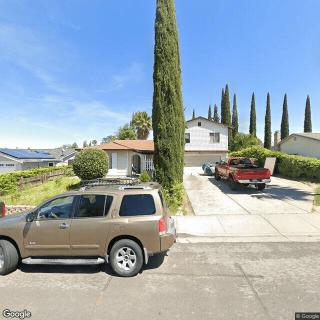

 8 Key Indicators That Suggest It May Be Time to Transition from Assisted Living to Skilled Nursing Care
 Vibrant Senior Living: A Comprehensive Guide for Active Older Adults
 When to Transition from Assisted Living to Memory Care: Key Indicators, Steps, and Finding the Right Community