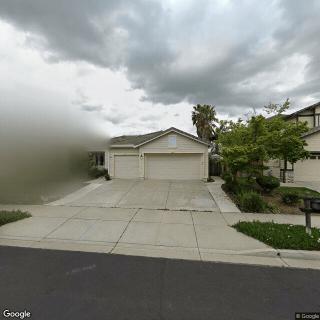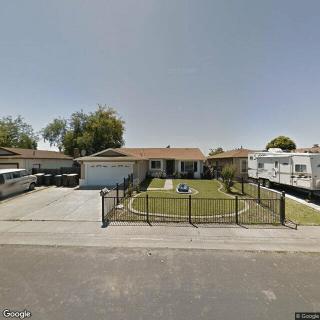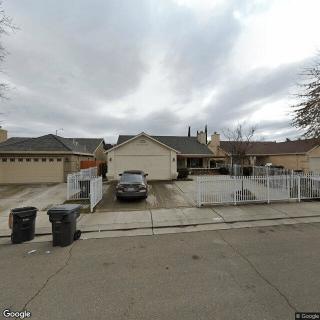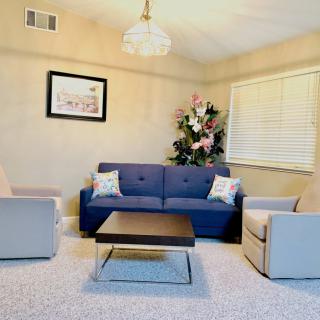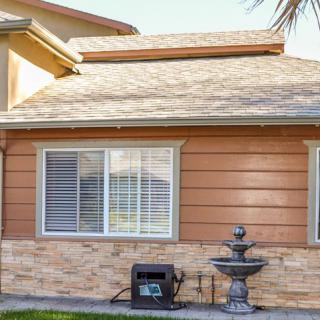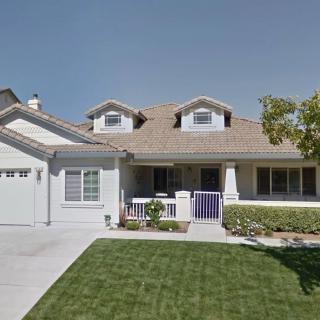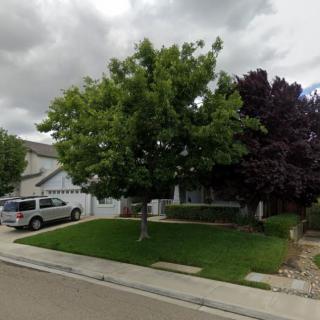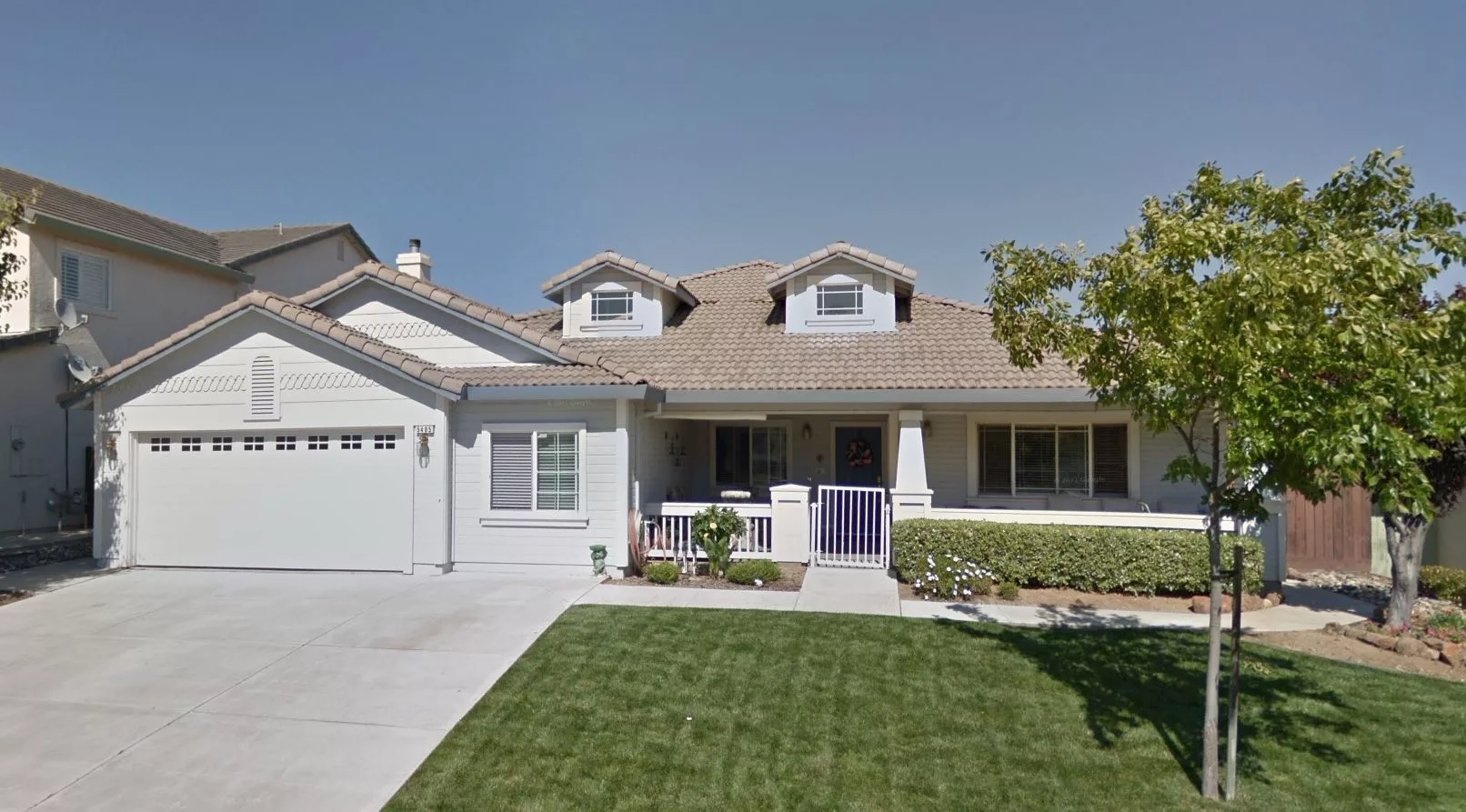
Tuscan Blue II in Antioch, CA

Save

Tuscan Blue II in Antioch, CA

5405 Mojave Way, Antioch, CA 94531

For more information about senior living options: (844) 490-3973

4 from 2 reviews
Assisted Living Board and Care Home

Tuscan Blue II Costs & Pricing

Tuscan Blue II offers competitive pricing in comparison to the broader market within Contra Costa County and California. For semi-private accommodations, Tuscan Blue II is priced at $2,200 per month, which is significantly lower than the county average of $3,471 and the state average of $3,333. Similarly, for private rooms, Tuscan Blue II's rate of $3,000 is more affordable than both the county's average of $4,088 and California's statewide rate of $3,939. This strategic pricing positions Tuscan Blue II as an attractive option for those seeking quality care without compromising their budget amidst rising costs in the surrounding areas.

Floor plansTuscan Blue IIContra Costa CountyCalifornia
Semi-Private$2,200$3,471$3,333
Private$3,000$4,088$3,939

What level of care are you interested in?

Assisted Living

Memory Care

Independent Living

Skilled Nursing Facility

Continuing Care Retirement Community (CCRC)CCRC

Other


Request a tour at Tuscan Blue II

    Overall Review of Tuscan Blue II

    Pros

    • pro The facility is clean, warm, and inviting.
    • pro The staff immediately began caring for the mother.
    • pro Texts and photo reports kept the family informed about her settling in.
    • pro The management arranged guard rails and an alarm sensor for the mother's bed.
    • pro A spare wheelchair was provided for the mother until a replacement could be purchased.
    • pro The reviewer expresses strong satisfaction and would have rated five stars.

    Review

    Tuscan Blue II in Antioch is best suited for families seeking a smaller, hands-on living environment where care is responsive and communication remains constant. The setting appeals to relatives whose loved one recently required more supervision than a large campus typically provides, yet does not demand hospital-level intensity. A clean, warm, inviting atmosphere matters, and the available accounts consistently emphasize that staff immediately engages with residents and begins care without delay. For families that prize prompt updates, the ability to receive texts and photo reports, and visible safety precautions in the room, Tuscan Blue II offers a reassuring match.

    Alternatives should be considered for residents with very high medical acuity or those chasing a broader slate of activities and social programs offered by larger communities. If the goal is continuous, round-the-clock skilled nursing, complex wound care, or long-term management of multiple chronic conditions, other facilities with bigger care teams may be preferable. Similarly, a family seeking a longer track record of consistent operations, or a campus with a more expansive calendar of events and resident-led programs, might find a different community more satisfying. In short, Tuscan Blue II is strong where responsiveness and safety scaffolding are the priority; places with deeper medical capability or different programming may outperform it on those axes.

    From the reviews, the strongest pros are evident: a clean, welcoming environment and an immediate, attentive care response. The staff's willingness to start caring right away, coupled with proactive family communication via texts and photo reports, reduces anxiety for caregivers managing transitions. Safety-conscious measures - guard rails, bed alarms, and even the practical provision of a spare wheelchair - demonstrate a readiness to adapt quickly to a resident's needs. The main caveat is the brevity of experience; with only a short window since admission, long-term consistency cannot yet be judged. A four-star rating reflects promising beginnings but signals that outcomes over weeks and months remain unproven. The real test will be whether these early signals persist as the routine stabilizes.

    Families evaluating Tuscan Blue II should push for clarity on ongoing expectations. Ask about caregiver-to-resident ratios, shift coverage, and how often updates appear in real time. Confirm whether the bed safety features and equipment stay deployed consistently and whether the facility can accommodate evolving medical needs without transitioning to a higher-acuity setting. Also probe what happens if care needs intensify or if a preferred wheelchair becomes unavailable; the willingness to provide temporary equipment speaks well, but consistency matters. In addition, gather specifics on daily routine, medication management, meals, and transportation options to ensure alignment with the resident's preferences and the family's logistics.

    Visitation style matters as much as the written promises. A longer, unhurried visit will reveal how staff interact with residents: whether cues are noticed promptly, whether residents seem engaged, and whether the environment supports privacy and dignity. The reviews suggest a community that communicates openly and treats safety as a priority; validating that impression with independent observation and direct questions will help families assess fit. Also examine the overall atmosphere: is the pace calm, the noise level reasonable, and the dining and living areas comfortable? These tangible details often predict whether the move from a larger facility will feel truly seamless for a loved one.

    Bottom line: Tuscan Blue II is a credible option for families seeking a smaller, safety-forward setting where care begins immediately and updates are transparent. It is best suited for residents who require more attentive oversight than a large campus typically offers but do not yet require the depth of services found in high-acuity skilled-nursing environments. Those with very high medical complexity or a preference for a robust, program-rich calendar should consider alternatives with a longer track record in those domains. With careful due diligence - longer visits, explicit questions about staffing, and a concrete plan for evolving needs - Tuscan Blue II can be a confident, well-matched choice.

    Features

    Housing

    • 6 resident community capacity 6 resident community capacity

    Types of Care

    • Assisted Living Assisted LivingAssisted living facilities provide crucial support and care for seniors who may need help with daily tasks such as medication management, bathing, and meal preparation. These communities offer a safe and comfortable environment where seniors can maintain their independence while receiving the assistance they need to thrive in their golden years.
    • Board and Care Home Board and Care HomeBoard and care homes provide a smaller, more intimate setting for seniors who require assistance with daily tasks but do not need the level of care offered by a nursing home. They offer personalized care, meals, and social activities in a homelike environment, ensuring that seniors receive individualized attention and support in their golden years.

    Amenities

    • Cable or satellite TV Cable or satellite TVCable or satellite TV is important for seniors because it provides entertainment, news, and companionship, helping to combat loneliness and boredom. It also offers a wide range of programming options tailored to different interests and preferences.
    • Dining room Dining roomDining rooms are important for seniors as they provide a space for socialization, connection, and nutritious meals. They offer opportunities for residents to bond over shared meals, foster a sense of community, and promote healthy eating habits. Dining rooms also ensure that seniors have access to well-balanced meals tailored to their dietary needs and preferences.
    • Fully furnished Fully furnishedFully furnished senior living communities are important for seniors because they provide convenience, comfort, and a hassle-free moving experience. Seniors can easily settle into their new living space without the stress of having to buy and move furniture. This allows them to focus on enjoying their new home and community.
    • Garden GardenGardens are important for seniors as they provide a peaceful and therapeutic environment for relaxation, physical activity, and socialization. Being in nature has been shown to reduce stress, improve mood, and promote overall well-being. Gardens also offer opportunities for seniors to engage in gardening activities, which can improve mobility, flexibility, and cognitive function. Additionally, gardens create a sense of community and connection with others who share a passion for plants and outdoor spaces.
    • Housekeeping services Housekeeping servicesHousekeeping services are important for seniors because they help maintain a clean and safe living environment, promote independence, and reduce the risk of accidents or illnesses. Additionally, having assistance with household chores can alleviate physical strain and allow seniors to focus on other aspects of their well-being.
    • Move-in coordination Move-in coordinationMove-in coordination is important for seniors because it helps ease the transition into their new living environment. It ensures that all logistics, such as packing, organizing movers, and setting up utilities are taken care of, allowing seniors to focus on settling in and adjusting to their new home. Having a smooth move-in process can alleviate stress and anxiety, making the transition smoother and more enjoyable for seniors.
    • Outdoor space Outdoor spaceOutdoor spaces are important for seniors as they provide opportunities for physical activity, social interaction, exposure to natural light and fresh air, and a sense of connection to nature. Having access to outdoor spaces can improve overall well-being and quality of life for older adults living in senior communities.
    • Private PrivatePrivacy is important for seniors as it allows them to maintain their independence, dignity, and sense of control over their own lives. It also gives them the space and freedom to relax, reflect, and engage in activities that bring them joy and fulfillment. Creating private spaces within senior living facilities is crucial for promoting overall well-being and quality of life.
    • Telephone TelephoneTelephones are important for seniors as they provide a lifeline for communication with loved ones, emergency services, and healthcare providers. They offer a sense of security and independence, enabling seniors to stay connected and access assistance when needed.
    • Wi-Fi/high-speed internet available Wi-Fi/high-speed internet availableWi-Fi/high-speed internet is important for seniors to stay connected with loved ones, access online resources, and participate in virtual activities to combat feelings of loneliness and isolation. It also allows them to easily manage healthcare needs, access entertainment, and engage in lifelong learning opportunities.

    Care Services

    • 24-hour supervision 24-hour supervision24-hour supervision is important for seniors to ensure their safety, well-being, and access to immediate assistance in case of emergencies or health issues. This constant support provides peace of mind for both seniors and their loved ones, allowing them to age in place with dignity and security.
    • Activities of daily living assistance Activities of daily living assistanceActivities of daily living assistance are important for seniors because they provide essential support with tasks such as eating, bathing, dressing, and mobility. This assistance helps seniors maintain their independence, dignity, and overall quality of life as they age.
    • Assistance with bathing Assistance with bathingAssistance with bathing is crucial for seniors as it helps maintain personal hygiene, prevents infections, and ensures their overall well-being and comfort. It also provides a sense of dignity and independence for seniors who may struggle with this task on their own.
    • Assistance with dressing Assistance with dressingAssistance with dressing is important for seniors because it helps maintain their independence, promotes personal hygiene, prevents accidents and injuries, and improves overall quality of life. This service ensures that seniors can continue to dress comfortably and confidently, despite any physical limitations they may have.
    • Assistance with transfers Assistance with transfersAssistance with transfers is crucial for seniors as it helps prevent falls and injuries, maintains their independence, and ensures they can safely navigate their living environment. It also provides peace of mind for both seniors and their loved ones.
    • Coordination with health care providers Coordination with health care providersCoordination with health care providers is crucial for seniors to ensure proper medical care, medication management, and overall well-being. This collaboration helps prevent overlapping treatments, track progress more effectively, and provide comprehensive support tailored to individual needs.
    • Diabetes diet Diabetes dietA diabetes diet is crucial for seniors as it helps manage blood sugar levels, reduce risks of complications, and improve overall health and well-being. By following a balanced and nutritious diet tailored to their specific needs, seniors can better control their diabetes and enhance their quality of life.
    • Meal preparation and service Meal preparation and serviceMeal preparation and service are crucial for seniors as they may have limited mobility or energy to cook nutritious meals. Having access to healthy and convenient food options can ensure they are getting the proper nutrition needed to maintain their overall health and well-being.
    • Medication management Medication managementMedication management is crucial for seniors to ensure they are taking the right medications at the correct dosages and times. This helps prevent adverse drug interactions, reduces the risk of medication errors, and promotes overall health and well-being. Proactive management also allows for adjustments as needed based on changing health conditions or new prescriptions.
    • Special dietary restrictions Special dietary restrictionsSpecial dietary restrictions are important for seniors because age-related changes in metabolism and health conditions can make it difficult for their bodies to process certain foods. By following a diet tailored to their specific needs, seniors can maintain their overall health and well-being, manage chronic conditions, and reduce the risk of complications such as malnutrition or food interactions with medications.
    • Transportation arrangement (medical) Transportation arrangement (medical)Transportation arrangements for medical purposes are essential for seniors as they may have difficulty driving themselves to appointments or accessing public transportation. Having reliable and safe transportation options ensures that seniors can receive timely medical care and maintain their health and well-being.
    • Transportation to doctors appointments Transportation to doctors appointmentsTransportation to doctors' appointments is crucial for seniors as it ensures they have access to necessary medical care and support for their health needs. Without reliable transportation, seniors may struggle to attend important appointments, leading to potential delays in treatment and health complications. Providing transportation services helps seniors maintain their overall well-being and quality of life.
    Dining

    • Diabetes diet Diabetes dietA diabetes diet is crucial for seniors as it helps manage blood sugar levels, reduce risks of complications, and improve overall health and well-being. By following a balanced and nutritious diet tailored to their specific needs, seniors can better control their diabetes and enhance their quality of life.
    • Special dietary restrictions Special dietary restrictionsSpecial dietary restrictions are important for seniors because age-related changes in metabolism and health conditions can make it difficult for their bodies to process certain foods. By following a diet tailored to their specific needs, seniors can maintain their overall health and well-being, manage chronic conditions, and reduce the risk of complications such as malnutrition or food interactions with medications.

    Activities

    • Community-sponsored activities Community-sponsored activitiesCommunity-sponsored activities are important for seniors as they provide opportunities for social interaction, mental stimulation, and physical activity. These activities can help improve overall well-being, combat loneliness and isolation, and promote a sense of belonging and purpose among older adults.
    • Scheduled daily activities Scheduled daily activitiesScheduled daily activities are important for seniors because they provide structure, socialization, mental stimulation, and physical activity. Engaging in regular activities can improve overall well-being and quality of life for seniors living in a community setting.

    Description

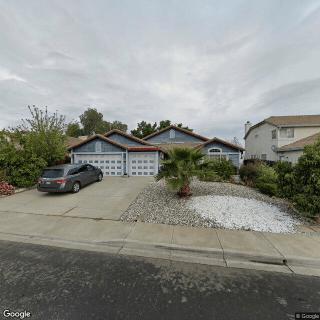
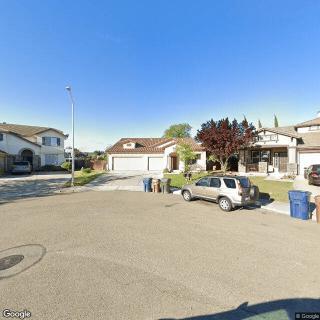
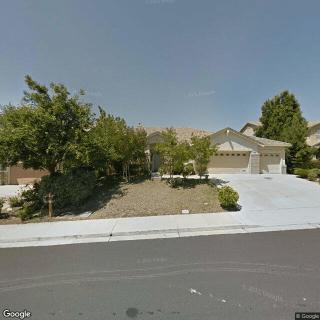
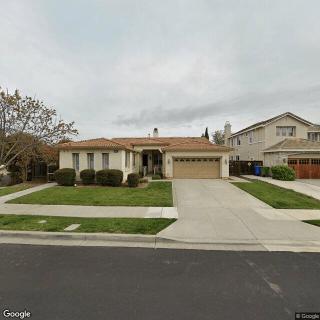
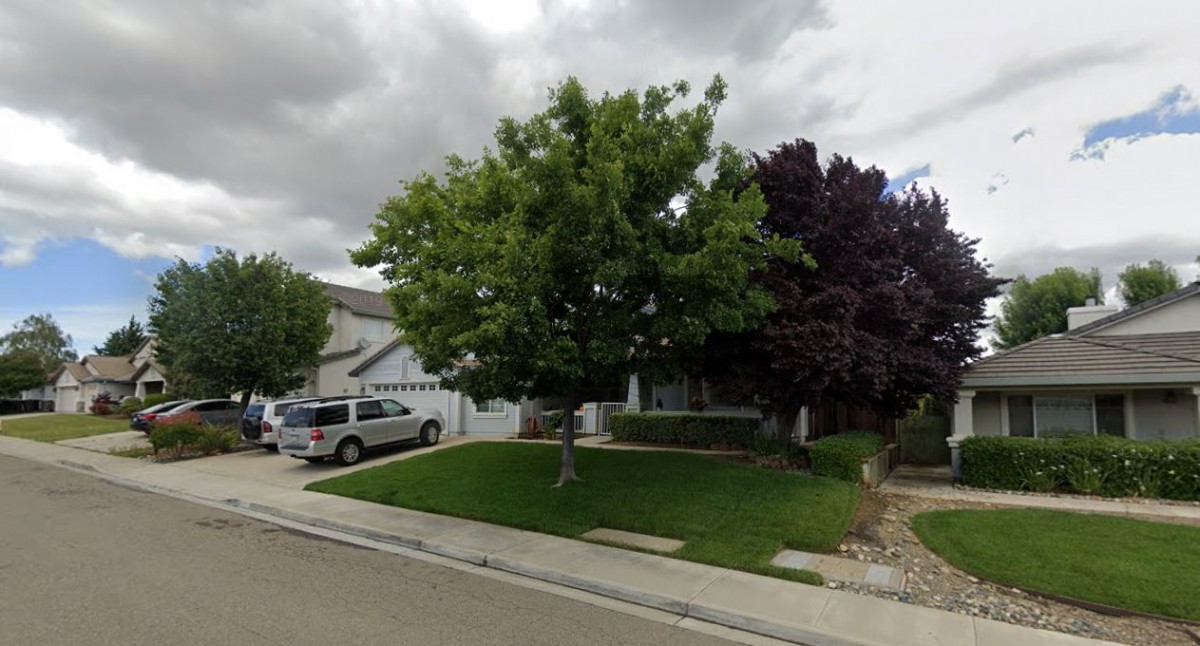
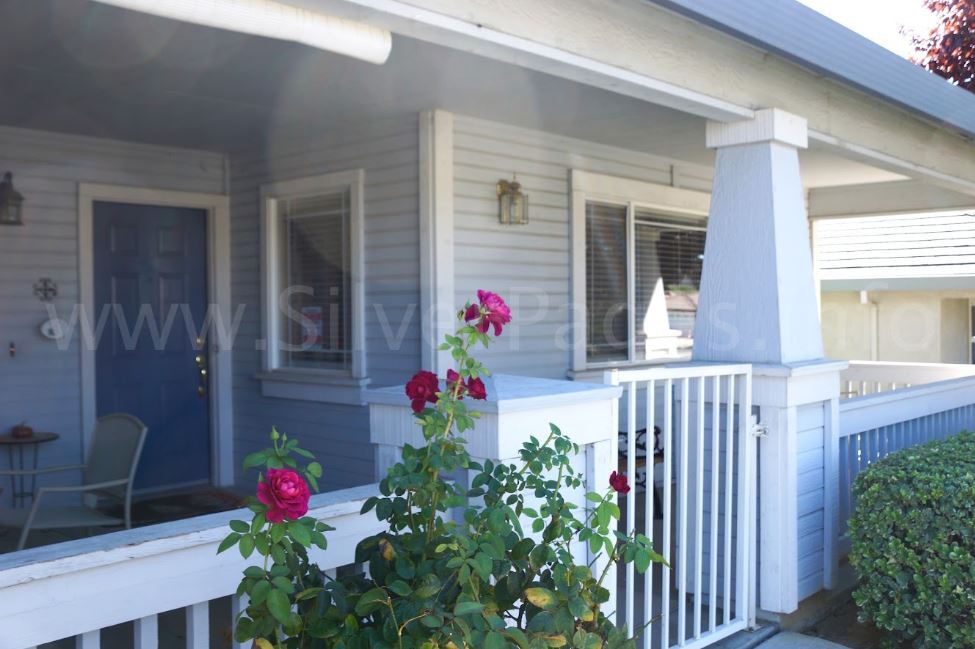
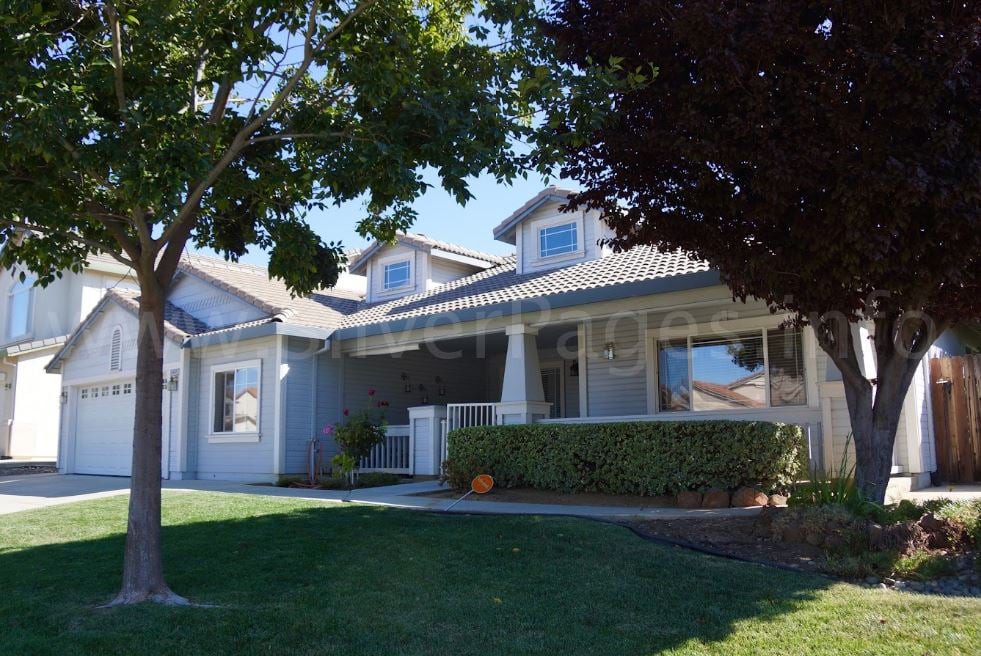
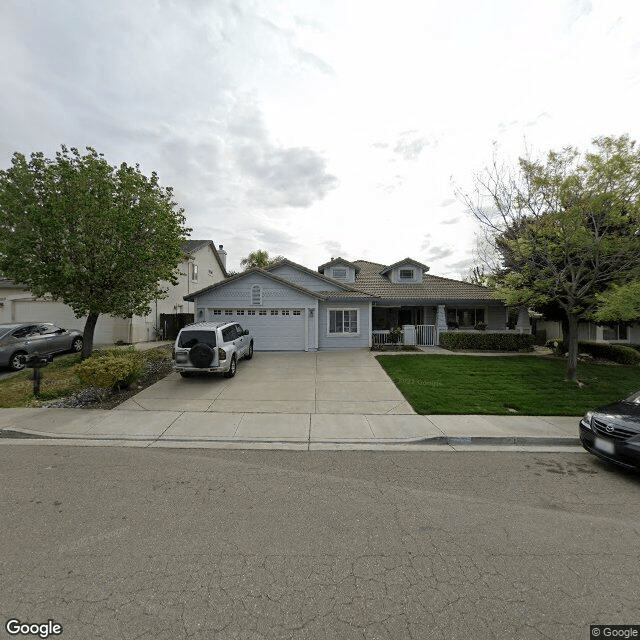
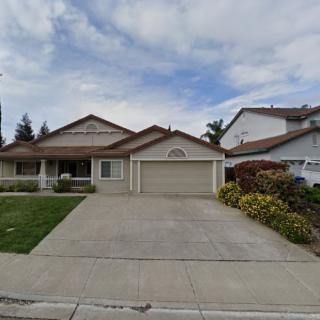
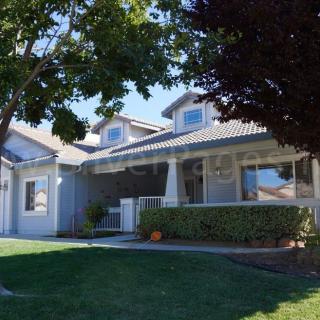
    Tuscan Blue II is an exceptional board and care home located in Antioch, CA. Our community offers a comfortable and cozy environment for seniors seeking assistance with their daily living activities.

    Residents at Tuscan Blue II enjoy a variety of amenities that make their stay convenient and enjoyable. Our dining room provides delicious meals prepared by our experienced staff to cater to special dietary restrictions. The home is fully furnished, ensuring that residents feel right at home from the moment they arrive.

    Our beautiful garden and outdoor spaces provide opportunities for relaxation, fresh air, and enjoying nature. Housekeeping services are available to maintain a clean and organized living environment for our residents. Wi-Fi/high-speed internet access keeps our residents connected with loved ones and the wider world.

    At Tuscan Blue II, we provide comprehensive care services tailored to meet the unique needs of each resident. Assistance with activities of daily living, such as bathing, dressing, and transfers, is readily available from our compassionate staff. We coordinate with health care providers to ensure that residents receive appropriate medical attention.

    Our team is experienced in managing diabetes diets and can assist with medication management. We also offer special dietary restrictions to accommodate individual preferences or medical conditions. Transportation arrangements can be made for medical appointments, ensuring that residents have easy access to necessary healthcare services.

    In addition to our exceptional care services, we offer scheduled daily activities designed to enhance social interaction and engagement among our residents.

    Our location in Antioch provides easy access to various amenities within close proximity. There are numerous cafes, parks, pharmacies, physicians, restaurants nearby for recreational activities or quick errands. Additionally, transportation options are available for those who wish to visit places of worship or theaters in the area.

    At Tuscan Blue II in Antioch, CA, we strive to create a warm and inviting atmosphere where seniors can receive personalized care while maintaining their independence and enjoying an active lifestyle within a vibrant community setting.

    Nearby Places of Interest

    This part of Antioch, California, offers a convenient location with easy access to essential amenities such as hospitals, pharmacies, restaurants, cafes, parks, theaters, physicians' offices, transportation options like the Antioch Bart Station and places of worship. With multiple healthcare facilities nearby, including Kaiser Permanente and John Muir Brentwood hospitals, residents can feel assured about their medical needs. The variety of dining options ranging from fast food to ethnic cuisine provides a diverse culinary experience. Additionally, the proximity to parks and recreational spaces like Country Manor Park and Antioch Community Park offers opportunities for outdoor activities and relaxation. Overall, this area provides a well-rounded community for senior living with a range of services and conveniences within reach.

    Hospitals

    • Kaiser Permanente (0.3 miles)
    • John Muir Brentwood (3 miles)
    • Children's Hospital & Research Center Oakland (4.1 miles)
    • Davita Kidney Care (4.8 miles)

    Pharmacies

    • Kaiser Permanente Oncology Pharmacy (0.3 miles)
    • Rite Aid (1.6 miles)
    • CVS Pharmacy (2.3 miles)
    • Walgreens (2.3 miles)
    • Walgreens (2.8 miles)
    • CVS Pharmacy (3.5 miles)
    • Rite Aid (3.7 miles)

    Restaurants

    • Denny's (0.6 miles)
    • Jack In The Box (0.7 miles)
    • In-N-Out Burger (1.4 miles)
    • Wendy's (1.8 miles)
    • Da Nang Tourane Vietnamese (1.9 miles)
    • BJ's Restaurant & Brewhouse (2 miles)
    • Chili's Grill & Bar (2 miles)

    Cafes

    • T4 Antioch (0.8 miles)
    • Starbucks (2.1 miles)
    • Panera Bread (2.2 miles)
    • Starbucks (2.3 miles)
    • Togo's (2.7 miles)
    • Dutch Bros Coffee (3.7 miles)
    • Starbucks (4 miles)

    Parks

    • Canada Valley Dog Run (1.5 miles)
    • Country Manor Park (1.6 miles)
    • Dallas Ranch Park (1.6 miles)
    • King Park (2.9 miles)
    • Crockett Park (3 miles)
    • Antioch Community Park (3 miles)
    • Creekside Park Playground (4 miles)

    Theaters

    • AMC Brentwood 14 (1.9 miles)

    Physicians

    • Eye to Eye Optometry Group (2 miles)
    • Vipul Gupta, M.D., MPH (2.1 miles)
    • Ashul Govil, M.D., MBA (2.1 miles)
    • Sutter East Bay Medical Foundation (2.1 miles)
    • Gulmohor Roy, MD (2.1 miles)
    • John Muir Medical Group (2.2 miles)
    • Ronald L Leon MD (2.2 miles)

    Transportation

    • Antioch Bart Station (2.8 miles)
    • Antioch-Pittsburg Station (ACA) (4.9 miles)

    Places of Worship

    • Immaculate Heart of Mary Church (3.1 miles)

    Frequently Asked Questions

    How much does it cost to live at Tuscan Blue II in Antioch, CA?
    Where is Tuscan Blue II?
    What photos are available for Tuscan Blue II in Antioch, California?

    Nearby Communities

    • Kalynna Home

      Kalynna Home

      Antioch, CA


      pro Small, personalized board-and-care with 24-hour supervision and meals.

    • Zannat Boarding Care

      Zannat Boarding Care

      Antioch, CA

      4.7 from 16 reviews
      $2,185 to $5,800 / month

      pro Family-like staff with strong communication and a clean, safe environment.

    • Deer Valley Manor

      Deer Valley Manor

      Antioch, CA

       
      $1,700 to $2,500 / month

      pro Small, homelike setting with personalized care and lower costs than county/state averages.

    • Magnolia Guest Home Antioch

      Magnolia Guest Home Antioch

      Antioch, CA


      pro Intimate, small-scale setting with personalized care and engaging activities

    • Scienn Hail Home Care

      Scienn Hail Home Care

      Antioch, CA

      1 from 2 reviews
       

      pro Vibrant setting with ample nearby amenities and potential for greater resident engagement.

    • Sheila's Crystal Care Home II

      Sheila's Crystal Care Home II

      Antioch, CA

       
      $3,000 / month

      pro Affordable private room ($3,000/mo) vs county/state averages; private bathrooms plus diabetic/incontinence care; on-site/off-site devotional services.

    • Golden Nest Assisted Living

      Golden Nest Assisted Living

      Brentwood, CA

      4.6 from 31 reviews
      $4,000 to $5,000 / month

      pro Friendly, caring staff and engaging on-site activities.

    • Cathedral Care Home

      Cathedral Care Home

      Brentwood, CA


      pro Small, intimate community with comprehensive care and amenities.

    • Welcome Home Senior Residence(Concord)

      Welcome Home Senior Residence(Concord)

      Concord, CA

      4.4 from 5 reviews
      $7,000 to $8,000 / month

      pro Friendly, attentive staff in a clean, well-run facility with comprehensive on-site care options.

    Related Resources

    • active senior livingVibrant Senior Living: A Comprehensive Guide for Active Older Adults

      Vibrant Senior Living emphasizes active senior living communities that promote independence and engagement through diverse amenities and activities, fostering wellness and social interaction among older adults. These communities range from independent to assisted living, with a focus on personal growth, family involvement, financial planning, and leveraging technology to enhance residents' experiences.

    • when to move from assisted living to memory careWhen to Transition from Assisted Living to Memory Care: Key Indicators, Steps, and Finding the Right Community

      Transitioning from assisted living to memory care is driven by an individual's cognitive decline and specific needs, requiring careful evaluation of indicators like increased confusion and wandering. The process involves consulting medical professionals, researching suitable communities, considering financial and legal aspects, and ensuring effective communication for personalized care plans.

    • assisted living vs memory careAssisted Living and Memory Care: Understanding Their Core Differences
      Assisted living provides moderate support for seniors seeking independence, while memory care offers specialized support for individuals with dementia or cognitive impairments through structured routines and trained staff. Key differences include care approaches, environment security measures, staff training levels, activity types, and cost considerations.


    Get Pricing Ask A Question Schedule A Tour Contact Senior Advisor