
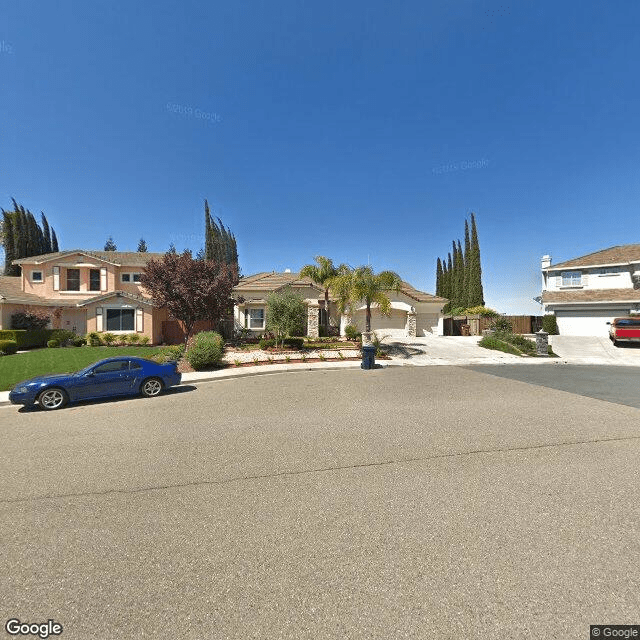
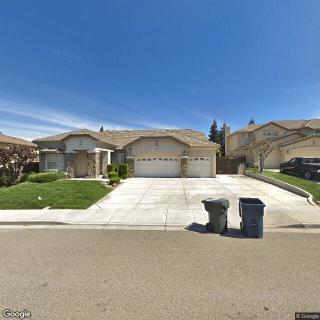
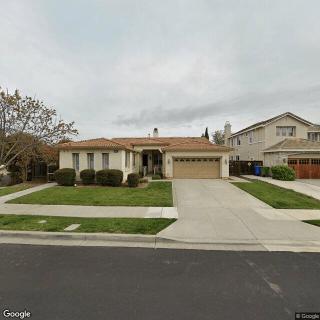
1649 Observation Court, Antioch, CA 94531
For more information about senior living options: (866) 208-4318
Sheila's Crystal Care Home III Costs & Pricing
At Sheila's Crystal Care Home III, the monthly cost for a private room is set at $4,500. This figure reflects a premium that exceeds both the average rates in Contra Costa County, which stand at approximately $4,088, and the broader state average of around $3,939 for California. While Sheila's facility may be priced higher than its local and state counterparts, it is essential to consider the unique services and personalized care options offered to residents that could justify this difference. The added investment ensures a dedicated environment tailored to meet individual needs, potentially enhancing the overall quality of life for its occupants.
| Floor plans | Sheila's Crystal Care Home III | Contra Costa County | California |
|---|---|---|---|
| Private | $4,500 | $4,088 | $3,939 |
Assisted Living communities with a similar price nearby
-
from +$500 / mo
Blessing Home
$5,000 to $6,000 / month22.5 miles away -
About the same
Pleasanton Senior Care Villa
$4,500 / month21.1 miles away -
from +$500 / mo
Harmony Care Home
$5,000 to $6,500 / month2.5 miles away -
About the same
Milan Villa Senior Living
$4,600 to $9,200 / month19.7 miles away -
from +$500 / mo

Montessori Senior Residential Care
$5,000 / month4.6 miles away
Overall Review of Sheila's Crystal Care Home III
Pros
 The facility is rated excellent and offers great staff and care.
- Sheila's Crystal Care Home does a great job.
- The care is wonderful and residents are treated well.
- Residents receive grooming, daily showers, help with clothing, and enjoy the meals.
- Bernie and Luz provide the utmost care for the mom.
- The home handles Alzheimer's well, is clean, comfortable, and more affordable than larger facilities.
Cons
 The price is a little high.
- There is a noticeable accent that makes understanding the staff difficult.
- The other facility was always dirty and there was always something wrong there.
- Some other places were not cared for at all.
Review
Sheila's Crystal Care Home III in Antioch is best suited for seniors who want a small, home-like setting where caregiving is deeply personal and highly attentive. This community shines for residents with Alzheimer's or memory challenges who benefit from consistent routines, steady staff relationships, and a calm, clean environment that minimizes the chaos seen in larger facilities. Families that prize close daily contact with caregivers, individualized assistance with grooming, dressing, and daily hygiene, and a warm, unhurried atmosphere will feel confident about the care their loved one receives. It is not a fit for those seeking a large campus with a dense activity calendar or a strict medical-oversight model; for such families, alternatives with broader programs and more extensive clinical staffing are worth a look.
It is worth noting who may want to consider alternatives. Families requiring extensive medical oversight, 24/7 clinical nursing on-site, or a robust, structured activity program may find a larger memory-care or assisted-living campus more aligned with those needs. Likewise, households with budget constraints or a strong emphasis on the lowest possible price may prefer other options, as price perceptions can vary depending on comparisons with big facilities. The reality is that the intimate, personalized care here comes with trade-offs that are more noticeable to families prioritizing scale and formal programming.
The strongest positives center on people, care, and environment. Reviews repeatedly point to "great people" and high-quality care delivered with compassion and consistency. The home feels clean and well-maintained, with staff consistently attending to daily needs such as showers, grooming, and clothing changes, actions that reinforce dignity and routine. Alzheimer's care is highlighted as a particular strength, with families noting that staff know how to handle memory-related behaviors and create a safe, comfortable setting. Food is well-regarded, and residents often express enjoyment of meals, which reinforces daily satisfaction and routine reinforcement. The combination of attentive caregivers, a dementia-informed approach, and a tidy, welcoming atmosphere creates a compelling value proposition, especially when contrasted with larger, less-personal facilities.
On the downside, pricing emerges as the sole potential con in some families’ calculations. One reviewer calls the cost “a little high,” though others emphasize that the price is lower than bigger facilities while still delivering strong care. A minor communication nuance also surfaces: an accent can initially slow conversation, though families report that understanding improves with time and ongoing interaction. These factors are manageable in real-world care when the core advantages, personal attention, cleanliness, and dementia expertise, drive comfort and trust. For families who prioritize affordability above all else, this may tilt the decision toward other options, but it should be weighed against the tangible daily benefits observed by residents and their loved ones.
The way the positives offset the drawbacks is clear. The intimate, caregiver-forward model reduces the noise and impersonality common in larger campuses, which often translates into calmer days, fewer transitions, and more meaningful human connections for residents with memory impairment. The proven skill in managing Alzheimer's, paired with consistently clean surroundings and a steady routine, can offset concerns about cost by delivering demonstrable value: better resident comfort, fewer behavioral escalations, and reliable family reassurance. The ability to support hospice-involved residents, and to accommodate visits and daily caregiving tasks with a personal touch, further compounds the overall package. In short, the strength of the care team and the environment tends to compensate for the price perception in most cases.
For families deciding where to place a loved one, this community is a strong choice if the priority is intimate, attentive dementia care delivered in a clean, home-like setting. It suits those who want clear, steady routines, daily hands-on assistance, and staff who treat residents with warmth and respect. Alternatives should be seriously considered by households seeking broader programming, heavier medical oversight, or the lowest possible price. Prospective movers should plan a visit with the intent to observe staff-resident interactions, gauge the pace of daily life, and confirm dementia-specific training and protocols align with the care plan. If these criteria align, Sheila's Crystal Care Home III offers a compelling, practical option grounded in proven personal care and genuine caregiver devotion.
 6 resident community capacity
 Assisted Living
 Board and Care Home
 Cable or satellite TV
 Dining room
 Fully furnished
 Garden
 Housekeeping services
 Move-in coordination
 Outdoor space
 Private
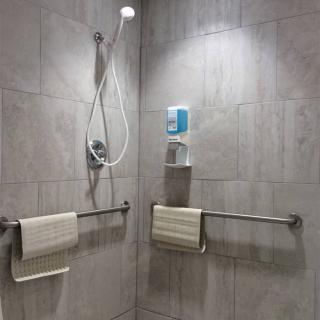
 Private bathrooms
 Telephone
 Wi-Fi/high-speed internet available
 24-hour supervision
 Activities of daily living assistance
 Ambulatory care
 Assistance with bathing
 Assistance with dressing
 Assistance with transfers
 Diabetes diet
 Diabetic care
 Meal preparation and service
 Medication management
 Special dietary restrictions
 Transportation arrangement (medical)
 Transportation to doctors appointments
 Christian services
 Comprehensive Insights into Activities of Daily Living (ADLs) and Their Assessment
 Guiding Elderly Parents Who Refuse Assisted Living: 6 Practical Steps
 Your Comprehensive Guide to Luxury Assisted Living: Elevated Facilities, Amenities, and Costs