
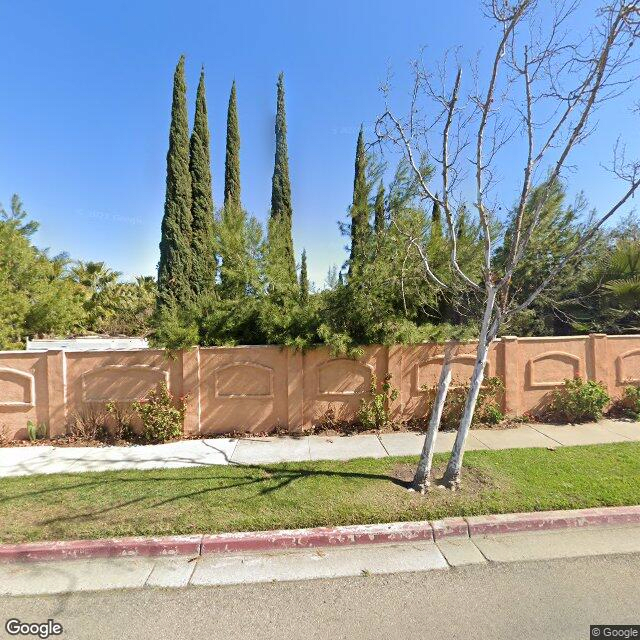
4309 Hillcrest Ave, Antioch, CA 94531
To contact a resident: (925) 778-2249
For more information about senior living options: (866) 208-4318
Overall Review of Hillcrest Living Inc
Pros
 Hillcrest Living would have been a good choice for his father, as it had only 50 residents and was set up for memory care patients.
- The reviewer was impressed with Hillcrest Living.
- Hillcrest Living’s small size and memory care–focused setup were highlighted as positives.
Cons
 Hillcrest Living was a bit costly because each service would add an additional fee to the monthly cost.
- The reviewer would have had to supply the resident with toiletries and incontinence products.
- The reviewer felt that the price was more than they wanted to spend.
Review
Hillcrest Living in Antioch is best suited for families seeking a tightly run, memory-care–focused environment delivered in a small, 50-resident campus. The setting is clearly oriented toward residents who require memory-support services, and the intimate scale promises closer caregiver contact and more predictable routines. This is not a generic, large-tract assisted living; it is a specialized option where memory-care protocols, supervision, and daily structure can be more consistently applied. If memory impairment is the primary consideration and a family can absorb higher ongoing costs, Hillcrest Penn may align well with those priorities.
The strongest practical advantages lie in the facility’s size and its targeted purpose. A 50-resident community naturally supports easier oversight, more individualized attention, and a calmer environment, benefits particularly meaningful for memory-care residents who benefit from familiar faces and steady routines. The layout and staff focus are positioned to support behavior management, safety, and engagement in activities that honor cognitive needs. Families who value a perceived quality of care and a learning curve that emphasizes memory-support programming will likely feel confident about staffing familiarity and the potential for consistent caregiver-resident relationships.
However, the financial structure stands out as the defining constraint. The reviews point to a price that rises with the addition of each service, effectively turning a base rate into a variable monthly budget. That means the more assistance and specialized care components a resident requires, the higher the total becomes. The secondary reality is practical in nature: families may be asked to supply personal items such as toiletries and incontinence supplies. For some households, the cumulative effect of these add-ons is a meaningful portion of the monthly expense, eroding the perceived value a little despite the specialized setting.
These financial realities temper the otherwise favorable impression from the small, memory-care-centric environment. The pros, intimate staff proximity, targeted programming, and a setting that can respond to memory-related needs with greater regularity, do offset some risk of a bland, impersonal memory-care experience. Yet the cost structure can blunt that advantage if budgeting constraints force compromises elsewhere. In short, Hillcrest offers high-quality memory-focused care in a compact footprint, but the price is a decisive factor and must be weighed against other options that bundle services differently or offer more inclusions.
Families should consider alternatives if price sensitivity is a central concern or if a broader amenities mix is desired. Larger memory-care communities or non-memory-focused assisted living options may deliver more inclusive pricing or more predictable overall costs, with a different balance of staffing ratios, activity options, and on-site services. If a loved one’s needs are episodic rather than memory-specific or if families prefer not to manage external supply lists (toiletries, incontinence products, etc.), exploring other communities could yield a more straightforward financial plan without compromising safety or quality of care.
The decision comes down to a careful, itemized cost assessment and a clear fit with care needs. Prospective residents should request a detailed, itemized price sheet that lists every service and its monthly charge, plus a clear note on what is included versus what must be provided by families. It is essential to confirm the memory-care framework, staffing patterns, training emphasis, and daily schedules, to ensure expectations align with what Hillcrest can deliver. If the numbers align with a sustainable budget and the memory-care focus meets clinical needs, Hillcrest presents a practical, well-suited option. If not, families should be swift to compare alternatives that offer more inclusive pricing, different care models, or larger communities where scale changes the financial math without sacrificing essential memory-care quality.

 Nurturing Our Elders: Linda's Journey of Supporting Her Mother
 A Comprehensive Exploration of Common Misunderstandings about Powers of Attorney
 Senior Move Management: Understanding the Role, Value, and Associated Costs